

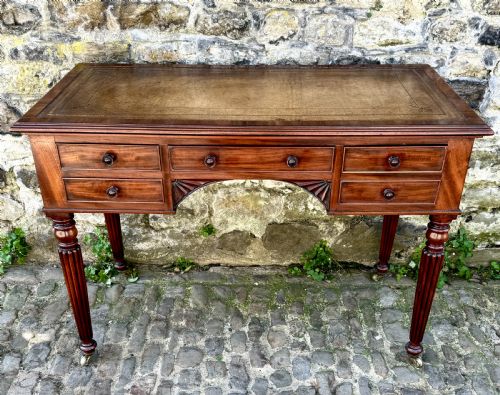
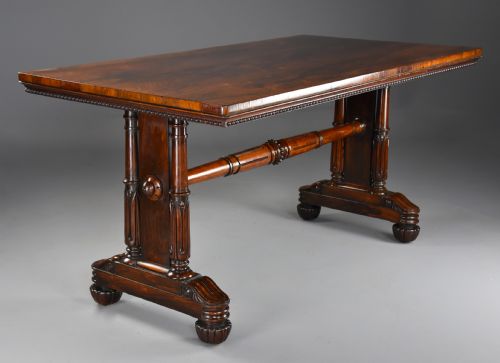

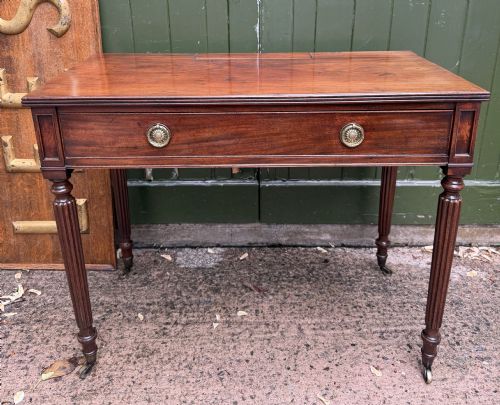


Gillows Style Writing Table
A gillows style writing table brings functional elegance to a room, offering refined proportions and timeless utility.
Gillows Style Writing Table
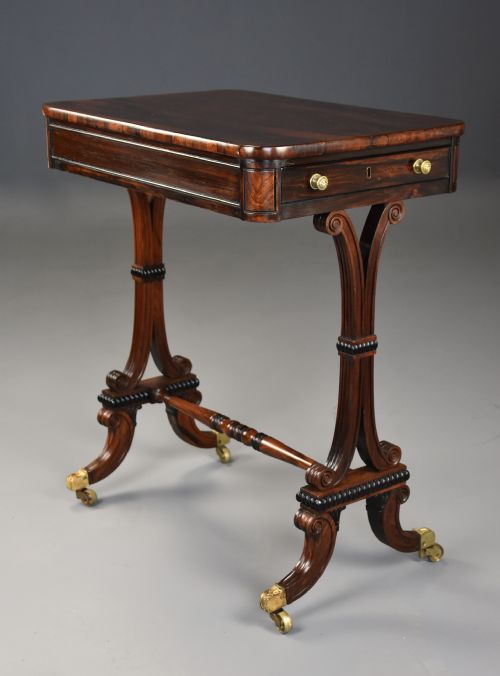
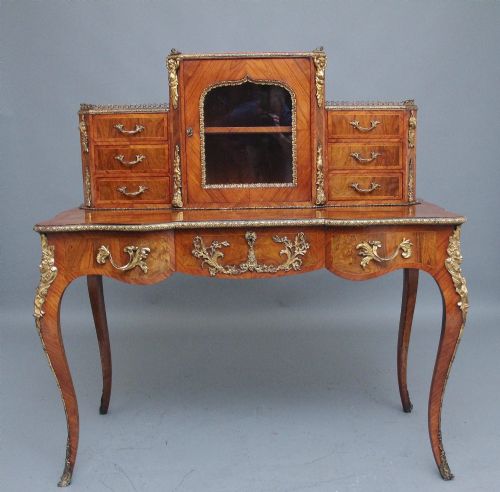
A gillows style writing table combines refined utility with classic proportions, serving as both a functional workspace and a statement of fine craftsmanship. When you examine a gillows style writing table on this page, you encounter forms that span from the Georgian and Regency eras through the Victorian period and into later revivals.
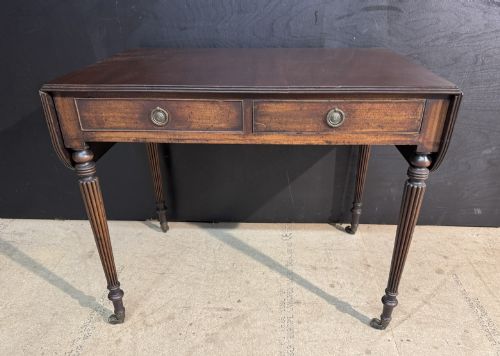
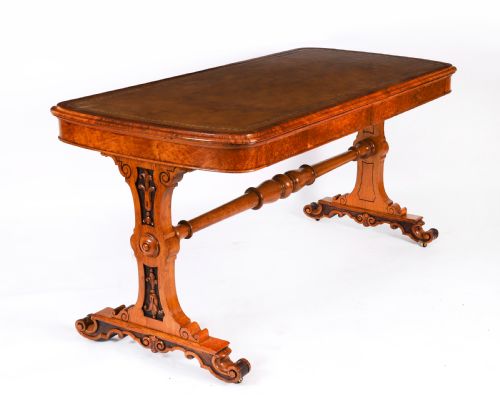
Originating from the renowned Lancashire firm or inspired by its exacting standards, these pieces display cabinet work that prioritises both structural integrity and understated decoration. Buyers frequently meet pieces showing classic reeded legs, brass hardware, and inset leather writing surfaces.
What varies in quality
The distinction between standard production and the highest grade lies in the selection of timber veneers and the crispness of the carved details, such as reeding or applied mouldings. Superior examples exhibit seamless drawer joints, original brass hardware, and balanced proportions that reflect the rigorous standards of Lancaster cabinet makers.
Proportion and execution dictate value; simpler chamber tables contrast with elaborate partners desks featuring double-sided drawer arrangements and amboyna woods. The presence of documented signatures, stamps, or high-specification brass mechanisms elevates a piece beyond general cabinet work.
Gillows Style Writing Table Retail Price Guide 2026
Typical asking prices for gillows style writing table among the pieces listed under this phrase on Sellingantiques today, from the lower quarter to the upper quarter. They describe what is for sale here now, not the wider market.
Some tables hide compartments clever enough to make a Victorian clerk grin.
Gillows of Lancaster·Waring and Gillows
The Gillows Style Writing Table Glossary
- Partners desk
- A large double-sided desk designed for two people to work opposite each other, featuring banks of drawers on both long sides. These forms often appear in mahogany or walnut.
- Library table
- A freestanding table finished on all sides, traditionally placed in the centre of a room rather than against a wall. They frequently incorporate frieze drawers and leather-inset tops.
- Reeded
- A decorative moulding consisting of parallel convex strips resembling inverted fluting, commonly found on the legs of Regency and George IV tables. This detail adds linear elegance to structural supports.
- Sofa table
- A rectangular table designed to stand in front of a sofa, characterised by drop leaves on either end and frieze drawers. They rest on trestle supports or pillar pedestals.
- Bramble lock
- A high-security brass lock frequently utilised in quality cabinet work, known for its precision engineering and reliability. Such hardware helps authenticate period pieces.
Gillows Style Writing Table: Frequently Asked Questions
How do I identify a true period piece?
Examine the secondary woods inside the drawer construction, the wear patterns on the feet, and the construction methods used for the frame. Period pieces from the Georgian and Regency eras exhibit hand-cut dovetails and timber shrinkage consistent with age.
Compare the proportions and carving details against documented examples from Lancaster workshops. Hardware, such as original brass locks and castors, also provides reliable chronological markers.
Where should I place a library table?
A library table is designed as a freestanding piece, making it ideal for the centre of a room where all sides can be admired. Ensure there is sufficient clearance around the table for chairs and movement.
Position the table away from direct sunlight and heat sources to protect timber veneers and leather writing surfaces from drying out.
How do I care for the leather writing surface?
Maintain the leather insert by dusting it gently with a dry, soft cloth and occasionally applying a specialised leather balm to prevent cracking. Avoid using harsh chemical cleaners or excess water.
Protect the surface from sharp objects and direct moisture by using blotters or desk pads during daily use.