
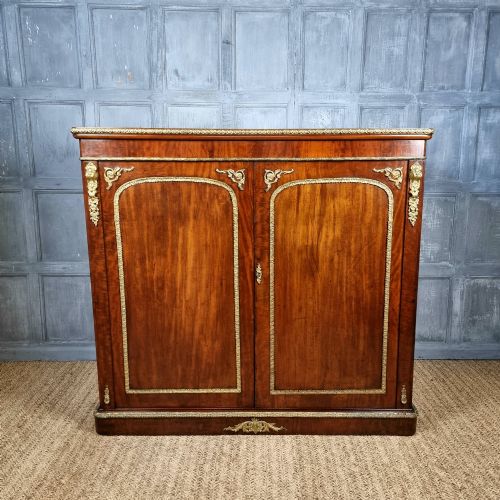


Gillows Style Sideboard
A gillows style sideboard offers refined proportions and substantial timbers, bringing period architectural presence into a modern dining room.

Gillows Style Sideboard
When you search for a gillows style sideboard, you are looking at large dining room storage and serving furniture spanning the late eighteenth and nineteenth centuries. These pieces reflect the cabinet-making standards associated with Lancaster and London workshops, incorporating classical architectural motifs and practical storage. The forms on this page include mahogany sideboards, chiffoniers, serving tables, and side cabinets dating from the Georgian, Regency, and Victorian eras.
The version you are most likely to meet on this page is a Regency mahogany piece featuring turned legs, brass details, and substantial flame mahogany veneers. Alongside true nineteenth-century examples, the selection includes pieces described in the manner or style of the firm, showing similar attention to timber selection and structural joinery. These items served primarily in grand dining rooms for the storage of plate and the service of meals.
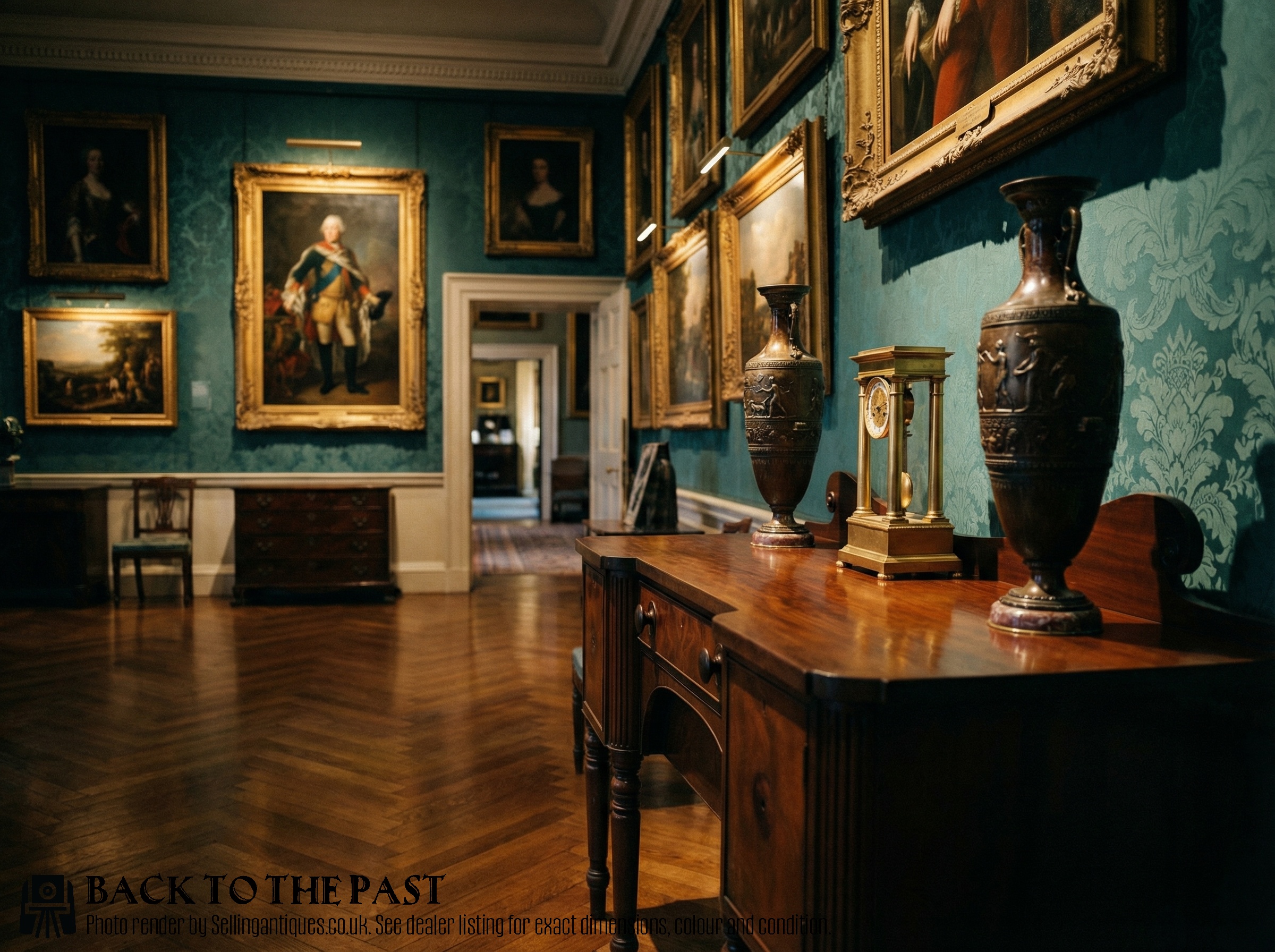
How they were made
Makers utilised dense native and imported timbers, predominantly mahogany and rosewood, often selecting flame veneers for drawer fronts and cupboard doors to create striking natural patterns. Secondary woods such as oak and pine appear in carcass construction and drawer linings, ensuring structural stability alongside fine exterior surfaces.
Metalwork played a key role in the detailing, with cast brass mounts, handles, and occasional ormolu ornamentation applied to accentuate the architectural lines of the furniture. Mirror glass and fabric inserts also feature within panelled doors and backsplashes on specific cabinet and chiffonier forms.
Listings feature mahogany, rosewood, and satinwood across the nineteenth century, including Regency and Victorian periods.
What varies in quality
The hierarchy among these pieces rests upon the choice of timber and the precision of the cabinet work rather than mere age alone. Higher tier items display carefully matched flame mahogany grain across multiple doors and drawers, whereas simpler versions rely on plain stock timbers with minimal decorative enrichment.
Detailing in the carved ornament and the quality of the cast brass hardware separate standard workshop production from the finest cabinet work. The integration of secondary timbers and the crispness of reeded legs or classical moulding indicate the skill level of the original maker.
Gillows of Lancaster and London
The Gillows Style Sideboard Glossary
- Flame mahogany
- A veneer cut from timber where the branch meets the trunk, producing a distinctive leaping flame pattern. This decorative wood was favoured for principal display surfaces on high quality case furniture.
- Chiffonier
- A low cabinet featuring shelves enclosed by doors, often surmounted by a raised back with a mirror or small shelf. This form developed during the Regency period for dining and drawing room storage.
- Ormolu
- Gilt bronze ornamentation applied to furniture to highlight architectural corners and panels. The technique involves mercury gilding cast bronze components.
- Serving table
- A large console or table placed against the dining room wall for holding dishes during a meal. These forms often preceded the fully enclosed sideboard.
- Secretaire
- A writing compartment incorporated into the upper drawer of a sideboard or cabinet, fitted with small drawers and pigeonholes. It allowed a piece of dining furniture to double as a desk.
Gillows Style Sideboard: Frequently Asked Questions
What is a gillows style sideboard?
A gillows style sideboard is a nineteenth-century dining room storage piece following the design principles of the Lancaster cabinet makers. These pieces emphasise proportion, classical ornament, and high grade mahogany timbers.
Such furniture includes serving tables, chiffoniers, and enclosed cabinets designed for formal domestic interiors.
How do I date a sideboard?
Dating relies upon stylistic markers such as reeded legs, brass gallery rails, and the overall architectural proportions of the piece. Regency examples lean towards classical restraint, while later Victorian pieces often incorporate richer carving and revival motifs.
Timber choice and secondary woods inside drawers also provide clues to the manufacturing decade.
Where were these pieces used?
These cabinets originally stood in the dining rooms of large houses to assist with the service of meals and the storage of tableware. Chiffoniers and side cabinets also found places in drawing rooms and parlours for display.
Today they function as sideboard storage in modern dining spaces or hallways.
How do I care for mahogany?
Mahogany furniture requires stable room humidity and protection from direct sunlight to prevent the timber and polished surface from drying out. Regular dusting with a dry cloth maintains the finish without building up heavy wax layers.
Avoid placing hot serving dishes directly onto the unshielded wood surface.