

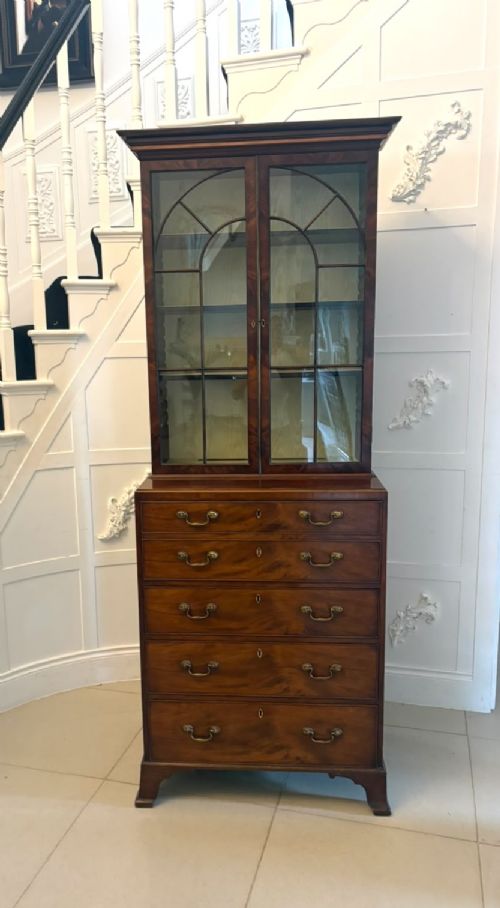


Gillow Furniture Cabinet
Gillow furniture cabinet pieces are masterworks of English cabinet-making, combining robust utility with refined aesthetic restraint.
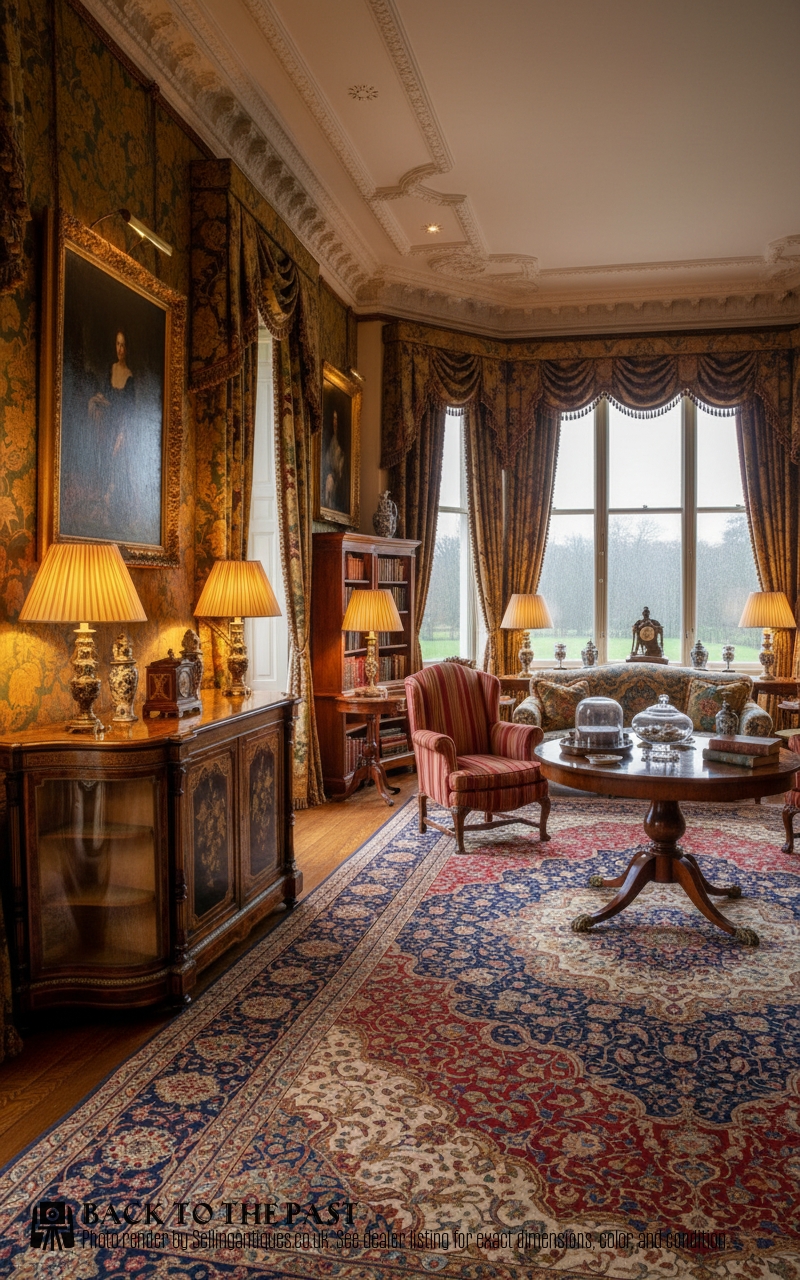
Gillow Furniture Cabinet
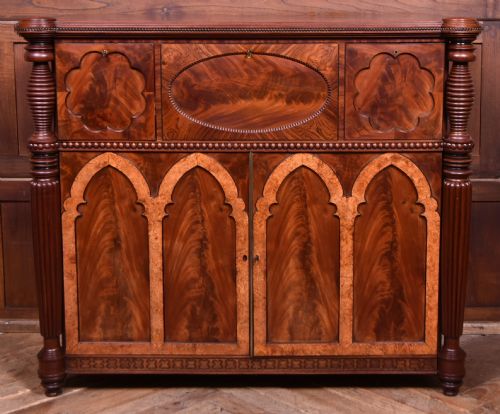
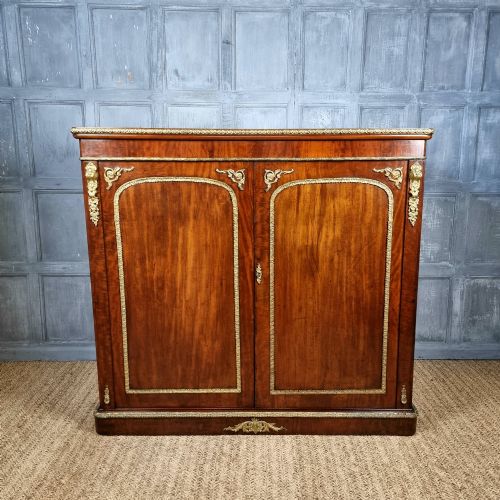
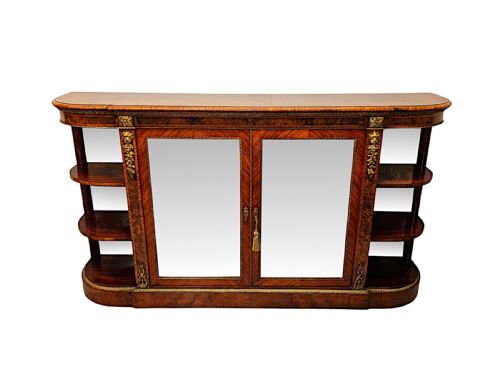
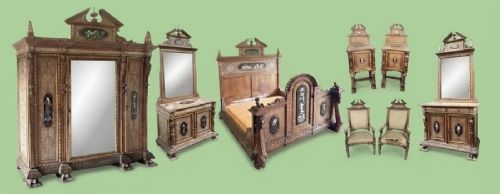
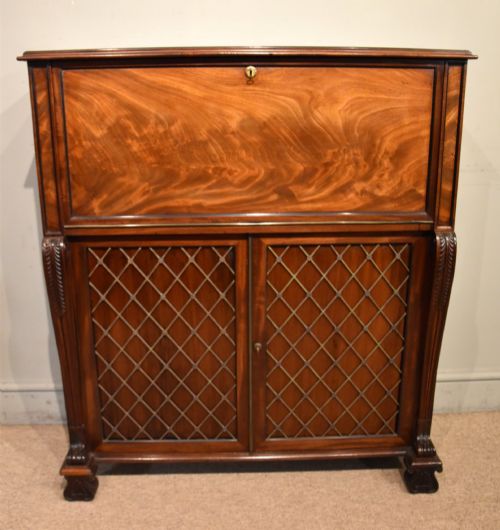
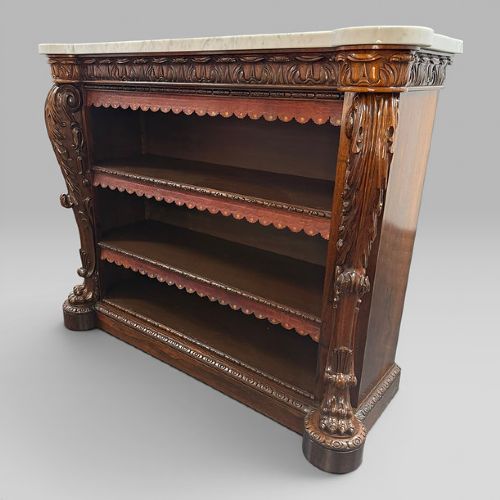
When you examine gillow furniture cabinet listings, you encounter a diverse array of functional forms spanning multiple centuries of British design. The selection on this page centres primarily on desks, side cabinets, credenzas, bookcases, washstands, secretaire cabinets, and chests of drawers.
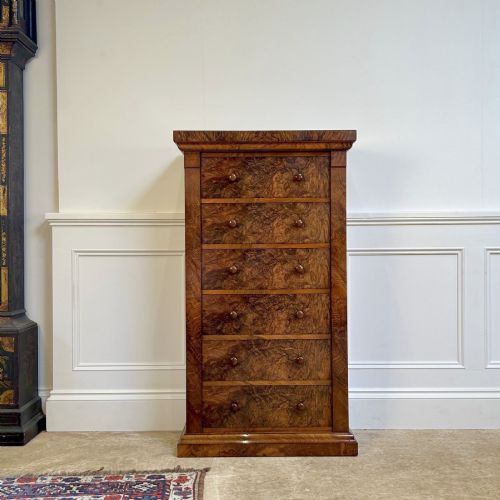
The periods represented stretch from the Georgian and Regency eras through the Victorian epoch and into the early twentieth century. You will frequently meet pieces designated as Davenport desks, secretaire bookcases, and Wellington chests, alongside side cabinets and credenzas.
Originating largely from the famous firm based in Lancaster and London, these items reflect the changing domestic requirements of British households. Whether structured as a library cabinet or a compact writing cupboard, each form demonstrates purposeful interior planning and sturdy construction.
Materials and construction
Makers utilised a careful selection of dense hardwoods, predominantly mahogany, burr walnut, rosewood, and satinwood, often enhanced by flame mahogany veneers. These primary woods provided both structural integrity and striking visual grain patterns suitable for formal rooms.
Secondary detailing involved brass, leather, glass, and ormolu mounts, alongside intricate marquetry and inlay work. Joinery techniques ensured durability, pairing solid drawer linings with precise dovetailing and structural framing that resisted warping over generations.
Some cabinets hide entire writing desks inside unassuming chests, proving nineteenth-century furniture makers loved a secret compartment.
Judging quality and execution
The distinction between standard commercial output and superior craftsmanship rests on the choice of timber and the precision of the detailing. Highly figured veneers, such as burr walnut and flame mahogany, indicate a more expensive commission selected for wealthy patrons.
Furthermore, the presence of factory stamps, signatures, or specific brass hardware marks attribution and confirms workshop provenance. Refined execution is visible in the crispness of inlaid motifs, the smoothness of drawer operation, and the integration of secondary woods like oak.
Gillows of Lancaster·Waring and Gillows·Bruce Talbert
The Gillow Furniture Cabinet Glossary
- Secretaire
- A cabinet or desk featuring a fitted pull-down writing drawer that conceals smaller compartments and pigeonholes. This clever mechanism allows a piece of furniture to serve multiple domestic functions without occupying extra floor space.
- Wellington chest
- A tall, narrow chest of drawers secured by a single hinged locking stile on the right side. It takes its name from the Duke and provides secure storage for papers or linen.
- Davenport
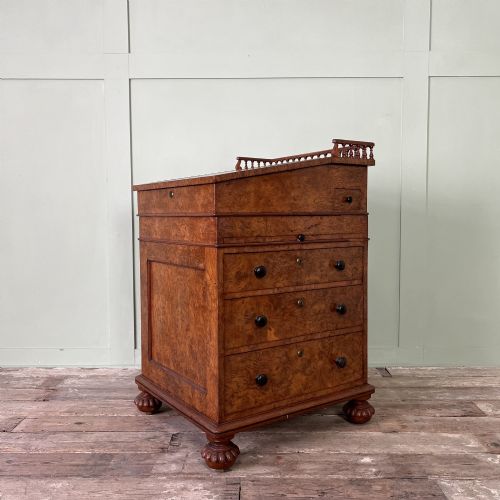
- A small, compact desk featuring a sloping writing surface hinged above a pedestal of drawers. It typically incorporates a stationery compartment at the top rear.
- Astragal glazed
- A glass door divided into smaller panes by narrow wooden framework strips known as astragals. This technique lightens the visual weight of large bookcases.
Gillow Furniture Cabinet: Frequently Asked Questions
How do I identify a Gillows piece?
Look for signature stamps on drawer edges, distinctive brass hardware, and high standards of cabinet-making. Many genuine pieces also bear paper labels or specific construction traits typical of the Lancaster workshops.
Attribution often relies on matching documented design drawings, timber choices, and secondary wood usage to known examples from the firm.
What periods do these cabinets cover?
The listings span from the eighteenth century through the Regency and Victorian periods into the early twentieth century. Georgian and Regency pieces show classical restraint, while Victorian examples often feature bolder veneers and richer ornamentation.
Later works reflect the Arts and Crafts movement and Edwardian preferences for lighter satinwood timbers.
How were secretaire cabinets used?
A secretaire cabinet served as a dual-purpose piece for domestic correspondence and secure storage in the parlour or library. The drop-front drawer allowed the owner to write letters privately without needing a dedicated standing desk.
Inside, small drawers and pigeonholes kept stationery, inkwells, and private documents organised.
Are these pieces suitable for modern homes?
Yes, their compact proportions and high-utility forms make them practical for contemporary living spaces and studies. Items like side cabinets, bookcases, and Davenport desks integrate easily into modern room layouts while offering genuine storage solutions.
Their robust hardwood construction ensures they withstand daily use.