








Gilded Wood Portrait Frame
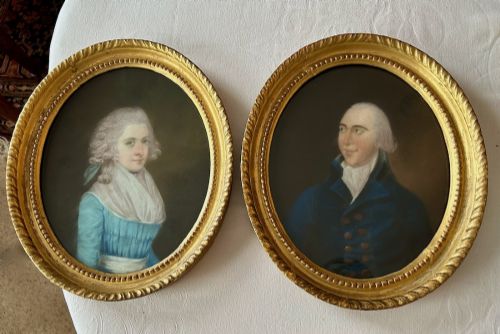
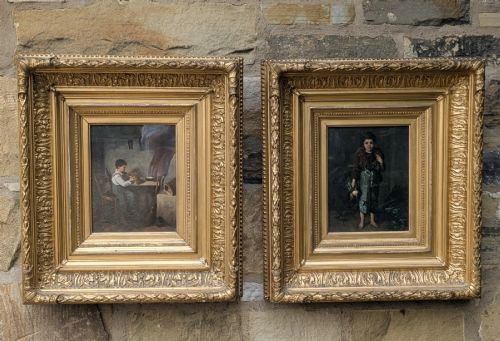
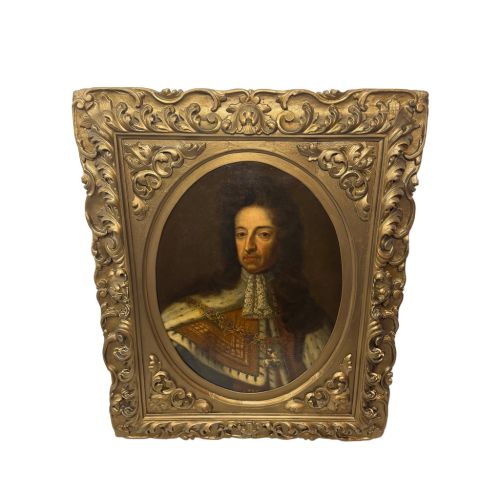
A gilded wood portrait frame brings warmth and deep metallic lustre to an interior, enclosing historic paintings and works on paper.
Gilded Wood Portrait Frame
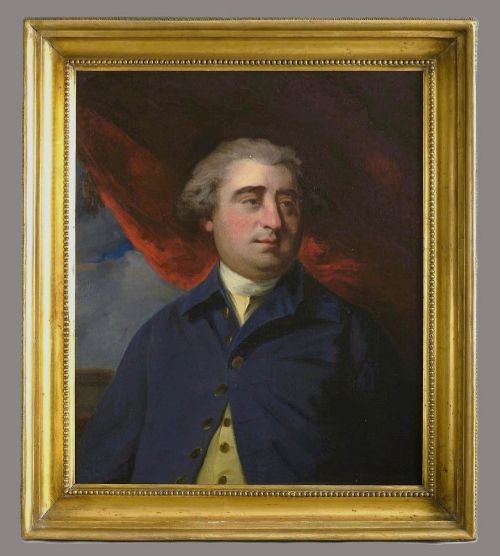
A gilded wood portrait frame surrounds historic paintings, pastels, and works on paper, serving as the physical boundary between art and room. These enclosures draw the eye directly toward the subject while adding architectural weight to a wall.
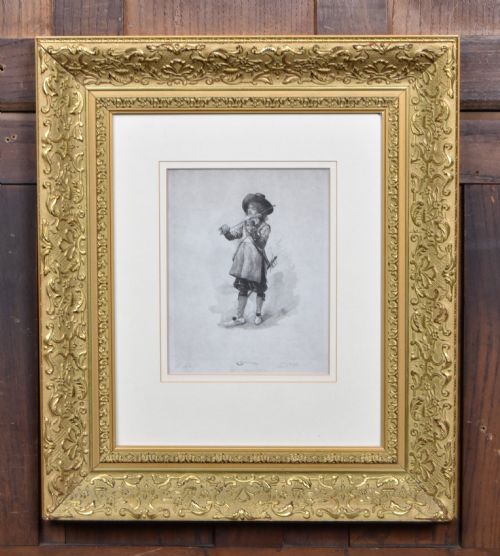
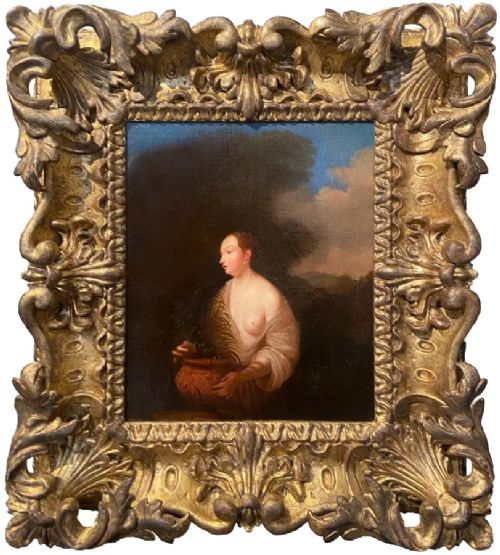
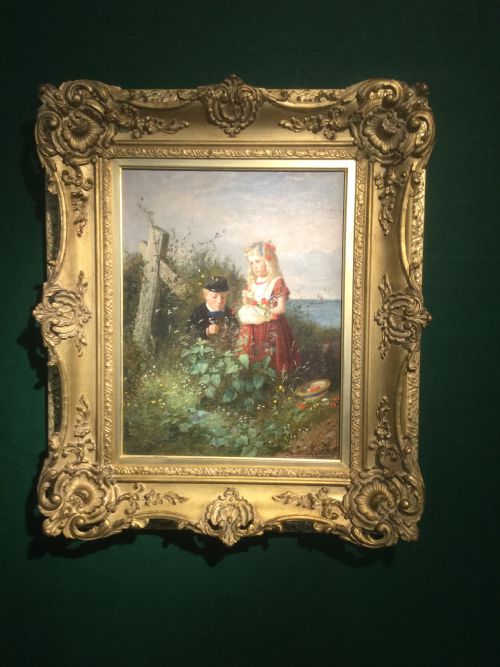
The selection ranges widely across centuries, showing styles from the elaborate curves of the Baroque and Rococo Revival periods down to the simpler lines of Victorian and Edwardian joinery. Many items combine structural timber with original artworks inside.
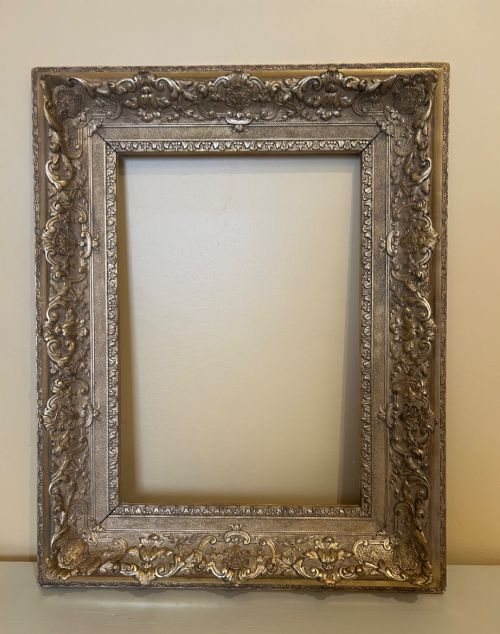
Buyers encounter examples spanning the seventeenth, eighteenth, and nineteenth centuries, often housing oil on canvas, pastel, or watercolour. Certain pieces present empty mouldings, whilst others retain their historic portraits.
Materials and construction methods
Makers built the foundational structure using dense wood, applying layers of gesso to smooth the surface before adding thin sheets of gold leaf or giltwood. This traditional layering technique creates the characteristic reflective sheen across the profile.
Decorative relief elements often rely on moulded gesso or applied composition ornaments, fixed firmly to the timber base before gilding takes place. Hand-carved details appear on finer examples from earlier periods, showing distinct chisel work beneath the metallic finish.
Listings feature items spanning the seventeenth through to the twentieth centuries, utilising wood, gesso, and gold leaf.
Assessing quality in historical frames
Quality rests primarily on the depth of the carving and the complexity of the moulding profiles, where deep cavetto sections and crisp enrichment separate standard work from superior craftsmanship. The integrity of the underlying wood substrate also dictates how well the structure survives.
The method of gilding influences visual richness, with genuine gold leaf ageing into a softer tone compared to later metallic paints. Preservation of the original surface finish without heavy over-gilding remains central to historical value.
John Theodore Heins·John Heins
The Gilded Wood Portrait Frame Glossary
- Gesso
- A fine plaster mixture applied to wood frames to prepare the surface for gilding. This layer allows artisans to carve crisp decorative details before applying gold leaf.
- Giltwood
- Timber that has been coated with gold leaf or a gold-coloured metallic finish. It provides both protection to the wood and a bright reflective surface.
- Baroque
- An ornate design style popular in the seventeenth and early eighteenth centuries. Frames from this period feature dramatic scrollwork and deep relief carving.
- Rococo Revival
- A nineteenth-century style mimicking the asymmetrical curves and shell motifs of the eighteenth century. These mouldings offer highly sculptural, flowing forms.
- Oleograph
- A mechanical colour print textured to imitate an oil painting on canvas. Many nineteenth-century examples appear inside period gilt frames.
Gilded Wood Portrait Frame: Frequently Asked Questions
How do I date a gilded frame?
Dating relies on examining the timber joints, the composition of the gesso layer, and the overall profile style. Earlier pieces often feature hand-carved wooden ornament, whilst later nineteenth-century examples utilise moulded composition details.
Secondary indicators include the type of backing boards, fixings, and the nature of the gold leaf application. Comparing the rebate construction with known historical periods helps narrow down the decade of manufacture.
Can I put a modern painting inside?
Placing contemporary artwork inside an antique enclosure creates a striking visual contrast between old and new aesthetics. Ensure the internal rebate dimensions match the depth and thickness of your canvas or panel.
Conservation mounting techniques should be used to secure modern works safely without altering the historic frame structure. Acid-free materials protect the artwork from direct contact with older acidic wood.
How should I clean gilded surfaces?
Dusting requires only a very soft, dry brush or feather duster to remove particles without disturbing delicate metallic leaf. Avoid using water, chemical solvents, or commercial polishes which strip away historic gilding.
Professional conservators should handle any structural consolidation or heavy grime removal. Gentle maintenance preserves the original patina built up over centuries.
What is the difference between giltwood and painted gold?
Giltwood consists of extremely thin genuine gold leaf laid over a prepared gesso and bole ground by hand. This technique produces a warm, complex metallic lustre that reflects light softly.
Painted gold typically involves modern bronze powders or metallic paints applied in a liquid form. Such finishes appear flatter and lack the subtle tonal variations found in traditional leaf.