



Fine Art Wall Portrait
A fine art wall portrait brings centuries of character into a room through oil on canvas, pastel, and print.
Fine Art Wall Portrait
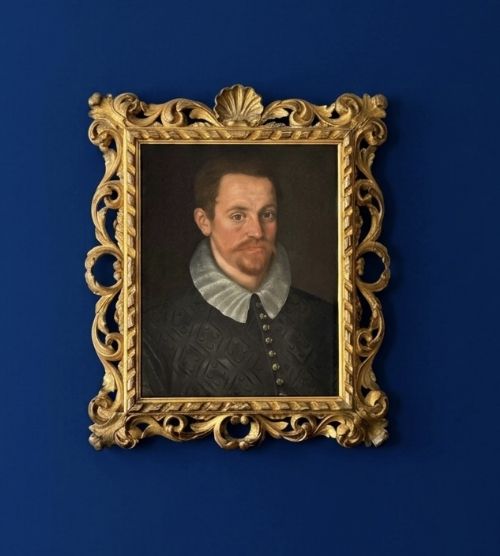
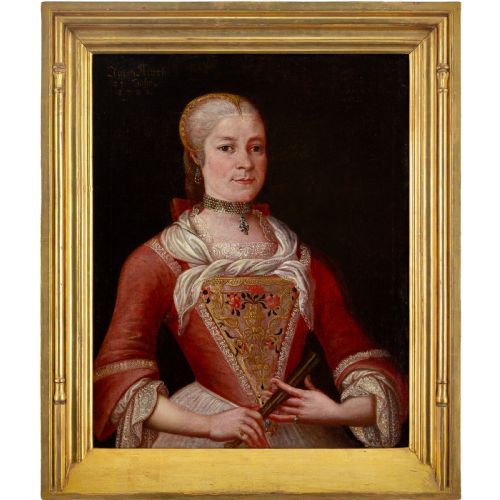
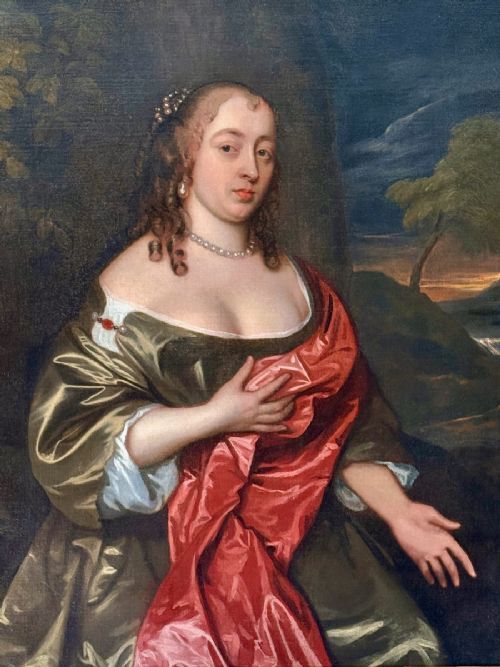
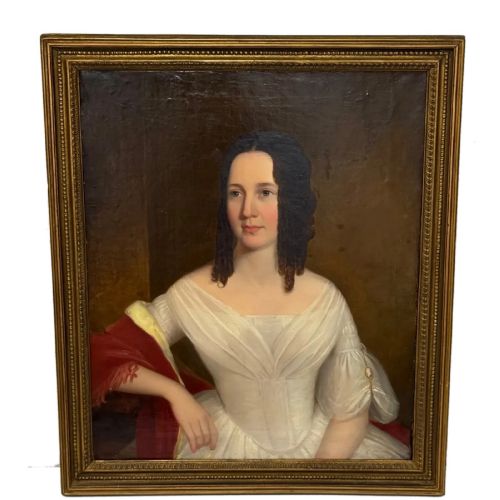
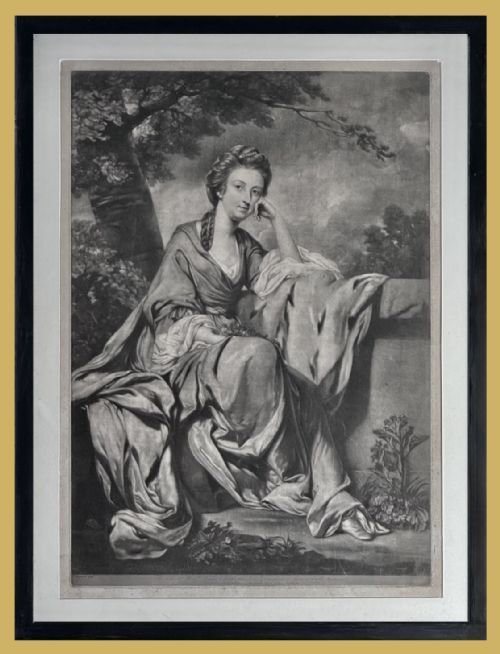
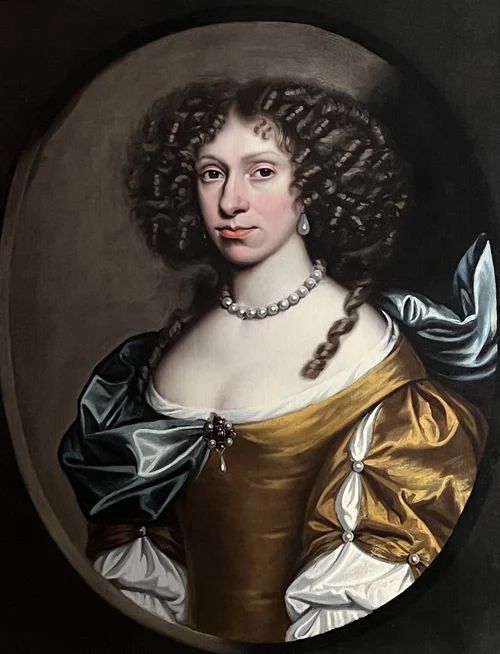
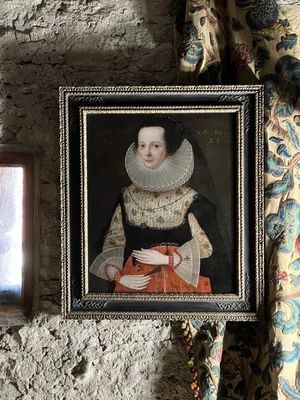
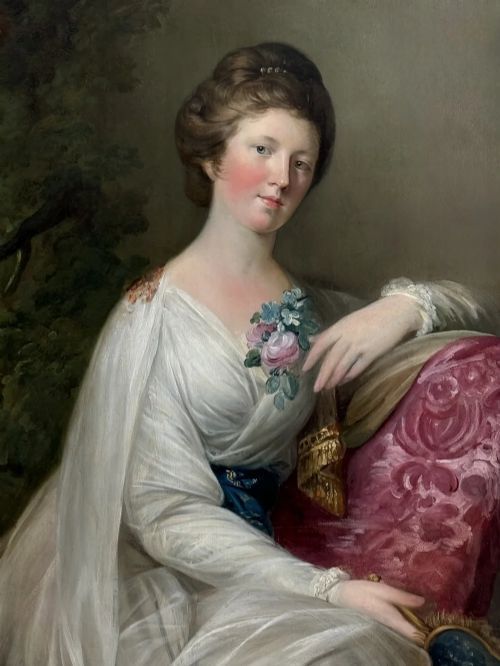
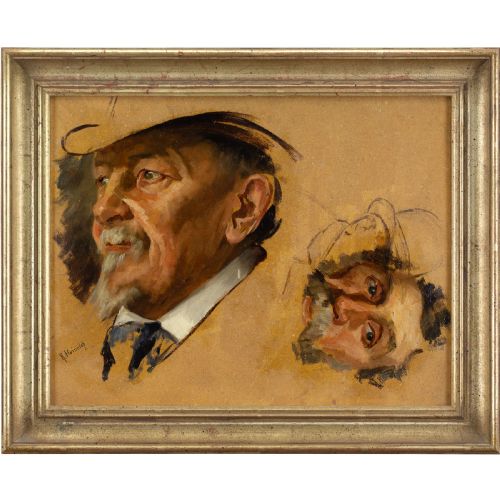
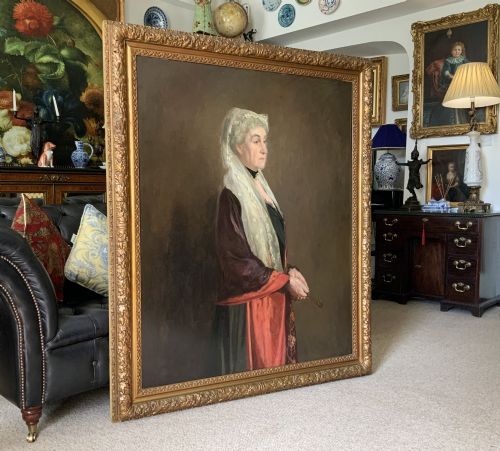
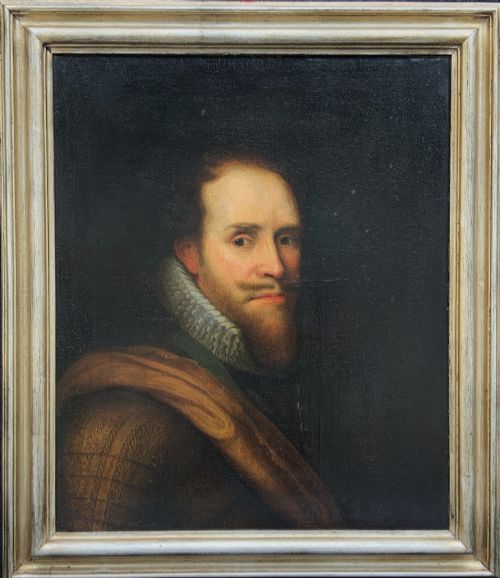
When searching for a fine art wall portrait, buyers encounter painted and printed likenesses spanning from the seventeenth century through to the mid-twentieth century. The selection ranges from grand oil paintings on canvas and panel to delicate pastels and mezzotints.
The most common examples met on this page are oil portraits originating from the Georgian, Regency, and Victorian periods, alongside earlier seventeenth-century British, Dutch, and French works depicting nobility, officers, and everyday subjects.
Subjects include named historical figures, architects, military officers, and anonymous sitters rendered in styles running from Baroque and Italian Renaissance revival to nineteenth-century academic realism.
Materials and construction
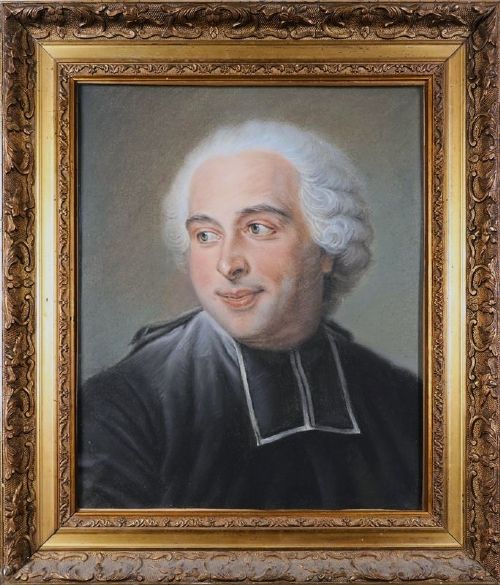
The works rely primarily on oil paint applied to stretched canvas or wooden panels, with preparatory layers and varnishes sealing the pigments. Pastels on paper and printed mezzotints or lithographs provide alternative mediums seen across the centuries.
Frames play a crucial structural and aesthetic role, frequently utilising carved giltwood or simpler wood mouldings that complement the period of the artwork they enclose.
Listings span periods from the 17th century through to the 1960s, featuring oil, pastel, and print mediums.
Variations in quality
Quality depends upon the skill of the brushwork, the anatomical accuracy of the sitter's hands and face, and the depth achieved in drapery and background landscapes. Master works exhibit confident handling of light and shadow, particularly in fabric folds and skin tones.
The integrity of the original surface, the presence of period-appropriate framing, and the historical documentation linking the sitter or artist elevate certain pieces above anonymous studio copies.
John Hayls·Edward Fisher·Sir Joshua Reynolds·Joseph Clover·David Scougall·Maurice Quentin de la Tour·John Maler Collier·Dumini Leopoldo·George Willison·Francisco Goya·Edouard Pingret·Charles D Agar·Jean Baptiste Van Loo·Pietro Fachetti·John Greenhill·Albert Clark·W D Almond
The Fine Art Wall Portrait Glossary
- Mezzotint
- A printmaking process where the copper plate is roughened to allow tonal gradations, producing velvety dark areas and subtle highlights.
- Giltwood
- Wood carved and coated with a thin layer of gold leaf, commonly used for ornate period picture frames.
- Oil on canvas
- Pigments bound in a drying oil applied to a woven fabric support, which became the standard medium for portraiture from the seventeenth century onward.
- Pastel
- A dry drawing medium composed of powdered pigment and a binder, frequently fixed to paper to create portraits with a soft, matte finish.
- Old Master
- A term applied to European painters of high skill working before the nineteenth century, or a work produced by them.
Fine Art Wall Portrait: Frequently Asked Questions
How do I hang a heavy framed portrait?
Heavy oil paintings in giltwood frames require secure wall fixings, ideally anchored directly into masonry or wall studs using heavy-duty picture hooks.
Ensure the hanging wire or D-rings on the back of the frame match the weight distribution of the piece to maintain stability.
Can I place an oil portrait in direct sunlight?
Direct sunlight damages oil paintings and pastels over time, causing pigments to fade and the varnish to yellow or crack.
Position portraits on interior walls away from windows or use UV-filtering glass to protect the surface.
How do I identify the period of a portrait?
Clues to a portrait's date include the sitter's clothing, hairstyle, and collar style, which followed strict fashion trends of their decade.
Additionally, the construction of the canvas stretcher, the type of nails used, and the composition style offer strong indicators of age.
What is the difference between an original and an after work?
An original portrait was painted directly from life with the sitter present in the artist's studio.
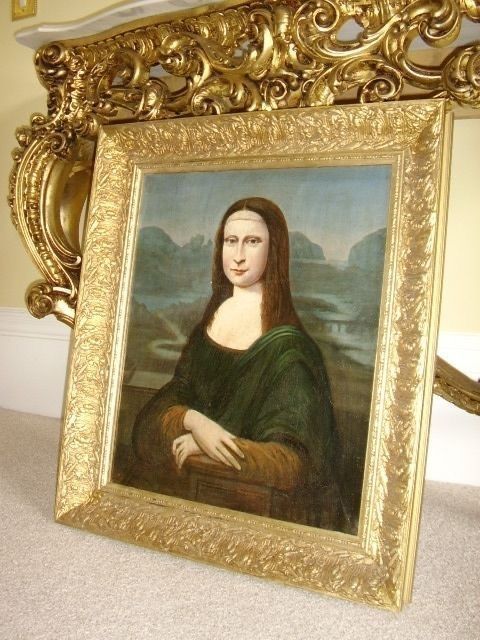
A work described as 'after' an artist is a later copy, often executed by a student or follower referencing an existing master painting.