


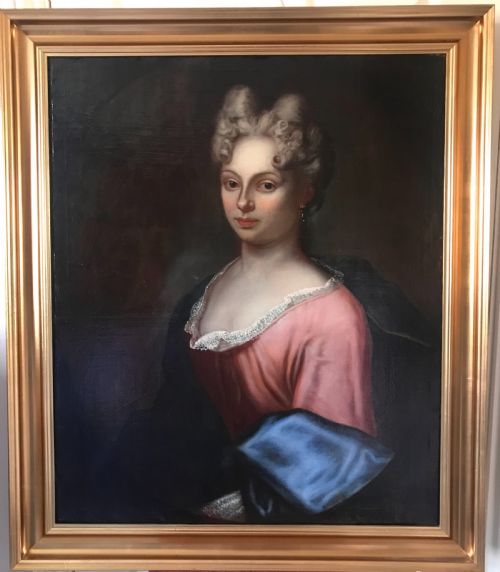


Aristocratic Lady Artwork
These aristocratic lady artwork pieces are oil paintings and watercolours depicting noble subjects, offering a direct window into historical status and portraiture traditions.
Aristocratic Lady Artwork
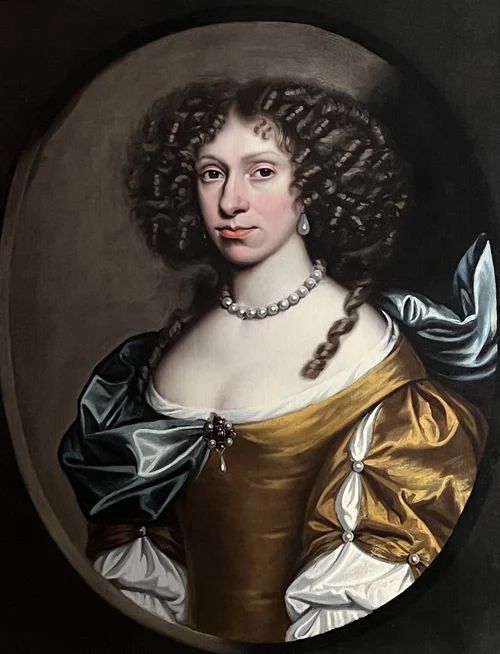
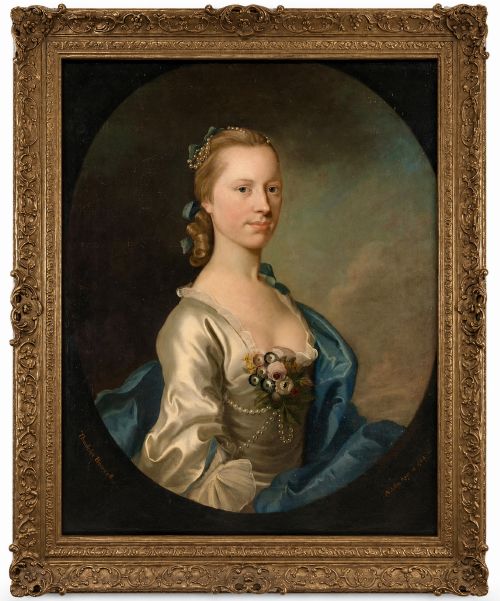
When you search for aristocratic lady artwork, you encounter historical portraits rendered in oil on canvas and pencil and watercolour, capturing noble subjects from the seventeenth century through to the Edwardian period. The versions most commonly met on this page are seventeenth-century and eighteenth-century oil paintings featuring sitters adorned in elaborate garments like red satin sleeves, green silk gowns, and ermine-trimmed cloaks.
The subjects range from named individuals such as Lady Sarah Cowper and Ellen Napier to works originating from the Norwegian School and the circle of prominent portraitists. These pieces primarily function as wall art, preserved within period frames of giltwood and gilded wood.
The material evidence demonstrates a strong representation of the Baroque, Dutch Golden Age, and Georgian styles, reflecting the aesthetic preferences of the European nobility. Buyers selecting these items acquire tangible historical records executed by notable hands and studios of their respective eras.
Materials and Technique
The primary technique recorded across these listings is oil painting on canvas, utilised by artists to build rich textures in garments like silk, satin, and velvet. Painters applied pigment to achieve the luminosity seen in pearls, gold-braided tassels, and ermine fur trim.
Supporting media include pencil and watercolour on paper, as seen in nineteenth-century works depicting historical figures. These paintings and works on paper are housed in period frames constructed from giltwood and gilded wood, completing the presentation.
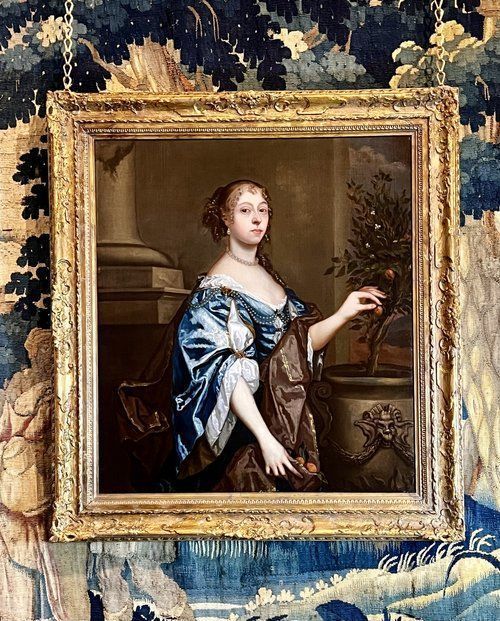
At least one aristocratic lady in the collection is immortalised while holding an orange, demonstrating that citrus was the ultimate seventeenth-century flex.
Evaluating Quality
Quality in these portraits rests upon the fidelity of the depiction and the authority of the attribution, ranging from works by the master's own hand to studio pieces and circle productions. The handling of textiles, flesh tones, and facial expression distinguishes superior compositions from more formulaic workshop output.
The survival and condition of the original canvas and the corresponding giltwood frame significantly influence the standing of a piece. Works retaining their early or period frames alongside well-preserved paint layers represent the higher echelon of this category.
David Scougall·Pieter Borsseler·Sir Peter Lely·Allan Ramsay·James Maubert·Robert Edward Morrison·Pieter Nason·George Perfect Harding·Richard Buckner·Sir Godfrey Kneller·Thomas Murray·Philip Mercier·Michael Dahl
The Aristocratic Lady Artwork Glossary
- Oil on Canvas
- A traditional painting medium where pigments are suspended in a drying oil, applied to a stretched canvas support. This technique allows for deep colour saturation and subtle blending.
- Giltwood
- Timber, typically carved wood, that has been coated with a thin layer of gold leaf or gold paint. It frequently frames Baroque and Georgian portraiture.
- Circle of
- A term used in art history to describe an artist working closely alongside a master, absorbing their style and methods without necessarily being a direct pupil.
- Baroque
- An artistic style prevalent from the seventeenth century onwards, characterised by dramatic movement, rich detail, and deep colour. Portraits from this period often feature theatrical drapery and intense lighting.
- Ermine
- The white winter fur of the stoat, traditionally used as a trim for the robes of royalty and high nobility. Its presence in a portrait immediately denotes the sitter's elevated social rank.
Aristocratic Lady Artwork: Frequently Asked Questions
How do I identify a seventeenth century portrait?
Seventeenth-century portraits typically feature distinct sartorial markers such as lace collars, slashed sleeves, and rich fabrics like satin and velvet rendered in the Baroque style. Artists of this era often employed darker, moody backgrounds to highlight the illumination on the sitter's face and garments.
Examining the canvas preparation and the style of the accompanying giltwood frame also provides useful contextual clues for dating these artworks accurately.
What is the difference between studio of and circle of?
Works attributed to the circle of an artist are created by contemporaries who were influenced by the master's style and worked in a similar environment. Pieces from a studio indicate production under the direct supervision of the master, often involving assistants executing secondary elements of the painting.
Both designations represent authentic period output closely aligned with major artistic figures, though direct attributions carry distinct art historical weight.
How should I care for an oil on canvas painting?
Oil paintings require stable environmental conditions away from direct sunlight, excessive heat, and sudden humidity fluctuations to prevent canvas slackening and paint cracking. Dusting should be undertaken gently with a soft, dry brush, avoiding any moisture or chemical cleaning agents on the paint surface.
Period giltwood frames also require careful dry dusting to preserve the integrity of the gilded surface over time.
What subjects appear in these aristocratic artworks?
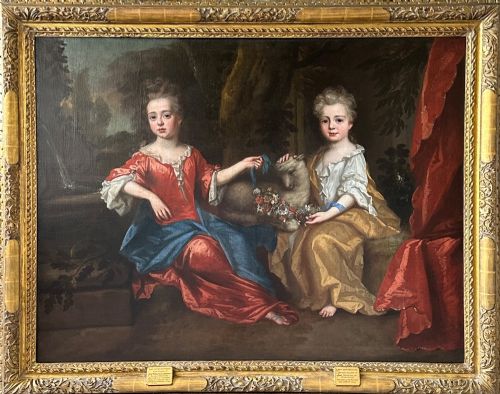
The subjects are predominantly noble individuals, including countesses, daughters of marquesses, and members of landed families portrayed in formal attire. These sitters are frequently shown with symbolic items such as pearls, oranges, or accompanied by children and pets to convey status and lineage.
Such portraits served as statements of familial power and prestige within grand houses.