


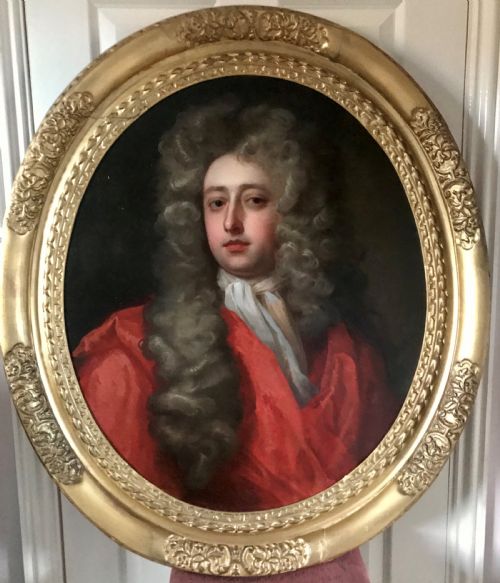

Queen Anne Portrait Painting
A queen anne portrait painting captures the austere dignity and rich drapery of the early eighteenth century, offering an immediate window into the aristocracy of the period.
Queen Anne Portrait Painting
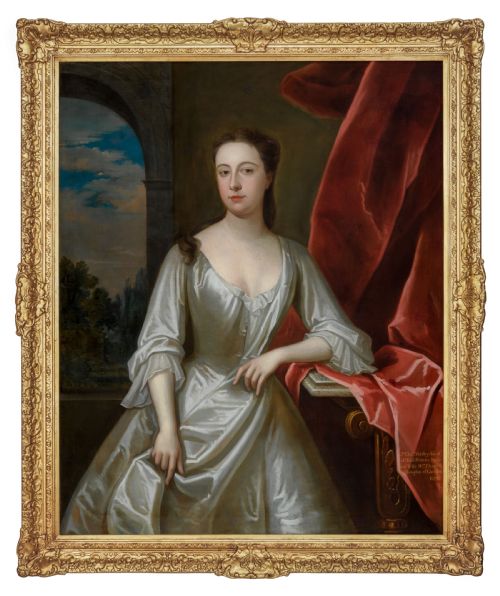
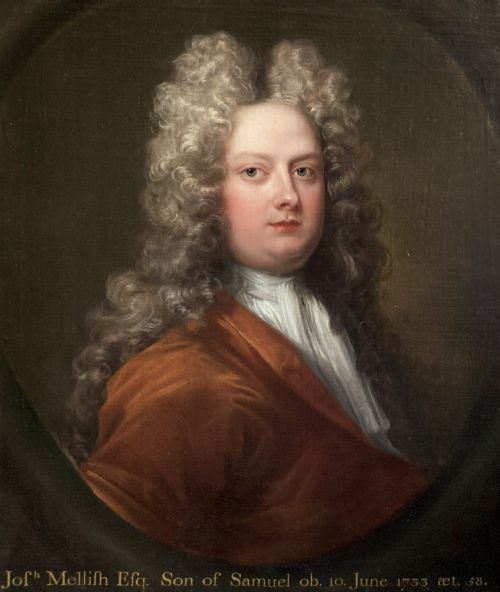
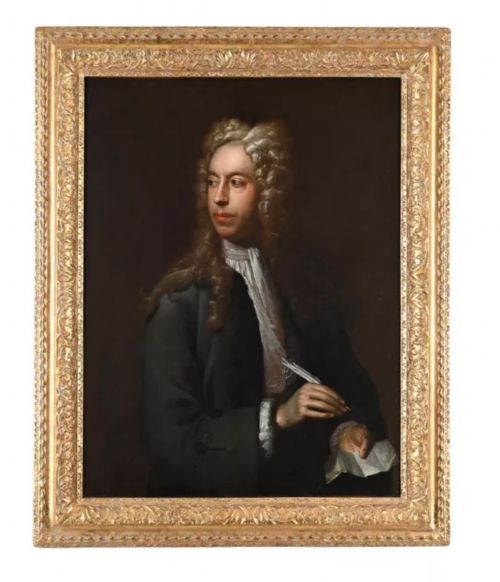
A queen anne portrait painting typically depicts sitters from the late seventeenth and early eighteenth centuries, rendered in oil on canvas or through reverse glass print techniques. These works range from large oil paintings of gentlemen in periwigs and ladies in formal gowns to smaller framed likenesses and commemorative royal subjects.
The prevailing aesthetic encompasses the British Baroque and Georgian styles, reflecting the formal posture and rich attire characteristic of the era. Buyers most frequently encounter canvases depicting named sitters or members of landed families, often housed in period giltwood frames.
Beyond standard canvas works, the category occasionally extends to related decorative objects such as Georgian style wall mirrors that share the same material palette of wood and gold leaf. The core of any collection, however, remains the oil on canvas portrait executed by court painters and their circles.
Materials and execution
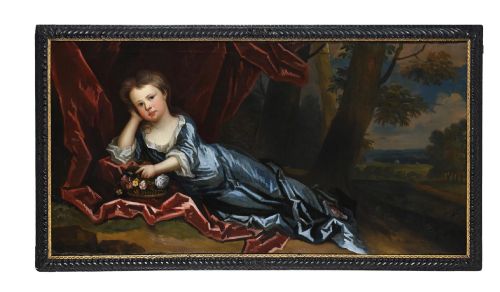
The construction of a queen anne portrait painting relies upon traditional artist canvas stretched over wooden frames, upon which layers of oil paint are applied to build depth in drapery and flesh tones. Artists utilised finely ground pigments to capture the characteristic sheen of velvet, silk, and blue cloaks worn by the sitters.
Many of these works are housed in their original or period frames constructed from wood and gilded with gold leaf, often featuring elaborate gesso ornamentation. Alternative techniques within the category include reverse glass painting, where imagery is painstakingly applied directly to the rear of a glass plate.
Frames rendered in giltwood and gold leaf frequently accompany these paintings, reflecting Baroque and early Georgian aesthetic preferences.
Distinctions in execution and preservation
Quality in a queen anne portrait painting is dictated by the surety of the brushwork and the prominence of the artist or circle responsible for the hand. Works attributed directly to accomplished portraitists display superior anatomical rendering and subtlety in facial expression compared to anonymous studio copies.
The condition of the canvas and the survival of the original giltwood frame heavily influence the standing of a piece. Retaining untouched original paint surfaces without heavy later restoration elevates an artwork within this historical period.
Sir Godfrey Kneller·Charles Jervas·Thomas Murray·Charles D'Agar·Michael Dahl·Robert Byng·Paul van Somer
The Queen Anne Portrait Painting Glossary
- Baroque
- An ornate artistic style dominant during the seventeenth and early eighteenth centuries, characterised by drama, rich colour, and grand scale. It informs the theatrical drapery and imposing presence seen in many portraits of the era.
- Oil on Canvas
- A traditional painting medium consisting of pigments suspended in a drying oil, applied to a woven fabric support. This technique allowed portraitists to achieve subtle gradations of light and shadow.
- Giltwood
- Wood that has been coated with a thin layer of gold leaf or gold paint, frequently used for picture frames and mirrors during the Georgian period. It provides a luminous border that complements the dark tones of oil paintings.
- Reverse Glass Print
- An image applied to the back of a glass panel to be viewed from the front, producing a glossy surface and distinct visual depth. This technique was occasionally utilised for royal and popular portraiture.
- Periwig
- A voluminous artificial hairstyle worn by men of high status from the mid-seventeenth to the mid-eighteenth century. Its presence in a portrait serves as a key indicator of period fashion and social rank.
Queen Anne Portrait Painting: Frequently Asked Questions
How do I identify a true period frame?
Period frames associated with a queen anne portrait painting are typically constructed from dense timber with hand-carved gesso ornamentation beneath the gold leaf. Closer inspection reveals the shrinkage cracks and minor losses expected in genuine antique wooden surfaces.
Later replacement frames often display uniform modern composition and lack the subtle undulating surfaces created by eighteenth-century carvers. Examining the reverse of the frame often reveals age-darkened wood and traditional joinery methods.
What is a reverse glass print?
A reverse glass print involves applying pigment or a transferred image directly onto the rear side of a glass sheet. When viewed from the front, the glass acts as a protective glaze while imparting a brilliant gloss to the portrait.
This technique required considerable skill because the artist had to work in reverse, painting foreground details before background elements. Surviving examples offer a unique visual texture quite distinct from standard canvas works.
How should I hang an oil painting?
Oil paintings on canvas require stable environmental conditions away from direct sunlight and strong heat sources. Maintaining moderate humidity prevents the canvas from slackening and protects the wooden stretcher from warping.
Secure wall fixings rated well above the weight of the piece are essential, particularly for heavy works in giltwood frames. Professional hanging ensures the artwork remains level and safe from accidental knocks in a room.