


British Portraiture Fine Art
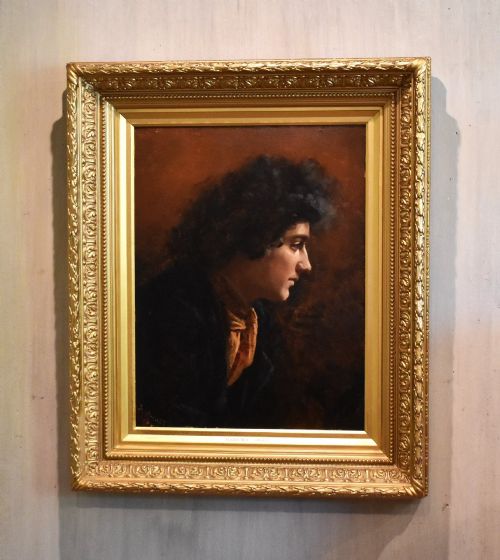
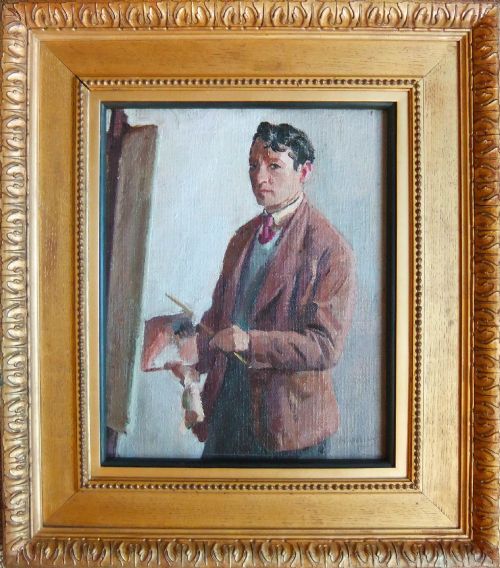
British portraiture fine art preserves the likenesses of past centuries through oil paintings on canvas and panel, offering a direct window into history.
British Portraiture Fine Art
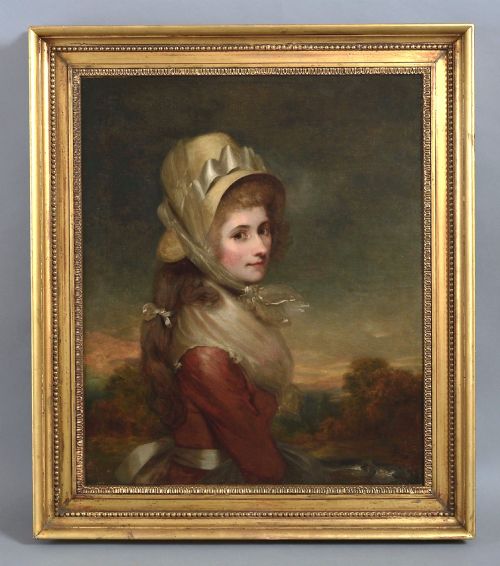
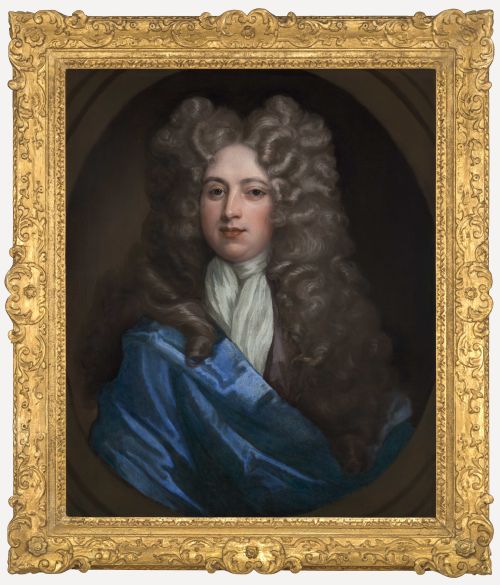
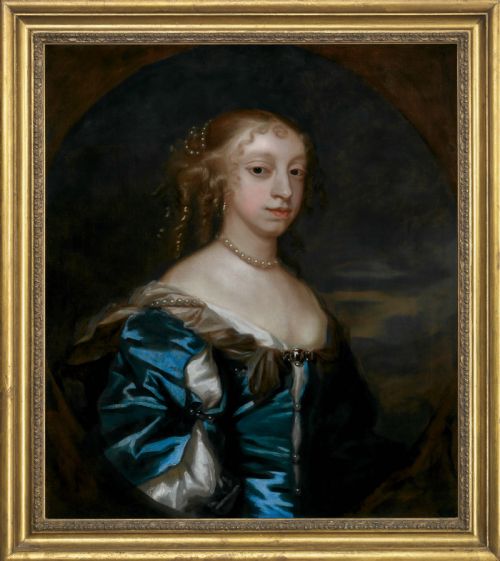
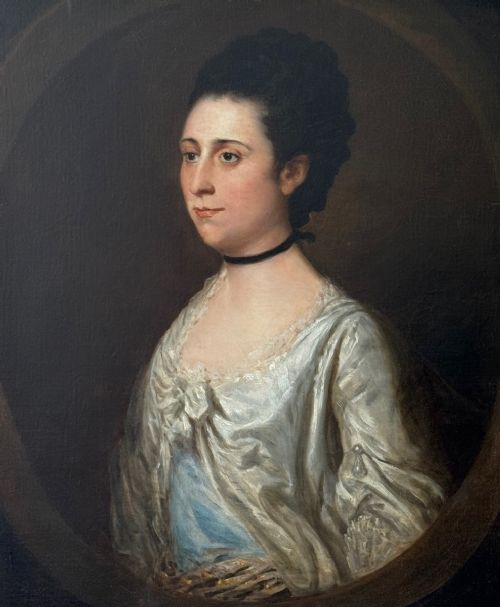
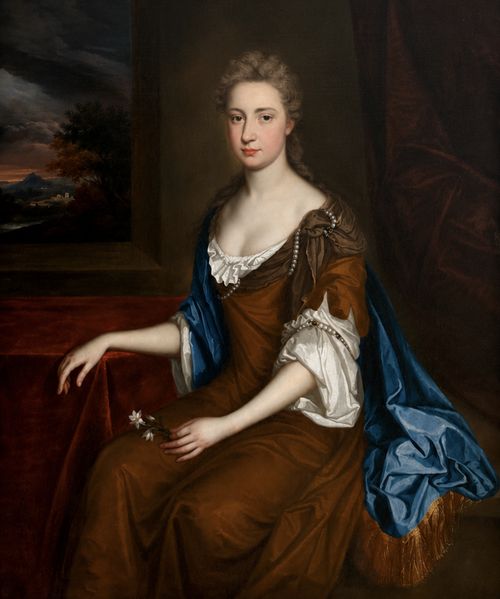
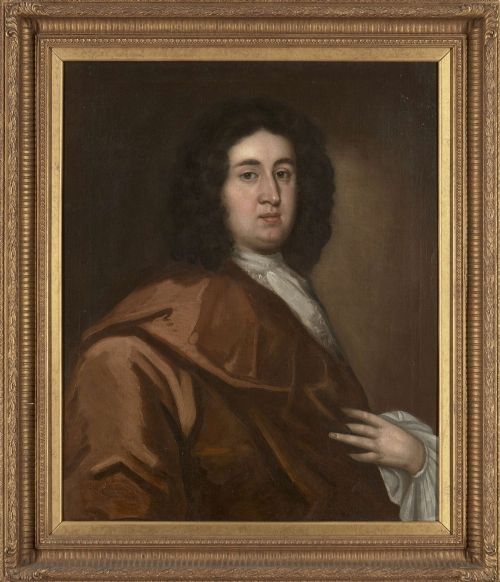
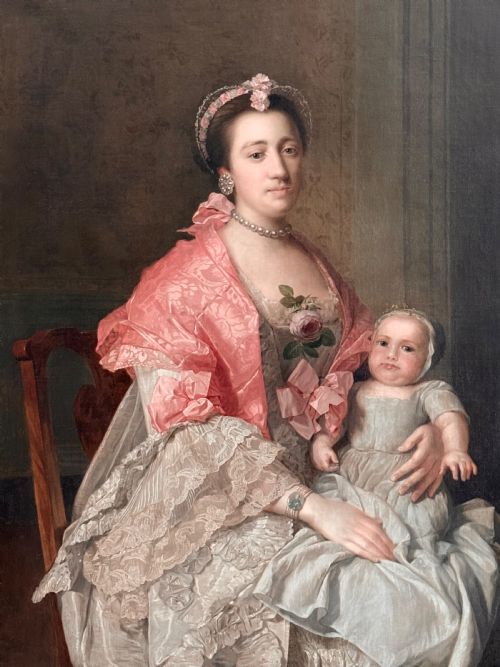
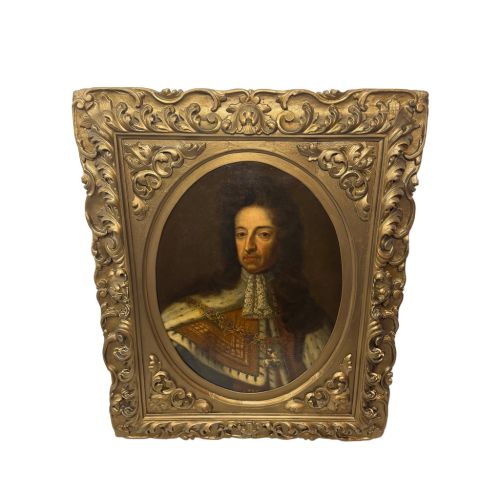
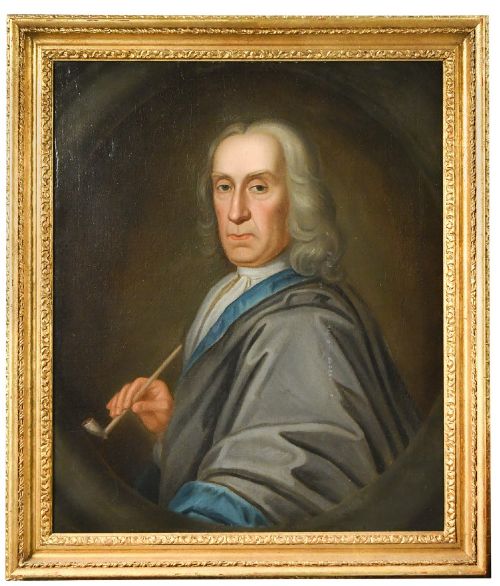
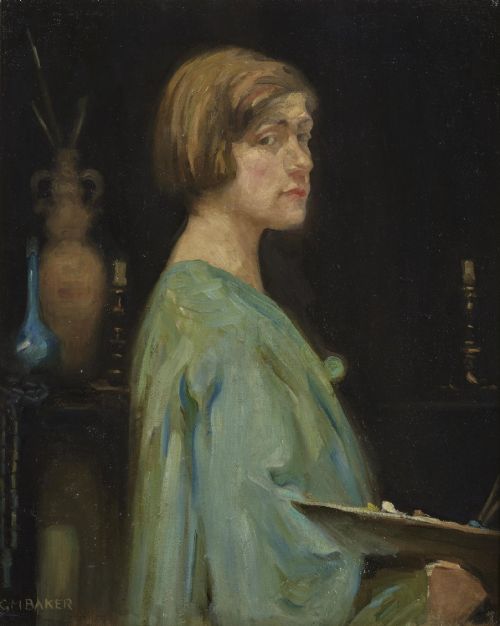
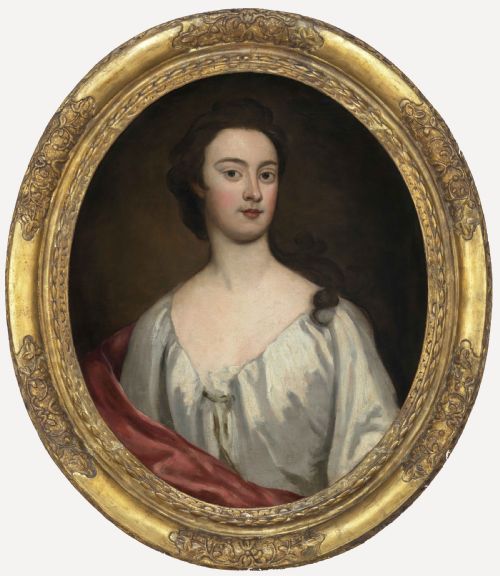
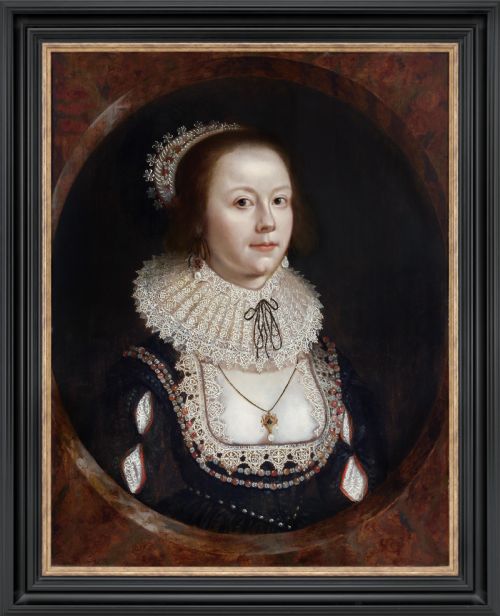
British portraiture fine art encompasses oil paintings and portrait drawings spanning from the seventeenth century through to the mid-twentieth century. Collectors encounter depictions of nobility, clergymen, political figures, and children, often rendered by named artists or skilled schools.
The seventeenth-century examples frequently feature sitters in elaborate attire with periwigs or lace collars, while eighteenth and nineteenth-century works display the shifts towards Georgian and Victorian portraiture styles. These artworks record personal identity and social standing across changing historical eras.
Materials and construction
The works rely primarily on oil paint applied to woven canvas or occasionally wooden panels, capturing fine details in fabric, lace, and facial expression. Many surviving examples retain their period frames, constructed from carved wood and finished with gilt.
Artists utilised traditional layering techniques with oil media to build depth in clothing and skin tones, sometimes finishing the works with protective varnish coats that have darkened gracefully over time.
Listings feature works created across the seventeenth, eighteenth, nineteenth, and twentieth centuries, utilising oil on canvas and wood panel.
Quality and execution
Quality in these works rests upon the anatomical precision of the sitter, the skillful handling of light on fabrics like silk and velvet, and the expressive depth captured in the face. Finer pieces demonstrate superior brushwork in complex details such as lace collars, hair textures, and hands.
The provenance and attribution to known artists or established studios elevate a piece, alongside the original condition of the painted surface and the authenticity of the accompanying period frame.
Sir Martin Archer Shee·Thomas Murray·John Closterman·Sir Allan Ramsay·Jeremiah Davison·Cornelius Johnson·Florence Small·Philip Naviasky·Frank Moss Bennett·Sir Peter Lely·John Partridge·Thomas Gibson·George Richmond·Samuel Drummond·John Raphael Smith
The British Portraiture Fine Art Glossary
- Oil on canvas
- A painting medium where pigments suspended in drying oils are applied to stretched fabric support. This method allowed artists to achieve rich colour depth and subtle gradations in portraiture.
- Giltwood
- Wood carved and coated with a thin layer of gold leaf or gold paint. Frames utilising this finish were designed to complement the status of the portrait within domestic interiors.
- School
- A grouping of artists working in a similar style, region, or period, often associated with a master painter. This term appears when direct attribution to a single hand remains uncertain.
- Panel
- A flat wooden board prepared as a painting surface before the widespread adoption of canvas. Early portraits frequently utilised this rigid support.
British Portraiture Fine Art: Frequently Asked Questions
How do I identify the period of a portrait?
Examine the sitter's costume, hairstyle, and collar design, as these elements shifted markedly between the seventeenth and nineteenth centuries. Portraits often bear inscriptions, signatures, or dates that help narrow down the exact decade of creation.
Compare the framing materials and stretcher construction with known historical examples. Period frames can provide valuable clues regarding when the artwork was mounted or displayed.
What is the difference between an artist and a circle?
Attribution to a specific artist indicates the piece is considered the direct work of that master. Works attributed to the circle of an artist suggest production by a contemporary working closely within that master's immediate sphere.
These distinctions help historians and collectors understand the training background and stylistic influences behind unsigned or lesser-documented historical paintings.
How should I care for an oil portrait?
Keep oil paintings away from direct sunlight and sources of extreme heat to prevent the canvas from sagging and the paint from cracking. Maintain stable room temperatures and moderate humidity levels in the display space.
Dust the surface and frame gently with a soft, dry brush without applying pressure. Avoid using chemical cleaners or water on the painted canvas.
Where were these portraits displayed originally?
Historical portraits hung primarily in the reception rooms, libraries, and galleries of country houses and town residences. They served to display family lineage, social status, and political allegiance to visiting guests.
Later periods saw portraits moving into institutional settings, public offices, and smaller domestic spaces as collecting habits broadened among the public.