



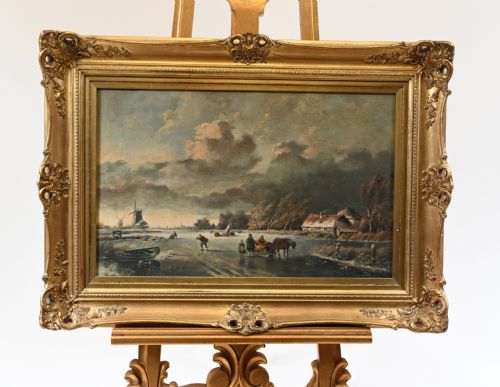
Gilded Wood Framed Picture
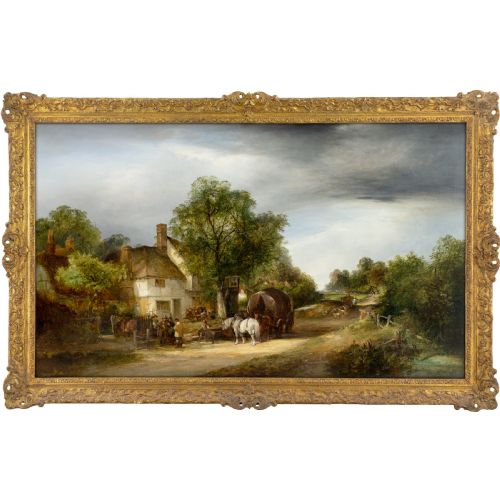
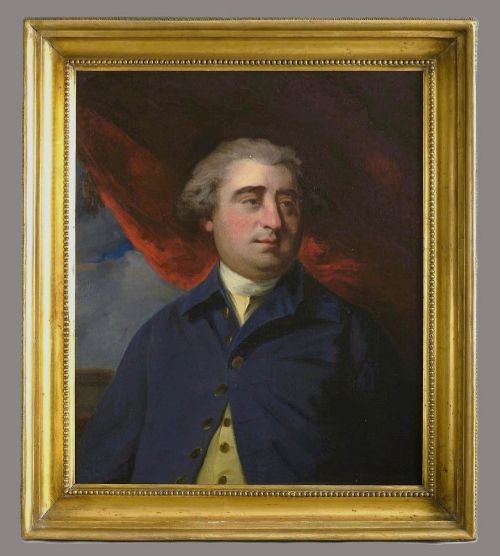
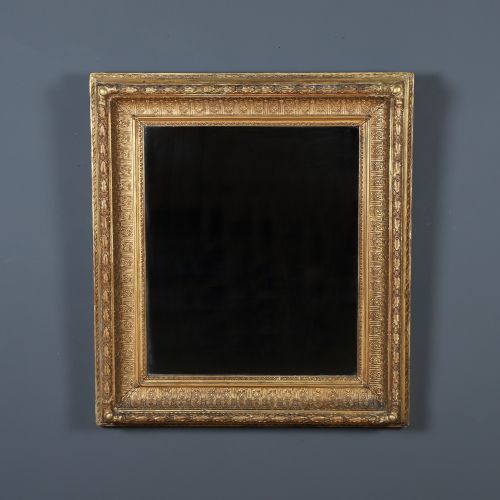
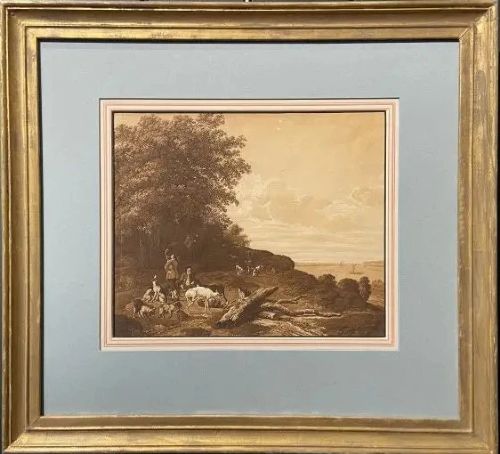
A gilded wood framed picture combines carved wooden form and reflective metal leaf to hold oil paintings, portraits, and mirrors across several centuries.
Gilded Wood Framed Picture
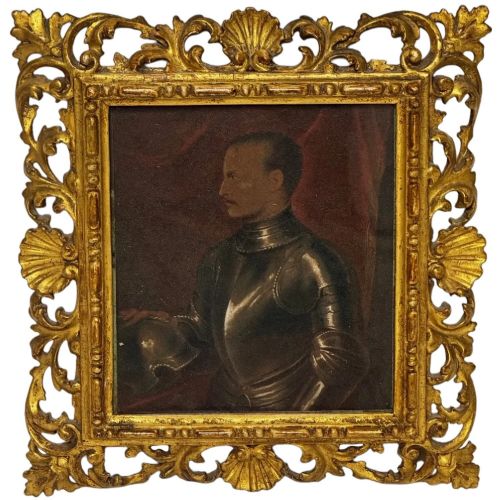
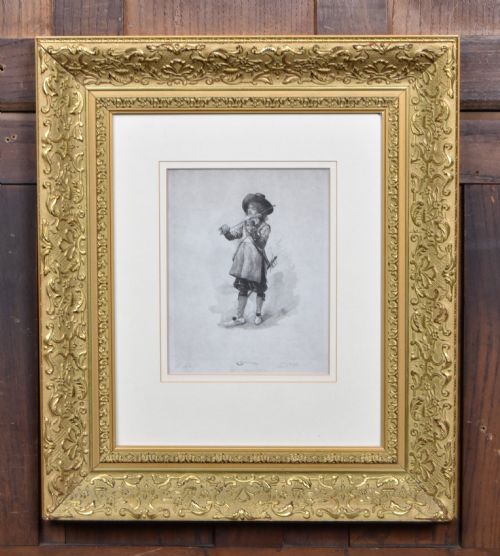
A gilded wood framed picture encompasses framed artworks, oil paintings, prints, and wall mirrors enclosed in ornate wooden borders. These pieces range from seventeenth-century portraits to Victorian landscapes and twentieth-century watercolours.
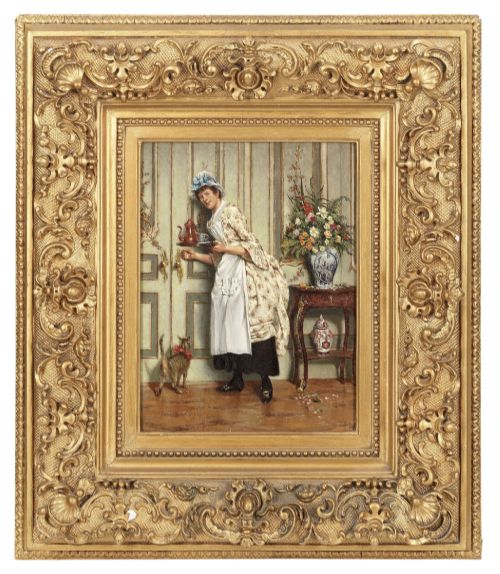
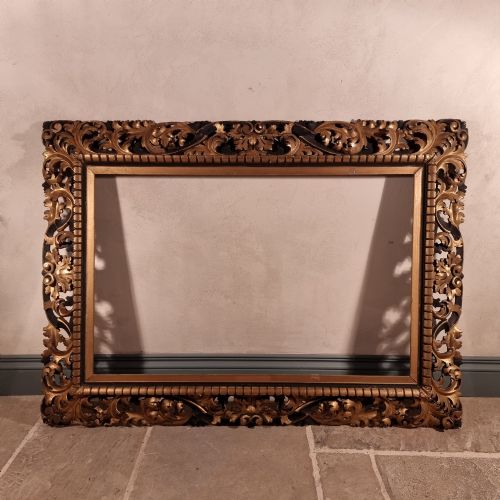
The most common examples on this page date from the nineteenth century, often displaying deep gesso mouldings, acanthus leaf decoration, or swept profiles. They house subjects as varied as Dutch landscapes, religious oleographs, and Italian portraiture.
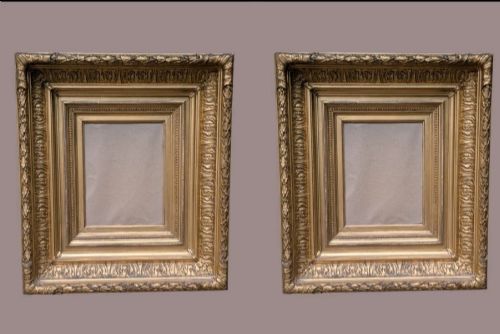
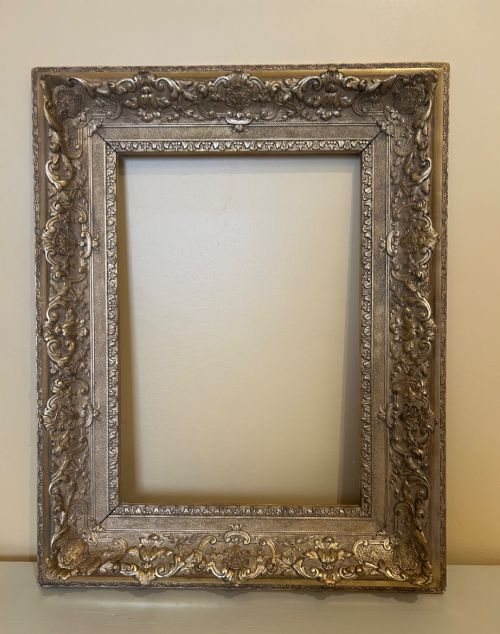
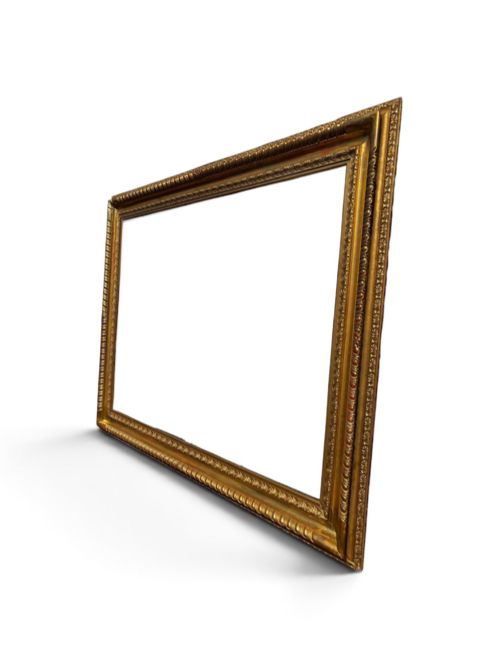
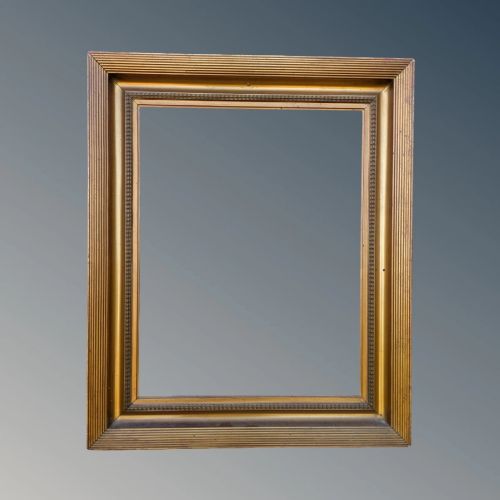
Originating across Britain and continental Europe, these items span styles from Regency and Rococo Revival to Italian Renaissance Revival and Art Nouveau. Buyers encounter both empty frames ready for new glass or canvas and complete works preserved together.
How they were made
Makers constructed the structural frames primarily from timber, often applying layers of gesso to build up high-relief ornamentation before gilding. Artisans laid gold leaf or giltwood over the prepared surfaces to achieve a luminous metallic finish.
Artworks within these frames utilise oil paint, watercolour, pastel, or ink on canvas, wood panels, paper, or glass. Reverse glass painting and engraving techniques also appear alongside traditional canvas supports.
The listings on this site span five centuries, stretching from the seventeenth century through the Georgian, Regency, and Victorian eras into the twentieth century.
What varies in quality
The depth and intricacy of the gesso moulding separate standard framing from exceptional craftsmanship. Deep frames with hand-carved acanthus details or complex swept contours demonstrate superior artistry compared to flat or shallow mouldings.
The relationship between the artwork and its housing influences overall merit, particularly when the original period frame remains paired with its matching canvas, oil painting, or mirror glass.
W Klombeck·Stephen Samuel Lewin·Sir Joshua Reynolds·Gian Paolo Pace·Jonny Gaston·Samuel Dixon·Johannes Lingelbach·T Bergman·J De Ninville·Alfred George Morgan·Fred Waugh·Gustave Dore·Adolphe Pannemaker
The Gilded Wood Framed Picture Glossary
- Gesso
- A plaster mixture applied to wood frames to create a smooth surface for gilding. It allows artisans to carve intricate relief details before applying gold leaf.
- Giltwood
- Timber that has been coated with gold leaf or a gold-coloured finish. This material forms the primary structure of many decorative antique frames and mirrors.
- Oleograph
- A mechanical colour print designed to imitate an oil painting, popular during the nineteenth century. These reproductions are frequently found mounted inside period gilt frames.
- Eglomise
- A technique involving the application of gold or silver leaf to the reverse side of glass. It produces a reflective, mirror-like finish often utilised in decorative panels and prints.
- Basso-rilievo
- A sculptural technique where figures or motifs project only slightly from the background plane. This low-relief carving style appears on decorative picture panels.
Gilded Wood Framed Picture: Frequently Asked Questions
How do I date a gilt frame?
Examine the timber construction behind the moulding and the composition of the gesso layer. Earlier nineteenth-century examples often feature deeper profiles and heavier hand-carved ornamentation than later Victorian pieces.
Check for tool marks and the type of gold leaf applied to the surface. Stylistic indicators like acanthus leaf motifs or Rococo Revival curves also help narrow down the decade of manufacture.
Are the paintings original to the frames?
Many listings maintain the original pairing of artwork and frame, especially when dealing with nineteenth-century portraits and landscapes. However, frames and pictures were frequently swapped over the centuries by owners and dealers.
Look at the fit within the rebate and signs of past stretcher adjustments to determine if they belong together. Original combinations generally display uniform wear across both the artwork and the surrounding gilding.
How should I clean gilded wood?
Dust the surface gently using a very soft, dry brush to remove accumulated particles without disturbing the delicate gold leaf. Avoid liquid cleaners, abrasive cloths, or chemical solvents entirely.
Water and commercial polish can strip the fragile gesso and gilding beneath. Consult a professional conservator if the frame requires deeper cleaning or stabilization.