
Gilded Wall Panel
When you handle a gilded wall panel, you hold a piece of architectural theatre designed to catch daylight and candle flame.
Gilded Wall Panel
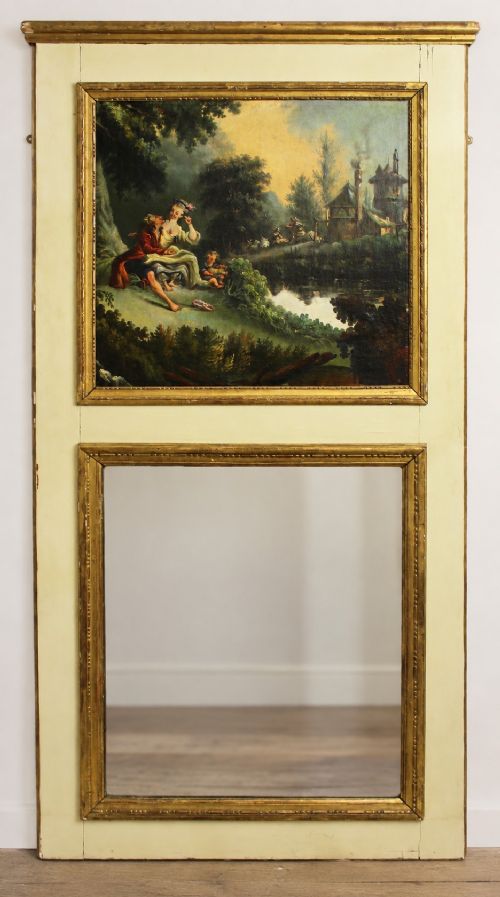
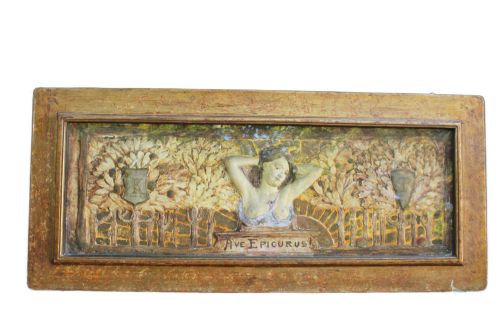
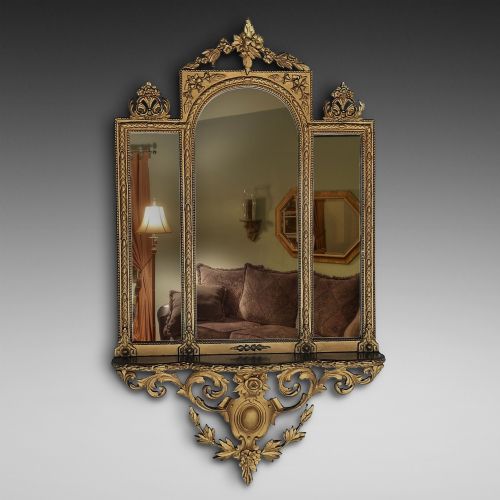
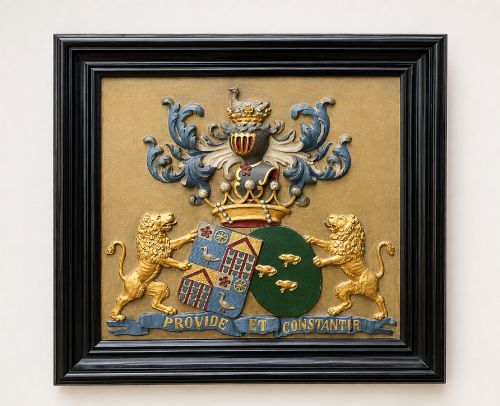
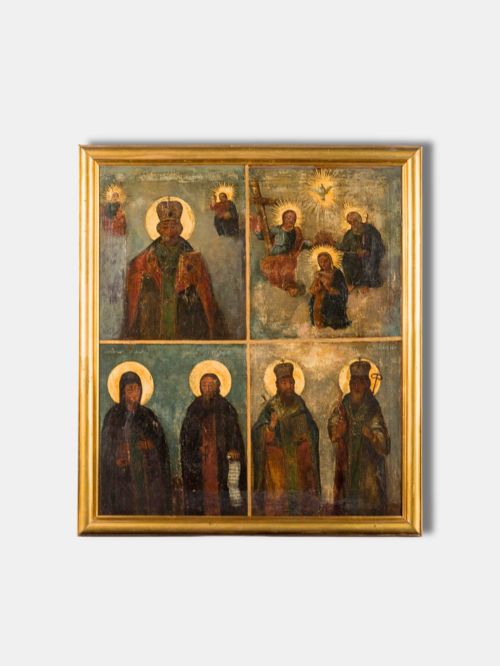
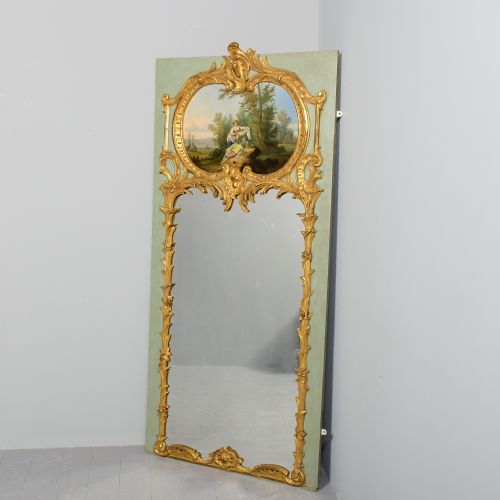
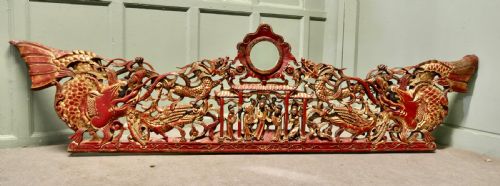
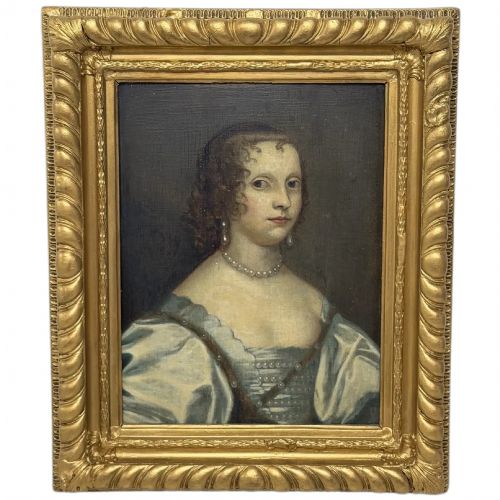
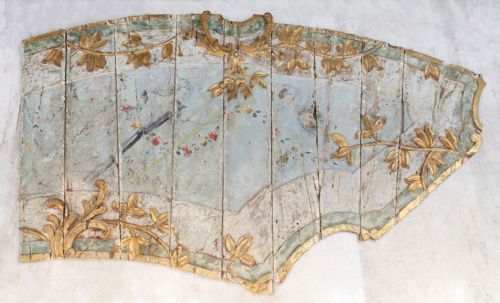
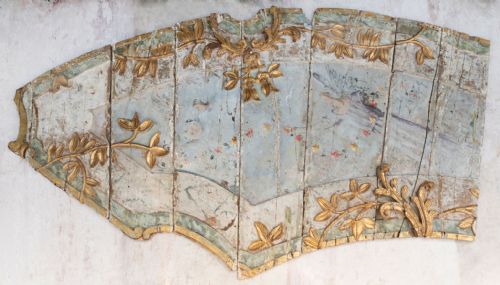
When you search for a gilded wall panel, you encounter an array of decorative architectural elements and framed surfaces designed to adorn walls. The selection spans distinct forms such as French trumeau mirrors with integrated pastoral oil paintings, carved wooden temple panels from Asia, and European heraldic marriage plaques.
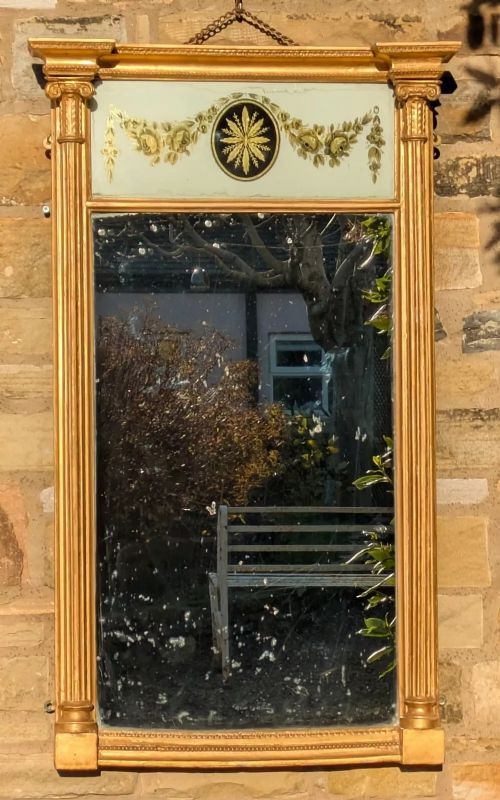
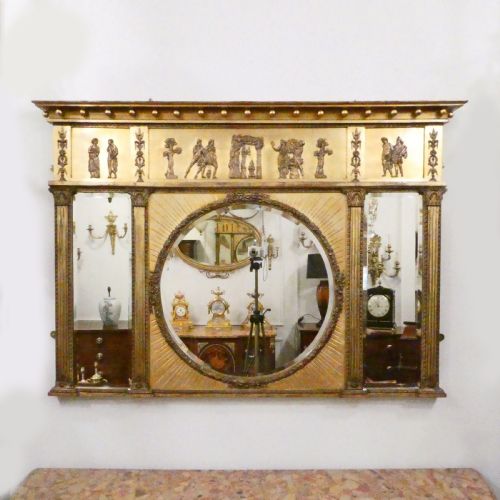
You are most likely to meet 19th-century interpretations, including Regency pier glasses featuring verre églomisé panels and Victorian gilt-framed overmantel mirrors. These objects function simultaneously as mirrors, paintings, and sculptural reliefs, bringing a layer of historic ornamentation to an interior scheme.
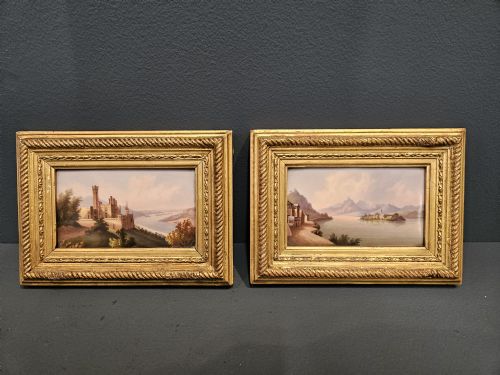
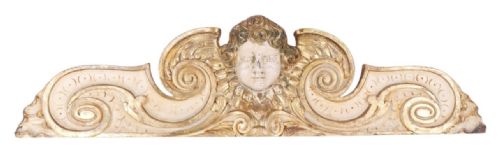
The materials reflect a tradition of surface decoration, combining carved wood and gesso with gold leaf and mirror glass. Whether the piece takes the form of an Italian panel, a Dutch carving, or an overdoor featuring a carved cherub, each item demonstrates the historic application of metallic leaf to timber.
How they were made
The construction of these pieces relies heavily on timber substrates, including oak, mahogany, and softer woods, which receive carved details directly into the material or through applied gesso reliefs. Artisans then laid fine sheets of gold leaf over a prepared bole layer, burnishing the metal to achieve a bright, reflective finish.
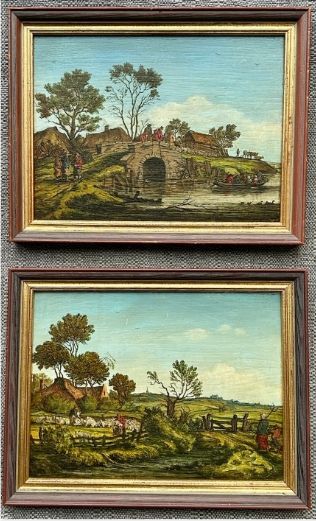
Many examples incorporate glass, utilising mirror plates, verre églomisé with reverse-painted glass details, or oil paintings executed on wood panels and canvas. These varied media operate in tandem within frames of giltwood or painted timber to create integrated wall decorations.
Listings feature periods spanning the Regency era, the Victorian period, and the 19th century, utilising materials like giltwood, gesso, and oil paint.
What varies in quality
The distinction between tiers rests upon the depth and crispness of the carved woodwork and the finesse of the gilding application. Superior examples display sharply defined ornament, such as intricate foliage, human figures, or heraldic details, rather than soft, mass-produced composition ornament.
Quality also manifests in the integration of secondary elements, such as the handling of the painted panels within trumeau mirrors or the clarity of the antique mirror glass. Cohesion between the carved frame and its painted or mirrored inserts marks the standard of the workshop that produced it.
W Klombeck·Van Rijckevorsel and Verheijen·Icilio Federico Joni
The Gilded Wall Panel Glossary
- Giltwood
- Timber that has been decorated with gold leaf applied over a prepared ground of gesso and bole. This technique provides the characteristic warm metallic lustre seen on historic frames and architectural elements.
- Trumeau
- A decorative wall panel or mirror, frequently French in origin, combining a carved wooden frame with an upper oil painting or decorative insert. They historically filled the space between windows.
- Verre églomisé
- A process of cold painting and gilding on the reverse side of glass to produce a brilliant, mirrored image with metallic designs. This technique frequently appears in Regency pier glasses.
- Gesso
- A plaster mixture consisting of a binder mixed with chalk, gypsum, or pigment, applied to wood as a base for gilding. It allows craftsmen to carve intricate relief details before laying gold leaf.
- Pier glass
- A tall mirror designed to be hung on the pier, the narrow section of wall between two windows. These pieces often feature matching console tables or elaborate giltwood frames.
Gilded Wall Panel: Frequently Asked Questions
Where were gilded wall panels hung?
These decorative panels and mirrors were historically placed between windows on narrow wall piers or mounted above mantelpieces to reflect natural light. Their design allowed them to serve as focal points within formal reception rooms and parlours.
In contemporary spaces, they function similarly by drawing light into darker corners and adding architectural depth to plain walls without requiring extensive structural changes.
How do I clean a gilded surface?
Giltwood and gold leaf require extremely gentle maintenance to avoid wearing away the delicate metallic surface. Dusting should be done lightly with a soft, dry brush rather than a cloth that might catch on carved elements.
Moisture and modern chemical cleaners must be avoided entirely, as they can permanently lift the gold leaf and the underlying gesso preparation from the wooden substrate.
How do I identify Regency style?
Regency pieces often display classical restraint, incorporating architectural motifs derived from ancient Greece and Rome such as columns, gilding, and clean rectangular proportions. The focus rests on balanced symmetry and refined structural lines.
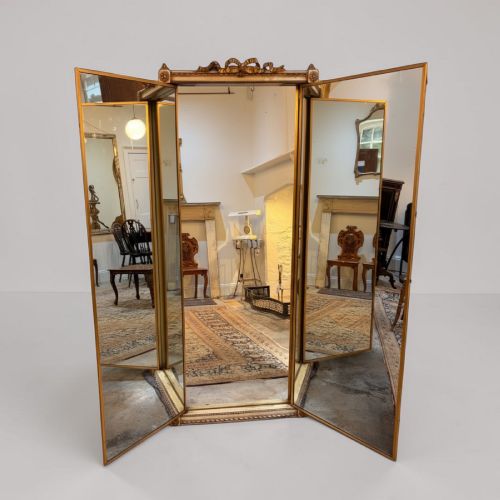
In mirrors and panels from this period, you frequently find verre églomisé panels and convex or triptych glass configurations that distinguish them from later Victorian excesses.