
Gold Leaf Painting
Gold leaf painting brings together delicate metallic leaf and rich pigments across centuries of fine portraiture, religious icons, and decorative mirrors.
Gold Leaf Painting
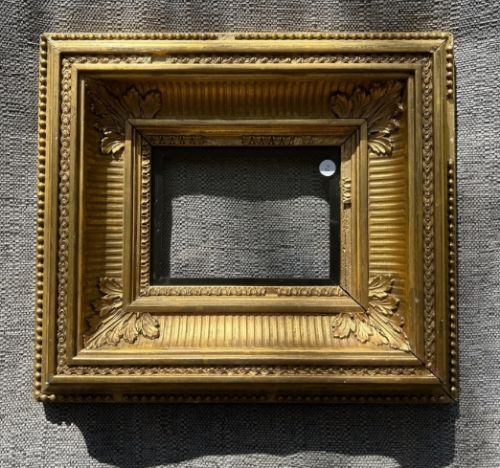
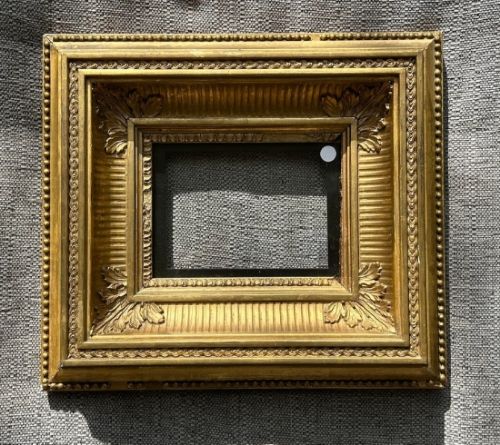
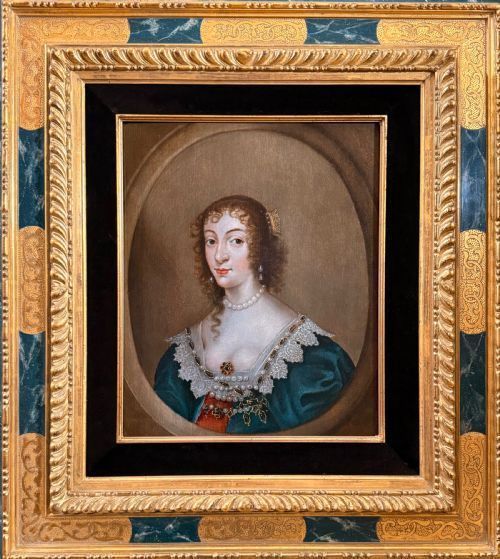
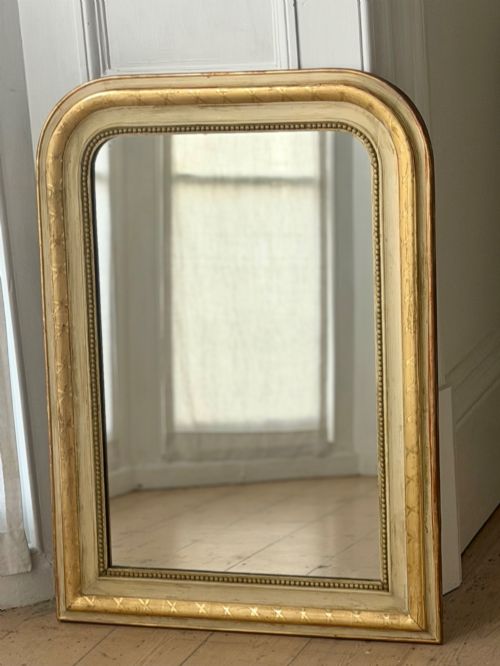
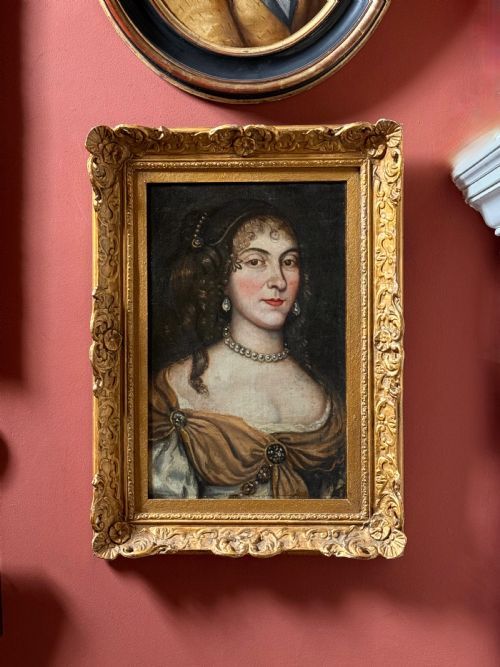
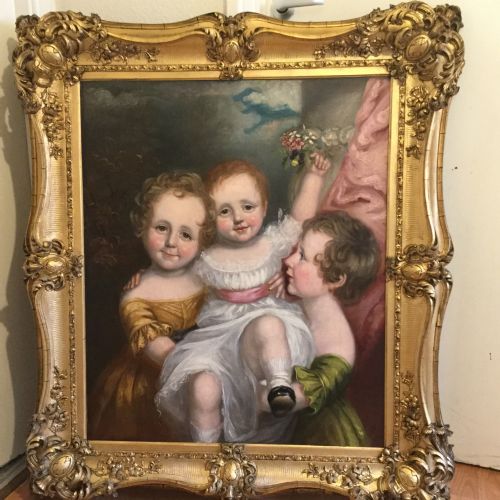
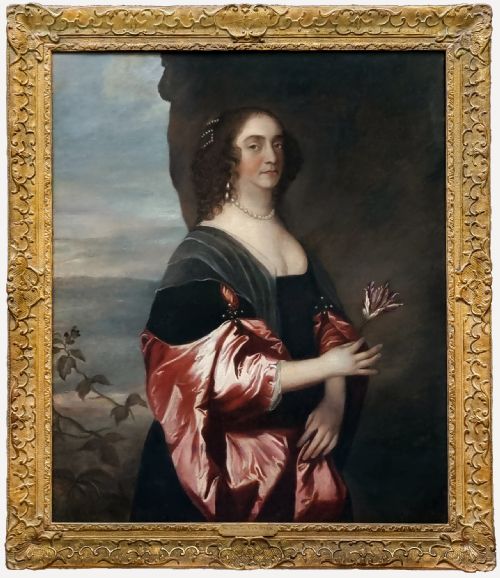
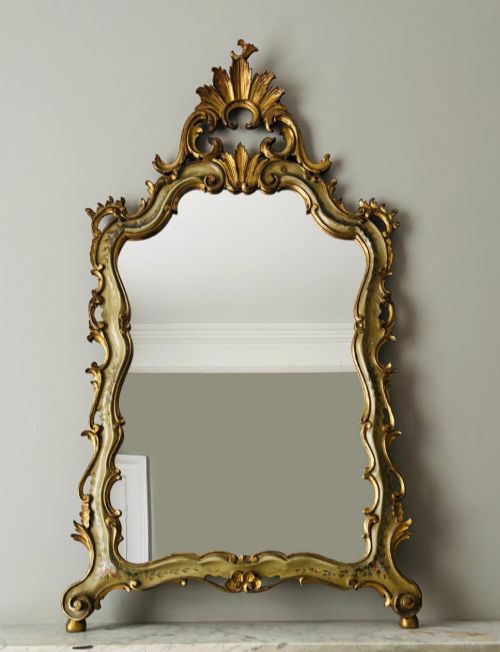
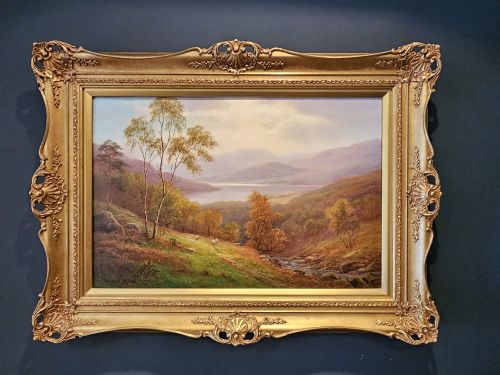
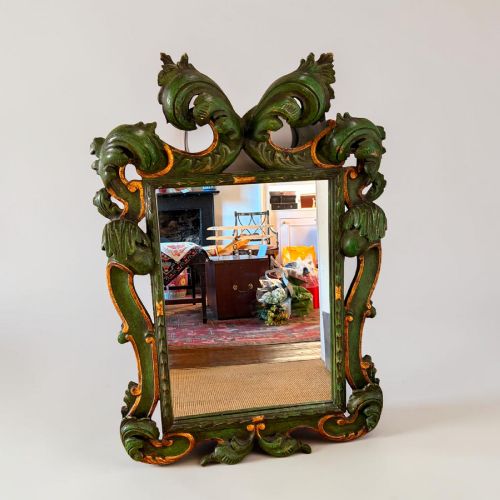
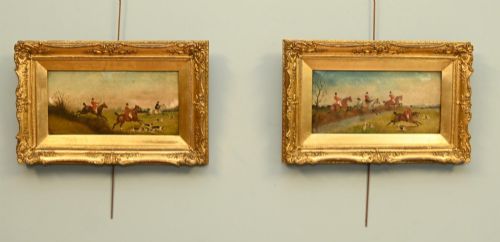
When searching for gold leaf painting, collectors encounter a diverse group of objects spanning the seventeenth to the twentieth centuries. The selection encompasses framed oil paintings on canvas, religious icons on wood panels, and decorative wall mirrors framed in gilded wood.
Portraiture forms a significant portion of these works, alongside maritime scenes, genre paintings, and sacred art. Pieces originate from various European schools, as well as Russian workshops and Asian decorative traditions, often paired with elaborate giltwood frames.
Materials and technique
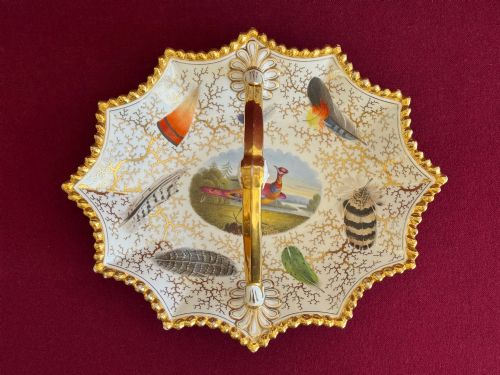
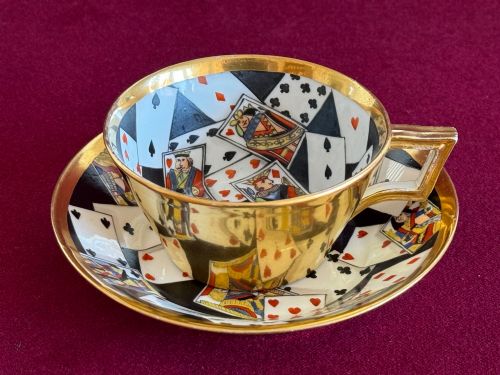
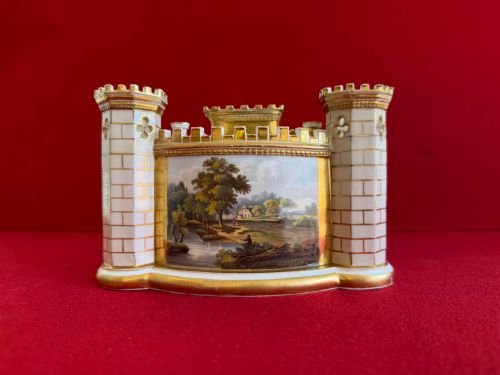
Artists and craftsmen applied beaten gold leaf directly onto prepared surfaces, including wood panels, canvas, and porcelain, often combining the metal with oil paint, tempera, or enamel. Giltwood frames and mirrors were constructed using timber substrates finished with layers of gesso and gold leaf.
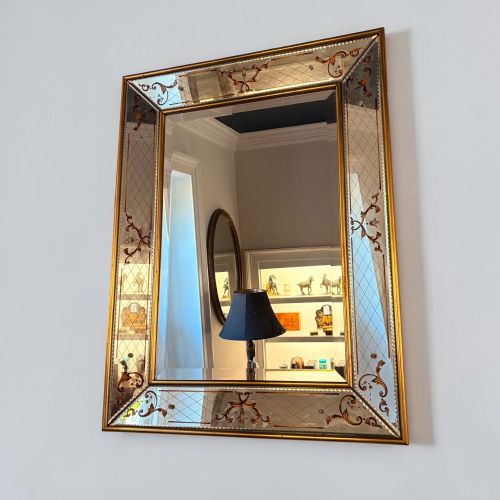
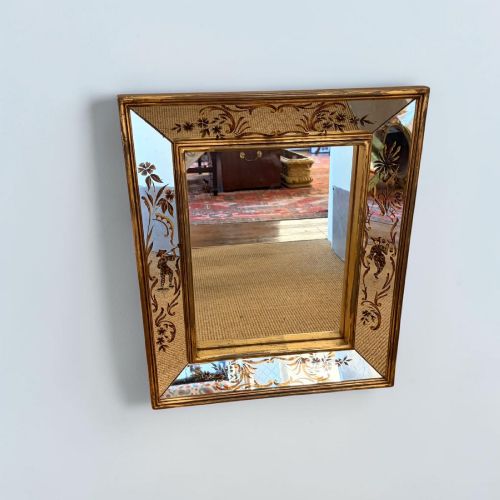
Specialised techniques such as verre églomise involved cold painting and gilding on glass panels, while religious icons utilised gold leaf embellishments on wood to create luminous backgrounds for sacred subjects.
Listings feature oil on canvas, giltwood, porcelain, and enamel across Georgian, Victorian, Regency, and Baroque styles.
Assessing quality and execution
The integrity of the physical support and the preservation of the original gold leaf and paint layers dictate the desirability of a piece. Hand-carved giltwood frames with original mercury glass or untouched canvas grounds represent the upper tier of survivals.
Jean-Baptiste Van Loo·Joseph Clover Ra·James Sharples·George Robertson·Jeremiah Davison·Flight Barr And Barr·Pieter Borsseler·Lemuel Francis Abbott·Sir Godfrey Kneller·Mark William Langlois·Bonaventura Peeters·Martin Theodore Ward·Howard Helmick·George Augustus Holmes
The Gold Leaf Painting Glossary
- Giltwood
- Wood that has been treated with gesso and covered with thin sheets of gold leaf. This material is frequently found on antique mirror frames and decorative mouldings.
- Verre églomise
- A cold-painting and gilding technique applied to the reverse of glass panels. It produces a reflective, ornamental surface often seen in Regency mirrors.
- Icon
- A devotional painting, typically executed in tempera and gold leaf on a wooden panel. These works follow traditional religious iconography, particularly within Russian and Eastern Orthodox contexts.
- Gesso
- A plaster-like preparation mixture used as a base for wood or canvas before gilding. It provides a smooth surface for the application of gold leaf.
- Oil on canvas
- Pigments bound in a drying oil medium applied to a stretched canvas support. This combination dominates the painted works found in historical collections.
Gold Leaf Painting: Frequently Asked Questions
What periods do these pieces date from?
The selection includes works from the seventeenth, eighteenth, and nineteenth centuries, alongside early twentieth-century examples.
Earlier items frequently comprise seventeenth-century portraits and religious icons, while the nineteenth century is represented by oil paintings, porcelain, and giltwood mirrors.
How should I care for gilded frames?
Gilded surfaces require gentle dusting with a dry, soft cloth to prevent the accumulation of dirt without disturbing the delicate metal leaf.
Avoid using liquid cleaners, chemical solvents, or abrasive materials, which can permanently strip the gold leaf from the gesso and wood substrate.
Are religious icons painted on wood?
Traditional icons are executed on prepared wooden panels, utilising tempera paints combined with extensive gold leaf backgrounds and halos.
These panels occasionally formed parts of larger religious screens or domestic shrines before entering the collector market.
What is verre eglomise?
Verre églomise is a decorative technique involving the application of gold leaf and painting onto the reverse side of glass panels.
This method creates a deep, reflective finish that was particularly popular for the frieze panels of Regency pier mirrors.