
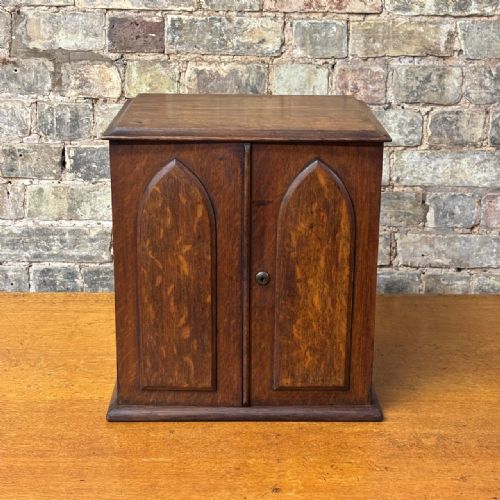


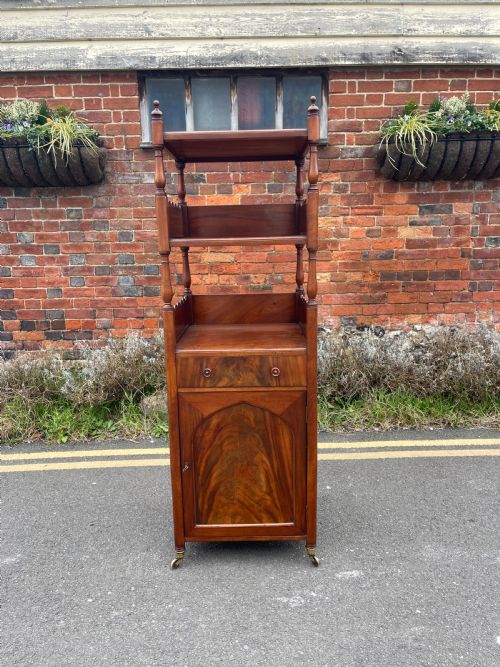


Gothic Arched Panel
These gothic arched panel examples bring architectural weight and rich timber grain directly into a room.
Gothic Arched Panel
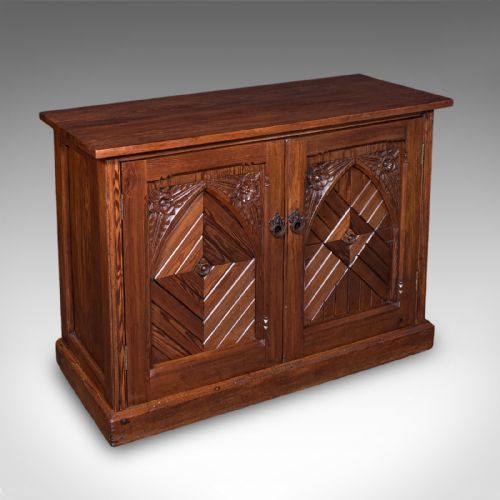
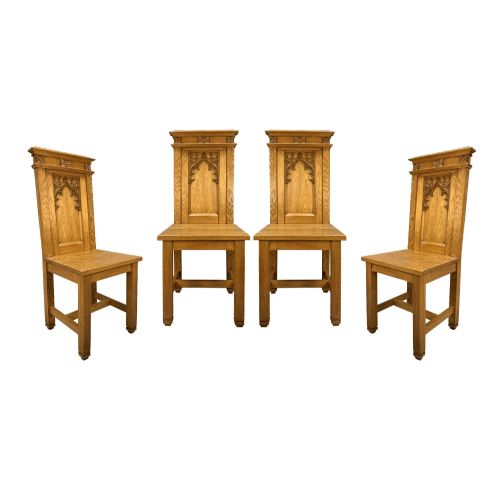
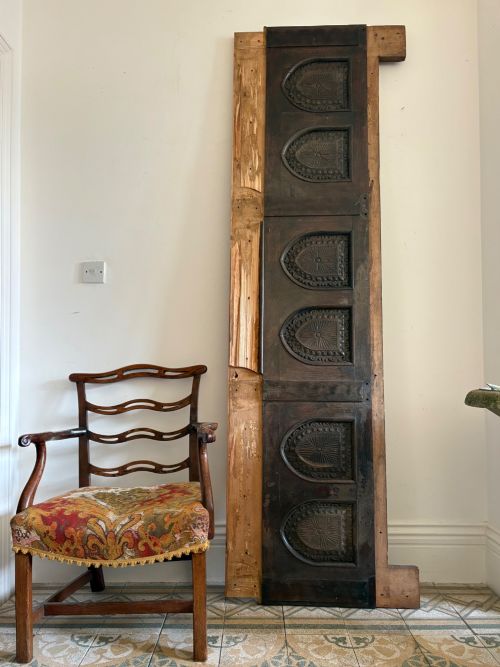
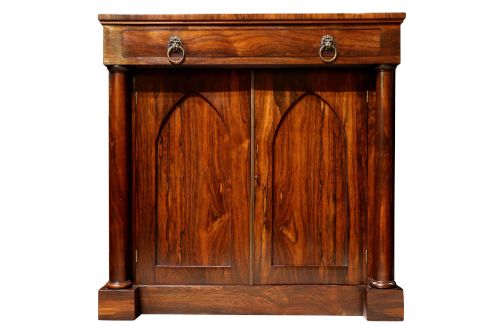
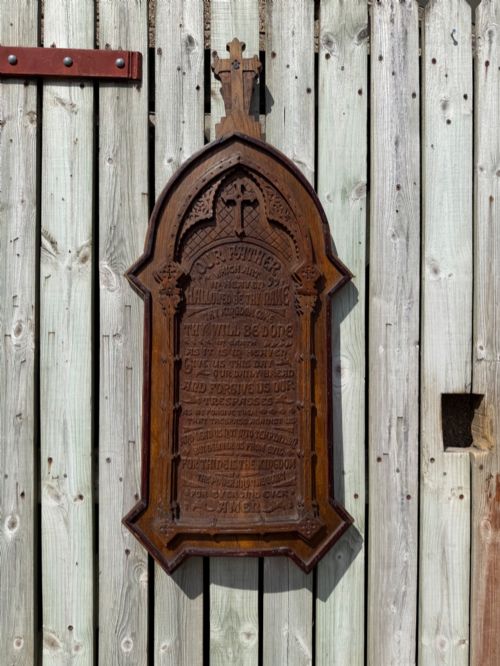
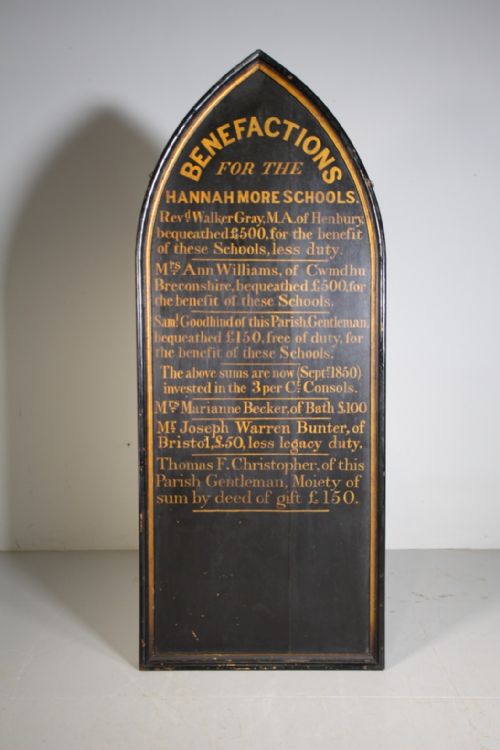
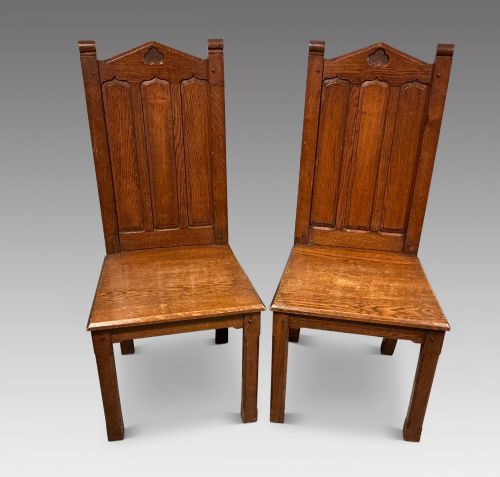
Most pieces seen here date from the nineteenth century, including Victorian interpretations and earlier Georgian or eighteenth-century examples. Buyers frequently encounter carved oak panels, table cabinets, and chiffonier doors featuring pointed arches and tracery.
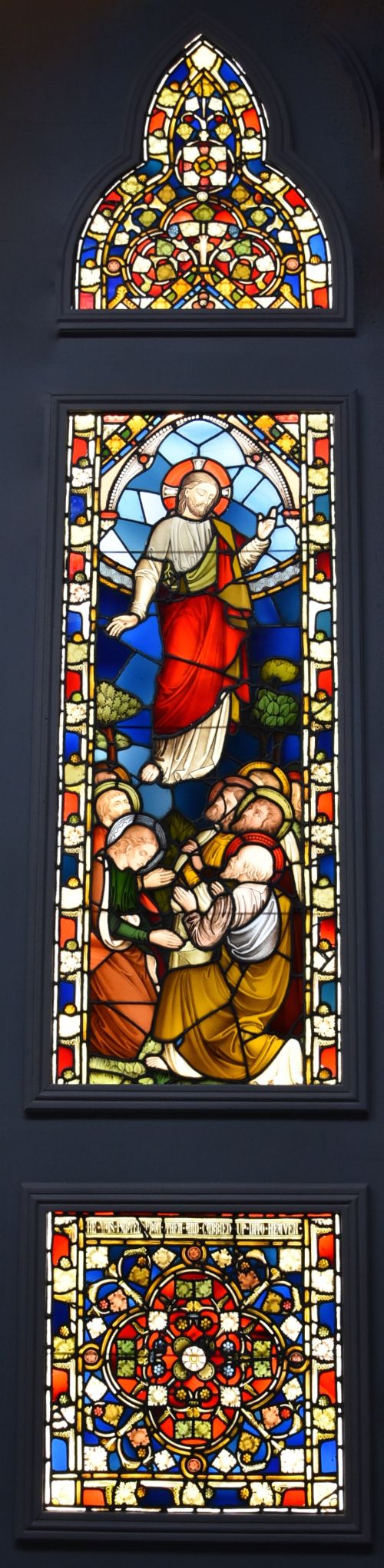
Beyond wall-mounted items, the selection extends to stained glass windows and arched church glass panels. These objects range from secular furniture inserts to ecclesiastical panels depicting biblical subjects.
Materials and construction
Makers relied heavily on solid oak and mahogany for structural stability and deep relief carving. Wood surfaces often display crisp hand-carved detailing, showing the natural grain beneath traditional wax or polish.
Stained glass panels integrate coloured glass held within lead cames, occasionally accented with gold leaf. These translucent sections combine with wooden frames to create structural window and triptych formats.
Materials in this category span solid oak, mahogany, rosewood, brass, lead, and stained glass.
Judging quality and character
Depth of carving and clarity of the tracery define the visual standard of timber panels. Pieces with crisp undercut foliage or figural scenes demand greater skill than shallow geometric mouldings.
The integrity of the leadwork and the vibrancy of the glass distinguish superior stained windows. Original surface patination on older oak elements also separates untouched examples from heavily restored pieces.
The Gothic Arched Panel Glossary
- Tracery
- Openwork stonework or timber patterning in the upper part of a gothic window or screen. It supports the glass and creates decorative geometric or floral motifs.
- Triptych
- A picture or carving on three panels, hinged together or side by side. These formats frequently present religious narratives or stained glass compositions.
- Chiffonier
- A low sideboard or cabinet popular during the regency and Victorian periods. They often feature panelled doors enclosing interior shelving.
- Came
- A slender, grooved strip of lead used to hold pieces of stained glass together in a window or panel. They form the structural grid of the design.
Gothic Arched Panel: Frequently Asked Questions
How were gothic arched panels used originally?
These panels typically served as structural components within larger church architecture, domestic furniture, or screens. Cabinet makers later incorporated carved elements into sideboards and wardrobes.
Smaller panels functioned as standalone wall plaques or devotional art within private homes and institutions.
What woods appear in these panels?
Oak and mahogany dominate the timber selections across the inventory. Oak provides a traditional rustic grain suited to early carved panels.
Mahogany appears more frequently in nineteenth-century furniture applications like chiffoniers and wardrobes.
How do I hang a heavy wooden panel?
Wall-mounted wooden panels require secure fixings anchored directly into wall studs or masonry. Professional assessment of the weight distribution ensures safe display.
Iron brackets or integrated mounting battens often support heavier timber and stained glass pieces.
How do I tell an 18th-century panel from a Victorian one?
Eighteenth-century examples often display deeper tool marks and heavier patination developed through extended handling. Carving styles in this period tend to be more robust and folk-art inspired.
Victorian pieces frequently reflect a revivalist precision, matching the archaeological interest in medieval architecture typical of the nineteenth century.