





Gilded Timber Framed Painting
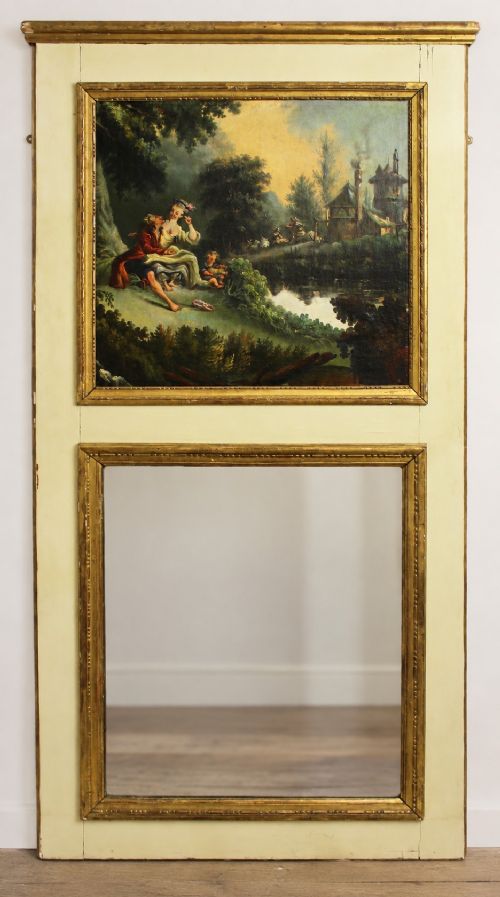
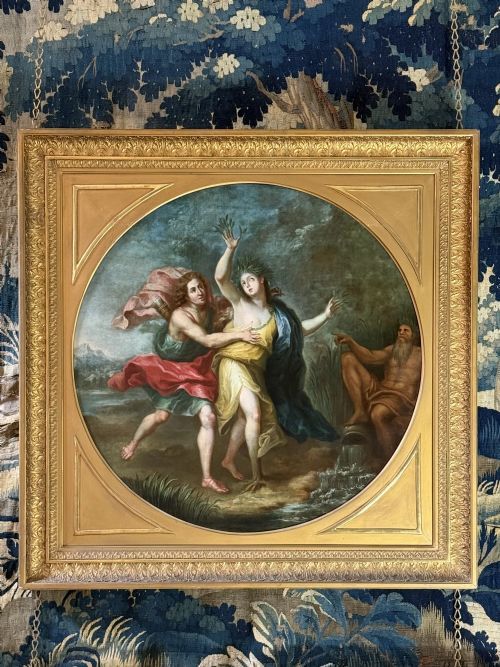
These gilded timber framed painting works bring together period canvases, portraits, and icons held inside gold leaf wood mouldings.
Gilded Timber Framed Painting
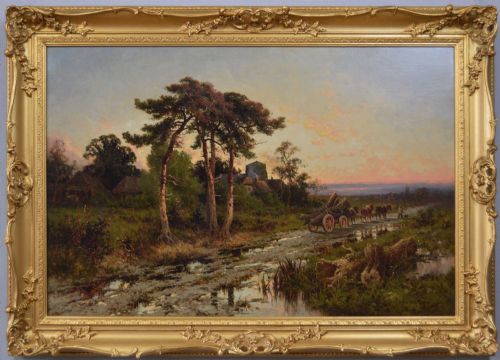
A buyer examining a gilded timber framed painting encounters works ranging from 17th century religious icons to Victorian landscapes and mid 20th century British scenes. These pieces combine painted canvas, watercolour, or reverse print on glass with a decorative gold leaf timber border.
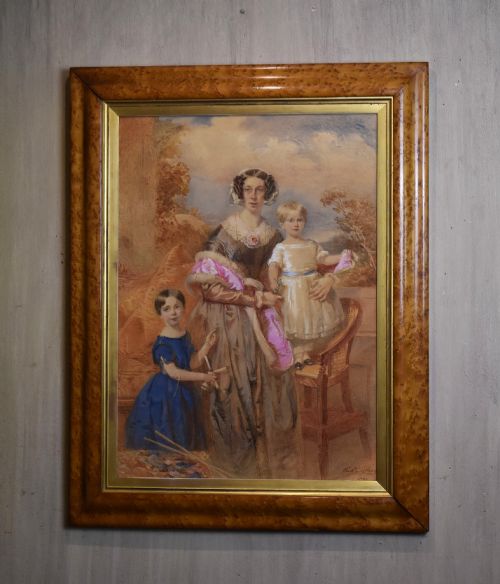
The selection here encompasses eighteenth century classical oil paintings, family portrait watercolours, equestrian studies, and overmantel mirrors. Each item pairs a historic visual artwork with its original or period wooden frame.
Origin and period vary significantly across the inventory, with examples spanning from the seventeen hundreds through the Victorian era up to nineteen sixty. The framing technique remains the unifying element binding these diverse artistic subjects together.
Materials and construction methods
Makers built these pieces using timber frames finished in gilt wood, applying gold leaf over prepared wooden mouldings to create a reflective metallic surface. Canvases, paper watercolours, and glass panels were then fitted securely within these constructed surrounds.
Artisans employed traditional mediums including oil paint and watercolour on canvas or paper support. Reverse prints on glass represent another technique found among the historic listings on this page.
Gilded Timber Framed Painting Retail Price Guide 2026
Typical asking prices for gilded timber framed painting among the pieces listed under this phrase on Sellingantiques today, from the lower quarter to the upper quarter. They describe what is for sale here now, not the wider market.
One listed mid century canvas captures a child's pony standing patiently inside a stableyard.
Assessing quality in framing and artwork
Quality in a gilded timber framed painting depends on the depth and preservation of the gold leaf application alongside the technical skill evident in the primary artwork. Finely carved timber mouldings exhibit crisper detail and better structural integrity than simpler wooden surrounds.
The execution of the painted canvas or watercolour further dictates the standing of the piece, with masterly brushwork and strong composition separating standard decorative items from significant artistic works.
Charles Antoine Coypel·Frederick Tatham·Harry Freckleton·George E Sharpe·Henry H Parker·William Woodhouse
The Gilded Timber Framed Painting Glossary
- Gilt wood
- Wood coated with a thin layer of gold leaf or gold paint. This finish provides the characteristic metallic sheen seen on period frames.
- Oil on canvas
- Pigment mixed with a drying oil binder applied to stretched fabric. It serves as the primary medium for many historic paintings.
- Reverse print on glass
- An image applied directly to the back of a glass panel to be viewed from the front. This technique produces a distinct glossy surface finish.
- Icon
- A devotional painting on wood depicting sacred figures, often associated with Orthodox traditions. These works frequently feature heavy timber construction.
Gilded Timber Framed Painting: Frequently Asked Questions
How do I date a gilded timber framed painting?
Dating relies upon examining both the construction methods of the wooden frame and the stylistic conventions of the painting itself. Clues reside in the type of timber, the preparation layers beneath the gold leaf, and the artist's signature.
Historical context such as costume in portraits or framing profiles helps narrow down the century of manufacture. Comparing the materials to known period examples confirms the era.
Where should I hang these framed artworks?
These pieces suit principal living spaces, dining rooms, or studies where adequate wall space allows the frame to project properly. Placing them away from direct sunlight protects both the gilt finish and the painted surface.
Stable indoor humidity levels prevent the timber frame from warping and protect the canvas or paper from environmental degradation. Adequate wall fixings are essential due to the weight of solid wood and glass.
How is gilt wood maintained?
Maintenance involves gentle dusting with a soft, dry brush to prevent particulate accumulation on the delicate gold leaf surface. Moisture and chemical cleaners should be avoided entirely to protect the metallic finish.
Regular inspection of the timber joints ensures the structural stability of the heavy frame. Professional conservation is recommended for any stabilization work.