
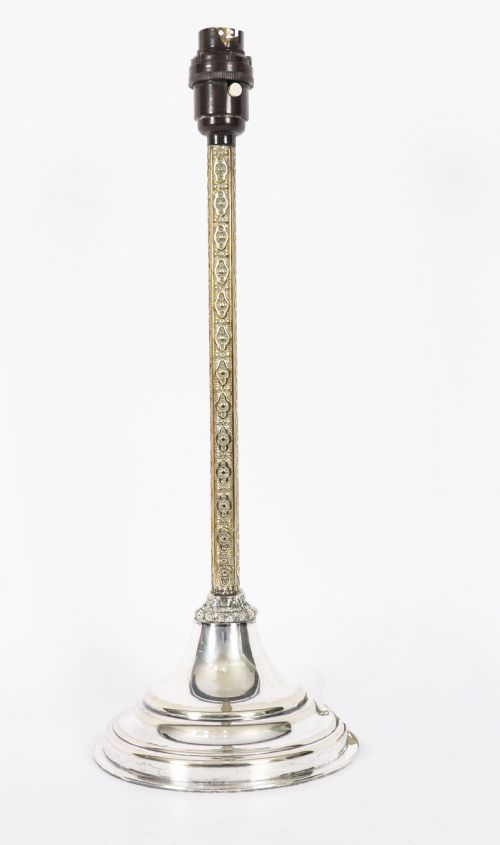
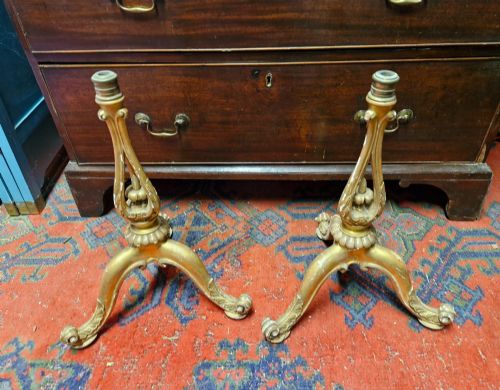
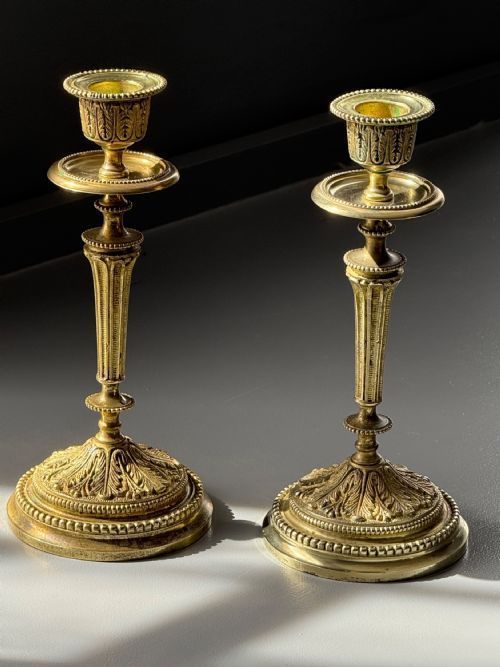
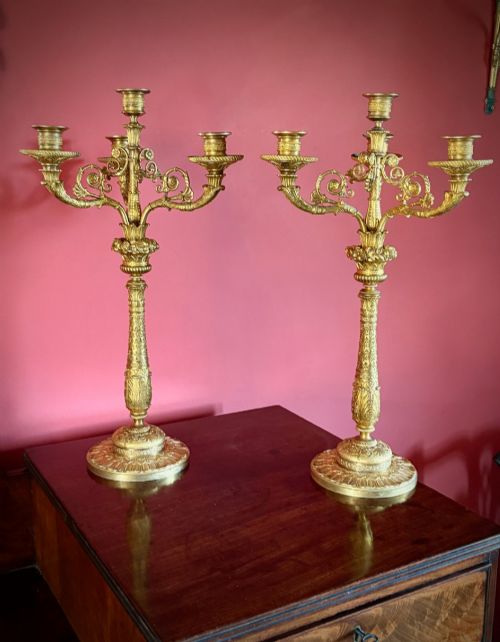
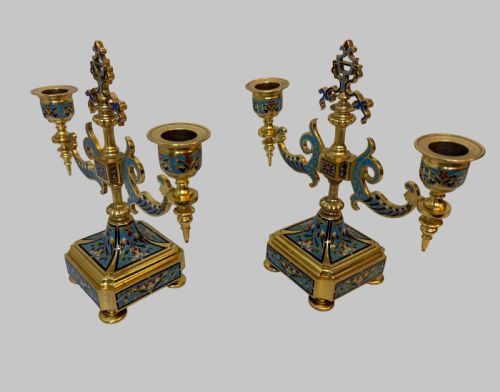


Gilded Table Candlesticks
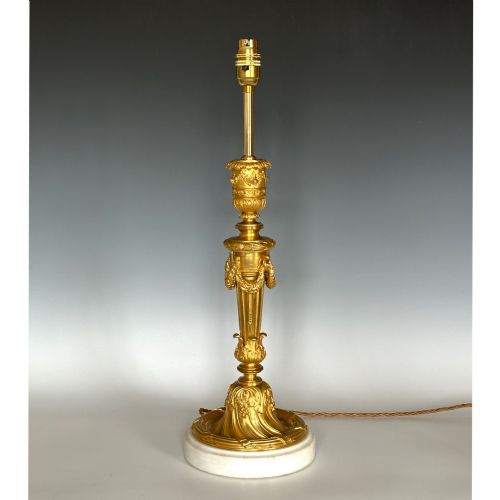
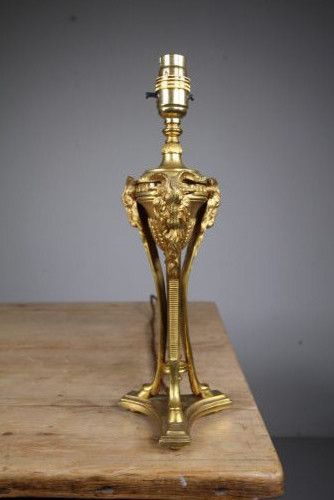
Gilded table candlesticks bring warmth and historic decoration to a room, appearing frequently here as French Empire, Louis XVI, and Victorian creations in ormolu, gilt bronze, and giltwood.
Gilded Table Candlesticks
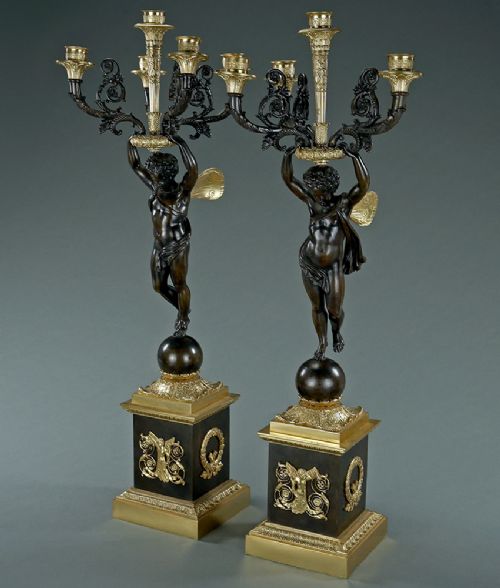
Objects range from simple single-branch sticks to grand multi-light candelabra adorned with champleve enamel, marble, or porcelain figures. Many nineteenth-century examples display subsequent adaptations into table lamps while retaining their original metallic or wooden bases.
How they were made
Metal components rely heavily on cast bronze, brass, and ormolu, often finished with applied gold leaf or mercury gilding to achieve a bright surface. Artisans shaped these metals through casting and chasing, sometimes integrating cloisonné or champleve enamel panels into the design.
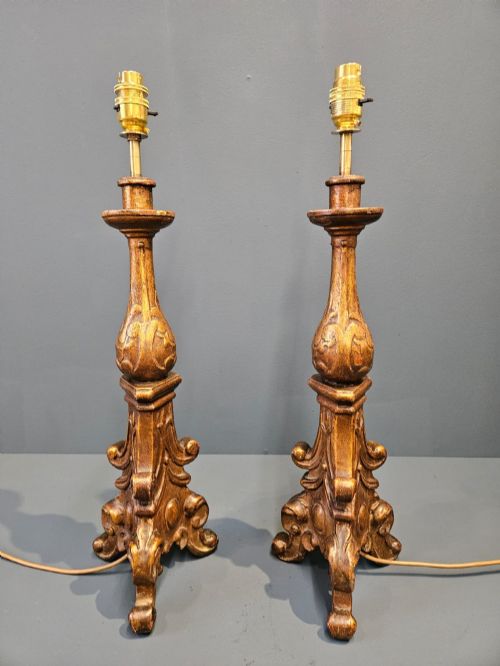
Wooden alternatives utilise carved giltwood, gesso, and treen, where craftsmen carved detailed motifs before applying fine layers of gold leaf or gesso preparation. Certain pieces combine these metallic and wooden elements with marble, porcelain, or fabric components.
Materials recorded across the inventory include gilt bronze, ormolu, giltwood, brass, marble, porcelain, and champleve enamel.
What varies in quality
Quality rests significantly on the crispness of the metal chasing and the depth of the original gilding, where superior examples exhibit sharp relief and smooth, bright surfaces. The precision of the casting work distinguishes standard production from finer workshop output.
The integrity of the materials, such as heavy bronze versus lighter base metals, and the sophistication of stylistic details like caryatids or enamel work separate ordinary pieces from exceptional creations.
Mappin & Webb's·Meissen
The Gilded Table Candlesticks Glossary
- Ormolu
- Finely ground high-carat gold applied to a bronze base using a mercury amalgamation technique, popular in French decorative arts. This finish yields a warm, lasting lustre characteristic of eighteenth and nineteenth-century pieces.
- Giltwood
- Timber that has been carved and coated with gold leaf over a prepared gesso ground. It provides a rich decorative texture frequently seen on Italian and English lamps.
- Candelabra
- A branched candlestick designed to hold multiple candles or light bulbs simultaneously. These multi-light fixtures often form the centrepiece of a decorative table setting.
- Champleve
- An enamelling technique where troughs or cells are hollowed out of a metal surface and filled with vitreous enamel before firing. It creates vibrant patterns across the body of the candlestick.
- Table Lustre
- A decorative tabletop ornament featuring glass pendants or prisms suspended around a central candle or lamp holder. They refract light to enhance the illumination in a room.
Gilded Table Candlesticks: Frequently Asked Questions
How do I clean gilded bronze safely?
Dust surfaces gently with a soft, dry brush to prevent scratching the delicate gold leaf or ormolu finish.
Avoid liquid cleaners, chemical polishes, and abrasive cloths entirely, as these substances strip away historic gilding.
Were these originally wired for electricity?
Most nineteenth-century and earlier pieces started life holding candles or serving as altar lights before later conversion into table lamps.
Some items retain their original candle-holding configuration, while others incorporate wiring added during the twentieth century.
How do I identify French Empire style?
Look for classical motifs such as rams' heads, caryatids, and symmetrical geometric designs influenced by ancient Rome and Greece.
These pieces typically utilise heavy gilt bronze and ormolu with a strong architectural presence.
Can I use standard lampshades with these?
Compatibility depends on the specific fitting and whether the piece has been adapted with a standard lamp shade carrier.
Candelabra and unaltered candlesticks require careful consideration of scale if paired with modern shades.