


Gilded Religious Figure
A gilded religious figure brings devotional focus and historic craftsmanship into a room.
Gilded Religious Figure
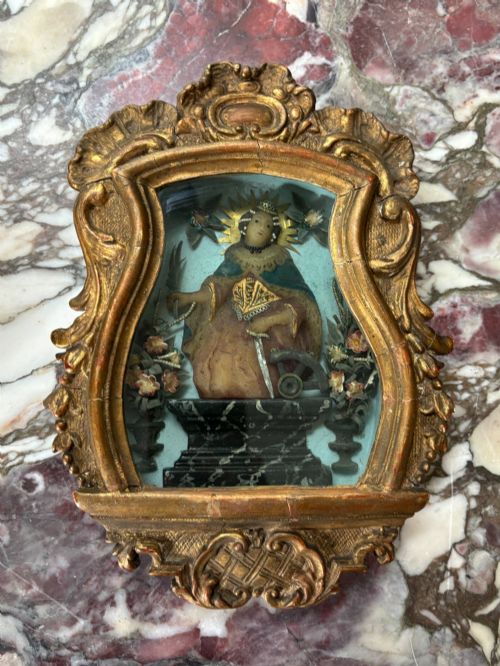
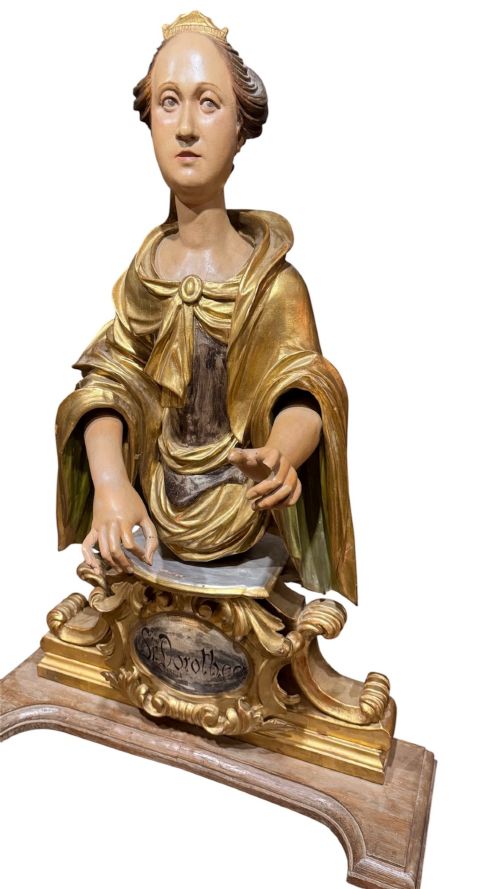
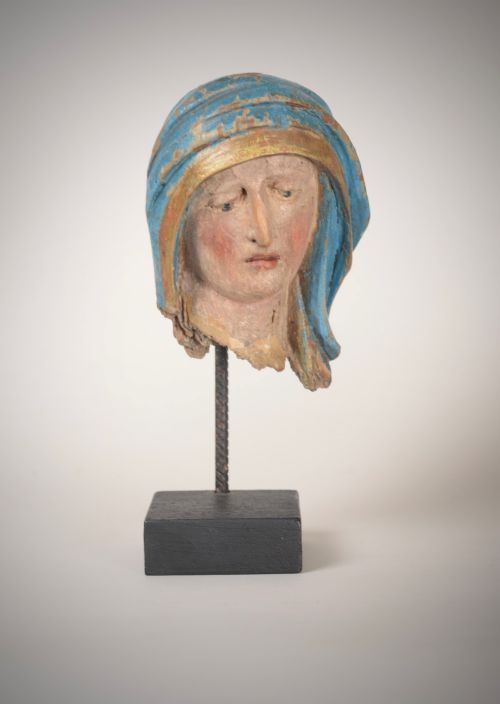
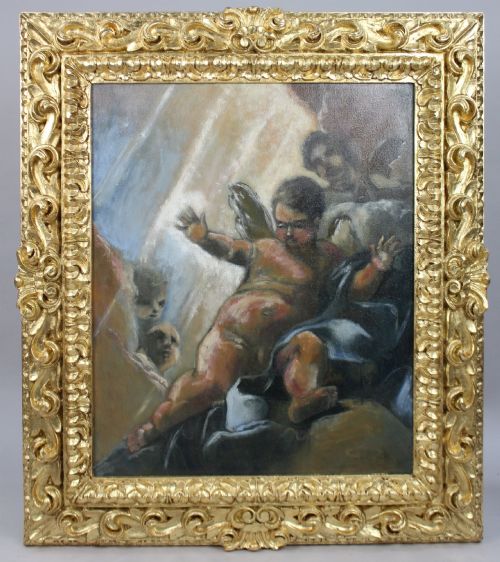
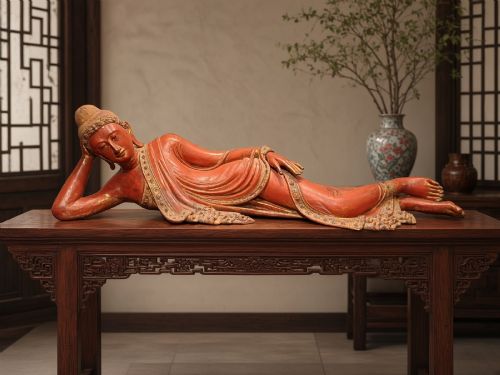
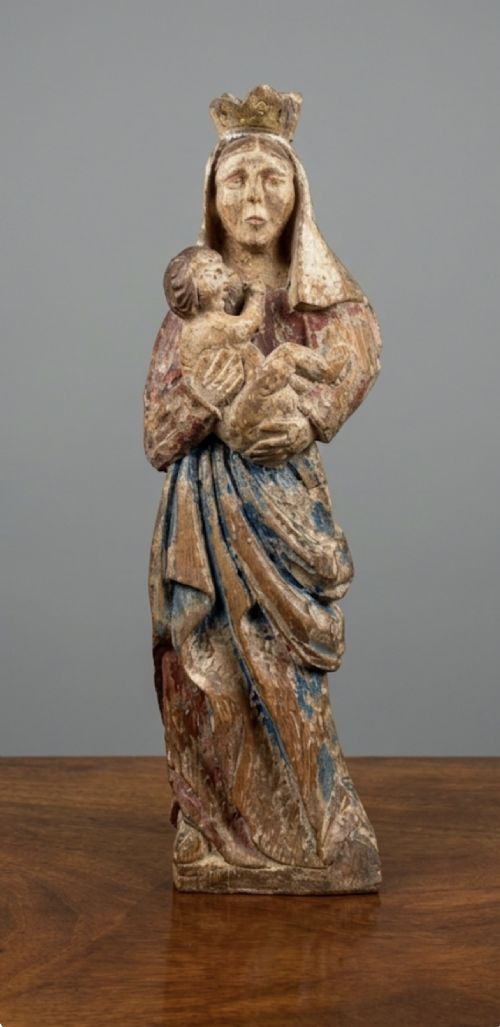
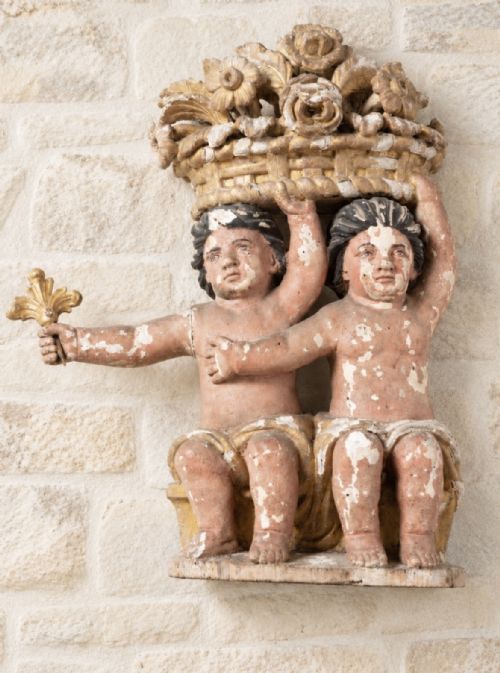
When you search for a gilded religious figure, you encounter devotional sculptures and paintings spanning multiple centuries and diverse global traditions. The most common forms on this page are carved wood and giltwood statues depicting saints, angels, and deities from European and Asian workshops.
These pieces range from small domestic santos figures to monumental temple guardians and framed oil paintings. European examples often feature carved lime wood, oak, or terracotta treated with gesso and polychrome paint, while Asian examples include wooden and bronze buddhas and deities.
The periods represented stretch from the sixteenth century through the nineteenth century, alongside later revival pieces and twentieth-century interpretations. Buyers select these works for their spiritual presence, sculptural depth, and the rich texture of aged gilding.
How They Were Made
Carved wood serves as the primary substrate for the majority of these sculptural works, utilising regional timbers such as oak, lime wood, and pine. Artisans shaped these blocks using chisels and gouges before applying layers of gesso to create a smooth surface for subsequent decoration.
Gilding was achieved by laying thin sheets of gold leaf over the prepared ground, often burnished to a high shine or left matte depending on the desired effect. Polychrome paint was then applied by hand to render flesh tones, garments, and intricate patterns.
Bronze casting was also employed for specific metallic figures, finished with gilding or patination. Oil paintings utilised traditional canvas supports stretched over frames, complemented by carved giltwood surrounds.
Several angels on display appear to be sharing a private joke reserved strictly for the altar.
What Varies in Quality
The application and survival of the surface finish also determine the standing of a piece. Original gold leaf and undisturbed polychrome paint layers hold greater visual cohesion than later overpainting or heavy intervention, though the natural softening of gesso and giltwood over centuries adds distinct character.
James Hadley·Pietro D'asaro
The Gilded Religious Figure Glossary
- Giltwood
- Wood that has been prepared and coated with gold leaf or gold dust. This finish catches candlelight and natural illumination in traditional interiors.
- Gesso
- A plaster mixture applied to wood or canvas as a base for paint and gilding. It provides a smooth, receptive ground for the artisan.
- Santos
- A carved figure representing a saint or divine personage, traditionally used in Hispanic and European devotional settings. These statues frequently wear actual fabric garments in domestic shrines.
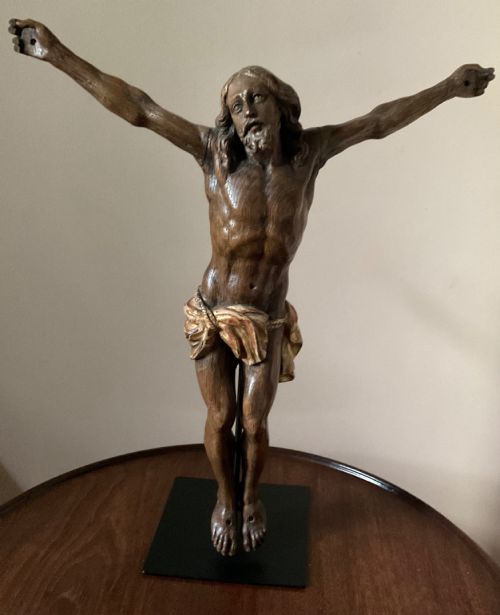
- Corpus Christi
- An artistic representation of the body of Jesus Christ on the cross. These figures emphasise anatomical detail and emotional resonance.
Gilded Religious Figure: Frequently Asked Questions
Where were these figures displayed originally?
Many of these pieces originated in European churches, private chapels, and domestic altars as objects of daily devotion and liturgical focus. Asian counterparts often served within temple complexes or household shrines.
Over time, collectors transitioned these sculptures into secular domestic interiors where their artistic and historical qualities could be appreciated alongside other antiques.
How should I clean a gilded wooden sculpture?
Dusting should be performed gently with a soft, dry brush to avoid disturbing fragile gold leaf or aged gesso surfaces. Water and chemical cleaning agents must be avoided entirely.
Consulting a professional conservator is recommended if deeper cleaning or stabilization of flaking polychrome paint becomes necessary.
How do I distinguish an eighteenth-century figure from a later copy?
Examinations of the wood grain, tool marks, and the ageing of the underlying gesso reveal the manufacturing era. Eighteenth-century pieces typically exhibit hand-carved tool signatures and natural shrinkage consistent with age.
Revival pieces often display uniform wear or modern bonding agents that differentiate them from period originals.
Can these figures be placed in direct sunlight?
Direct sunlight causes delicate polychrome paint to fade and accelerates the drying and cracking of old wood substrates. Positioning them away from windows and direct heat sources ensures their preservation.
Stable indoor humidity and indirect lighting provide the best environment for maintaining historic wood and gilt finishes.