


Gilded Regency China Dish
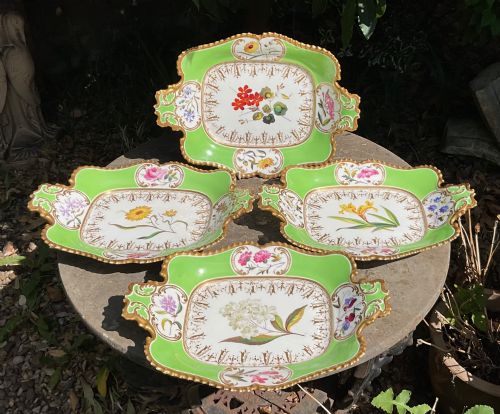
A gilded regency china dish brings the bold colours and bright metallic leaf of the early nineteenth century straight to the table.
Gilded Regency China Dish
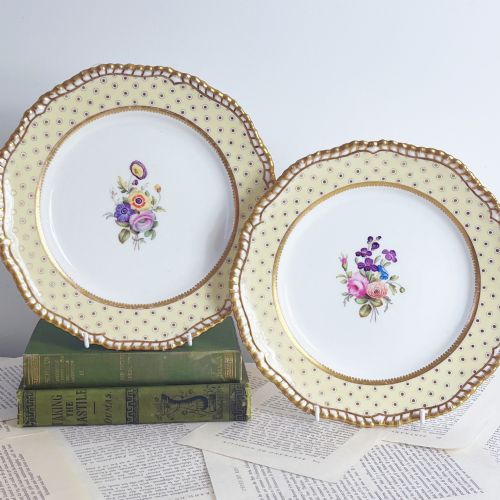
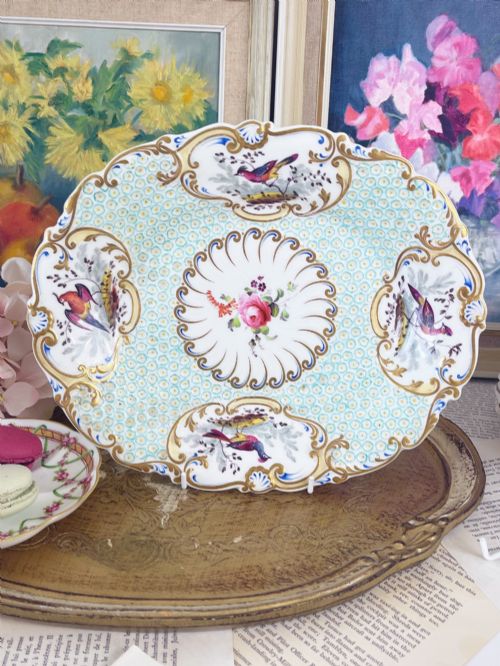
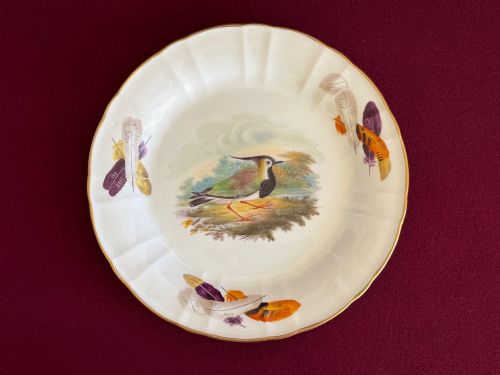
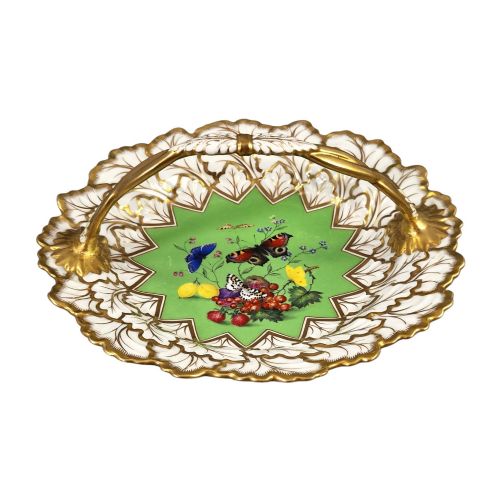
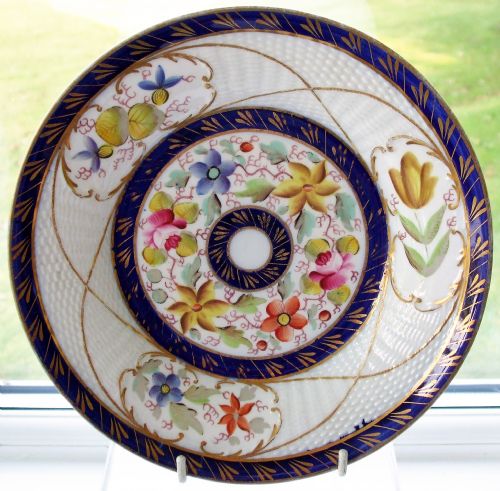
A gilded regency china dish encompasses a range of serving vessels, dessert plates and cabinet pieces originating primarily from the nineteenth century, including the Regency and Georgian periods. The forms include oval serving dishes, soup plates and butter dishes, shaped to serve food or display painted decoration.
Most items emerge from well-known English factories of the era, such as Worcester, Coalport and Derby. Buyers meet porcelain, bone china and ironstone creations, often painted with birds, botanical studies, armorial crests or exotic patterns.
Makers shaped these items for formal dining tables and drawing-room displays, reflecting the taste of an era that favoured rich gilding alongside hand-painted motifs. Each piece acts as a surviving record of early nineteenth-century ceramic production.
How they were made
Potters shaped these objects using porcelain, bone china or ironstone bodies, often forming them in moulds or throwing them on wheels before firing. Artisans then applied enamel colours by hand, detailing birds, flowers or topographical scenes with fine brushwork.
Craftsmen added gold leaf, gilt or gold gilding to the borders and handles, fusing the metal to the ceramic surface in a kiln. This metallic application defined the appearance of the wares, framing the painted centres with bright highlights.
Listings feature porcelain, bone china and ironstone bodies decorated with gold leaf and hand-painted enamels.
What varies in quality
Quality rests on the precision of the hand-painted decoration and the crispness of the porcelain moulding. Pieces bearing detailed botanical studies, armorial crests or named topographical scenes generally sit higher in the range than standard floral patterns.
The application and preservation of the gold leaf also divide the tiers, with thick, burnished gilding indicating superior workshop standards. The reputation of the factory, from Flight, Barr & Barr to New Hall, further shapes the standing of each dish.
Spode Felspar·H & R Daniel·Wedgwood Bone China·Flight Barr And Barr·Chamberlains Worcester·New Hall Porcelain·Derby Porcelain·Minton Porcelain·Coalport Botanical·Duesbury And Kean·Masons Patent Ironstone·Bloor Derby
The Gilded Regency China Dish Glossary
- Bone China
- A type of soft-paste porcelain containing bone ash, developed to provide a whiter and stronger ceramic body. It allowed makers to form thinner plates and dishes without losing structural stability.
- Gilding
- The application of gold leaf or gold paint to the surface of ceramics. Craftsmen burnished the metal to create a reflective finish along the rims and handles.
- Ironstone
- A heavy, durable earthenware patented in the nineteenth century to rival true porcelain. It offered high resistance to chipping during daily service.
- Armorial
- A ceramic design featuring a family crest, coat of arms or heraldic badge. These bespoke commissions were painted specifically for landed families.
- Enamel
- A glass-like substance fused to the ceramic body during firing to provide vibrant colours. Artisans painted over the glaze to achieve rich tones on dessert plates.
Gilded Regency China Dish: Frequently Asked Questions
How were these dishes used originally?
These dishes served multiple roles in early nineteenth-century dining, from presenting fruit and desserts at formal dinners to holding butter or sauces. Cabinet plates also stood on display in drawing rooms to showcase wealth and taste.
Wealthy households commissioned armorial services for special banquets, while smaller plates handled daily service or sweetmeats. Their bright gilding caught the candlelight during evening meals.
Can I use them for serving food today?
While these pieces remain structurally sound, collectors generally treat them as display items rather than functional tableware. Hand-washed care preserves the delicate enamel paints and fragile gold leaf.
Modern detergents and mechanical dishwashers can damage the historic glazes and wear away the metallic decoration. Gentle handling ensures the painted birds and flowers survive intact.
How do I tell different factories apart?
Makers often marked their wares with painted script, printed factory stamps or impressed ciphers on the reverse. Examining the paste, the style of the gilding and the specific brushwork helps identify the origin.
Certain patterns, such as Dragon in Compartments or Jabberwocky, link directly to specific Worcester periods. Comparing unmarked pieces to authenticated factory examples clarifies attribution.
What period do most pieces date from?
The majority of these items date from the Regency and Georgian eras, spanning the late eighteenth century through the early decades of the nineteenth century. Factory marks and stylistic cues help narrow the production window.
Pieces often carry dates from around eighteen hundred to eighteen thirty, reflecting the height of British porcelain manufacturing. This era produced distinctive ironstone and bone china formulas.