



Gilded Porcelain Miniature
These small objects bring together delicate ceramic bodies and fine metal accents, offering a glimpse into centuries of miniature craftsmanship.
Gilded Porcelain Miniature
A gilded porcelain miniature represents a concentrated form of ceramic art, often taking the shape of vases, scent bottles, plaques, and small tea wares. These pieces draw attention through their diminutive scale and careful ornamentation.
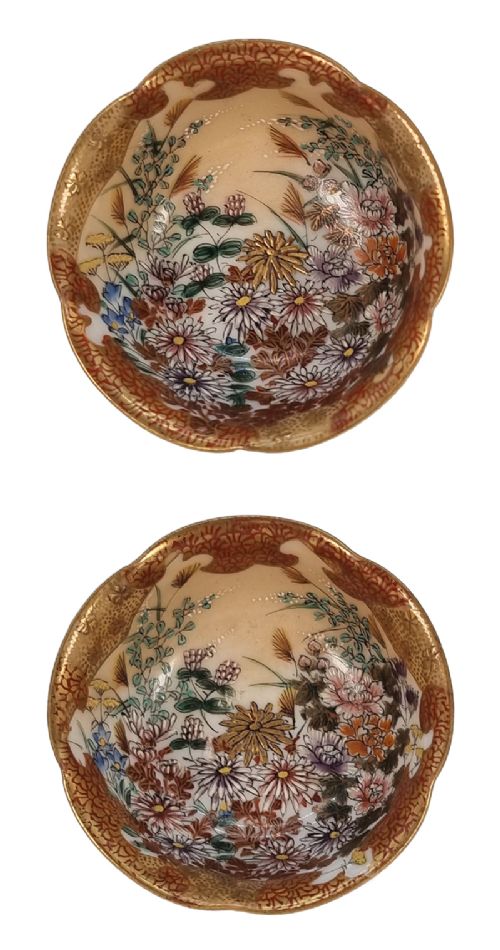
Makers across the nineteenth and early twentieth centuries produced these items in various styles, including Victorian, Edwardian, and Meiji Period designs. The selection frequently includes pieces from English potteries and Japanese workshops.
Vases and ewers appear alongside decorative bowls, cups, and wall plaques, showing how broadly kilns applied miniature techniques. Buyers encounter everything from simple cabinet ornaments to matched sets on this page.
Materials and production
Potters shaped these miniature forms using fine porcelain, bone china, and earthenware before applying complex enamel painting. Artisans then added gold leaf, gilt, or gilding to highlight rims, handles, and painted motifs.
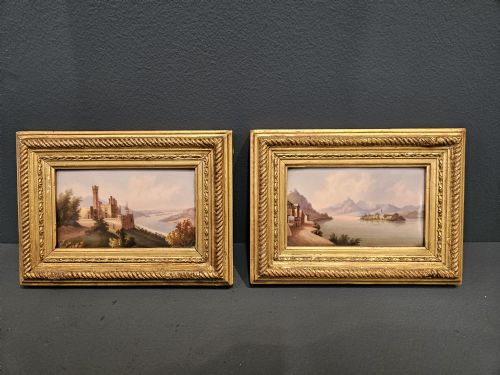
Some works incorporate mixed media, pairing the ceramic body with carved wooden frames, or ormolu and champlevé enamel mounts. Firing such small items required precise kiln control to keep the porcelain and metallic details stable.
Gilded Porcelain Miniature Retail Price Guide 2026
Typical asking prices for gilded porcelain miniature among the pieces listed under this phrase on Sellingantiques today, from the lower quarter to the upper quarter. They describe what is for sale here now, not the wider market.
Listings feature porcelain, bone china, and earthenware forms decorated with gold leaf, enamel, and gilt.
Judging the work
Quality rests in the precision of the hand painting and the crispness of the gilt work applied to the ceramic surface. Pieces bearing artist signatures or recognised factory marks show greater individual attention from the decorator.
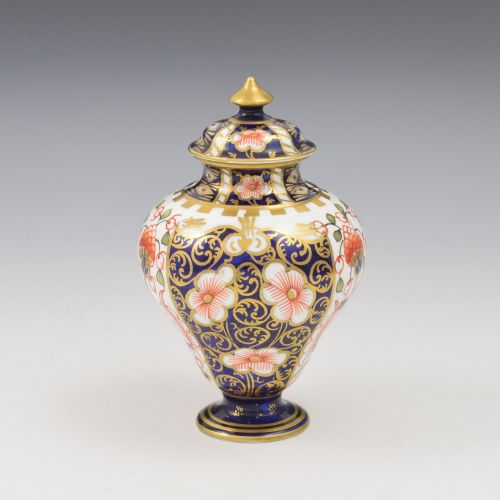
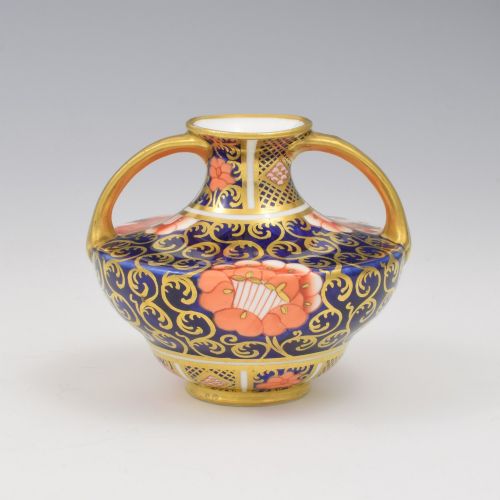
The fineness of the porcelain body and the complexity of the pattern, such as detailed Imari palettes or lustre glazes, separate standard production items from finer studio examples.
Royal Crown Derby·Crown Staffordshire·Wedgwood·Doulton Lambeth·Flight Barr And Barr·Royal Worcester·Hutschenreuter
The Gilded Porcelain Miniature Glossary
- Gilding
- The application of gold leaf or gold powder onto the porcelain surface. This technique adds metallic highlights to handles, rims, and painted scenes.
- Imari
- A style of ceramic decoration originating in Japan, characterised by iron red, underglaze blue, and gold. English factories later borrowed these distinctive palette choices.
- Lustre
- A type of ceramic glaze containing metallic oxides that produce an iridescent sheen. Wedgwood famously utilised this finish on small bowls and mugs.
- Ormolu
- Gilt bronze mounts used to frame porcelain plaques or decorate small trays. This French technique combined metalworking with ceramic display.
- Tyg
- A drinking vessel with multiple handles, produced in miniature form by English kilns. These small vessels demonstrate how larger utilitarian shapes were scaled down.
Gilded Porcelain Miniature: Frequently Asked Questions
What were gilded porcelain miniatures used for?
These small objects served primarily as cabinet specimens, decorative ornaments, and dollhouse accessories during the nineteenth and twentieth centuries. Wealthy homes displayed them on mantelpieces and in specialised vitrines to demonstrate refinement and taste.
Certain items, such as scent bottles and small ewers, combined decorative appeal with minor utilitarian functions. Others formed part of miniature tea or dinner services meant for display rather than heavy use.
How do I identify the period of a piece?
Dating relies on factory backstamps, decorator signatures, and stylistic traits typical of specific reigns or decades. Victorian and Edwardian examples often display specific transfer-printed or hand-written marks beneath the glaze.
Comparing the decorative style, such as Meiji Period Japanese motifs or Rococo Revival curves, helps narrow down the decade of production. Examining the type of porcelain body also provides clues to the era.
How should I display miniature ceramics?
Miniatures require secure placement away from heavy traffic areas to prevent accidental knocks due to their small size. Enclosed glass cabinets protect the delicate gilt surfaces and hand-painted enamels from dust and handling.
Proper lighting inside a display case enhances the metallic sheen of the gilding and the colours of the painted scenes. Grouping items by factory or period creates a cohesive visual collection.
Are all miniature pieces marked by the maker?
Not every item bears a factory mark or signature, as many smaller pieces left kilns unmarked or relied on paper labels that perished over time. Unmarked items often require attribution based on form, paste, and decorative style.
Signed pieces, particularly those bearing artist names or specific pattern numbers, offer clearer provenance. The absence of a mark does not diminish the quality of the ceramic work.