





Gilded Porcelain Flower Urns
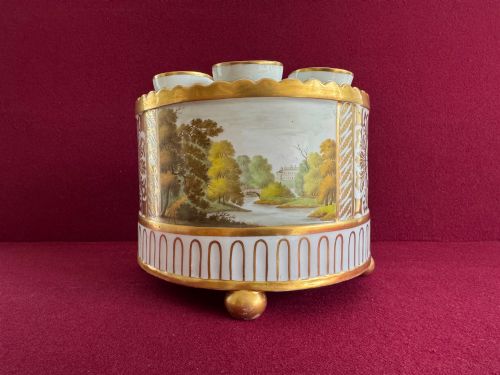
These gilded porcelain flower urns bring hand-painted panels and metallic leaf together to hold stems on a mantelpiece.
Gilded Porcelain Flower Urns
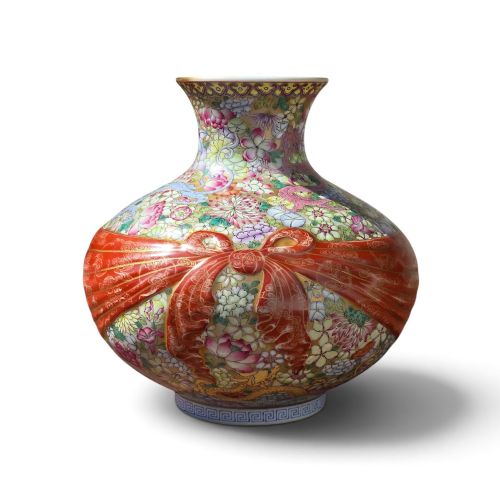
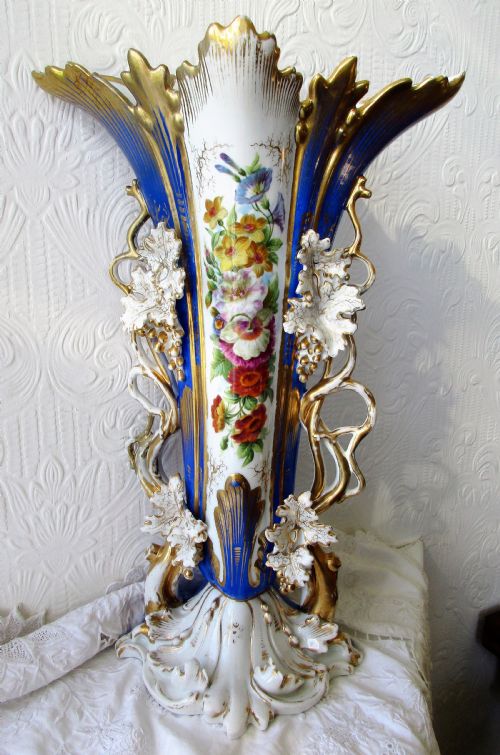
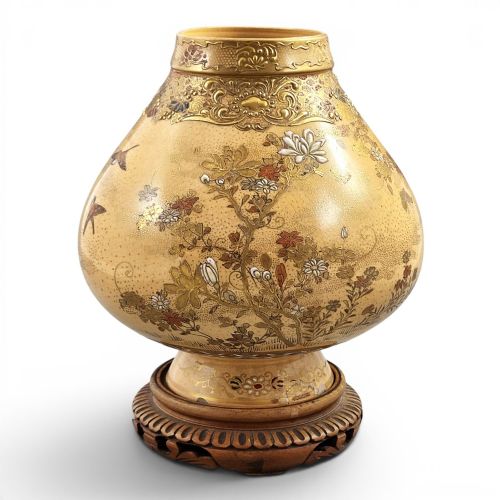
When you search for gilded porcelain flower urns, you find decorative vessels shaped for botanical displays, drawing on Victorian, Regency, Edwardian, and Meiji period aesthetics. The pieces on this page span the nineteenth and twentieth centuries, originating from English factories, French kilns, and Asian workshops.
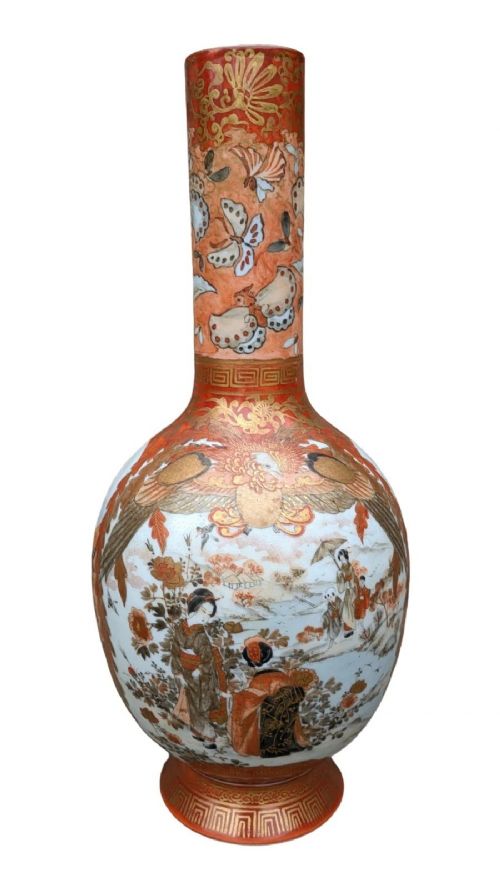
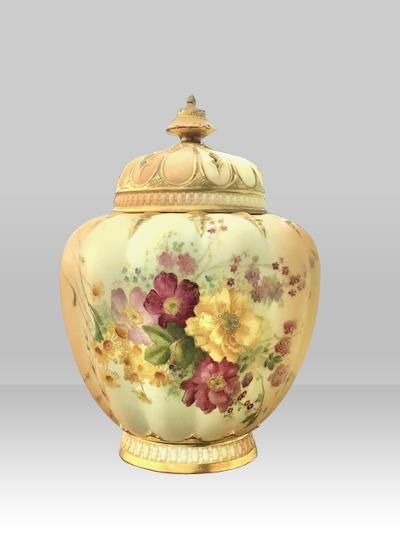
You are most likely to meet Victorian and nineteenth century English or continental vases alongside Chinese and Japanese export pieces. Forms range from twin-handled urns and bough pots to garniture sets and beaker vases, often finished with gilt accents and hand-painted floral or figural decoration.
Materials and methods
Potters shaped porcelain, earthenware, and stoneware bodies on the wheel or in moulds before firing them at high temperatures. Artisans then applied enamel colours and gold leaf, gilt, or gilding by hand to highlight handles, rims, and pictorial panels.
British factories like Royal Worcester, Doulton, and Coalport used specialised bone china and earthenware, while overseas makers in China and Japan utilised indigenous clays and mineral pigments. Subsequent low-temperature firings fixed the enamel and metallic highlights to the glazed surface.
Gilded Porcelain Flower Urns Retail Price Guide 2026
Typical asking prices for gilded porcelain flower urns among the pieces listed under this phrase on Sellingantiques today, from the lower quarter to the upper quarter. They describe what is for sale here now, not the wider market.
Several pieces feature three-dolphin bases to support the weight of the floral urn above.
Judging the work
Quality rests upon the precision of the hand-painted brushwork and the weight of the porcelain body. Finer examples show meticulous detail in floral motifs or figural scenes without blurring at the edges of the glaze.
The application of gold leaf and gilding dictates the upper tier of the range, showing little rubbing or loss from handling. Potteries known for skilled painters, such as Worcester or Kyoto Satsuma workshops, demonstrate superior balance in their vessel proportions and enamel saturation.
Flight Barr and Barr·Doulton Burslem·Kinkōzan Workshop·Ernst Wahliss·Royal Worcester·Coalport
The Gilded Porcelain Flower Urns Glossary
- Bough pot
- A vessel designed specifically for holding cut branches and stems of foliage. These containers often include pierced inner covers to keep stems upright.
- Garniture
- A matching set of three or more vases displayed together on a mantelpiece or sideboard. They typically share a central larger urn flanked by two smaller matching pieces.
- Blush ivory
- A specialist cream-coloured porcelain ground developed by Royal Worcester. It provides a soft matte background for delicate hand-painted floral decoration.
- Cachepot
- An ornamental flowerpot used to hold a plain plant pot inside. These vessels usually feature a flat base and decorative exterior handles or panels.
- Meiji period
- The era of Japanese history lasting from 1868 to 1912. Work from this time often displays intricate Satsuma earthenware and rich gilt decoration exported to Western markets.
Gilded Porcelain Flower Urns: Frequently Asked Questions
How do I clean an antique porcelain urn?
Dust the surface gently with a soft dry brush to remove particles without disturbing old gilding. Avoid using water or chemical cleaners on hand-painted enamel or gold leaf.
Moisture can seep into unglazed pottery bases or lift fragile nineteenth-century pigments. Keep these vessels away from direct sunlight to preserve the original colours.
Were these urns meant for real flowers?
Many of these vessels served as decorative garnitures rather than functional vases for water and stems. Bough pots and pot pourri jars were built with specific covers for dried botanicals or greenery.
Using antique porcelain for fresh water carries risks if hairline cracks exist in the glaze. Dried arrangements or silk stems remain the safer choice for historic pieces.
How do I date a nineteenth-century porcelain piece?
Look for factory stamps, painted numbers, or impressed ciphers on the unglazed foot rim. British potteries often changed their backstamps with each reigning monarch or decade.
Stylistic clues like Art Nouveau curves or Victorian revival motifs help narrow down the period. Comparing paste weights and enamel styles against documented factory patterns confirms the era.