

Gilded Picture Frame Art
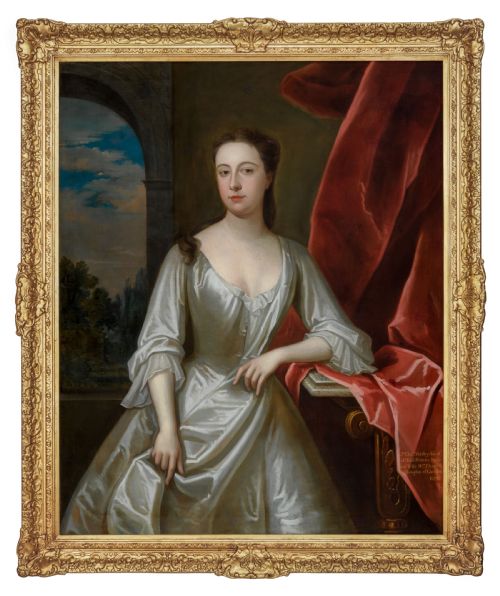
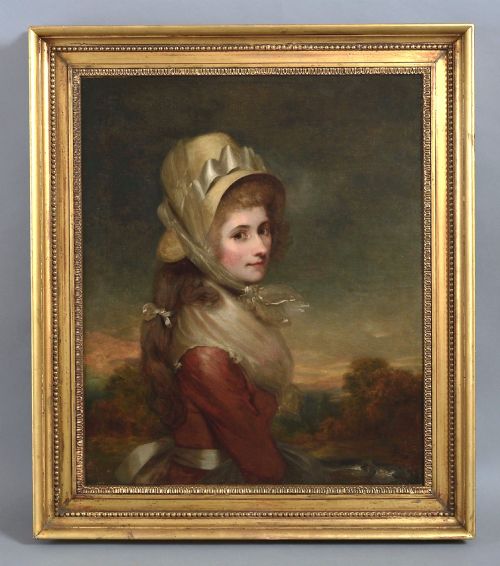
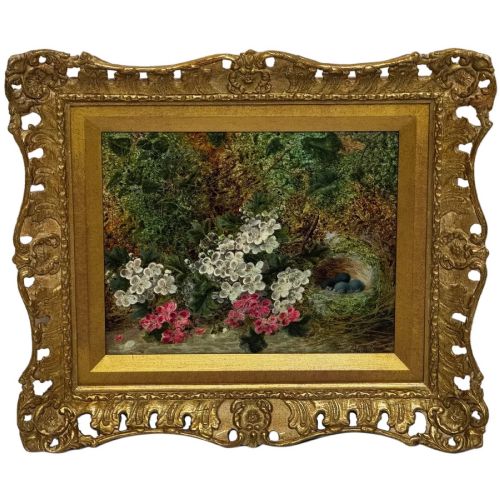
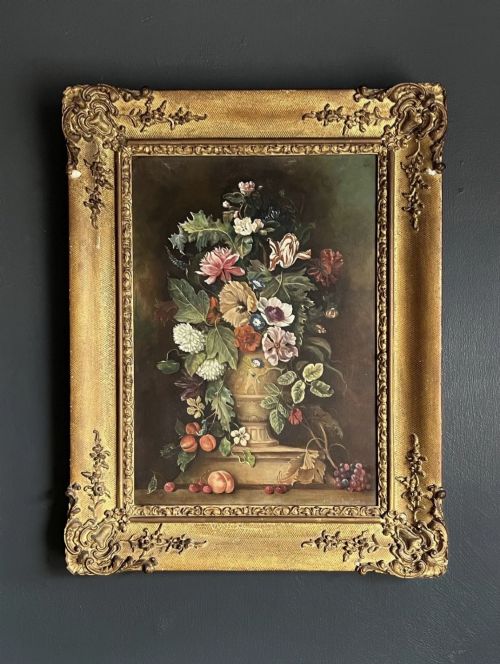
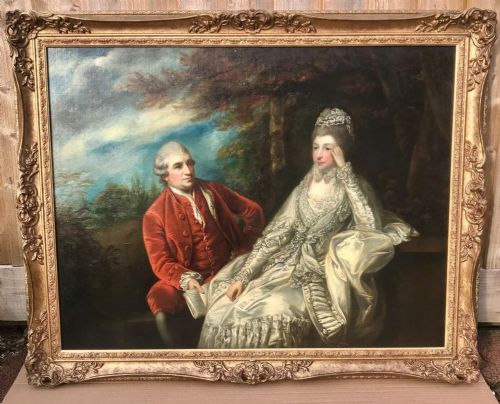
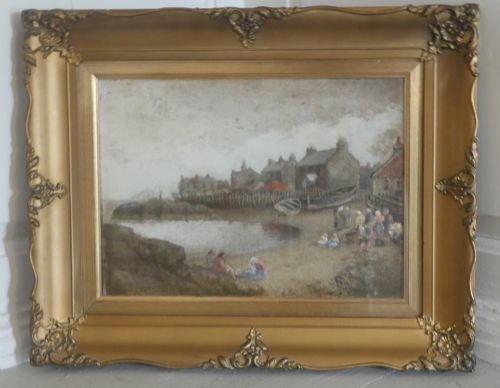
These gilded picture frame art pieces bring together historic canvases, watercolours and prints housed within gleaming metallic borders from the eighteenth to the twentieth century.
Gilded Picture Frame Art
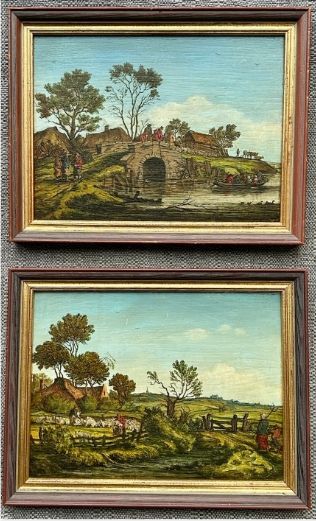
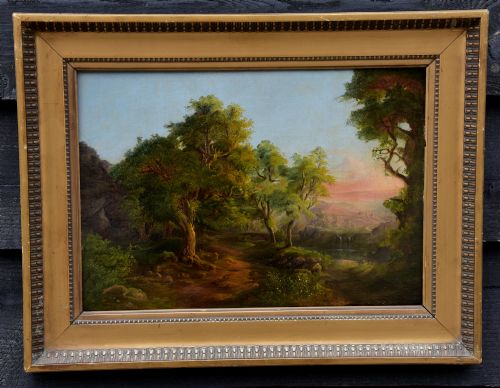
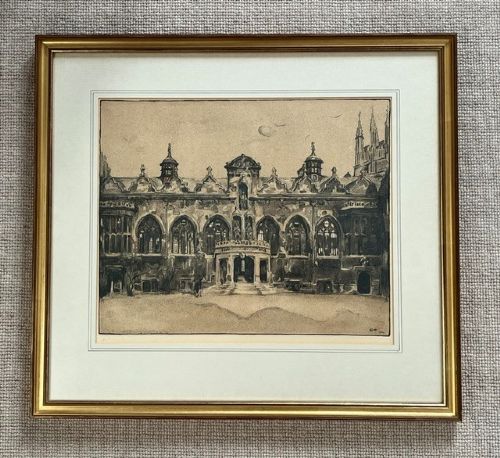
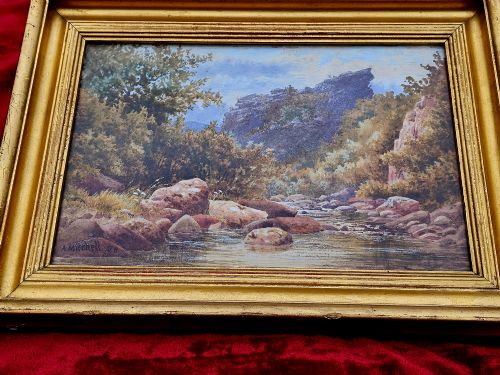
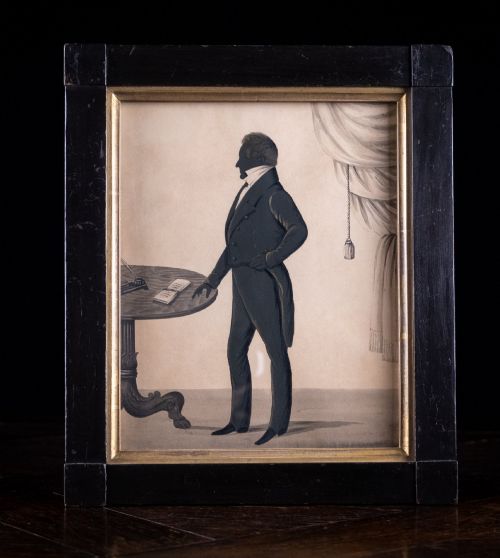
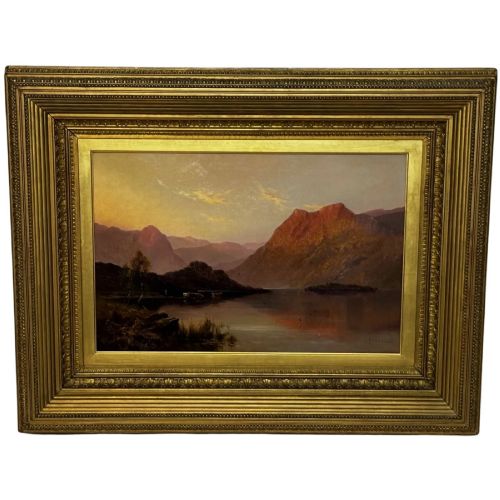
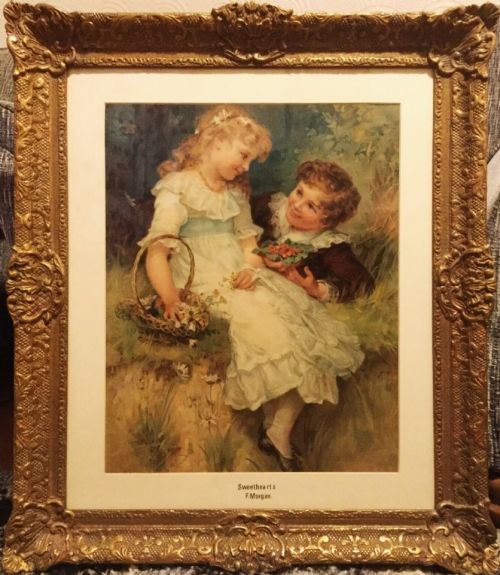
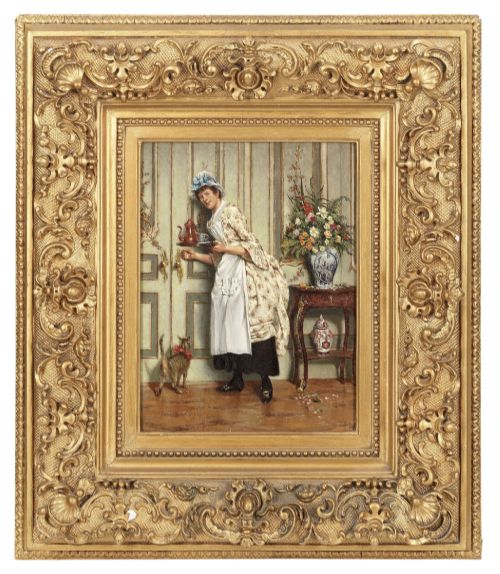
Many of these pieces combine traditional oil paintings on canvas or wood panels with ornate frames finished in gold leaf or gesso. Alongside original fine art, the selection incorporates framed prints, lithographs and reverse glass mezzotints housed in period mouldings.
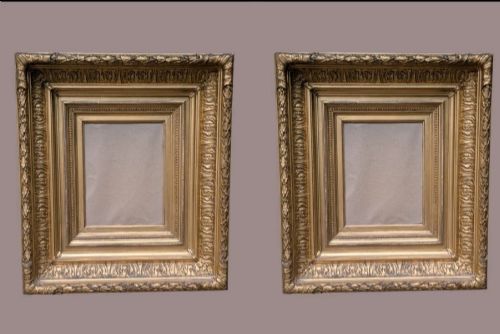
Origins span British, Dutch and Italian schools, encompassing Georgian portraiture, Regency aesthetics and Renaissance revival styles. Buyers frequently find deep Victorian gilt frames and decorative giltwood surrounds enclosing landscapes and figurative subjects.
Materials and construction methods
The physical objects rely on timber foundations shaped into distinct frame profiles, then coated with gesso to create smooth surfaces for gilding. Artisans applied gold leaf by hand over the prepared mouldings to achieve a reflective, metallic finish.
Artworks within these surrounds utilise traditional mediums such as oil on canvas, wood panels, card and paper. Watercolours, lithographs and reverse glass mezzotints demonstrate alternative historic techniques employed for framed visual works.
Listings feature periods spanning the seventeenth to the twentieth century, with materials including gold leaf, oil on canvas, glass and gesso.
Markers of distinction in frames and works
Quality differentiates through the depth of carving and the application method of the gold leaf on the surrounding frame. Hand-carved giltwood and intricate gesso mouldings reflect superior craftsmanship compared to simpler, flatter profiles.
Within the artwork itself, the skill of the artist, visible brushwork and the preservation of the original canvas or panel define the upper tier of the selection. Signed works by documented painters carry greater historical weight than anonymous school pieces.
Sir Godfrey Kneller·Sir Martin Archer Shee·Sebastiaan Vrancx·W Klombeck·Sir William Nicholson·A Mitchell·Alfred Fontville de Breanski Jr·Oliver Clare·Joshua Reynolds·Frederick Morgans·Edward Mills·Stephen Samuel Lewin·David Bates·Gian Paolo Pace·Alfred Lyndon Grace·Jonny Gaston·P Ruiz·Anton Weiss·Robert Thorne Waite·Samuel Dixon·Sir John Gilbert·Joseph H Barnes·Johannes Lingelbach·John Hodgson Lobley·Henrietta Rae
The Gilded Picture Frame Art Glossary
- Giltwood
- Wood that has been coated with a layer of gold leaf. This material provides a durable and luminous finish frequently seen on period frames.
- Gesso
- A plaster-like mixture applied to wooden frames as a base for gilding. It allows craftsmen to model intricate relief details and smooth borders before applying gold leaf.
- Mezzotint
- A printmaking process of the intaglio family where tones are created by roughening the copper plate with a rocker. Coloured examples offer subtle tonal gradations.
- Oleograph
- A type of chromolithography designed to imitate an oil painting on canvas. These reproductions capture the texture and colour palette of original works.
- Basso-rilievo
- A sculptural technique where the figures project only slightly from the background plane. This sculptural form appears in specific historical wall pieces.
Gilded Picture Frame Art: Frequently Asked Questions
How do I identify a Victorian gilt frame?
Victorian frames typically feature deeper mouldings and heavy gesso ornamentation that reflect the elaborate interior tastes of the nineteenth century. Look for floral motifs, corner cartouches and substantial wooden construction beneath the gold leaf.
These heavier surrounds often house oil paintings on canvas or board, distinguishing them from lighter Regency or Georgian profiles.
What is the difference between an oil painting and an oleograph?
An original oil painting consists of pigments suspended in oil medium applied directly by hand to canvas, panel or card. Brush textures and layered pigments reveal the artist's direct physical interaction with the work.
An oleograph is a mechanical print reproduction that mimics the appearance and surface texture of an oil painting using lithographic plates.
Are all the frames contemporaneous with the art inside?
Many works remain in their original period frames, particularly pieces from the eighteenth and nineteenth centuries where the frame was selected to complement the specific canvas. Surrounds often share the era of the painting, such as Victorian frames housing Victorian oils.
In some instances, pieces have been united with later replacement frames that match the historical style of the artwork.
How should I care for a gilded picture frame?
Gilded surfaces require gentle maintenance to preserve the delicate gold leaf and underlying gesso. Dust the mouldings lightly with a soft, dry brush without using commercial cleaning liquids or abrasive cloths.
Keep the pieces away from direct sunlight and excessive moisture to prevent the wood and gesso from warping or cracking over time.