

Antique Wall Art Panel
An antique wall art panel brings historic craftsmanship and texture directly into a room, offering everything from carved architectural wood to delicate embroidered silk.
Antique Wall Art Panel
When you search for an antique wall art panel, you encounter a diverse array of historic objects designed to be mounted on interior surfaces, spanning several centuries of decorative traditions.
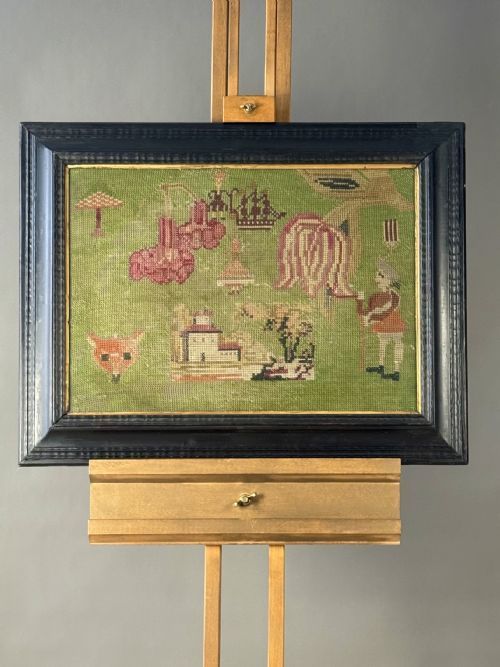
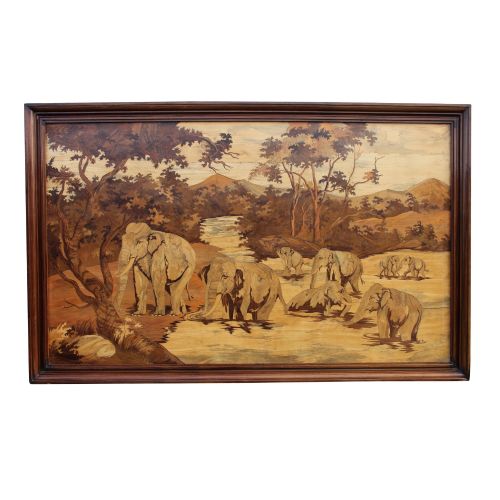
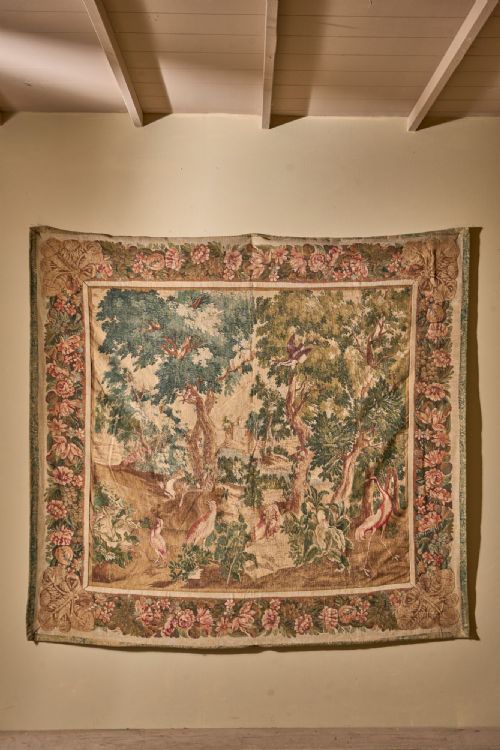
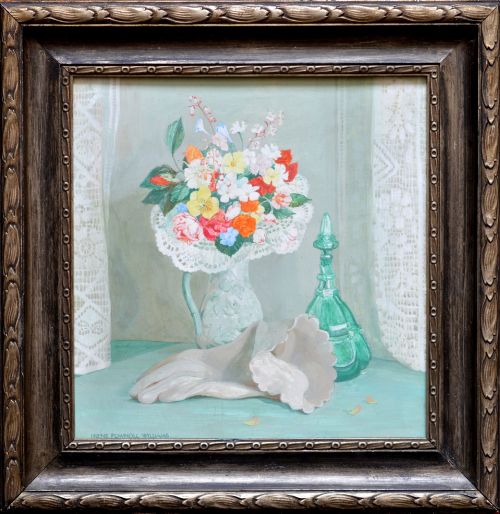
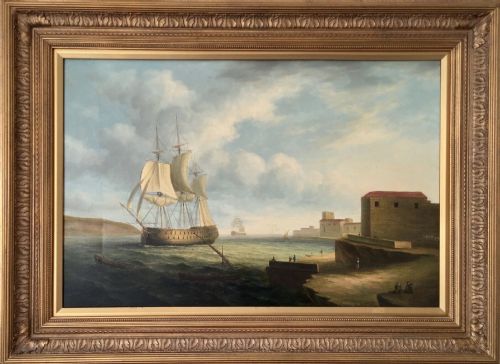
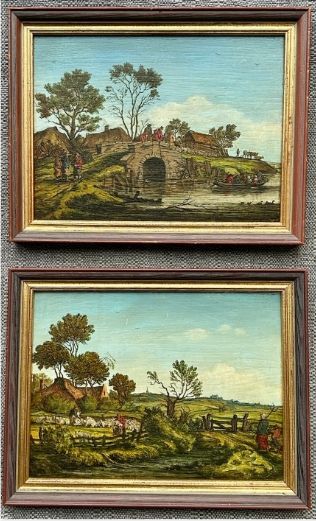
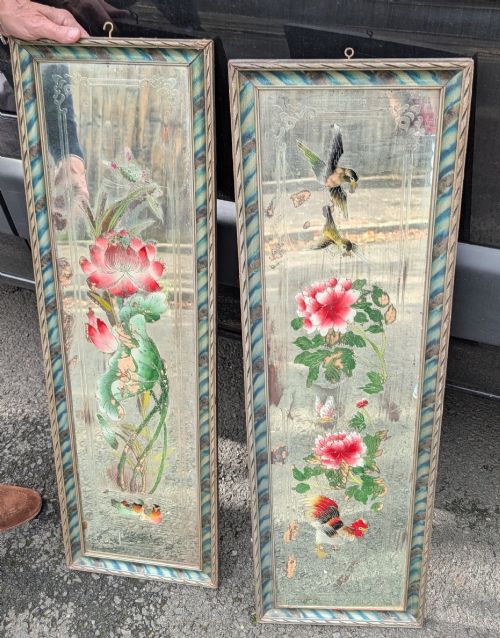
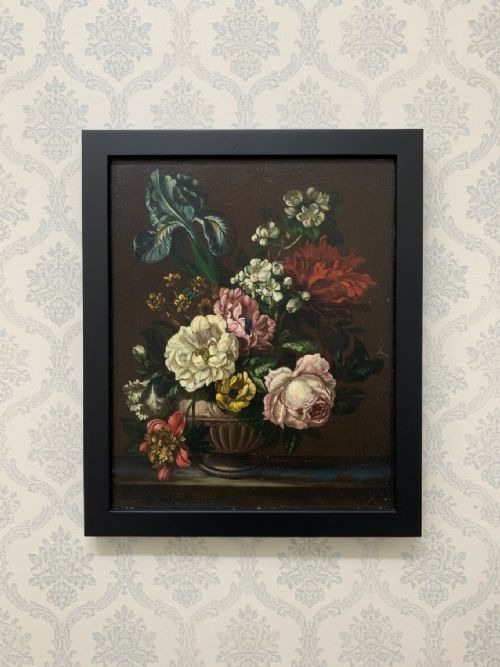
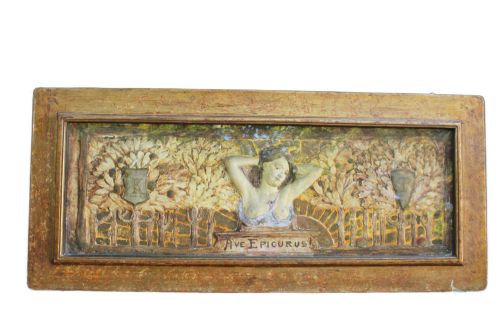
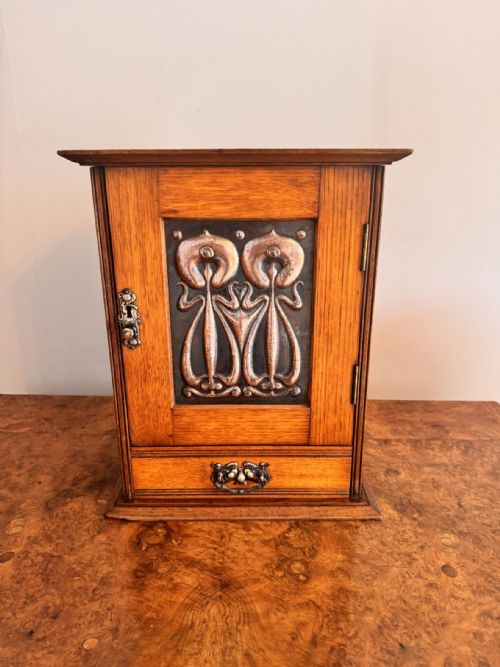
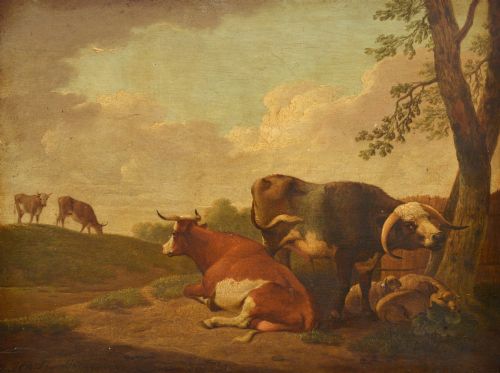
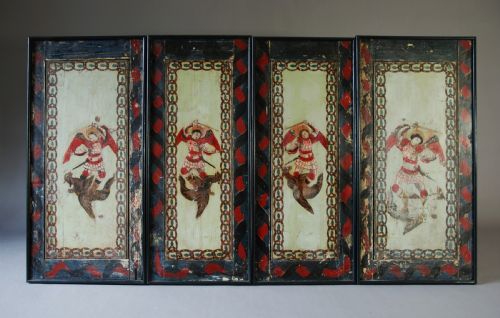
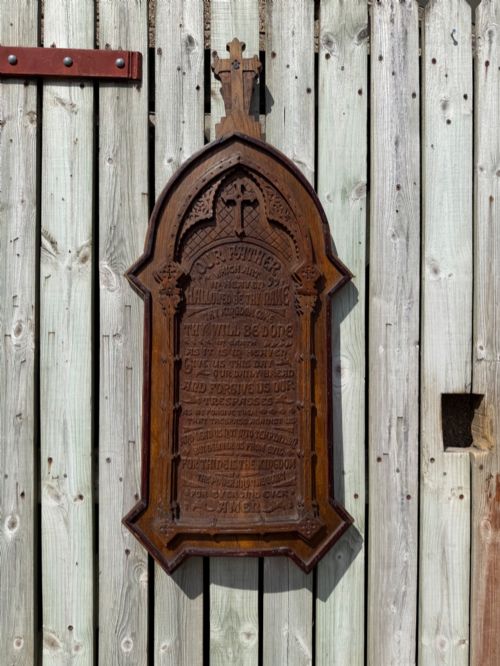
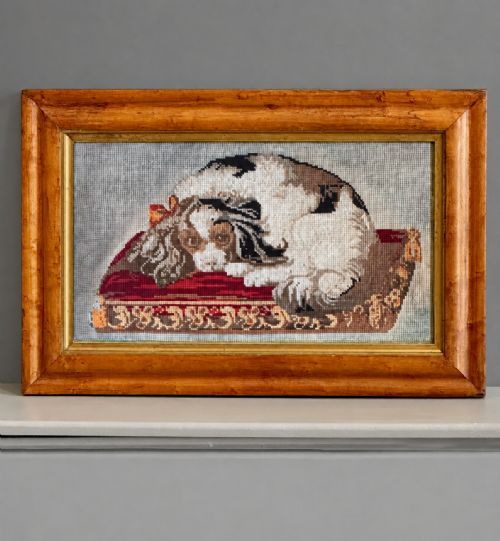
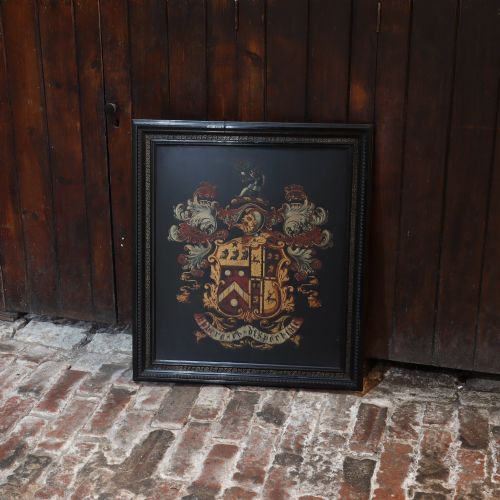
The selections on this page range from oil paintings on wood boards and carved architectural wooden fragments to framed textiles, needlework samplers, and painted decorative panels.
Origins vary widely across these items, incorporating Dutch school still lifes, British landscapes, Chinese silk paintings, Central Asian tribal embroideries, and medieval European religious sculptures.
Materials and construction methods
Makers utilised traditional rigid supports such as wood panels, pine boards, and wooden boards for oil paintings, alongside carved timber for sculptural reliefs and architectural over doors.
Textile panels incorporate delicate media including silk, wool, cotton, and canvas, often embellished with gold leaf, tempera, or detailed needlework and embroidery techniques.
Metal and plaster elements also appear in the record, utilising bronze, iron, and polychrome plaster relief to create durable plaques and decorative screens.
Materials documented across the inventory include oil paint, gold leaf, silk, wool, glass, and carved wood.
Assessing quality in historical panels
Quality rests upon the execution of the painting, carving, or needlework, distinguishing confident, fine artistic handwork from simpler provincial or naive folk art efforts.
The preservation of original materials, frames, and pigments significantly influences the integrity of the piece, particularly in textiles and older painted wood surfaces where flaking or fading can occur.
Joseph Clover RA·Tom Campbell·Hendrik Willem Schweickhardt·Eugene Canneel·Raymond Subes
The Antique Wall Art Panel Glossary
- Oil on panel
- A painting executed with oil paint directly onto a prepared wooden board rather than canvas. This solid support provides a stable surface favoured by many historical European artists.
- Needlework
- A piece created through hand stitching using materials such as wool or silk on a fabric ground. Samplers and Berlin work panels demonstrate domestic skill and decorative ambition.
- Chinoiserie
- A European artistic style reflecting Chinese and East Asian motifs, prevalent in decorative panels and screens. It interprets Asian aesthetics through a distinct Western lens.
- Relief carving
- A sculptural technique where figures or ornamentation project from a flat background surface. This method is common in architectural wood and plaster wall panels.
Antique Wall Art Panel: Frequently Asked Questions
What is an antique wall art panel?
An antique wall art panel is a decorative or fine art object created centuries ago to be displayed on a wall, encompassing everything from oil paintings on wood to carved architectural elements and embroidered textiles.
These pieces reflect the distinct artistic styles, domestic crafts, and architectural traditions of periods ranging from the seventeenth century through to the art deco era.
How do I hang a heavy wooden panel?
Heavy wooden or carved architectural panels require secure mounting into wall studs or masonry using appropriate weight-bearing hardware, given their solid timber construction.
Consulting a professional installer ensures the piece is safely supported without causing damage to the historic material or the wall.
How should I care for antique textile panels?
Antique textile panels and silk embroideries benefit from being kept out of direct sunlight to prevent the fading of delicate threads and painted details.
Displaying them in stable indoor environments away from excessive moisture helps preserve the integrity of older fabrics like wool, cotton, and silk.
Are painted wooden panels fragile?
Painted wooden panels can be sensitive to rapid fluctuations in temperature and humidity, which cause the underlying wood to expand and contract over time.
Maintaining a consistent indoor climate protects the stability of both the wooden board and the historic paint layers applied upon it.