


19th Century Cityscape
A 19th century cityscape captures the bustling streets, grand canals, and historic architecture of the era through the eyes of contemporary artists.
19th Century Cityscape
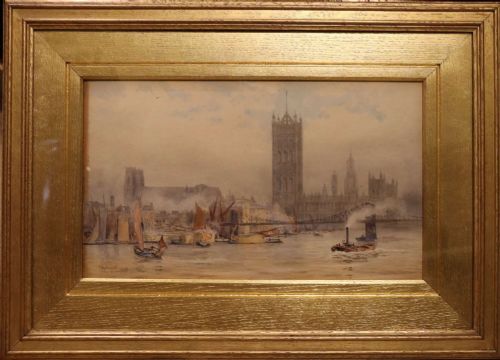
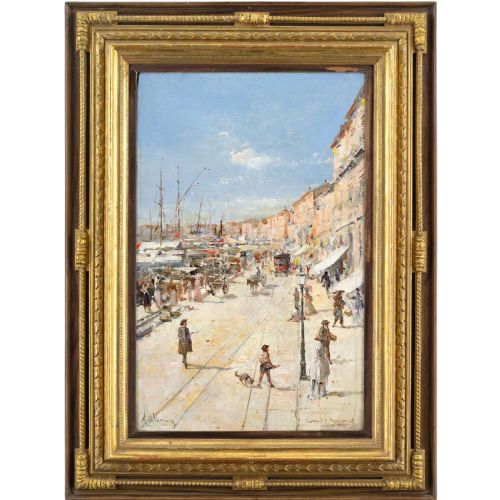
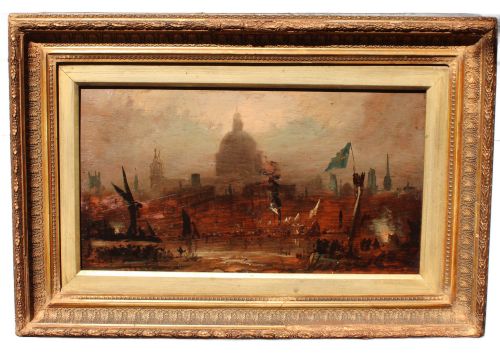
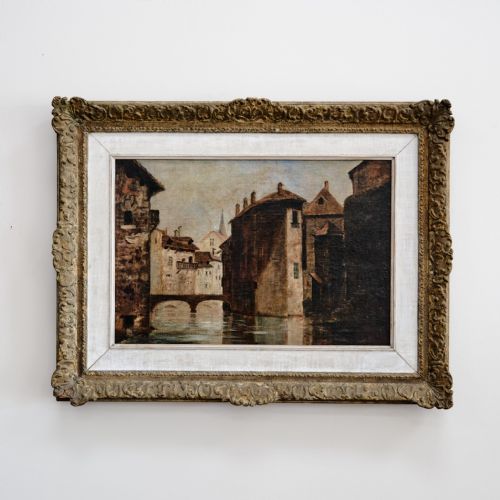
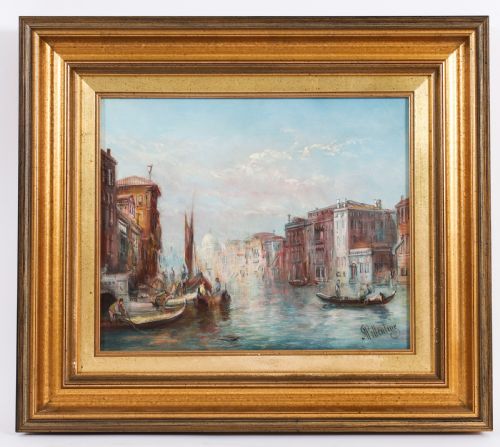
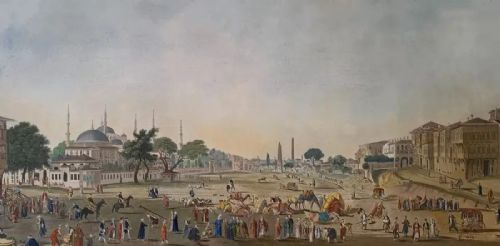
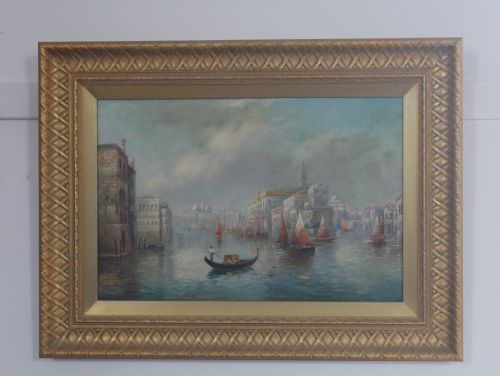
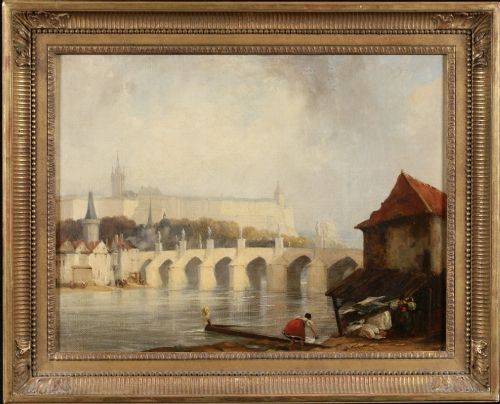
When you examine a 19th century cityscape, you are looking at urban views, architectural studies, and river scenes recorded across Europe and Britain. These works range from grand Venetian canals and continental piazzas to bustling London riverbanks and quiet provincial streets.
The versions you are most likely to meet on this page include oil paintings on canvas or board, alongside delicate watercolours and hand-coloured prints. Many depict specific landmarks such as the Houses of Parliament, St Paul's Cathedral, and the palazzos of Venice.
Origins span across British, French, Italian, and Dutch schools, reflecting the travels of artists on the Grand Tour and the growing fascination with urban modernity. Subjects often include figures in period dress, market stalls, and gondolas navigating busy waterways.
Materials and technique
Artists relied primarily on oil on canvas or board, and watercolour on paper, often finished with protective layers of varnish or held beneath glass within original giltwood frames. Gold leaf occasionally highlights decorative frames, while hand-colouring brings vibrancy to etchings and prints.
Pigments were applied with varying brushwork, from the tight, precise architectural rendering characteristic of topographical studies to the looser, atmospheric application seen in Romantic and realist works. Support mediums like card and heavy watercolour paper provided stable foundations for detailed urban topography.
Listings feature works from the Victorian period through to 1940, utilising oil on canvas, watercolour, and hand-coloured etching.
Distinguishing quality
Quality rests upon the artist's command of perspective, the precision of architectural rendering, and the handling of atmospheric light. Superior works demonstrate a confident balance between the rigid geometry of buildings and the lively movement of crowds and waterways.
The harmony of the palette and the preservation of the original surface further separate finer examples from standard decorative pieces. Original framing and documented artist attributions also elevate the standing of a work within the genre.
Augusto Alberici·Anton Ignaz Melling·Alfred Pollentine·Frederick Tully Lott·William George Meadows·Lewis J Wood·F.D. Campo·William Raymond Dommersen·Antonietta Brandeis·Jane Vivian·Walter Duncan·David Law·Ettore Ascenzi·Ludwig Hermann·William James Boddy·Charles James Keats·George Fall·Samuel Prout
The 19th Century Cityscape Glossary
- Grand Tour
- A traditional trip through Europe undertaken by upper-class Europeans, which fueled a strong demand for topographical views of Italy and France. Painters often catered directly to this travelling clientele.
- Etching
- A printmaking process where lines are incised into a metal plate with acid before being inked and pressed onto paper. Hand-coloured examples received watercolor washes by hand after printing.
- Giltwood
- Wood carved and coated with gold leaf or gold paint, commonly used for framing fine art of this period. Elaborate frames added significant status to the painting they enclosed.
19th Century Cityscape: Frequently Asked Questions
What is a 19th century cityscape?
It is a painting, watercolour, or print depicting urban architecture, streets, harbours, and rivers produced during the 1800s. These pieces document how cities looked and changed during a period of rapid industrial and social growth.
Artists focused on recognizable landmarks, bustling markets, and daily life in major urban centres across Britain and continental Europe.
How were these cityscapes used?
Middle and upper-class collectors displayed them in domestic interiors to commemorate travels, particularly the Grand Tour to destinations like Venice and Rome. They served as conversation pieces and expressions of cultural refinement.
Smaller watercolours and prints were often kept in portfolios or framed for display in drawing rooms and studies.
How should I live with one?
Protect works on paper and watercolour from direct sunlight to prevent fading of the pigments and paper degradation. Maintain stable room temperatures to safeguard older wooden frames and canvas grounds.
Hang them at eye level on interior walls away from damp sources to preserve the integrity of the paint and paper.
How do I tell periods apart?
Early 19th-century works often reflect Romantic or neoclassical sensibilities with softer, atmospheric washes, while late-century pieces lean towards realism and precise topographical detail. Costume styles and architectural modifications depicted in the scene also offer clues to the specific decade of creation.
Signatures, dates, and framing styles help confirm the era when the artist recorded the view.