


Antique Urban Landscape
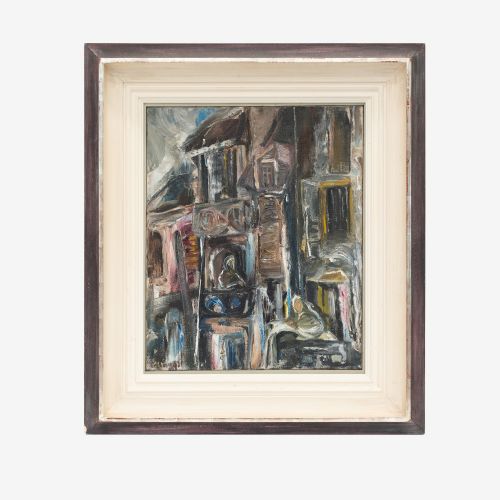
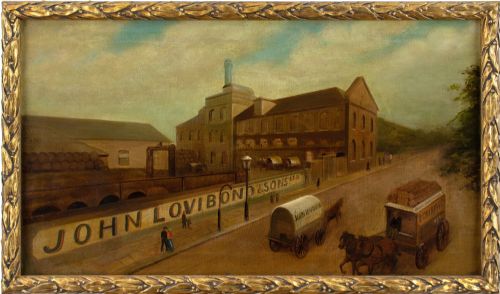
These antique urban landscape paintings capture the atmospheric grit and changing character of city life through centuries of artistic observation.
Antique Urban Landscape
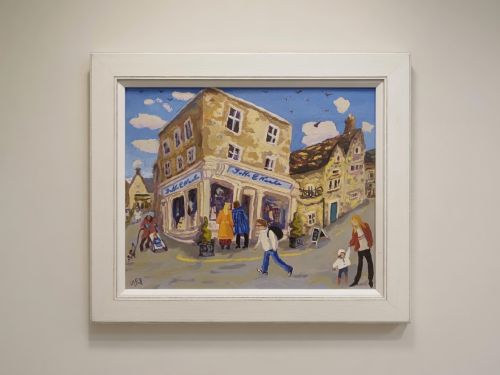
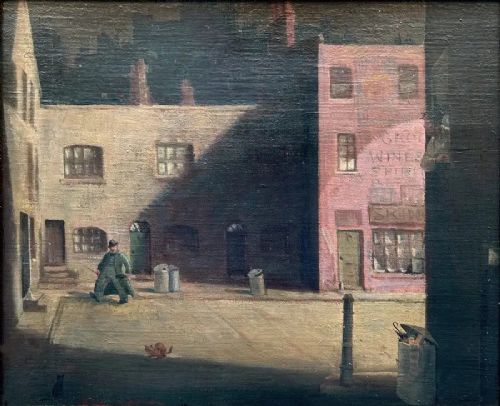
An antique urban landscape portrays city streets, architectural views, and metropolitan scenes created during periods ranging from the Georgian era through the mid-twentieth century. Buyers searching for an antique urban landscape encounter oil paintings on canvas and board alongside delicate watercolours on paper. The selection leans heavily towards nineteenth-century works and early twentieth-century interpretations, capturing historical thoroughfares and moonlight street scenes.
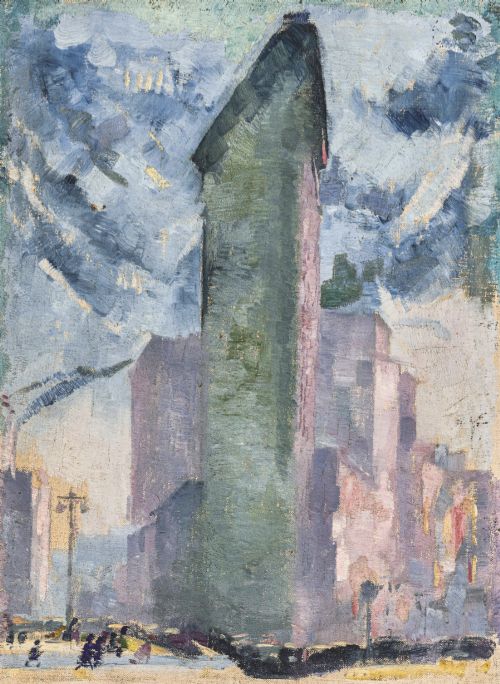
Makers within this selection range from the English School and British Impressionism to Post-Impressionism and Expressionism. Street scenes and cityscapes appear frequently, depicting specific locations such as London, Fulham, and Scarborough. These compositions offer a direct window into the architectural development and social life of historical towns and cities.
Materials and Methods
Artists rendering an antique urban landscape relied primarily on oil paint on canvas or board, and watercolour paint on paper. Oil mediums allowed for rich textures and deep tones suitable for twilight and moonlight city scenes, whilst watercolour provided a fluid transparency ideal for architectural precision. Supports of wood, canvas, and heavy paper sustained these layered applications.
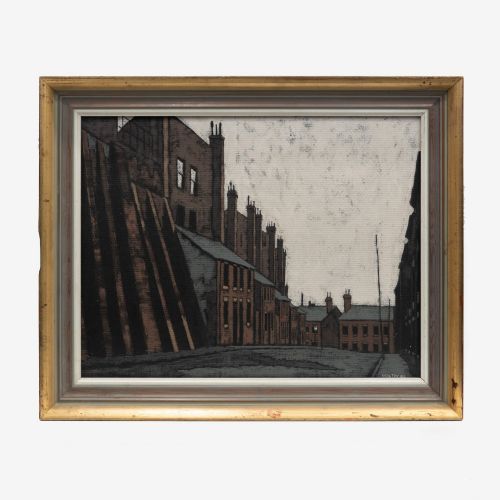
Framing often involved traditional materials such as giltwood to complement the painted surface. The combination of oil pigments, prepared canvas, and timber supports defined the physical structure of these works across the Georgian and Victorian periods.
Several artists braved winter chills and twilight hours just to paint birds before St Martin-in-the-Fields.
Distinctions in Quality
The distinction between standard works and superior examples lies in the artist's handling of light, shadow, and architectural perspective. Masterful depictions manage the complexity of urban geometry whilst maintaining a convincing atmospheric depth, particularly in nighttime or winter twilight scenes.
The strength of provenance and the clarity of the artist's hand elevate specific pieces. Works associated with known painters or established schools demonstrate a surer command of medium and composition than anonymous sketches.
Francisco Sancha·Alfred Wolmark·William Manners·Florence Hess·Lewis J Wood·John Lovibond & Sons·Walter Meegan·Guillaume Urban Régamey·Rowland Henry Hill·Fred Lawson·Matthew Hale
The Antique Urban Landscape Glossary
- Urban landscape
- A genre of art focusing on physical aspects of a city or urban area, including streets, buildings, and industrial sites. These works document the evolution of metropolitan architecture.
- Watercolour
- A paint wherein the colour pigments are suspended in a water-based solution, typically applied to paper. This medium creates translucent washes that capture soft atmospheric effects.
- Giltwood
- Wood that has been treated with gold leaf or a gold-coloured finish for decorative framing. It provides a traditional border for period oil paintings.
- British Impressionism
- A painting style influenced by the French movement, characterised by visible brush strokes and an emphasis on accurate depiction of light in British settings.
Antique Urban Landscape: Frequently Asked Questions
How do I date an antique urban landscape?
Dating relies on stylistic evidence, costume details of any figures depicted, and the construction methods of the canvas support or frame. Period markers within the titles and signatures often provide a direct chronological anchor.
Material analysis of the paper or oil pigments further assists in placing the work within movements like British Impressionism or the Victorian era.
Where should I hang a cityscape painting?
These works suit study spaces, hallways, or living rooms where adequate wall space allows the architectural detail to be appreciated. Direct strong sunlight should be avoided to protect both watercolour paper and oil pigments.
Pairing the piece with neutral wall colours helps the urban tones and framing materials stand out effectively.
What is the difference between oil and watercolour urban art?
Oil paintings utilise heavy pigment bound in oil on canvas or board, offering rich textures and deep, layered colours. Watercolours employ water-soluble pigments on paper, resulting in lighter, more translucent compositions.
Oils frequently handle nocturnal or twilight scenes with heavy impasto, whilst watercolours excel at capturing crisp architectural lines.
How do I care for antique paper art?
Works on paper require framing behind conservation-grade glass to block ultraviolet light and prevent fading. Maintaining a stable indoor humidity prevents cockling of the paper support.
Professional mounting ensures the watercolour remains separated from the glass surface over time.