



Gilded Oval Girandole
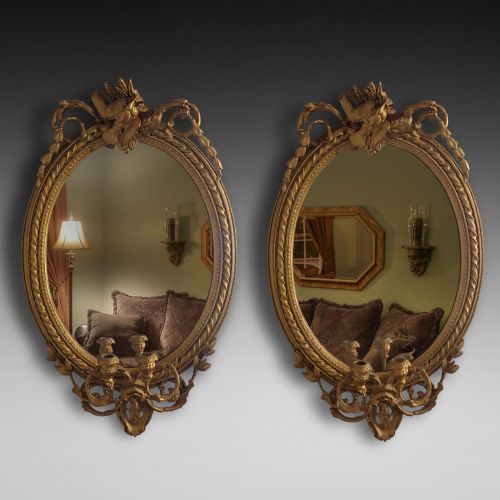
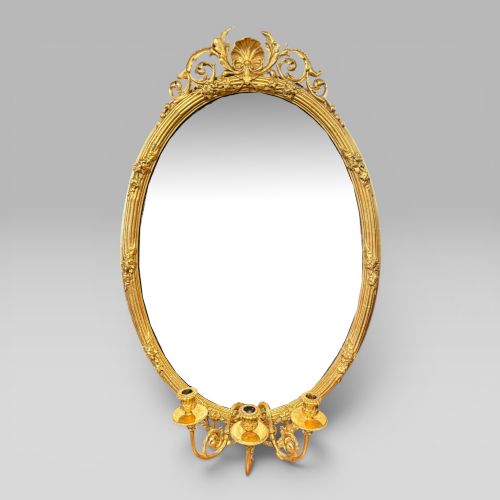
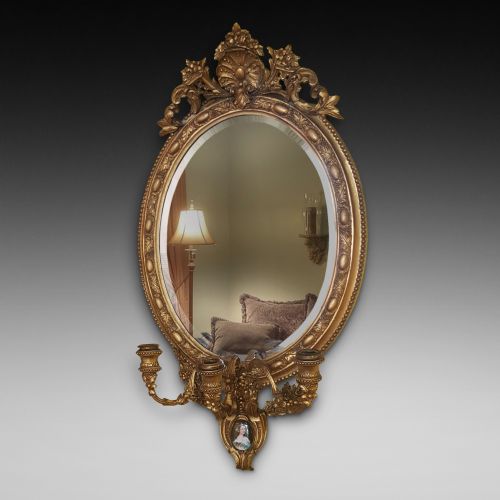
A gilded oval girandole combines the reflective depth of a wall mirror with the soft candle-lit warmth of integrated arms, bringing elegance to any room.
Gilded Oval Girandole
When you search for a gilded oval girandole, you encounter wall-mounted looking glasses designed to catch and multiply light through both their central mirror glass and attached candle sconces. These pieces bridge the gap between functional illumination and decorative wall art, originating primarily from the eighteenth and nineteenth centuries.
On this page, you are most likely to meet examples from the Victorian period alongside earlier eighteenth-century items and later nineteenth-century French Belle Époque creations. Their oval forms soften rectilinear interiors, while the gilded surfaces ensure they function as striking focal points in drawing rooms and hallways alike.
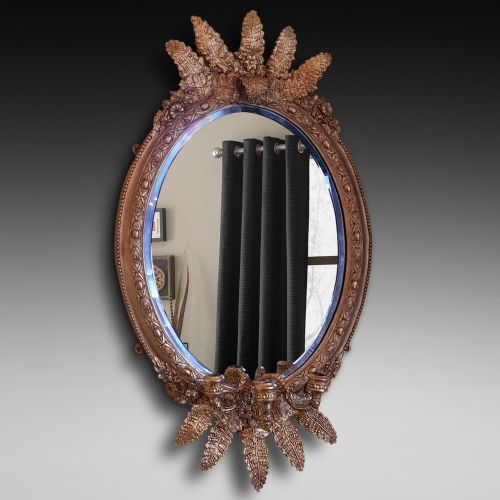
The selection ranges from single wall mirrors to matched pairs incorporating intricate rope twists, classical Neoclassical motifs, and exuberant Rococo Revival scrollwork. Whether rendered in English giltwood or French-influenced gilt gesso, each piece showcases the distinct decorative vocabulary of its originating era.
How they were made
Makers built these frames using foundational woods such as timber before applying layers of gesso to create smooth surfaces suitable for intricate carving and moulding. This preparatory plaster layer allowed artisans to render complex rope twists, floral garlands, and structural flourishes with sharp definition.
Gilding was achieved through the application of gold leaf or gilt paint over the prepared grounds, occasionally utilising water gilding techniques to produce a brilliant, light-catching sheen. Metal elements such as brass formed the structural arms for candle sconces, while heavy silvered mirror glass was hand-set into the rebates.
Materials across the listings focus on traditional components including giltwood, gesso, brass, and mirror glass.
What varies in quality
The distinction between standard examples and superior pieces rests heavily on the crispness of the carved gesso and the depth of the gilding. High-end specimens display hand-carved detail with minimal reliance on cast composition ornament, showing sharp contours in the rope twists and floral motifs.
The preservation of the original mirror plate and the integrity of the giltwood surface dictate the overall desirability of the object. Substantial frames with well-maintained water gilding or rich giltwood patination command greater appreciation than heavily restored or later repainted equivalents.
The Gilded Oval Girandole Glossary
- Girandole
- A wall mirror featuring integrated candle sconces designed to reflect and amplify candlelight. These fixtures were essential for lighting historic rooms before the advent of electricity.
- Giltwood
- Timber that has been coated with gold leaf or gold-coloured preparation. It provides the characteristic luminous quality seen on antique frames.
- Gesso
- A plaster-like mixture applied to wood frames to create a smooth surface for carving and gilding. It allows artisans to achieve high relief and fine detail.
- Rope twist
- A carved decorative motif resembling intertwined rope strands. This pattern frequently edges oval frames from the Victorian era.
- Water gilding
- A traditional technique applying gold leaf over bole using water as an adhesive. It allows the gold to be burnished to a high, reflective shine.
- Neoclassical
- A style drawing inspiration from classical antiquity, characterised by symmetry, restraint, and straight lines. It contrasts with the heavier curves of the Rococo style.
Gilded Oval Girandole: Frequently Asked Questions
Where should I hang a girandole?
These mirrors suit spaces where reflected light and decorative presence enhance the room, such as above a mantelpiece or on a principal drawing room wall. Their integrated candle arms make them particularly effective in spaces designed for evening entertaining.
Ensure the wall construction supports the weight of the timber and gesso frame securely. Positioning them opposite a window maximises the natural light they pull into the interior.
How do I care for giltwood?
Dust the frame gently with a dry, soft brush to prevent the accumulation of dirt within the carved recesses of the gesso. Avoid liquid cleaners and chemical polishes, which can strip or damage fragile gold leaf and historical patination.
Keep the mirrors away from direct moisture and fluctuating heat sources to protect the delicate ground beneath the gilding. Professional consultation is recommended for any necessary structural repairs.
Are girandoles meant for candles?
The integrated arms were originally designed to hold wax candles, amplifying the illumination in a dimly lit room through the mirror glass. While they can still hold candles today, many owners prefer to let them function purely as decorative wall art.
If you choose to light the candles, use dripless tapers and monitor them closely to prevent wax from damaging the surrounding gilt surface or the glass below.
How do I tell Victorian from earlier work?
Victorian examples often display heavier proportions and machine-assisted preparation layers beneath the gilding, alongside distinct revival styles like Rococo Revival. Eighteenth-century pieces typically exhibit finer hand-carved details and deeper patination on the primary woods.
Examining the construction of the backboards, fixings, and the composition of the gesso helps clarify the age of the piece. Subtle tool marks left by period artisans provide clues to the manufacturing date.