
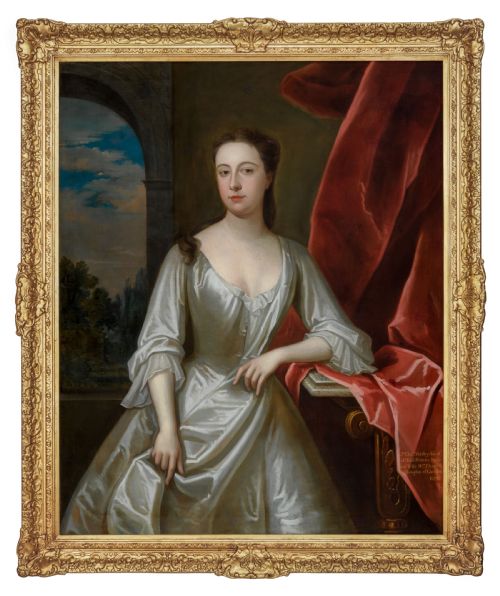
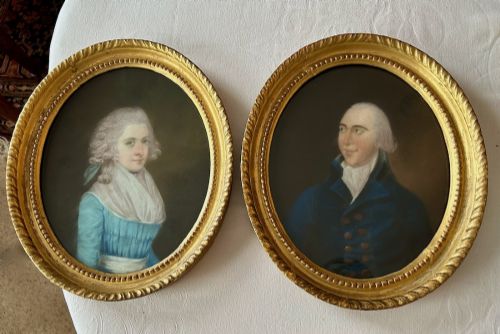


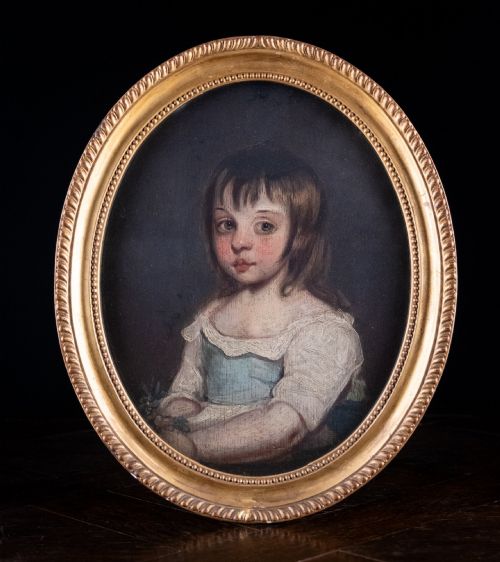
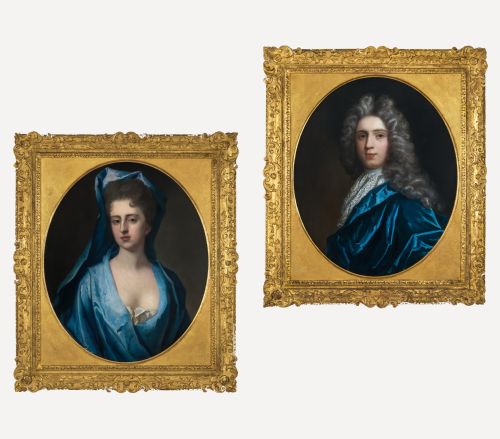
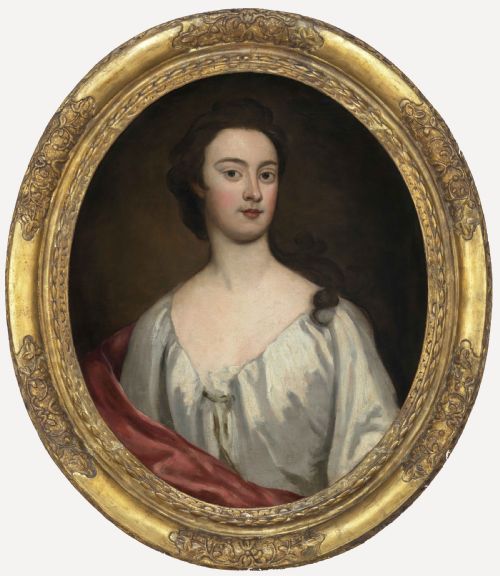
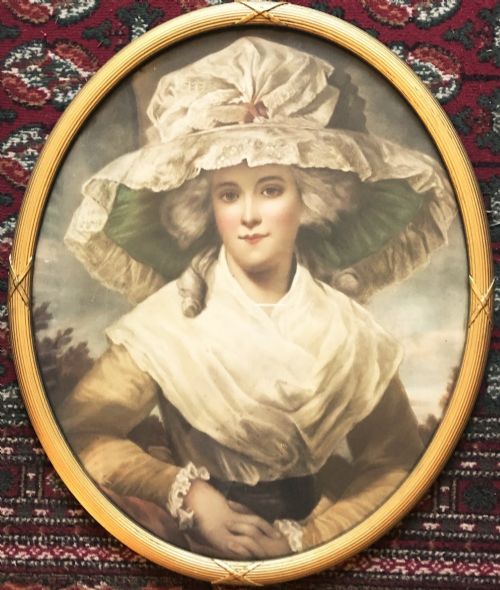
Gilded Oval Frame Portrait
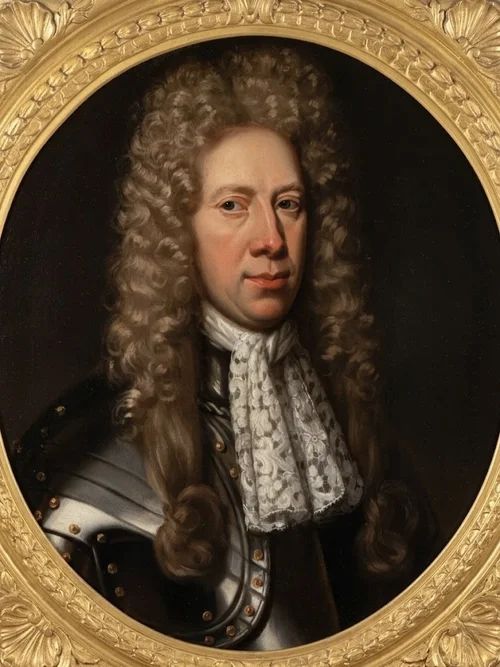
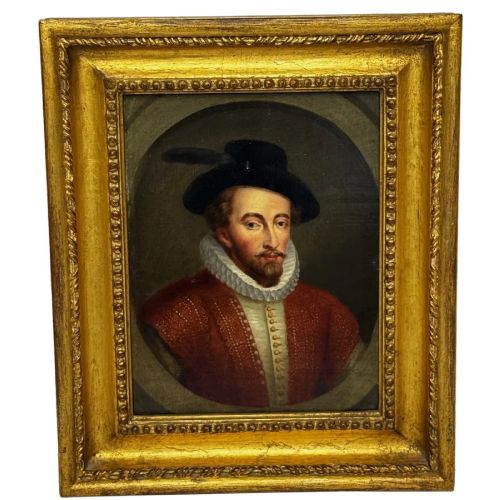
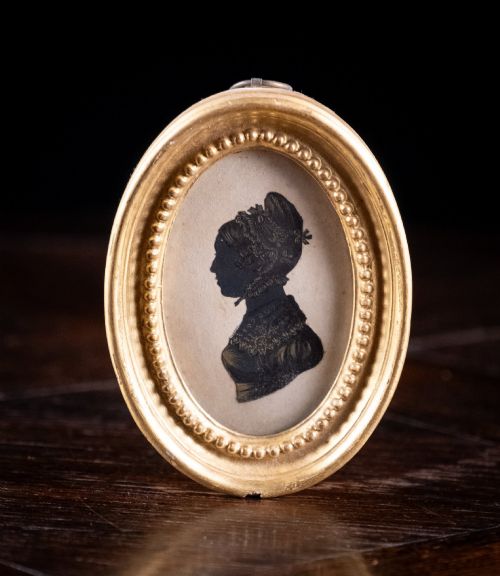
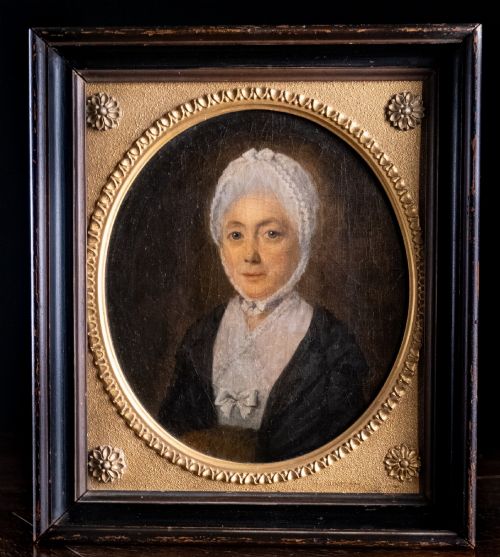
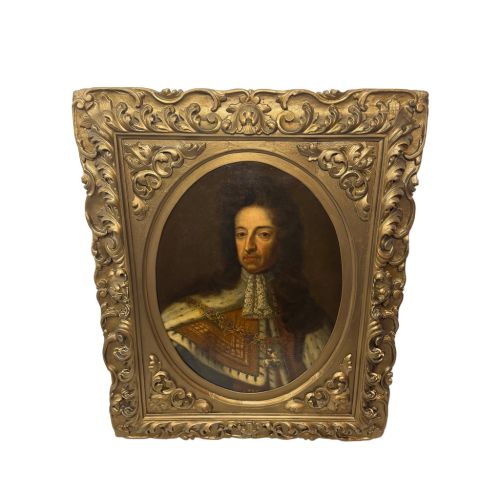
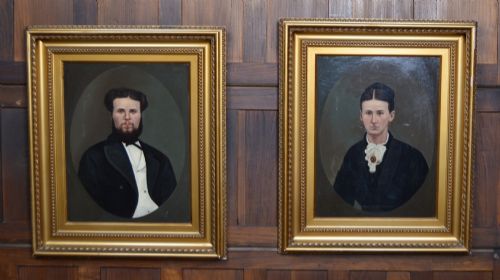
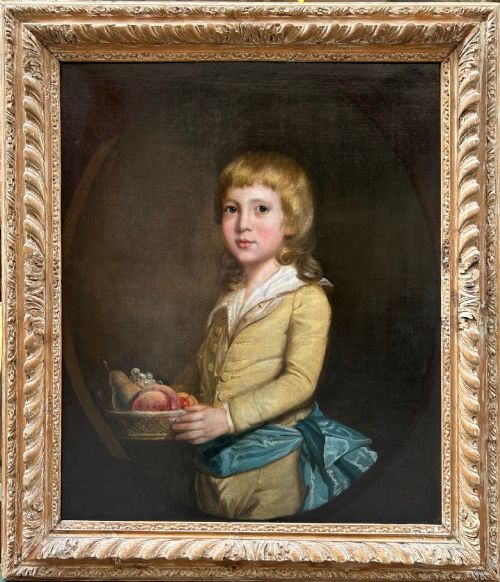
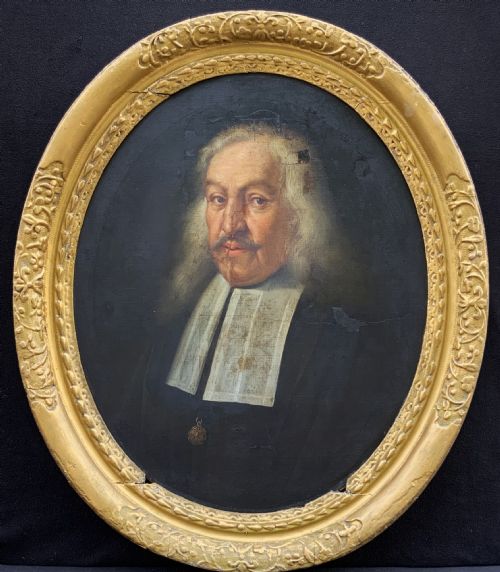
When you search for a gilded oval frame portrait, you encounter historic likenesses captured in oil, pastel, watercolour, and silhouette.
How they were made
Makers constructed these objects using wood, giltwood, and gilt brass to form curved surrounds, applying gold leaf to highlight the moulded ornament. Artists painted directly onto canvas, paper, glass, or panel using oils, watercolours, or pastels.
Glazing protected delicate paper and pastel surfaces, while secure backing boards preserved the integrity of the canvas or miniature support within its rigid boundary.
What varies in quality
Quality depends upon the skill demonstrated in rendering the sitter's expression and anatomy, alongside the crispness of the surrounding gilding on the wood or brass. Finer examples display meticulous brushwork or precise silhouette cutting that brings depth and character to the subject.
The preservation of the original gilt surface and the harmony between the artwork and its curved housing significantly influence the overall standard of the piece.
Current listings feature works created across the seventeenth, eighteenth, nineteenth, and twentieth centuries, using oil, pastel, and paper.
Sir Godfrey Kneller·Michael Dahl·Thomas Murray·JOHN SCOUGALL·Thomas Beach·Pieter Borseler·Jeremiah Davison·Thomas Gainsborough·Allan Ramsay·Arthur Percy Dixon·Arthur William Devis·Susie Lassam·George Hargreaves·John Miers·Ozias Humphry·Fernand Toussaint
The Gilded Oval Frame Portrait Glossary
- Giltwood
- Wood that has been coated with gold leaf or gold paint. This technique provided a bright, reflective finish popular for framing historic artwork.
- Silhouette
- A portrait profile filled in with a solid dark colour, often cut from paper or painted. These profiles frequently appeared in early nineteenth-century contexts.
- Portrait Miniature
- A small-scale painting capturing a person's likeness with high detail. Artists typically painted these on materials such as ivory, vellum, card, or glass.
- Pastel
- A dry medium composed of powdered pigment and a binder, pressed into stick form. Pastels created soft, chalky colour gradations on paper or canvas surfaces.
- Oil on Canvas
- Pigment mixed with drying oil applied to a woven fabric support. This method allowed rich colour blending and durability over centuries.
Gilded Oval Frame Portrait: Frequently Asked Questions
What periods do these portraits cover?
The available selection spans from the seventeenth century through the Georgian and Regency periods, extending into Victorian and Edwardian times.
This broad chronological range records shifting fashions in portraiture and framing techniques over several hundred years.
What materials make up the frames?
Frames utilise wood, giltwood, and gilt brass to construct the distinct curved boundary surrounding the artwork.
Gold leaf application gives these surrounds their characteristic metallic sheen and decorative presence.
How were pastel portraits protected?
Pastel works on paper or canvas often relied on glass glazing to shield the fragile, powdery pigment from physical disturbance.
This barrier helped preserve the soft textures and delicate tones applied by the artist.
What mediums appear in the artwork?
Artists employed oil on canvas, pastel, watercolour, and silhouette techniques to record the likenesses of their subjects.
These diverse mediums allowed for varying levels of detail, from expansive painted canvases to intimate miniature watercolours.