





Gilded Mantelpiece Mirror
A gilded mantelpiece mirror brings scale and reflected light to a room, anchoring the hearth with period presence.
Gilded Mantelpiece Mirror
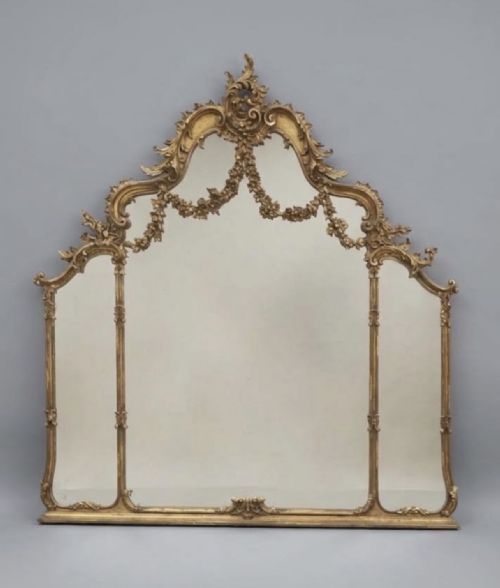
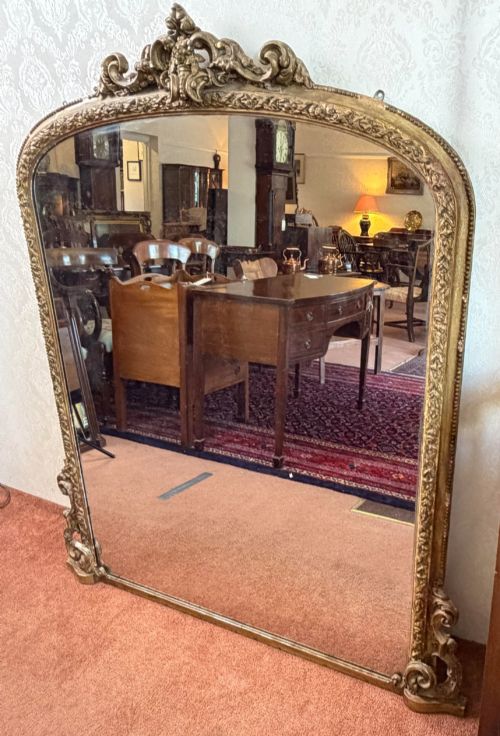
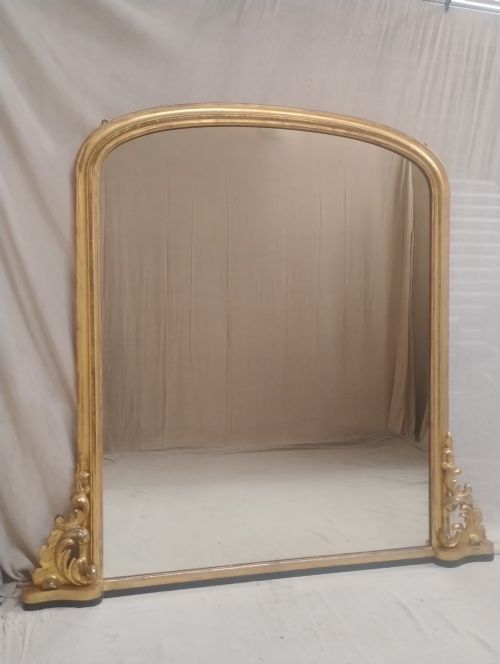
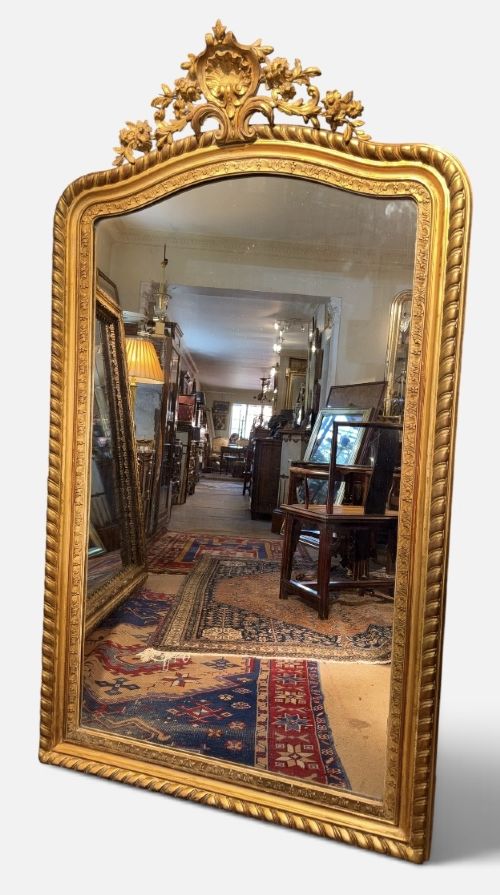
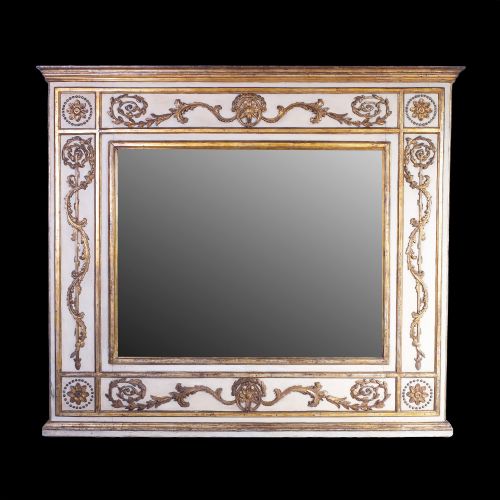
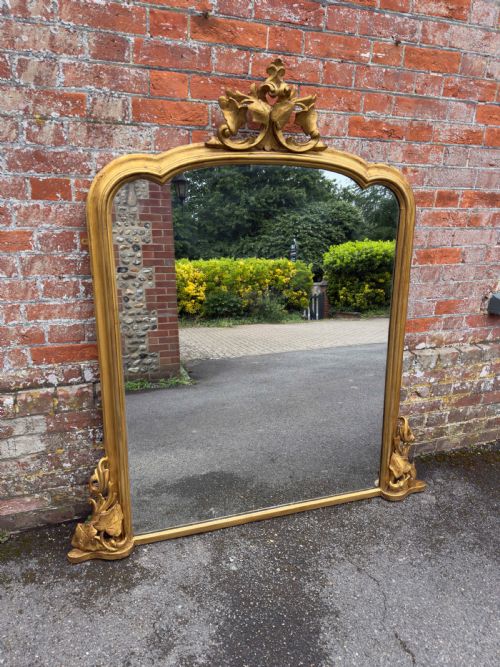
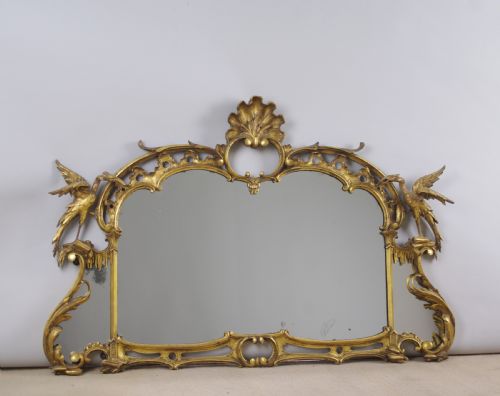
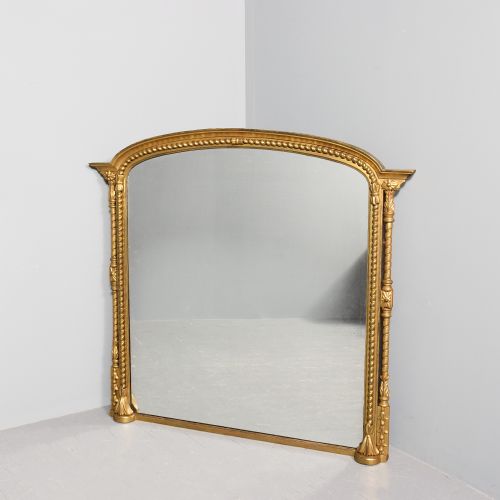
A gilded mantelpiece mirror is designed specifically to sit above a fireplace, dominating the chimney breast with architectural presence. The pieces appearing here span the nineteenth century into the early twentieth century, taking forms such as overmantels and wall mirrors.
Buyers will encounter varied regional interpretations, including English carved wood and gesso examples alongside French and Italian designs. Shapes range from simple rectangular frames to arched tops, cartouche forms, and large triple-plate formats.
Stylistic influences stretch across Regency, Victorian, Rococo Revival, Neoclassical, and Chinese Chippendale aesthetics. These items function primarily as grand focal points, originally proportioned to reflect the dimensions of period fireplaces.
How They Were Made
Carved wood provides the structural core for many frames, overlaid with gesso and composition ornaments to build up intricate relief details. Artisans then applied gold leaf or paint directly over the prepared surfaces to achieve a bright finish.
Mirror glass plates within these frames often exhibit historical characteristics such as etching or silvering wear appropriate to their age. Construction techniques rely on heavy timber framing to support substantial glass panels safely above the mantel.
What Varies in Quality
The crispness of the carved detail and the depth of the gesso moulding dictate the visual fidelity of the frame. Skilled hand-carving maintains sharp definition in motifs like lion heads or foliage, whereas lower tiers rely on heavier composition moulding with softer edges.
The integrity of the original gilding and the preservation of the mirror plate distinguish higher examples from later restorations. Frames retaining their initial gold leaf layers and undisturbed glass display greater harmony than those with mixed surface treatments.
The Gilded Mantelpiece Mirror Glossary
- Overmantel mirror
- A large mirror specifically proportioned to hang on the wall directly above a fireplace mantelpiece. These pieces often feature horizontal formats or tall arched tops designed to fit chimney breasts.
- Gesso
- A plaster-like mixture applied to wooden frame bases to create a smooth surface for gilding or deep relief moulding. Artisans carve and stamp this material before applying gold leaf.
- Composition
- A moulded mixture of whiting, resin, oil and glue pressed into decorative ornaments for picture and mirror frames. It offers a quicker alternative to hand-carving wooden details.
- Cartouche
- An ornamental frame or tablet resembling a rolled-up scroll or shield, often seen on French mirrors. This decorative motif characterises Rococo and Victorian revival designs.
- Tryptic
- A mirror composed of three separate glass plates mounted side by side within a single frame. Regency and Victorian makers frequently utilised this configuration for wide mantel installations.
Gilded Mantelpiece Mirror: Frequently Asked Questions
How do I hang a heavy overmantel mirror?
These heavy wooden and glass frames require secure fixing directly into masonry or substantial wall studs using rated brackets. Professional installation is normally recommended due to the considerable weight of the combined wood and mirror glass.
Positioning the base just above the mantel shelf allows the piece to rest slightly while brackets bear the primary load. This prevents shifting and distributes the downward force safely along the chimney breast.
What styles are common in these mirrors?
Nineteenth-century pieces frequently display Regency restraint or ornate Victorian Rococo Revival flourishes. Neoclassical motifs and Chinese Chippendale influences also appear across English and continental workshops.
Frames often feature arched tops, lions' heads, or intricate foliate carving. Selecting a style depends largely on the architectural period of the room it will inhabit.
How do I clean an antique gilt frame?
Dusting the frame gently with a soft dry brush prevents the accumulation of dirt without disturbing fragile gold leaf surfaces. Avoid using commercial cleaning sprays or water on gilded gesso, as moisture strips the historic finish.
Mirror plates can be wiped carefully with standard glass cleaner applied to a cloth rather than sprayed directly onto the glass. This stops liquid from seeping behind the plate and damaging the silver backing.
How do I date a gilded mantel mirror?
Dating relies on examining the frame construction, wood types, and the characteristics of the mirror glass itself. Nineteenth-century examples often show hand-chiselled joinery and heavier gesso depth compared to early twentieth-century pieces.
Stylistic cues such as Regency proportions or Victorian arched formats further narrow the period of manufacture. Original backing boards and handwritten dealer notes can also provide useful chronological markers.