


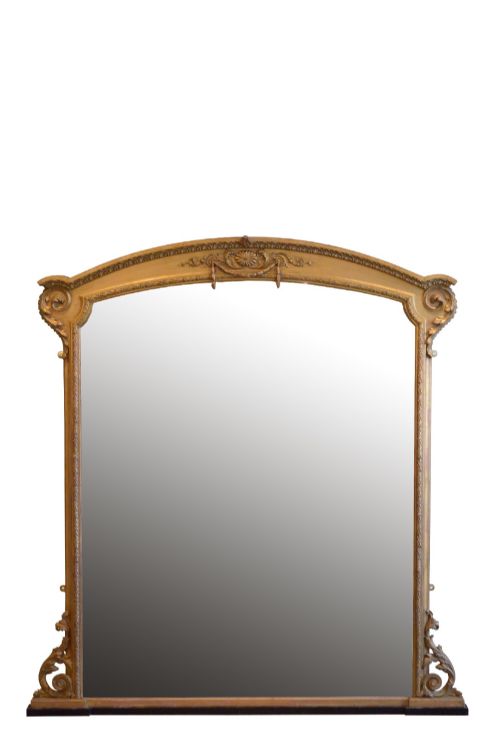

Traditional Gilt Overmantel
A traditional gilt overmantel brings historical presence to a chimney breast, reflecting light and proportioning a room with nineteenth-century scale.
Traditional Gilt Overmantel
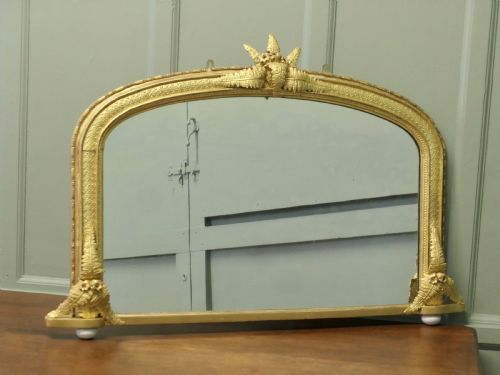
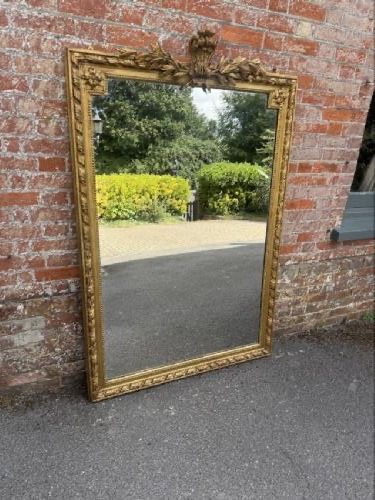
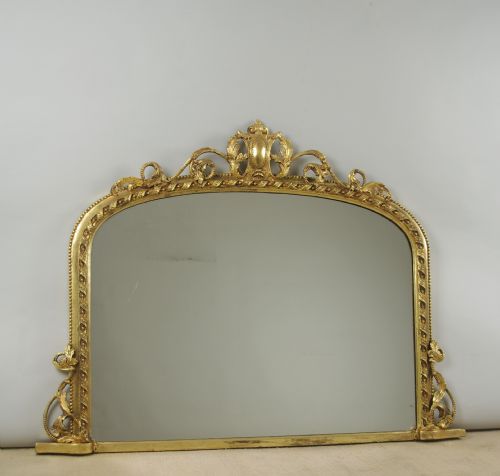
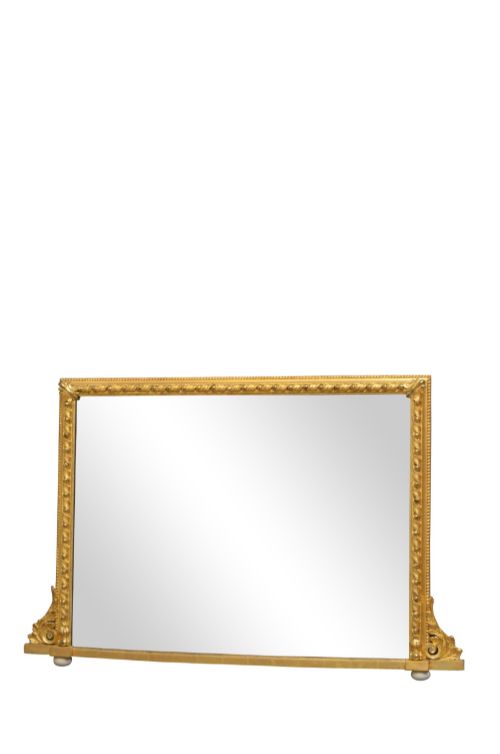
When you search for a traditional gilt overmantel, you encounter large horizontal mirrors designed specifically to sit above fireplace mantels. These items predominantly date from the nineteenth century, encompassing Victorian, Regency, and Edwardian periods.
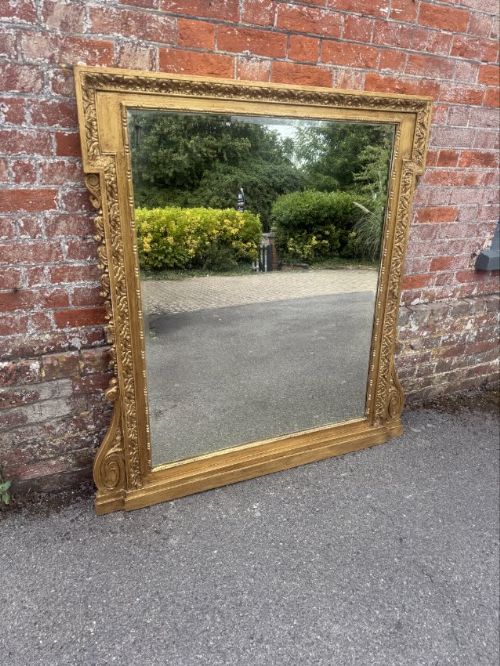
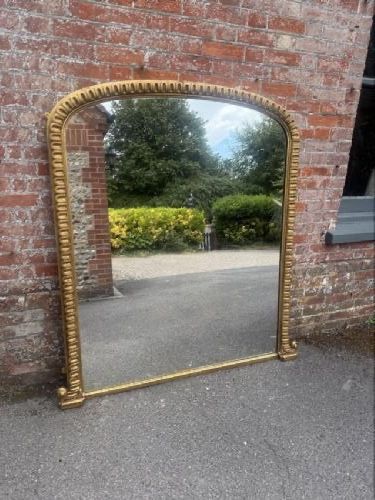
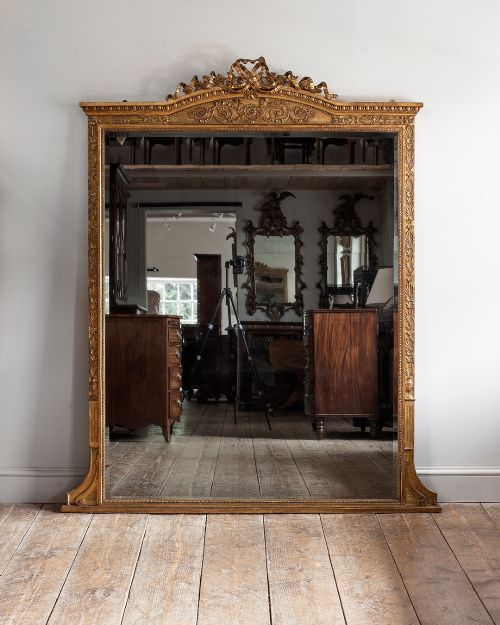
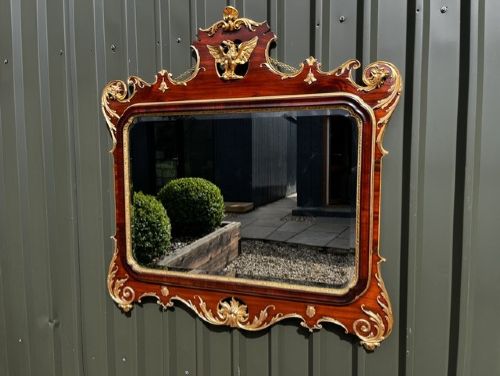
The format typically includes arched, shaped, or rectangular wooden frames finished in gold leaf, gesso, or composition. English and French workshops produced these pieces in large proportions to anchor formal rooms and bounce daylight across the floor.
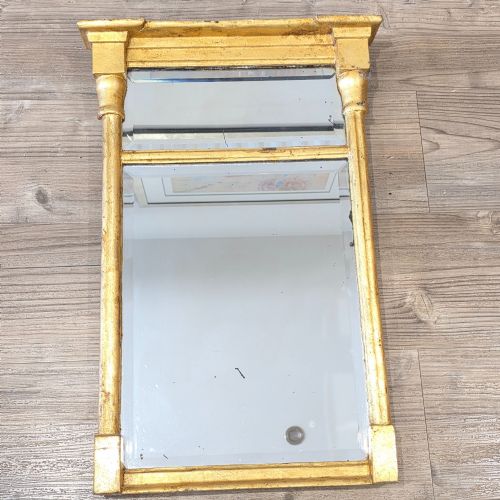
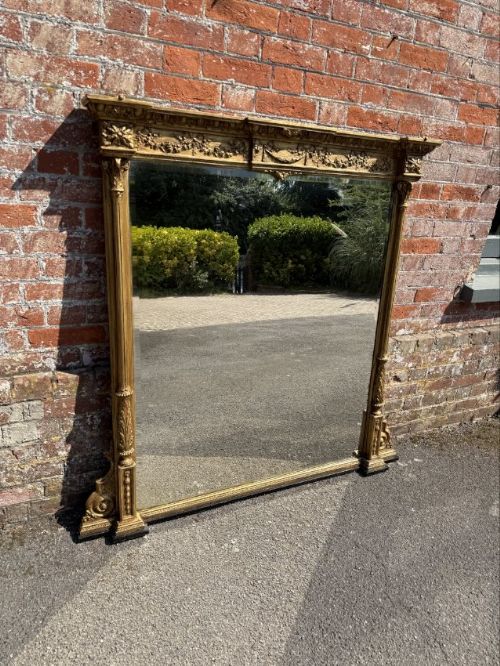
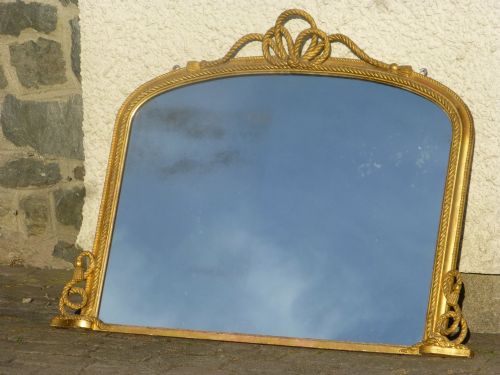
The most common examples on this page are Victorian and nineteenth-century English pieces featuring carved wood and gesso ornamentation. They frequently display architectural motifs such as columns, rope twists, and ribbed mouldings.
How they were made
Maker construction relies on a sturdy timber base, often pine or hardwood, shaped to form rectangular, arched, or curved tops. Craftsmen then applied layers of gesso, a chalk and glue mixture, to the wooden foundation in order to carve intricate decorative details.
Gilding completed the surface through the application of gold leaf or gilt paint over the prepared gesso and wood. Many pieces integrate composition ornament, a malleable paste pressed into moulds and fixed to the frame before gilding.
Some maritime-themed mirrors incorporate a rope twist motif, reminding us that nineteenth-century carvers occasionally brought nautical weather straight into the drawing room.
What varies in quality
Quality rests upon the depth and crispness of the hand-carved wood elements versus moulded composition details. Superior examples maintain intact original gilding and deeply defined architectural framing rather than flat, uniform surfaces.
The integrity of the mirror glass marks another distinction, where original silvering showing light foxing indicates age and authenticity. Heavier timber frames with sound joinery demonstrate superior workshop standards from the nineteenth century.
The Traditional Gilt Overmantel Glossary
- Gesso
- A dense plaster mixture applied to wood frames to create a smooth surface for carving and gilding. This material allows for intricate relief decoration.
- Overmantel
- A large mirror or painting designed to hang directly above a fireplace mantelpiece. These fixtures usually span a significant horizontal width.
- Foxed glass
- Mirror glass displaying dark spots and age-related oxidation within the reflective backing. This characteristic proves the glass is original to the piece.
- Giltwood
- Timber that has been coated in gold leaf or gold paint. It forms the primary decorative finish for these traditional mirrors.
- Rope twist
- A carved spiral moulding resembling a twisted rope, commonly found running along the inner or outer borders of nineteenth-century frames.
Traditional Gilt Overmantel: Frequently Asked Questions
How do I hang a heavy overmantel mirror safely?
These large nineteenth-century frames require direct fixing into masonry wall studs or solid brickwork using heavy-duty brackets. Weight distribution must be shared evenly across the main wooden structure rather than relying solely on decorative hanging loops.
Professional installation is strongly advised due to the substantial combined weight of the timber, gesso, and thick mirror glass.
Were these mirrors always meant to stay above fireplaces?
While manufactured specifically to complement fireplace mantels, their impressive scale suited them to grand entrance halls and principal reception rooms. Placement depended entirely on the interior architecture of the period.
Contemporary placement often mirrors this domestic use, though they function equally well mounted low on plain walls as floor-standing focal points.
What is the difference between Victorian and Regency styles here?
Regency pieces often display restrained classical lines, sometimes featuring pier glass proportions and neat architectural elements. Victorian examples tend toward larger arched profiles with heavier carved ornamentation and gesso relief.
Both periods utilise similar gilding techniques, but the Victorian aesthetic leans towards exuberant decorative framing.