
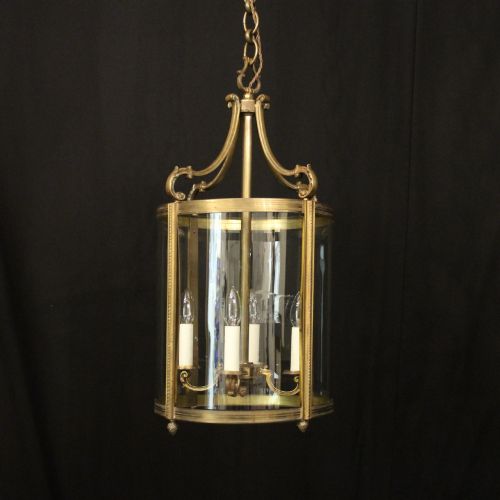
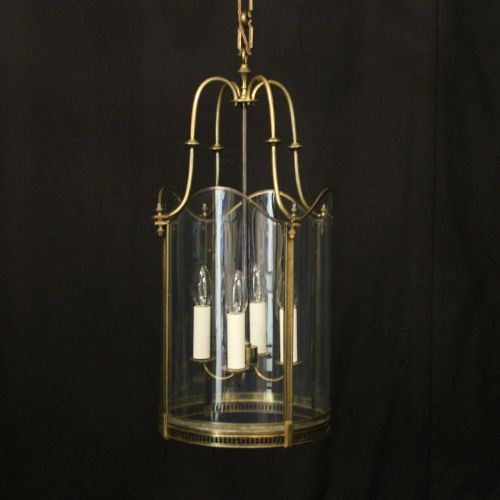
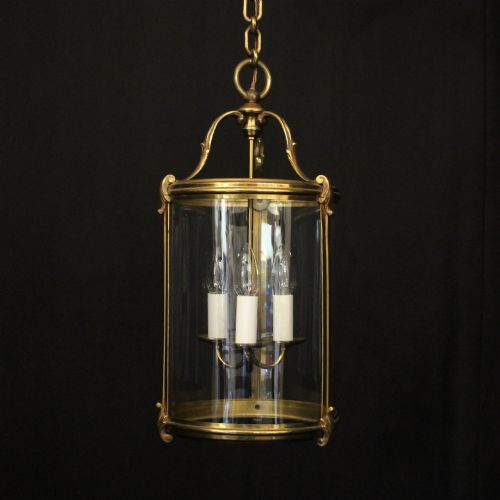
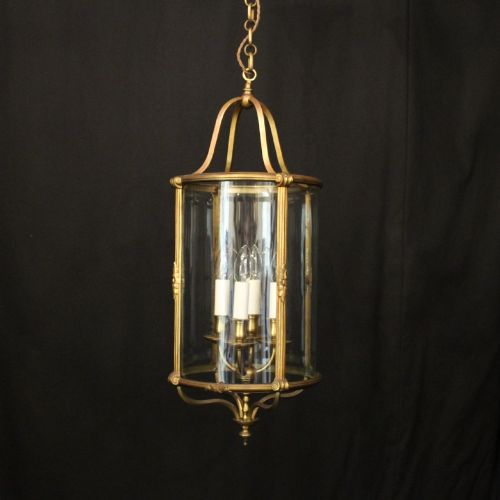
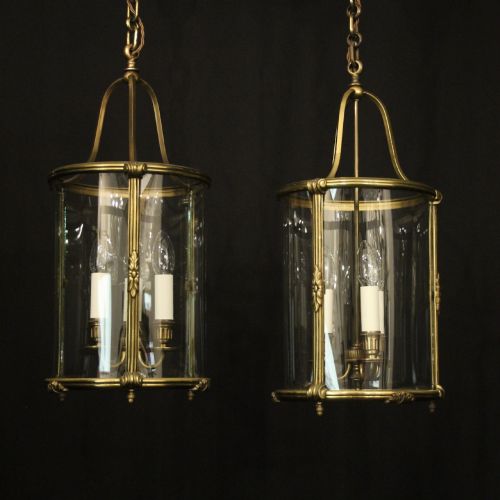
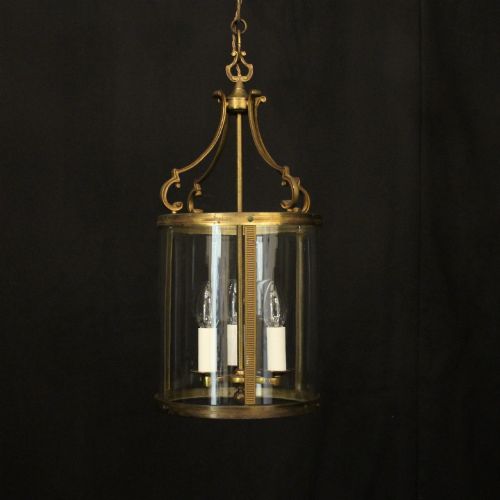
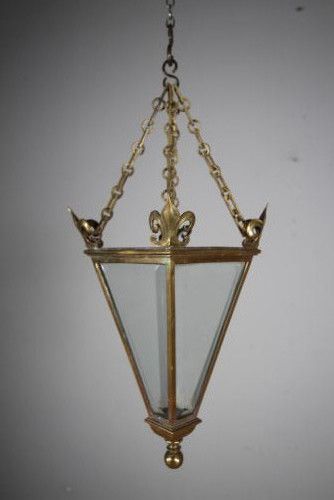
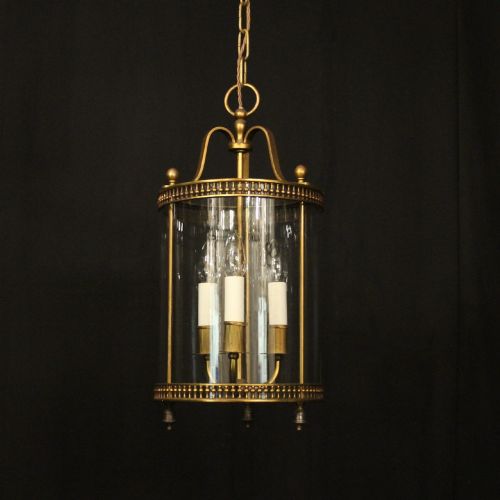


Gilded Hall Pendant Lantern
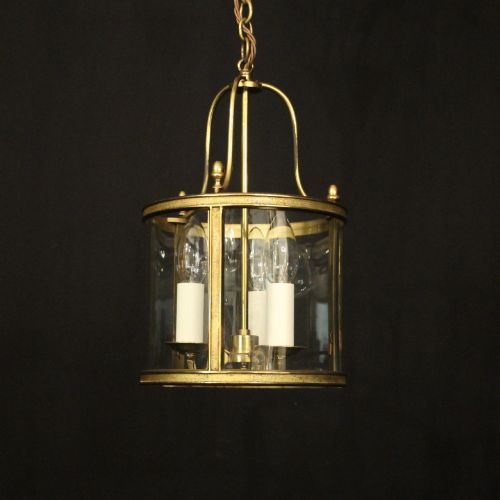
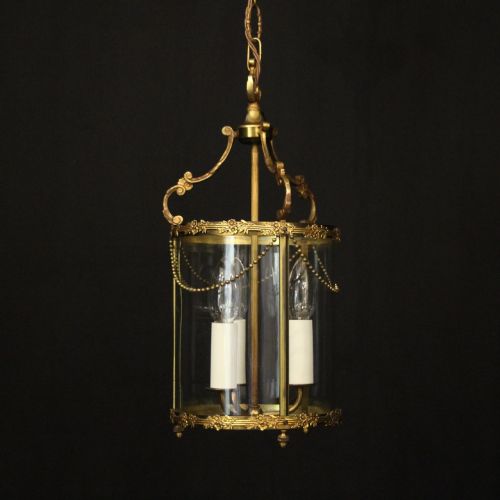
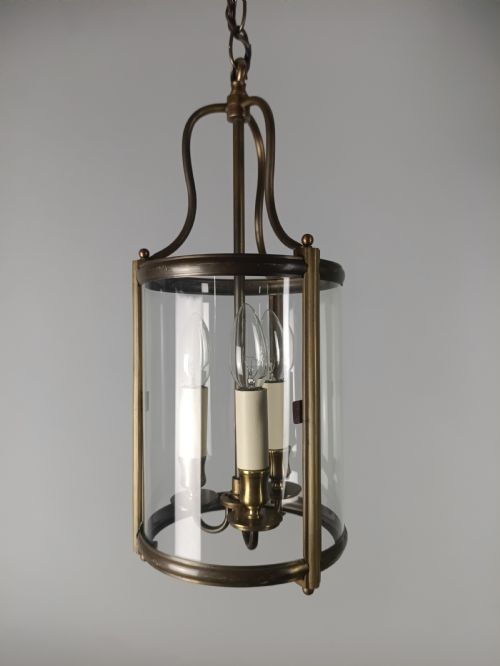
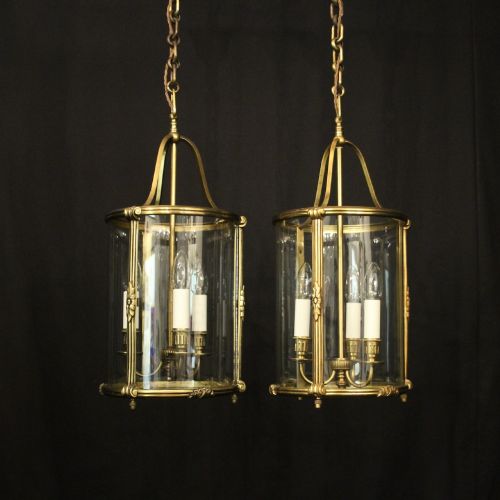
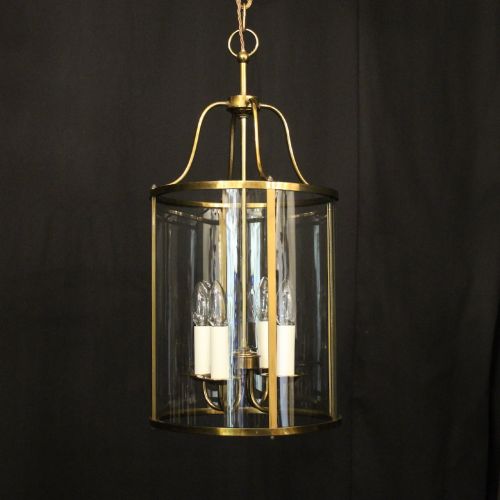
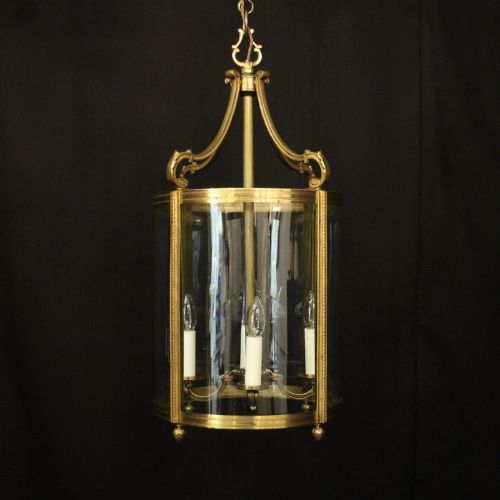
A gilded hall pendant lantern brings immediate warmth and formal presence to an entranceway through warm metallic finishes and glass.
Gilded Hall Pendant Lantern
A gilded hall pendant lantern is a ceiling-suspended lighting fixture designed specifically for entranceways, corridors, and high-ceilinged vestibules. These pieces combine glazed panels with metal frames to direct illumination outward while casting warm reflections from their metallic surfaces. When searching for a gilded hall pendant lantern, buyers encounter forms that range from compact single-bulb fixtures to monumental multi-light fittings.
The selection centres heavily on French designs from the early twentieth century, alongside nineteenth-century English, Venetian, and Florentine examples. Common configurations include convex glass panes held within robust bronze, brass, or giltwood frameworks styled after neoclassical, rococo, and gothic traditions. These fixtures serve both as practical overhead lighting and as architectural statements in entrance spaces.
How they were made
Makers constructed these lanterns using cast bronze, brass, or carved wood as structural frames, subsequently applying gold leaf, silver gilding, or ormolu finishes to the metalwork. Glass panels - frequently curved, convex, or bevelled - were individually cut and fitted into the metal channels to enclose the interior lamp holders. Toleware variations incorporate painted sheet metal alongside applied gilding to achieve decorative colour contrasts.
Traditional joinery and mechanical fasteners secure the glass within the gilded frameworks without relying on modern adhesives. Metal components were cast in sections, chased by hand to refine surface detail, and assembled to support multiple internal light bulbs. The suspension systems utilise matching chains or rods connected to decorative ceiling canopies.
Some French lanterns are styled specifically after the grand fixtures illuminating the Palace of Versailles.
What varies in quality
The standard of a gilded hall pendant lantern depends largely on the crispness of the metal casting and the complexity of its decorative motifs. Heavier gauge bronze frames and meticulously carved giltwood structures demonstrate superior craftsmanship compared to lighter stamped brass alternatives. The depth and integrity of the original gold leaf or gilt finish also distinguish finer pieces from later, less nuanced surface treatments.
Glass selection significantly influences the overall character of the fixture, with heavy bevelled or convex panes representing higher manufacturing effort than flat, standard glass. The integration of structural elements, such as neatly concealed fixings and robust internal candle arms or lamp clusters, marks the distinction between standard production items and exceptional architectural commissions.
The Gilded Hall Pendant Lantern Glossary
- Convex glass
- Curved glass panes that bulge outward from the lantern frame to diffuse light more broadly. This technique creates subtle optical distortions that soften the interior illumination.
- Ormolu
- Finely chased and gilt bronze ornamentation applied to decorative metalwork. The term derives from the French for milled gold.
- Giltwood
- Timber that has been coated with a thin layer of gold leaf or gold paint. This material appears frequently in grand Venetian and Florentine hanging lanterns.
- Bevelled glass
- Glass panes with edges cut and polished at an angle to catch and refract light. This treatment adds visual depth to the glazed panels.
- Toleware
- Painted and lacquered sheet metal items that sometimes incorporate gilded details. It offers a colourful alternative to plain metallic bronze or brass frames.
Gilded Hall Pendant Lantern: Frequently Asked Questions
How do I hang a hall lantern?
These fixtures suspend from ceilings using integrated loops, chains, or metal rods connected to secure overhead joists. Weight dictates the required ceiling support, particularly for heavy bronze or carved giltwood models.
Professional installation ensures proper electrical wiring and weight distribution, as many antique lanterns utilise multi-bulb configurations that require stable load-bearing hardware.
What rooms suit a pendant lantern?
Entrance halls, stairwells, and high-ceilinged corridors provide the traditional setting for these hanging lights. Their vertical proportions draw the eye upward while illuminating circulation spaces effectively.
Placing a lantern in a dining room or above a library table also works well when sufficient ceiling height allows for a clear drop from above.
How do I clean gilded metal?
Gentle dusting with a soft, dry brush or microfiber cloth removes everyday particles without disturbing delicate gold leaf. Moisture and chemical cleaners should be avoided to prevent stripping the historic gilt surface.
Professional conservators handle deeper restorations or cleaning of fragile ormolu and gilded bronze to preserve the underlying patina.
How do I identify French styles?
French lanterns frequently display characteristic Louis XV, Louis XVI, or neoclassical motifs such as acanthus leaves, ribbons, and symmetrical scrolling frames. The attribution often relies on documented design sources like the Palace of Versailles or traditional Parisian metalworking workshops.
English and Italian alternatives often incorporate distinct regional traits, such as Florentine carved woodwork or heavier nineteenth-century Gothic revival influences.