

Hanging Glass Light Fitting
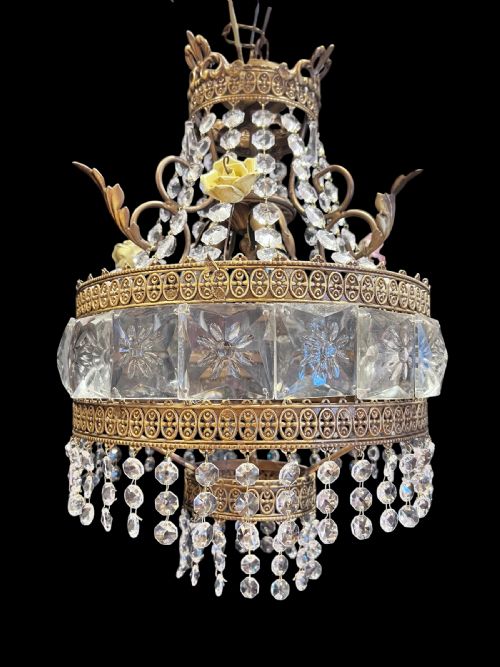
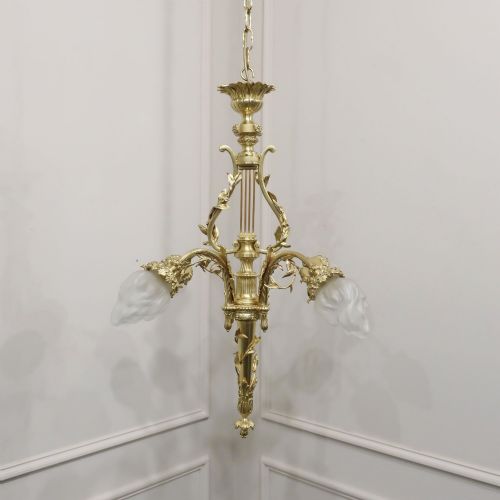
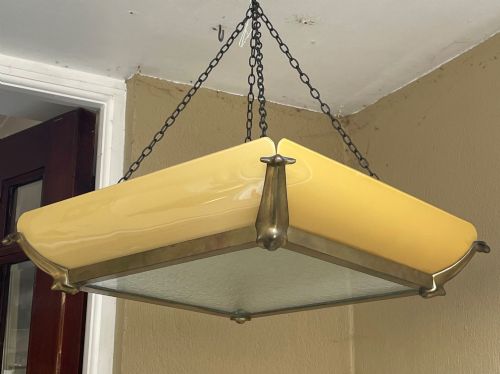
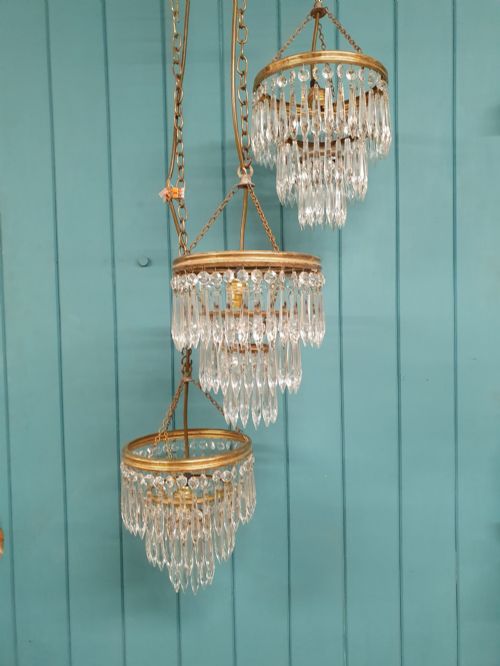
A hanging glass light fitting illuminates a room from above, bringing together brass, crystal and metal in styles from Victorian to Art Deco.
Hanging Glass Light Fitting
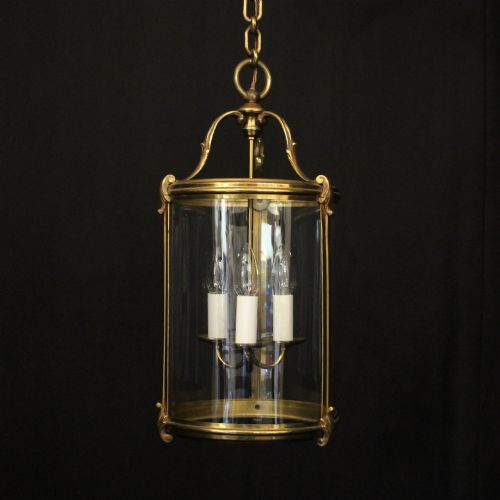
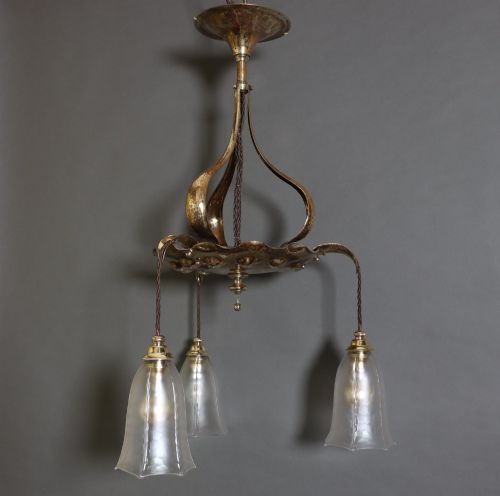
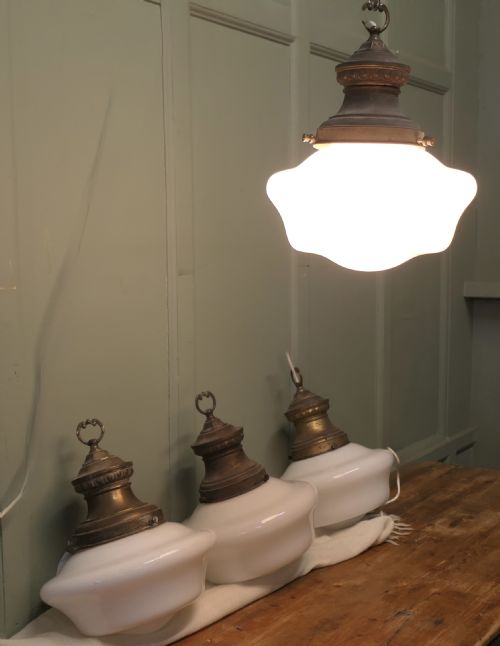
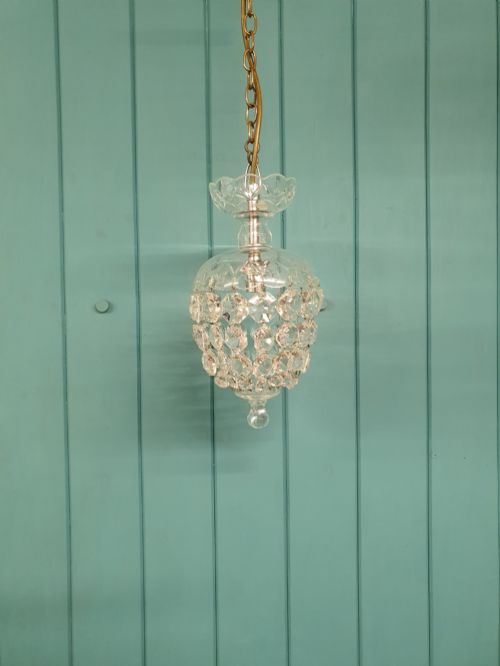
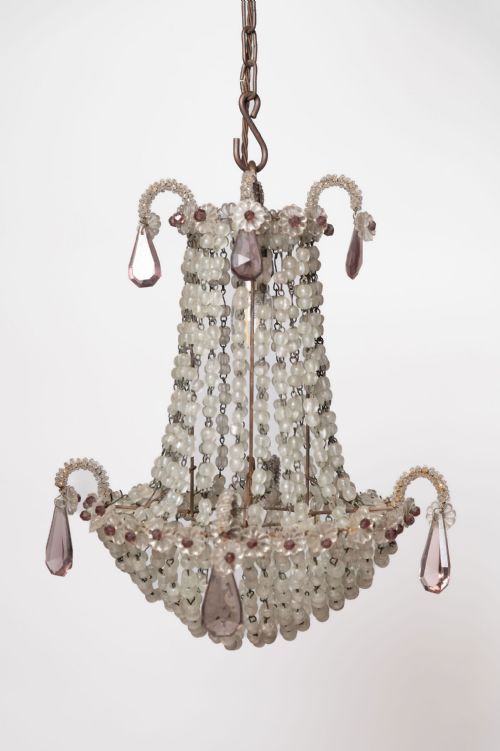
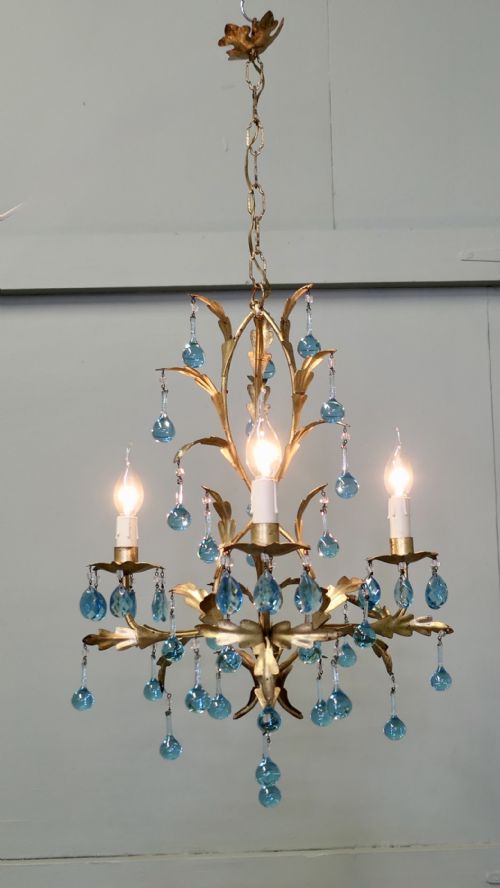
When you search for a hanging glass light fitting, you encounter ceiling fixtures designed to illuminate interiors from above. The selection spans the nineteenth century through to the 1940s, including styles from Edwardian and Art Deco to French Chateau and Industrial.
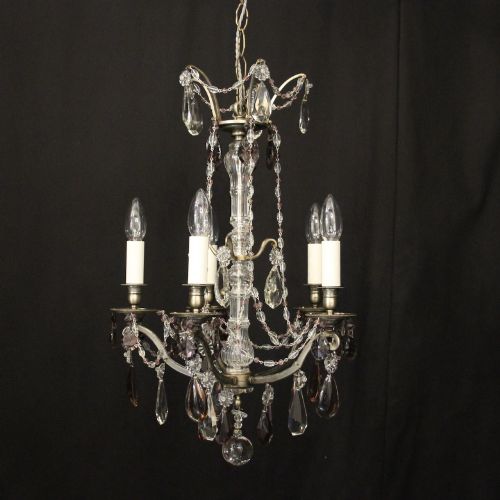
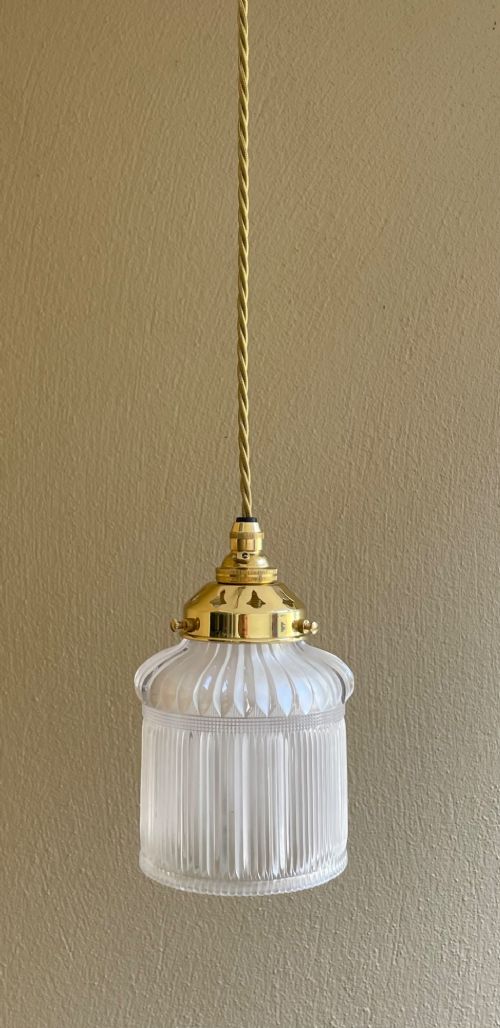
You meet a variety of forms ranging from single pendant lights and hall lanterns to multi-armed chandeliers and dome top fixtures. Many examples originate from French workshops or British makers, utilising glass and metal frames to diffuse or reflect light effectively.
How they were made
Maker's workshops built these fixtures using structural metals such as brass, copper, bronze, iron and chrome to form the supporting frames and arms. Gilt finishes and silver gilding frequently enrich the metal components.
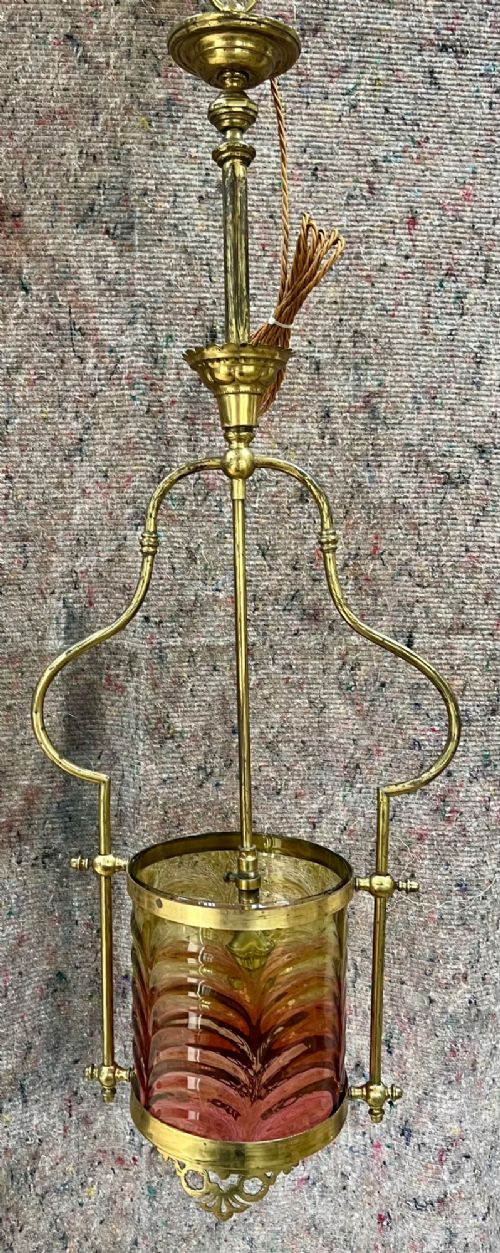
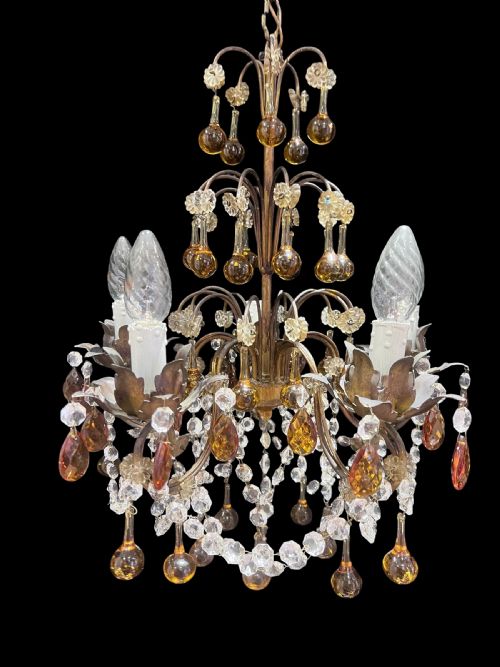
Artisans combined plain glass, moulded glass, frosted glass and cut crystal to create shades, drops and prisms. Coloured crystals, amber teardrops and painted details add visual variety to the hanging components.
Materials across these listings include brass, copper, gilt bronze and crystal alongside frosted and moulded glass.
What varies in quality
The standard of a hanging glass light fitting depends on the calibre of its metalwork and the clarity of its glass or crystal elements. Finely cast bronze or heavy chased brass frames distinguish superior examples from simpler utilitarian productions.
Heavier cut crystal prisms and meticulously moulded shades display greater depth and refraction than standard pressed glass. Complete sets of matching drops and original decorative elements also elevate the overall execution.
The Hanging Glass Light Fitting Glossary
- Chandelier
- A branched ceiling-mounted lighting fixture designed to hold multiple bulbs or candles. They often feature suspended crystal drops and metal arms.
- Hall lantern
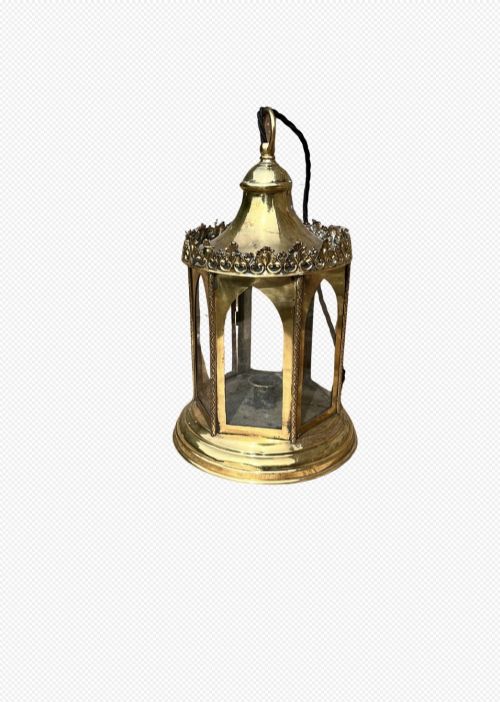
- An enclosed hanging light fixture typically suspended in entryways or corridors. They frequently incorporate glazed panels within a brass or bronze framework.
- Holophane
- A brand of scientific glass illumination known for its prismatic ribbed shades. These direct and diffuse light efficiently across a space.
- Toleware
- Enamelled and painted sheet metal used for decorative components on light fittings. It often provides polychrome colour accents.
- Slip shade
- A moulded piece of glass that slots directly into a metal frame. They are characteristic of Art Deco lighting design.
Hanging Glass Light Fitting: Frequently Asked Questions
How do I hang a heavy antique chandelier?
Heavy fixtures require secure anchorage directly into ceiling joists using appropriate fixings rather than plaster alone. Consult a qualified electrician to ensure the ceiling structure safely supports the weight.
Professional installation also guarantees that older wiring is safely connected to modern mains systems. Many fittings arrive rewired, but load-bearing checks remain essential.
What is the difference between a pendant and a chandelier?
A pendant light typically suspends a single shade or bulb from a cord, chain or rod. They offer focused downward illumination for specific areas.
Chandeliers feature multiple branching arms holding several lights across a wider span. They provide ambient illumination suited to central rooms and larger spaces.
How do I clean antique glass light fittings?
Remove delicate glass shades, crystals and drops carefully before cleaning them in lukewarm water with mild soap. Avoid harsh chemical cleaners that might damage gilt or aged metal surfaces.
Wipe down metal frames with a soft, dry cloth to preserve their patina. Ensure all components are completely dry before reassembly and rehanging.