
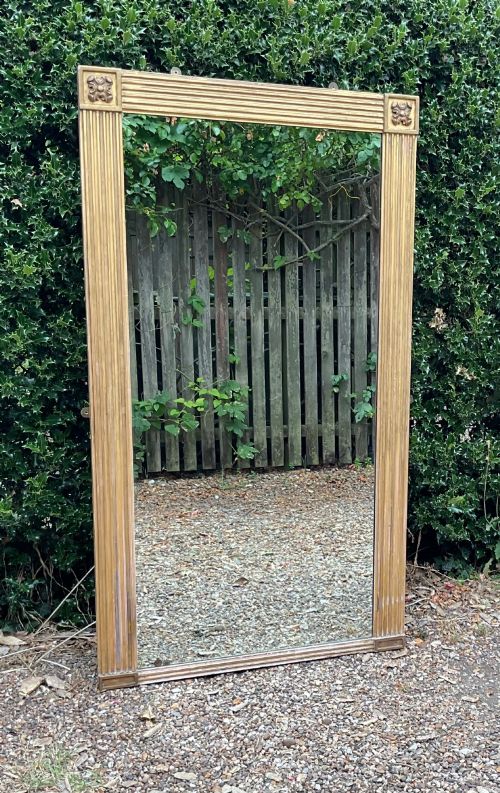
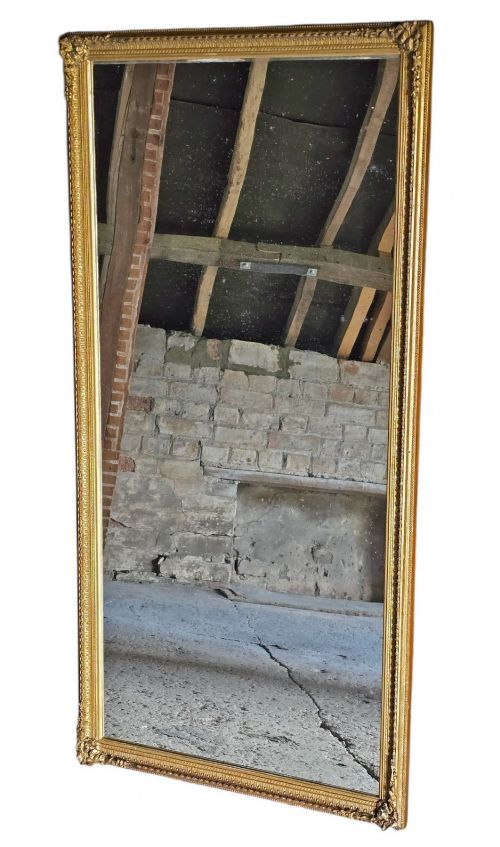
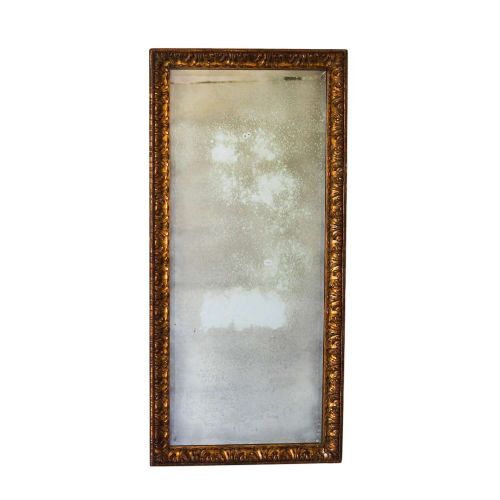
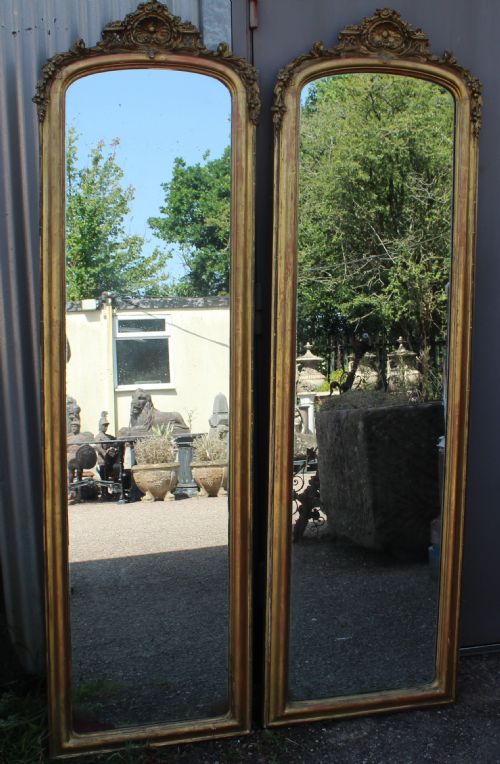


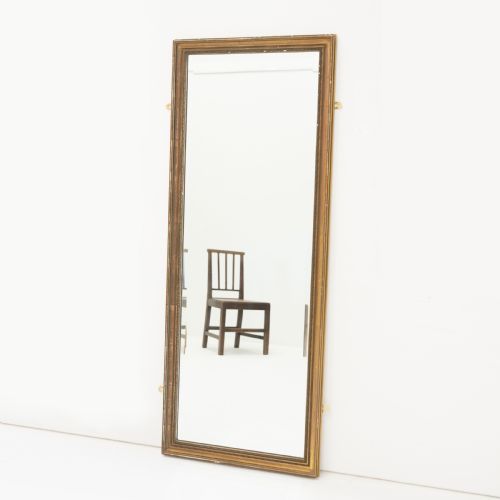
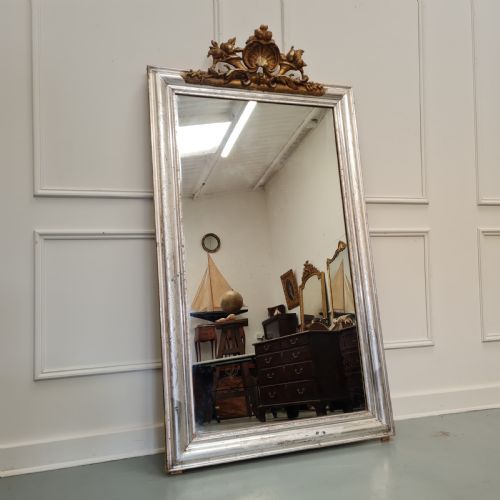
Gilded Full Length Mirror
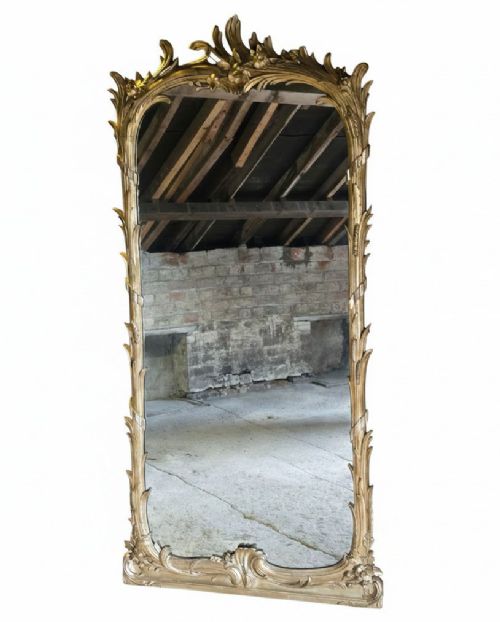
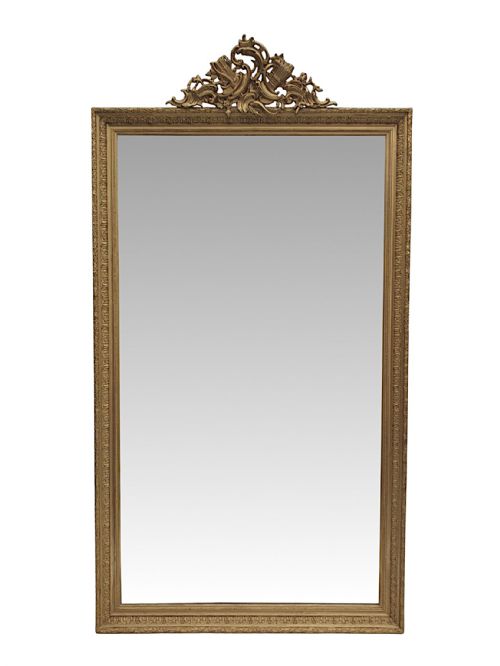
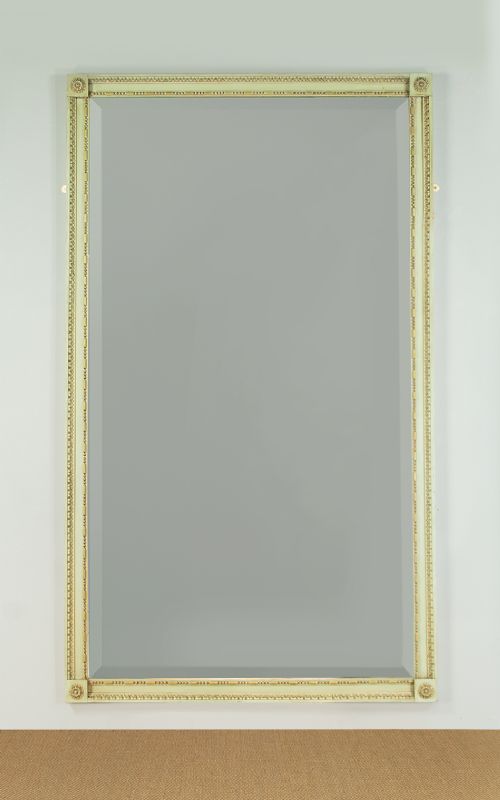
A gilded full length mirror brings immediate scale and reflected light to a room, appearing in nineteenth-century French, Regency, and Edwardian guises.
Gilded Full Length Mirror
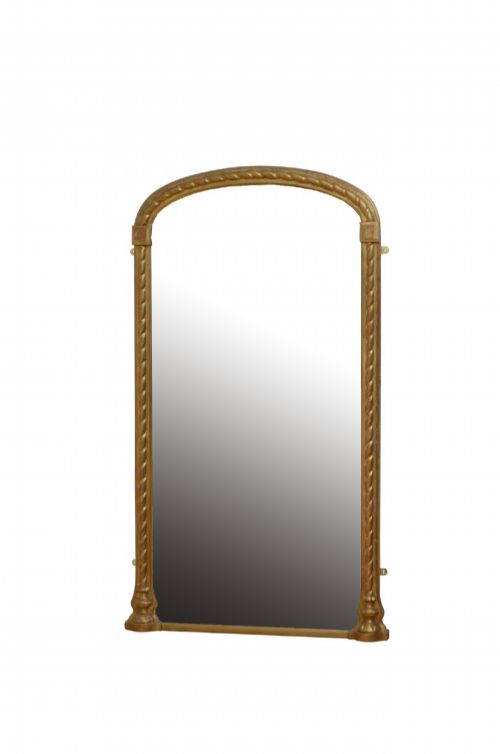
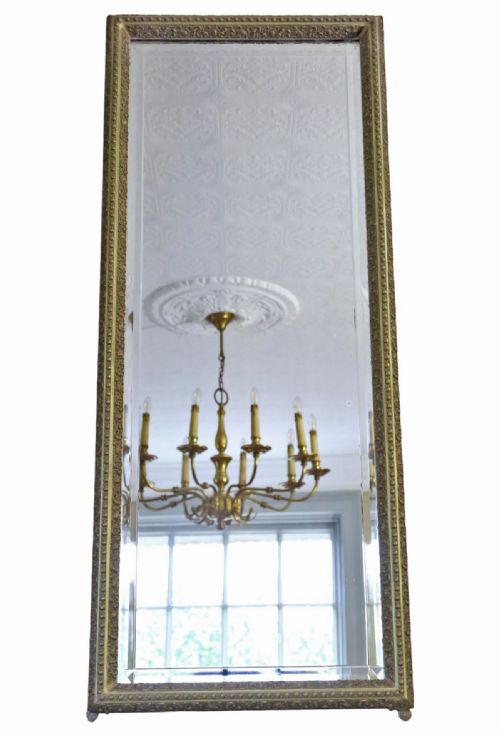
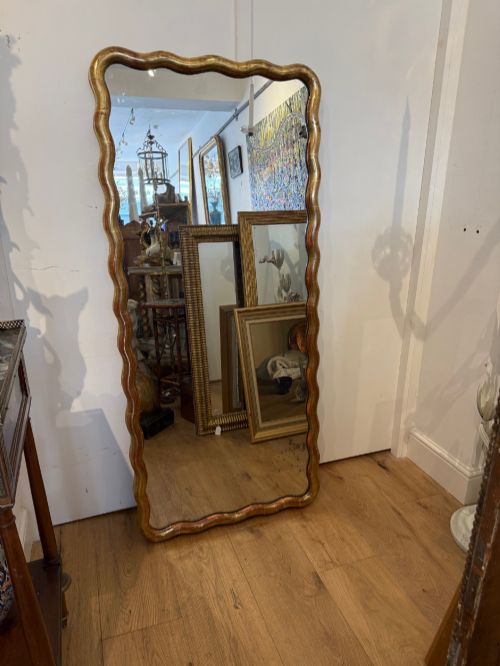
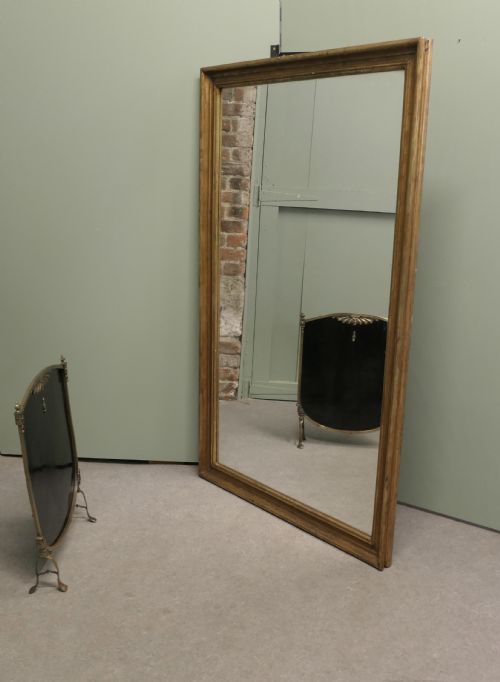
When you search for a gilded full length mirror, you encounter tall looking glasses designed to reflect the entire figure, functioning as both functional dressing furniture and grand architectural wall pieces. The examples met on this page span the nineteenth century, the Regency era, and early twentieth-century decades up to nineteen-twenty.
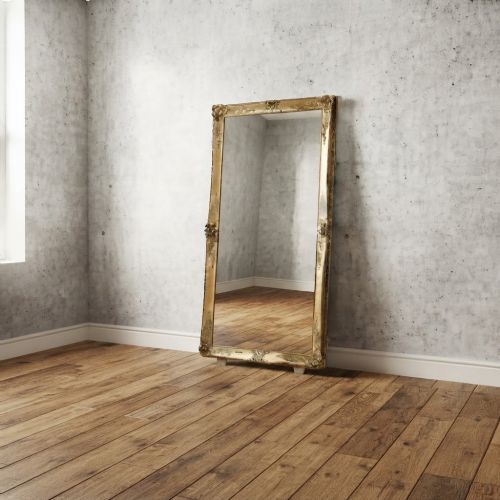
Most pieces take the form of substantial leaner mirrors, wall-mounted glasses, or freestanding cheval frames. French styles dominate, alongside Regency, Victorian, and Edwardian interpretations built in mahogany, walnut, and giltwood.
Formats range from arched top panels and rectangular pier glasses to cheval frames and overmantel designs adapted for full-height placement. Each object offers a distinct proportion, whether narrow and tall or wide enough to dominate a principal reception room.
How they were made
Frames are constructed from solid timber bases such as mahogany, walnut, and pine, upon which skilled artisans applied layers of gesso to build up intricate relief ornaments, scrolls, and rope carvings before gilding.
Surfaces receive their golden or silvered finish through the application of gold leaf or metal gilding over prepared grounds, sometimes revealing red clay boles beneath aged patination. Mirror glass is set within these frames, occasionally retaining original foxed speckling and silver degradation acquired over generations.
Listings feature pieces from the nineteenth century, Regency era, and early twentieth century up to nineteen-twenty, utilising giltwood, gesso, mahogany, and mirror glass.
What varies in quality
The distinction between ordinary and exceptional pieces lies in the depth and crispness of the hand-carved gesso ornamentation and timber joinery. Deeply undercut foliage, balanced proportions, and retained original gilding separate superior workshop output from simpler commercial production.
The integrity of the mercury or silvered mirror plate and the weight of the underlying wooden chassis determine the structural endurance of the looking glass. Higher quality items display harmonious integration between the glass, the heavy frame, and original backboards.
The Gilded Full Length Mirror Glossary
- Giltwood
- Wood coated with gold leaf or metal leaf over a prepared gesso ground. This technique provides the luminous finish characteristic of period frames.
- Gesso
- A plaster mixture applied to wood and sculpted or moulded into decorative relief. It forms the base for subsequent gilding.
- Cheval mirror
- A freestanding full-length mirror suspended on a vertical swivelling frame between two upright pillars. It allows the glass to tilt at various angles.
- Leaner mirror
- A tall looking glass designed to rest unmounted against a wall rather than hang from brackets. Their heavy proportions keep them stable in position.
- Pier glass
- A tall mirror designed specifically to hang on the narrow wall space between windows. They frequently match console tables placed below them.
Gilded Full Length Mirror: Frequently Asked Questions
How do I secure a heavy leaner mirror safely?
Heavy gilded leaner mirrors require appropriate wall fixings and brackets attached near the top of the frame to prevent tipping. Professional installation ensures the weight distributes securely against solid masonry or studwork.
Even when designed to stand on the floor, anchoring the upper frame protects against accidental impacts in busy rooms.
What is the difference between a cheval mirror and a leaner mirror?
A cheval mirror is a freestanding piece held within its own supportive wooden frame and pivoting pins. This allows the glass to angle forward or backward for dressing.
A leaner mirror rests directly against a wall surface without supporting legs or pivot hardware, relying on its own tall proportions and height.
How do I identify a nineteenth-century French mirror?
Nineteenth-century French mirrors often feature carved crests, arched or Louis Philippe rounded top corners, and gesso ornamentations finished in gold or silver leaf. Frames may show aged red bole beneath worn gilding.
Construction details on the reverse, including old pine backboards and hand-cut fixings, assist in confirming the period origin.
Can these mirrors be used in bathrooms?
High humidity and moisture in bathrooms can damage historic gesso, vulnerable wooden frames, and aged mirror silvering. Placing them in dry hallways, bedrooms, or reception rooms preserves the materials.
Ambient moisture accelerates the degradation of original mercury or silvered glass plates.