
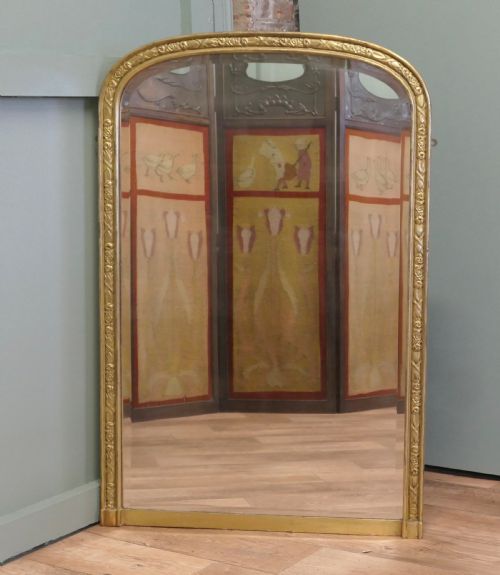
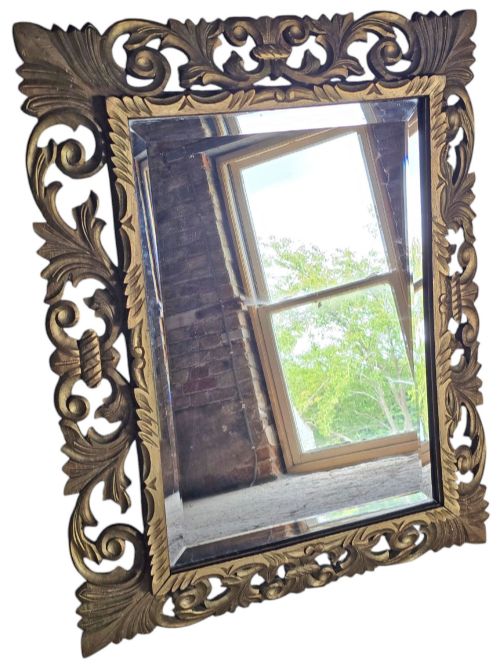
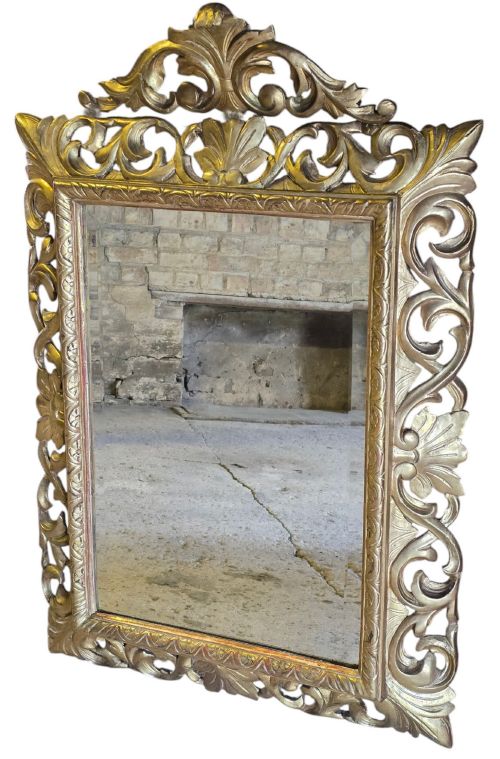
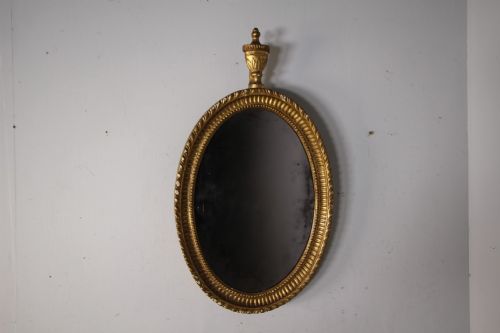


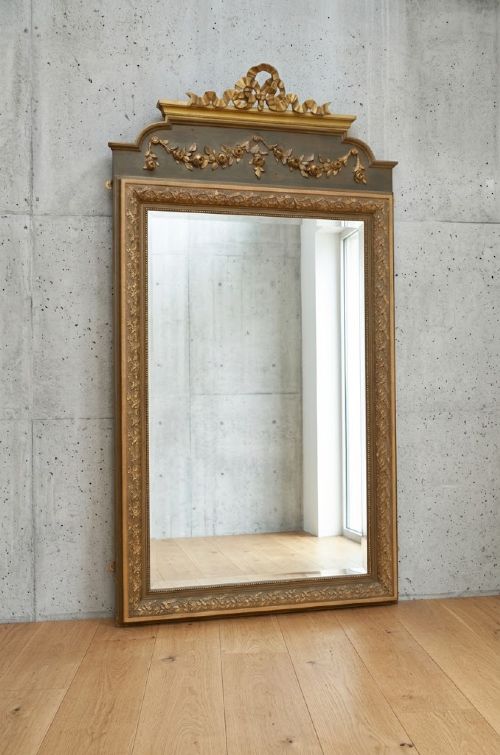
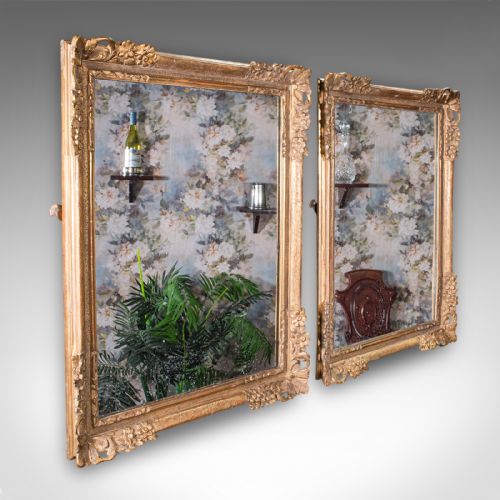
Gilded Frame Wall Mirror
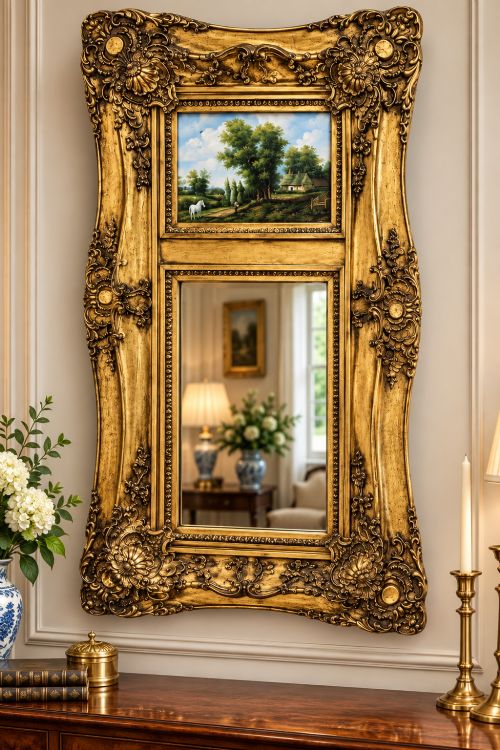
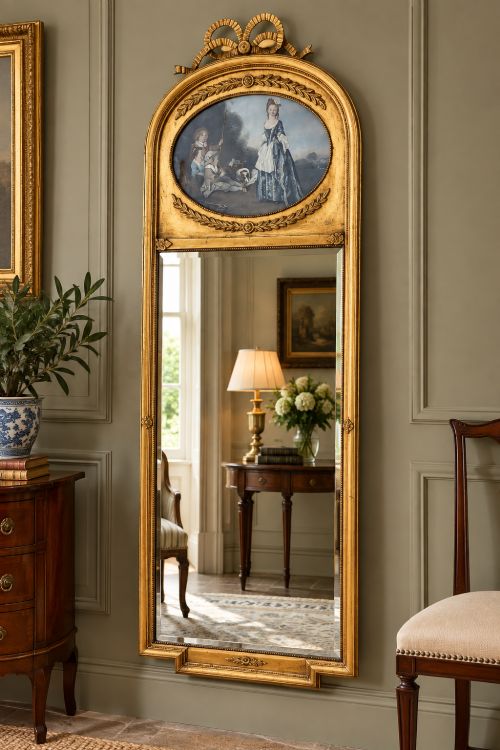
A gilded frame wall mirror brings warmth and reflective depth to a room, drawing the eye with carved giltwood and ornamental gesso.
Gilded Frame Wall Mirror
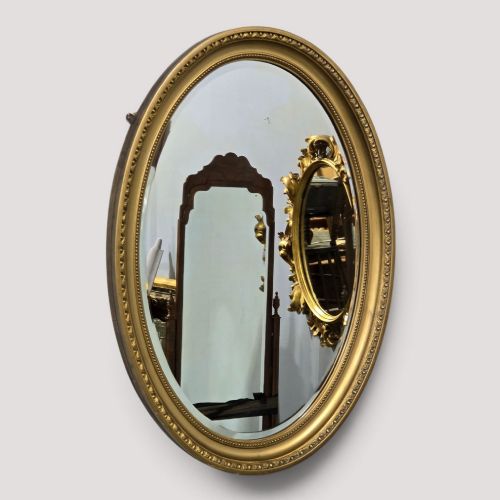
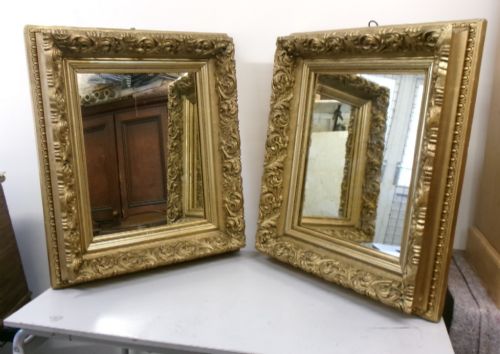
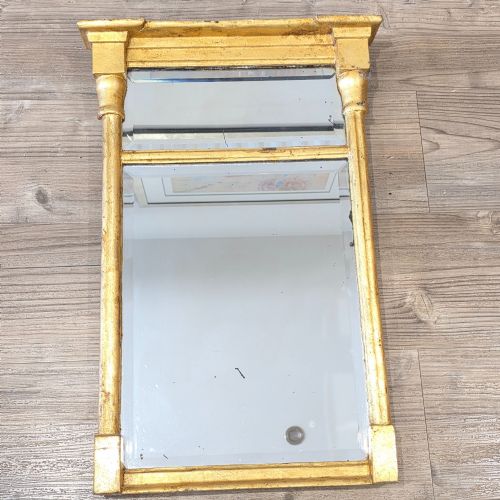
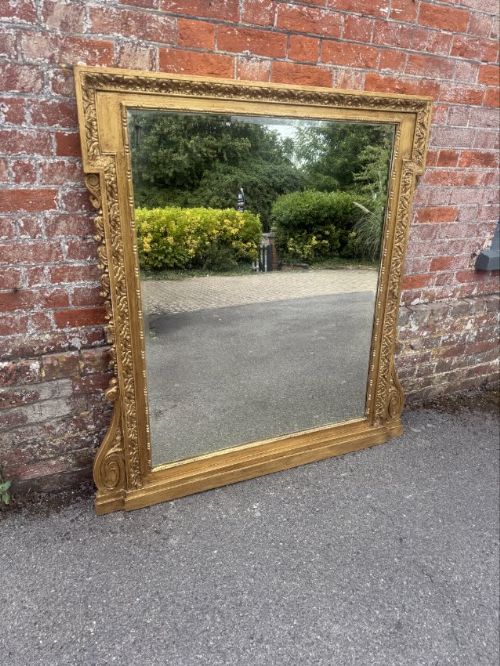
A gilded frame wall mirror spans centuries of design, with English and French examples forming the bulk of what is found here. Pieces range from large overmantels designed for chimneypieces to compact oval and pier glasses intended for narrower wall spaces.
The selection encompasses periods from the 18th century through the Victorian era and into the early 20th century. Styles draw heavily on Rococo Revival, Louis Philippe, and Regency aesthetics, alongside Florentine carved frames and George III mahogany designs.
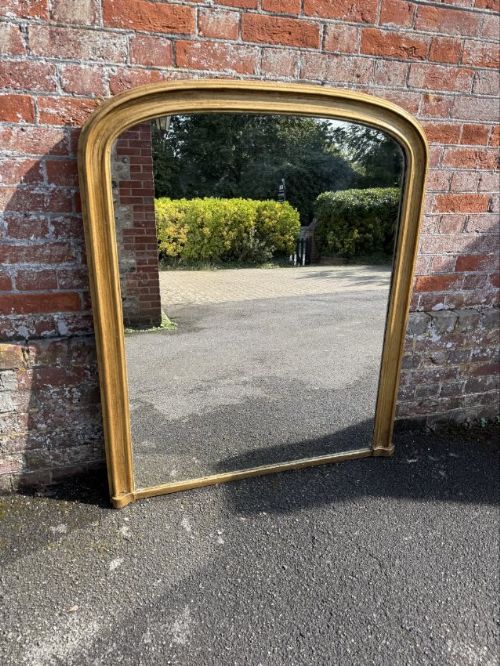
Overmantel mirrors frequently display arched or shaped tops intended to sit above a fireplace, while pier mirrors and girandoles offer vertical formats or integrated candle arms. Buyers encounter both rectangular and oval formats finished in gold leaf or gilt gesso.
Materials and construction
Makers built the primary structure of timber, typically utilising wood such as pine or mahogany to form the base carcase. Carved ornament and sculptural detail were frequently shaped in gesso or composition applied over the wooden substrate.
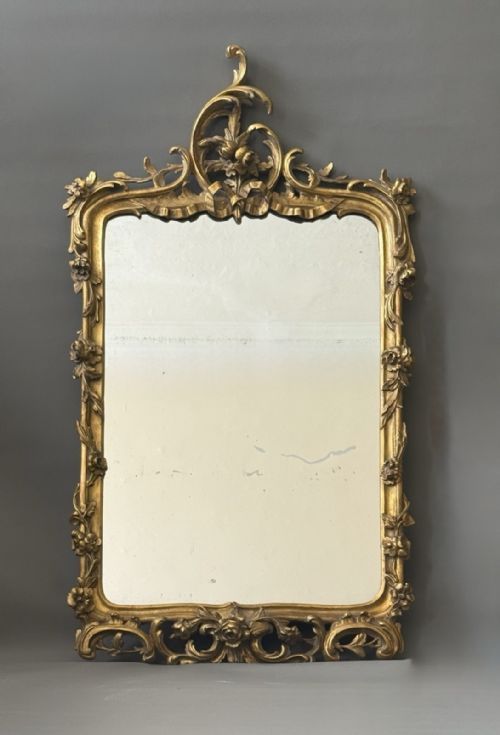
Finishing involved the application of gold leaf or gilt paint to create the luminous metallic surface. Older pieces often retain historic mirror plates, including foxed mercury glass that shows characteristic age spots and mottling.
Some French mirrors sport olive green paint alongside their gilding, proving that 1900s interior designers also loved a tasteful splash of colour.
Distinguishing quality
The crispness of the hand-carved wooden ornament and the depth of the gesso mouldings dictate visual success. Superior examples display sharply defined acanthus leaves, ribbons, and mythological motifs rather than soft, shallow casting.
The integrity of the original gilding and the character of the mirror plate also determine standard. Retaining period gold leaf and authentic historic glass adds depth that replacement modern mirror plates cannot replicate.
The Gilded Frame Wall Mirror Glossary
- Giltwood
- Wood that has been coated with gold leaf or a gold-coloured finish. This material forms the primary aesthetic for traditional ornate frames.
- Gesso
- A plaster-like mixture applied to wooden frame bases and carved or moulded into decorative patterns. It provides the detailed relief work beneath the gilding.
- Overmantel mirror
- A large mirror designed specifically to be hung on the wall directly above a fireplace mantelpiece. They often feature horizontal proportions and arched tops.
- Girandole
- A wall mirror featuring attached candle sconces or arms that project from the frame. The polished glass reflects the candlelight to brighten the room.
- Mercury glass
- Silvered glass produced using a mercury amalgam technique common in older mirrors. It develops characteristic foxed spots and dark patches over time.
- Pier glass
- A tall, narrow mirror designed to be hung on the pier of wall space situated between two windows. They often match the vertical architecture of period rooms.
Gilded Frame Wall Mirror: Frequently Asked Questions
How do I hang a heavy overmantel mirror?
These substantial frames require secure fixing directly into wall studs or masonry using heavy-duty brackets suited to the weight of wood and glass. Professional installation is often recommended for large overmantel formats.
Ensuring the hanging wire or mirror D-rings match the total mass prevents shifting or strain on the antique structure over time.
Can I place a gilt mirror in a bathroom?
High humidity and moisture can damage historic gesso, composition, and exposed wood substrates. Bathrooms subject these delicate metallic surfaces to rapid degradation.
Keeping them in drier principal rooms or hallways preserves the original gilding and prevents the wooden frame from warping.
What is foxed glass?
Foxed glass refers to the natural ageing of historic mirror plates where the reflective backing degrades. This creates dark spots, speckles, and cloudy areas across the glass.
Collectors prize genuine foxed mercury glass because it proves the antiquity and authentic character of the mirror.
How do I tell a Regency mirror from a Victorian one?
Regency mirrors frequently lean toward classical restraint, featuring architectural lines, ball-stud details, and convex or pier glass formats. Victorian pieces often embrace heavier ornamentation, incorporating dense acanthus leaves and elaborate gesso moulded decoration.
Examining the construction methods, backing timbers, and joinery helps confirm the specific period of manufacture.