
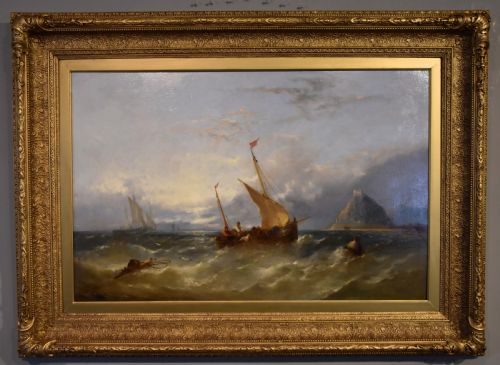
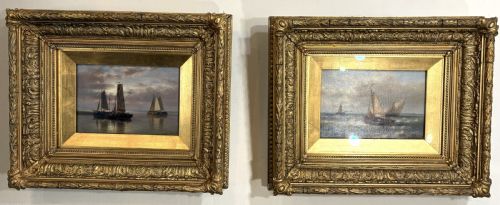


Gilded Frame Nautical Art
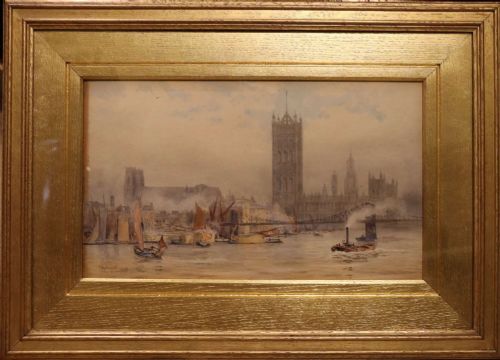
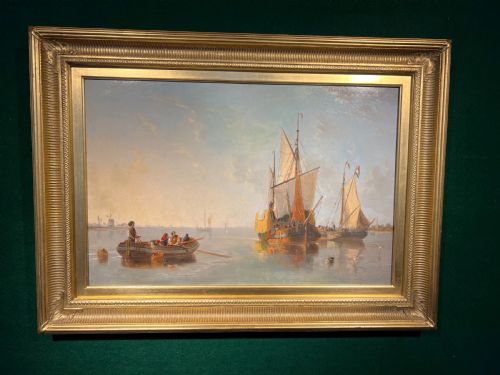
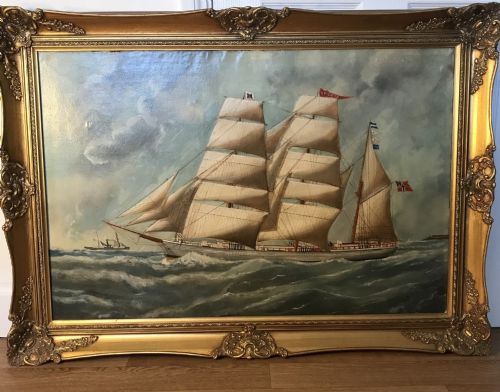
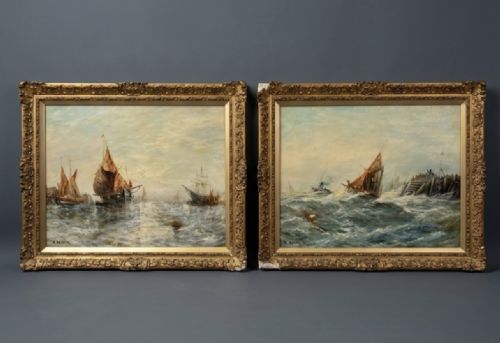
These gilded frame nautical art pieces capture historic maritime scenes within ornate gold surrounds.
Gilded Frame Nautical Art
When searching for gilded frame nautical art, collectors encounter nineteenth century and early twentieth century maritime paintings depicting ships, coastal views, and naval engagements. These works encompass oil paintings on canvas or board, alongside watercolours, housed within decorative gold toned surrounds.
The most common examples on this page are Victorian and Edwardian oil paintings featuring sailing vessels, barques, and steamships in coastal or open waters. These pieces combine detailed ship portraits with dramatic seascapes, framed in period giltwood or gilded wood.
Originating predominantly from British and continental European traditions, these works document naval history, commercial shipping, and coastal life through the eyes of period marine artists.
Materials and Construction
Artists painted primarily with oil paint on stretched canvas or wooden boards, utilising layered brushwork to capture the movement of water and the intricate rigging of ships. Watercolours on paper also appear, offering lighter tonal washes for coastal scenes.
Frames are constructed from wood, finished with layers of gesso and gold leaf or metallic gilt to create a reflective border that complements the maritime subject matter. These giltwood surrounds range from simple moulded profiles to deeply carved ornamental designs.
Listings span the nineteenth century through to the Edwardian era, featuring oil paintings, watercolours, and giltwood frames.
Assessing Quality
Quality in these maritime works rests upon the precision of the vessel's rigging and hull proportions, alongside the artist's ability to render the weight and motion of water. Superior examples demonstrate accurate nautical knowledge and atmospheric depth.
The condition and authenticity of the surrounding gilt frame contribute significantly to the overall integrity of the piece. Hand-carved period giltwood surrounds with original gold leaf finish elevate the work above standard later replacements.
John Wilson Carmichael·Abraham Hulk I·Daniel Sherrin·Thomas Bush Hardy·Gustave de Breanski·Joseph Heard
The Gilded Frame Nautical Art Glossary
- Giltwood
- Wood that has been treated with gold leaf or a gold coloured metallic finish. This material creates a bright border around the painted canvas.
- Marine Art
- Artistic works that focus upon or draw their main inspiration from the sea, ships, and coastal views. These subjects range from naval battles to quiet harbour scenes.
- Oil on Canvas
- A painting medium where pigments are suspended in drying oils and applied to a woven fabric support. This technique allows for rich colour blending and texture.
- Watercolour
- A painting method where water-based pigments are applied to paper. It produces translucent washes that are often mounted under glass.
- Pierhead Painting
- A specific genre of ship portrait created for sailors or ship owners, usually depicting a vessel entering or leaving a specific port.
Gilded Frame Nautical Art: Frequently Asked Questions
What subjects appear in these nautical artworks?
The works depict three masted schooners, royal yachts, fishing boats, and ocean liners navigating coastal waters or heavy seas. Historical naval vessels and specific locations such as Portsmouth harbour also feature prominently.
Artists record commercial shipping, shipwrecks, and calm river views alongside dramatic maritime engagements.
How do I date a framed marine painting?
Dating relies upon the vessel types shown, such as the transition from wooden sailing barques to steamships, alongside the style of the gilt frame. Victorian and Edwardian clothing or architecture within coastal backgrounds provide additional chronological clues.
Signatures, artist dates, and stretcher frame construction further help narrow the period of creation.
Where should I hang these framed paintings?
These pieces suit spaces with stable humidity away from direct sunlight to protect both the oil canvas and the delicate gilt frame. Placing them on neutral walls allows the gold surround and maritime colours to stand out.
Proper wall fixings are essential due to the combined weight of the wooden stretcher, canvas, and heavy giltwood frame.
How do oils and watercolours differ?
Oil paintings utilise thick pigments on canvas or board, presenting textured brushwork and deep colour saturation that does not require glass protection. Watercolours use translucent washes on paper and must be framed behind glass to prevent moisture damage.
Both mediums capture coastal light differently, with oils offering heavier atmospheric density.