



Gilded Frame Marine Landscape
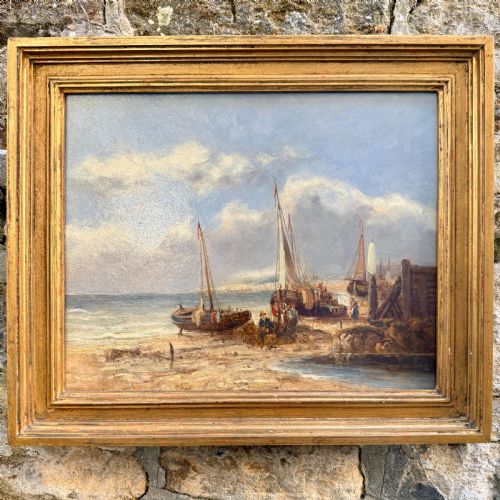
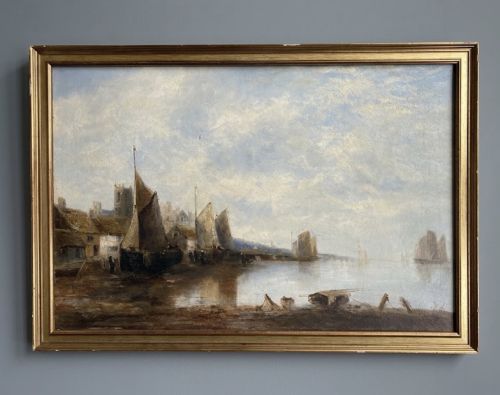
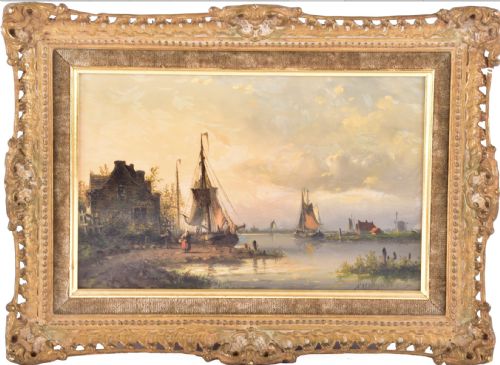
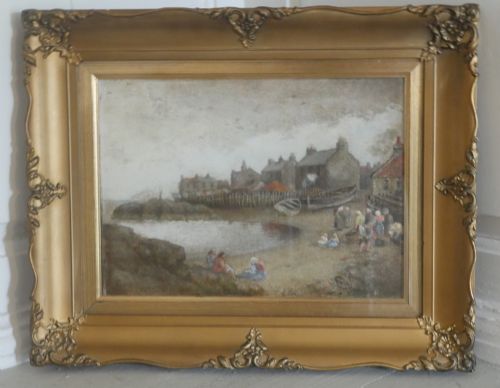
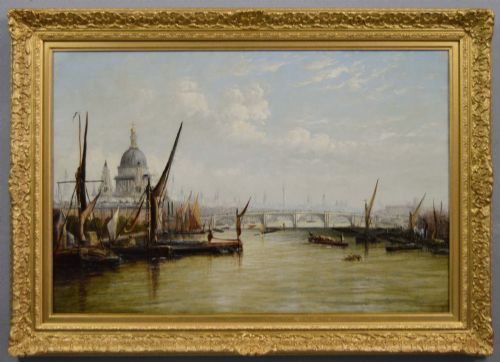
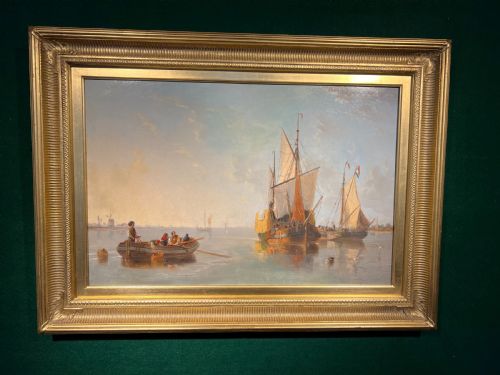
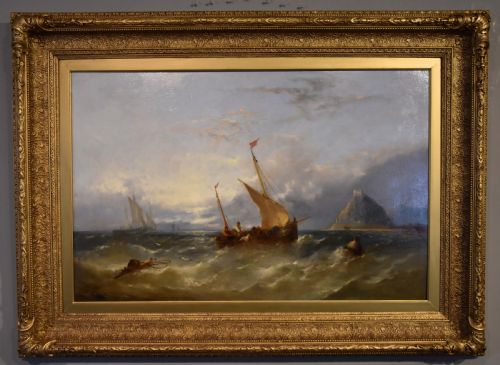
A gilded frame marine landscape brings the movement of coastal tides and sailing ships directly into a room through nineteenth-century and early twentieth-century brushwork.
Gilded Frame Marine Landscape
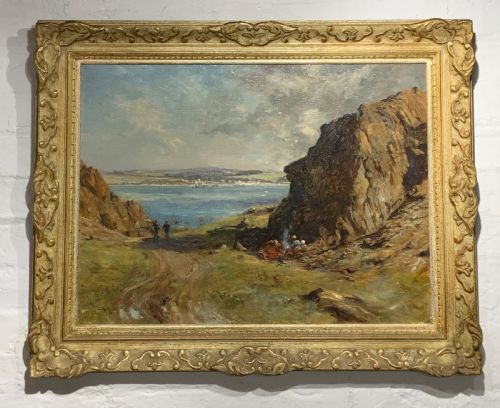
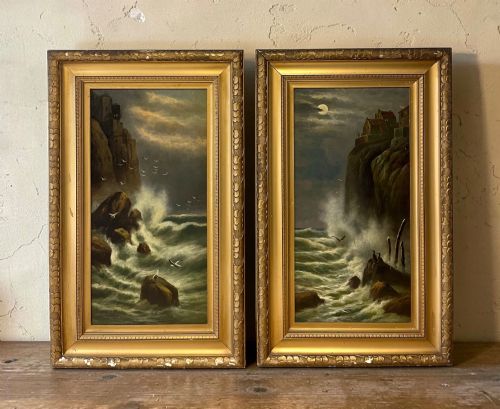
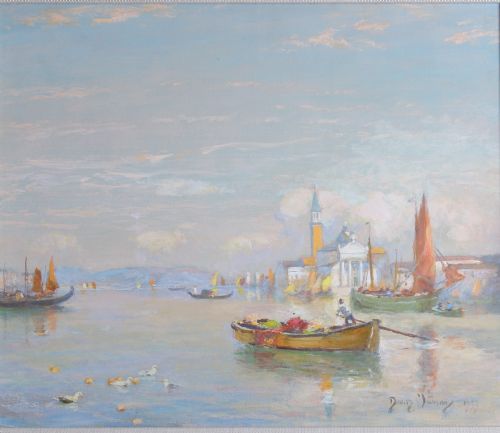
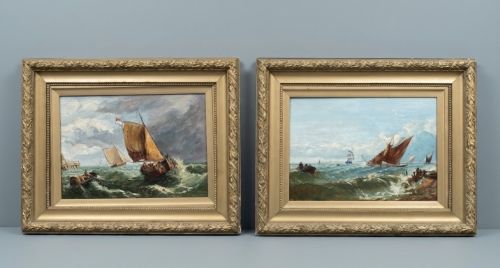
When a buyer explores a gilded frame marine landscape, they encounter maritime scenes captured across the nineteenth and early twentieth centuries. These paintings depict coastal towns, harbours, and sailing vessels navigating choppy waters or calm river mouths.
The dominant examples on this page are oil paintings on canvas or board, alongside occasional watercolours. Most pieces originate from British and continental European artists working in Victorian, realist, or romantic styles.
Materials and Construction
The physical build of these artworks relies on oil paint applied to stretched canvas or wooden panels, creating textured surfaces that capture natural light. Watercolours on paper also appear, protected beneath glass.
The accompanying surrounds utilise carved wood, gesso, and gold leaf to form ornate gilded frames that complement the maritime subject matter. These frames provide structural support and a traditional decorative border.
Gilded Frame Marine Landscape Retail Price Guide 2026
Typical asking prices for gilded frame marine landscape among the pieces listed under this phrase on Sellingantiques today, from the lower quarter to the upper quarter. They describe what is for sale here now, not the wider market.
The listings on this page span the Victorian and Edwardian eras, featuring oil on canvas, watercolour, and carved giltwood.
Distinctions in Quality
The standard of an artwork rests upon the artist's ability to render atmospheric light, water movement, and architectural detail with convincing perspective. Stronger compositions demonstrate confident brushwork and accurate proportion in vessels and coastal structures.
Frame craftsmanship also differentiates the works, as deeply carved, original giltwood mouldings require greater skill than later replacements. The harmony between the painting's palette and the gilding's tone influences the overall visual impact.
Sir David Murray·Nicolaas Martinus Wijdoogen·Francis Moltino·John Wilson Carmichael·William Henry Williamson·John Holland·John Bedloe Goddard·Louis Suire·Adrian Van Porten·Stanley Leader·Fred Waugh·John McDougal·Abraham Hulk Snr·Hendrik Willebrord Jansen·William Pitt·James Webb·George Dodgson Callow·Gustave de Breanski·Claude Thomas Stanfield Moore·Alfred Henry Vickers·Thomas Rose Miles·Thomas Bush Hardy·Alfred Pollentine·William Shayer·Edward Henry Holder
The Gilded Frame Marine Landscape Glossary
- Giltwood
- Wood that has been coated with a thin layer of gold leaf. It provides a luminous border designed to reflect ambient light.
- Gesso
- A plaster mixture applied to wooden frames as a base for gilding. It allows craftsmen to carve intricate decorative patterns before applying gold leaf.
- Seascape
- A painting or other work of art that depicts the sea. These works frequently focus on ships, coastal views, and marine weather.
- Canvas
- Heavy woven fabric used as a surface for oil painting. It is typically stretched tightly across a wooden frame before work begins.
Gilded Frame Marine Landscape: Frequently Asked Questions
How do I clean a gilded frame safely?
Dust the gilded wood gently with a soft, dry brush to remove surface particles without disturbing the leaf. Avoid using water or chemical cleaners, which can damage the underlying gesso.
Consult a professional restorer if the gold leaf shows signs of flaking or active deterioration.
Where should I hang a marine painting?
Position the artwork on an interior wall away from direct sunlight and damp conditions to protect the oil paint and canvas. Stable room temperatures prevent the wooden stretcher and frame from warping over time.
Ensure the hanging height allows comfortable viewing at eye level.
How can I tell a watercolour from an oil painting?
Examine the surface texture closely under good light to identify the medium. Oil paint sits proud of the canvas with visible brushstrokes, whereas watercolour absorbs into paper and requires protective glass.
Oils possess a rich sheen, while watercolours display a matte finish.
What subjects appear in nineteenth-century marine art?
Artists painted bustling commercial ports, fishing boats battling rough seas, and calm river estuaries with sailing vessels. Scenes often document specific British, Dutch, or Mediterranean coastal locations.
Topographical accuracy varied depending on whether the artist worked en plein air or in a studio.