
Gilded Frame Floral Art
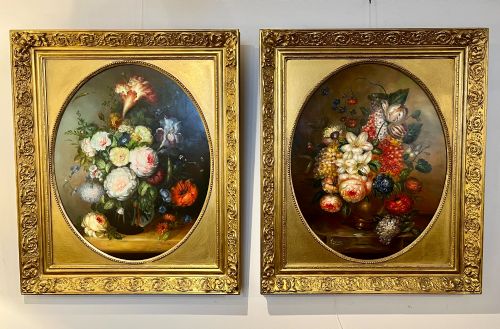
Gilded frame floral art brings together period botanical paintings and ornate wooden surrounds, offering rich colour and traditional craftsmanship.
Gilded Frame Floral Art
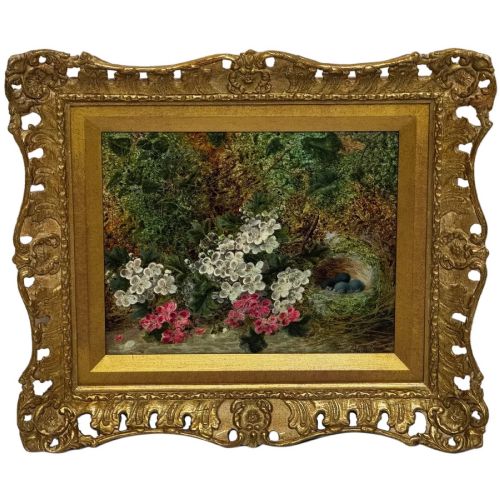
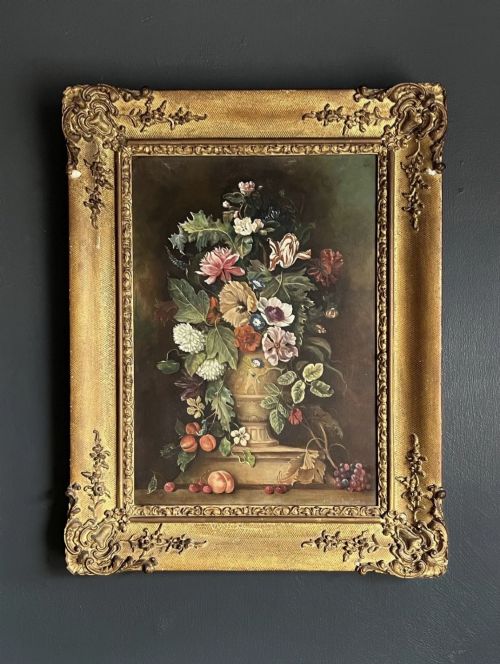
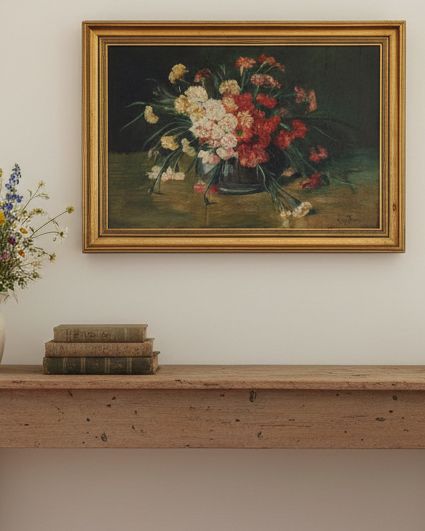
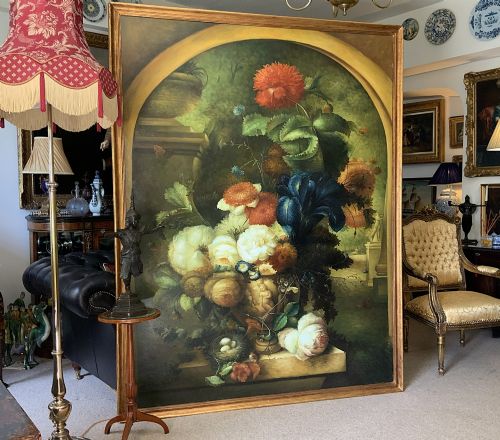
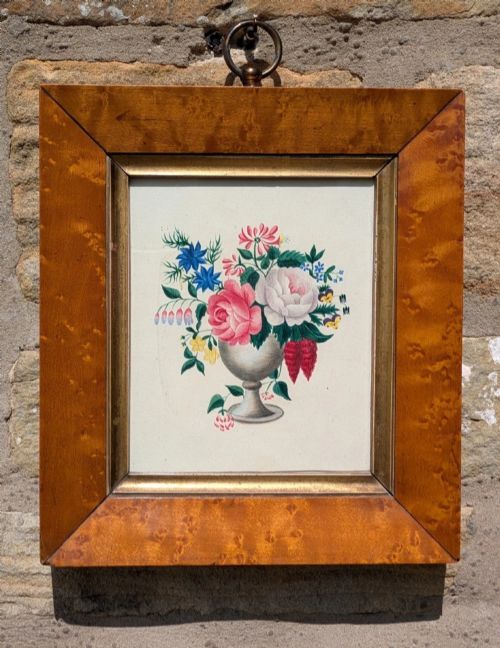
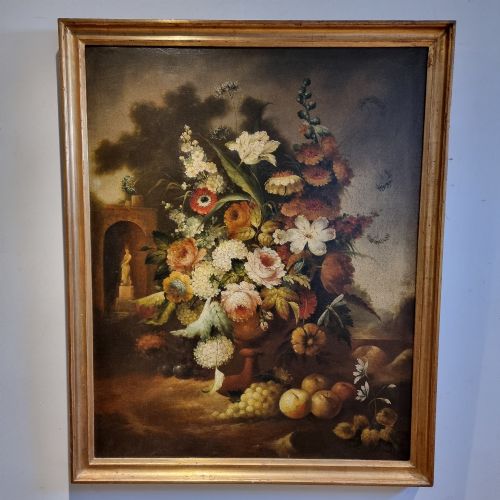
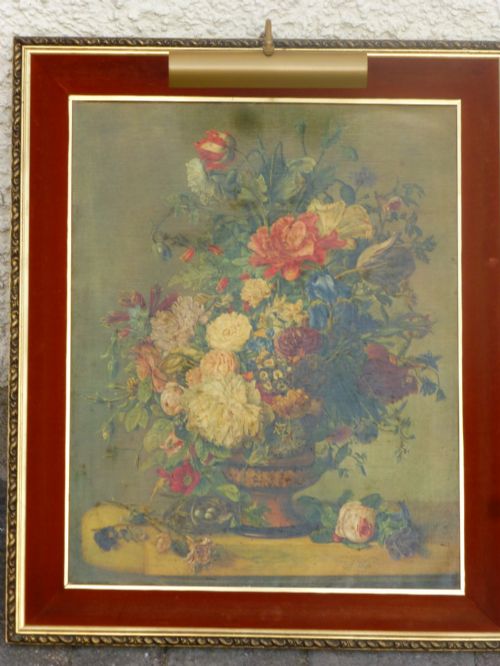
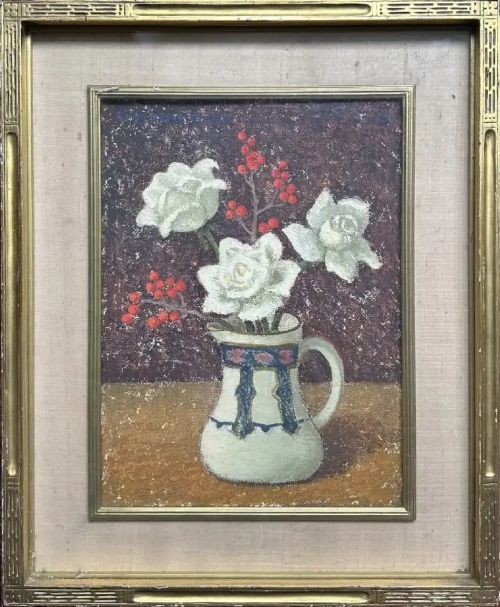
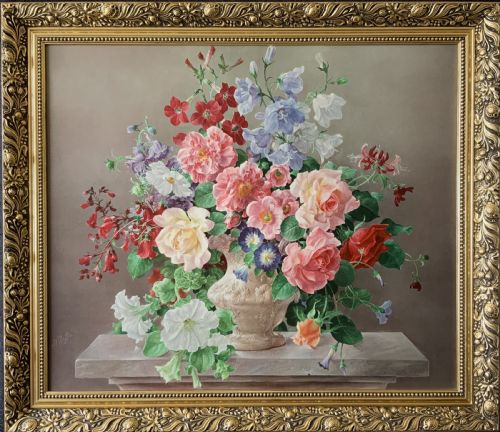
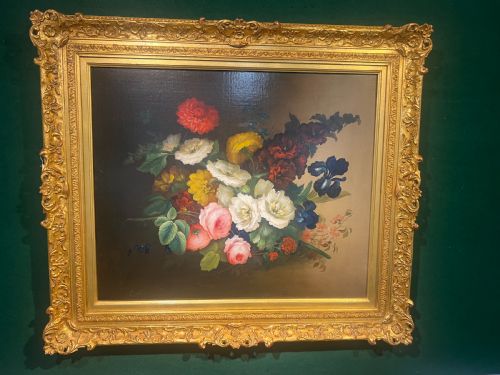
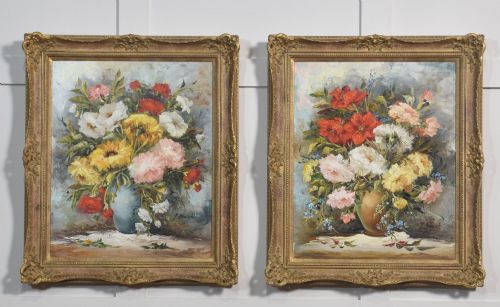
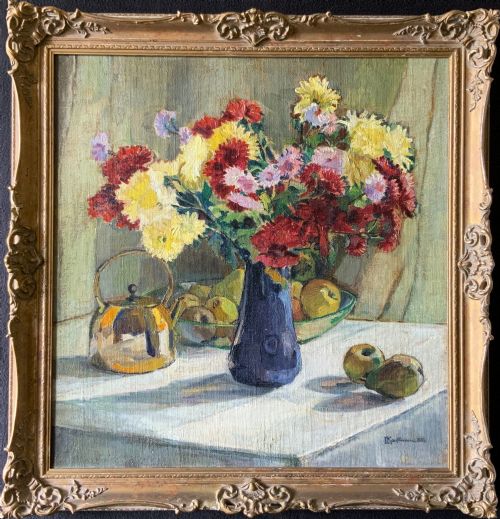
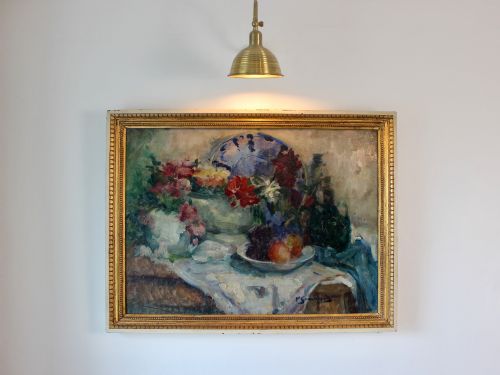
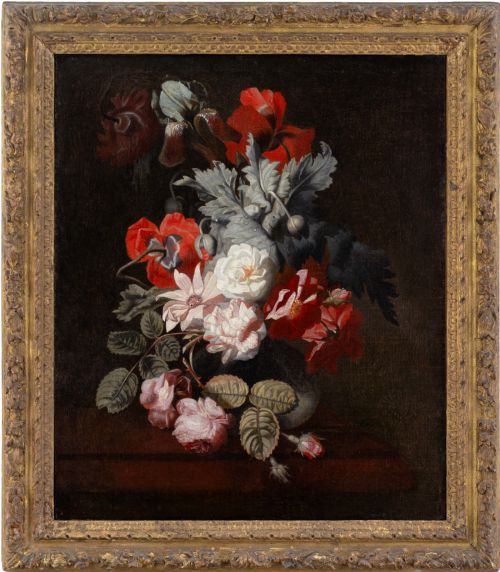
When you search for gilded frame floral art, you encounter oil paintings, watercolours and prints depicting botanical subjects enclosed within decorative wooden borders. The selections span the Victorian era, the nineteenth century and the mid-twentieth century, featuring styles from Dutch Golden Age interpretations to Art Nouveau.
The dominant forms are still life studies of roses, carnations and spring blossoms rendered on canvas, board or paper. Many works reflect traditional British and European schooling, alongside decorative pieces produced across the nineteen-twenties and nineteen-thirties.
Materials and construction methods
These works rely on traditional supports of stretched canvas, primed board or watercolour paper painted with oil or water-based pigments. The surrounding structures utilise carved timber finished with gesso and applied gold leaf or gilt surface layers.
Moulded relief ornaments often enrich the wooden profiles, creating relief details that catch ambient light. Artisans built these surrounds to complement the tonal depth of the botanical imagery contained within.
Surrounds utilise carved wood, gesso and gold leaf to house botanical still life studies on canvas and board.
Distinctions in quality and execution
The standard of a piece rests upon the nuance of the brushwork within the floral arrangement and the crispness of the surrounding frame moulding. Hand-carved gesso details display sharper definition and deeper relief than mass-produced later substitutes.
Superior works demonstrate careful observation of natural light across petals and leaves, paired with gilding that retains its original warmth and texture rather than appearing flat or uniform.
Oliver Clare·Emma Fordyce MacRae·Owen Bowen·Julien Stappers·Kershaw Schofield
The Gilded Frame Floral Art Glossary
- Gesso
- A plaster-like mixture applied to wood surfaces to create a smooth base for gilding or painting. It allows artisans to carve intricate relief ornaments before applying gold leaf.
- Oil on Canvas
- Pigments bound in drying oils applied to a woven fabric support stretched across a wooden frame. This medium permits rich colour blending and textured impasto application.
- Gilt
- A thin layer of gold applied to wood, metal or plaster surfaces to simulate solid gold. The technique enhances decorative borders with reflective warmth.
- Art Nouveau
- A decorative style prevalent around nineteen-ten characterised by organic lines and floral motifs. It heavily influenced both the subjects of paintings and the curves of picture frames.
- Still Life
- An artwork depicting inanimate subject matter, typically bunches of flowers or fruit in domestic settings. Artists used these compositions to study light, shadow and colour relationships.
Gilded Frame Floral Art: Frequently Asked Questions
How do I date a gilded floral painting?
Dating relies on examining the construction of the wooden support, the formulation of the gesso and the stylistic conventions of the brushwork. Victorian pieces often display tighter academic realism, while nineteen-twenties examples lean toward broader impressionistic brush application.
Material analysis of the canvas and the backboards provides further clues. Earlier frames utilise hand-cut timber joints and layered chalk gesso, whereas mid-century examples often introduce machine-moulded compositions.
How were these artworks displayed historically?
These pieces traditionally hung in formal reception rooms, dining parlours and drawing rooms of period residences. Their heavy gold surrounds were designed to project candlelight and daylight in dimly lit interiors.
Pairs or larger groupings were frequently arranged symmetrically on panelled walls to create balanced decorative schemes. The botanical subjects brought natural elements into urban domestic spaces.
How should I care for an antique gilt frame?
Maintenance requires gentle dusting with a dry, soft artist brush to remove particles from the crevices of the gesso relief. Moisture and chemical cleaners must be avoided to prevent lifting the delicate gold leaf layer.
Environmental stability is essential for wood and gesso. Keeping pieces away from direct heat sources and fluctuating humidity prevents the timber from warping and the surface composition from cracking.
What is the difference between oil and watercolour floral art?
Oil paintings utilise thick, opaque pigments on canvas or board that allow for layered textures and deep shadow effects. Watercolours employ translucent washes on paper, offering a lighter and more delicate interpretation of botanical subjects.
Watercolour works require protective glass glazing and secure framing to prevent paper degradation. Oil works remain open to the air, protected primarily by the surrounding wooden frame.