



Multicolour Botanical Wall Art
Multicolour botanical wall art brings together vibrant floral studies and bird prints across paper, canvas, and textile.
Multicolour Botanical Wall Art
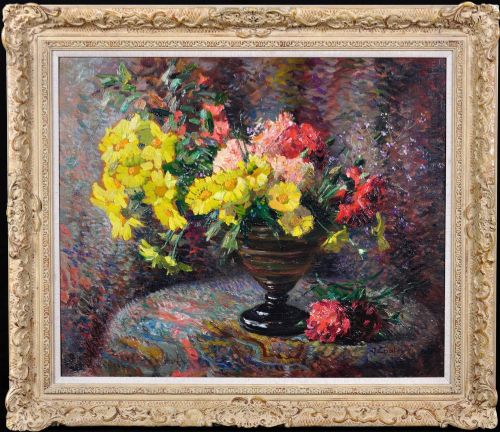
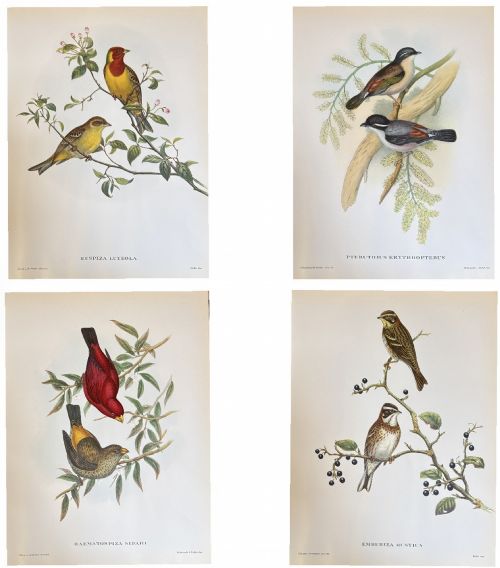
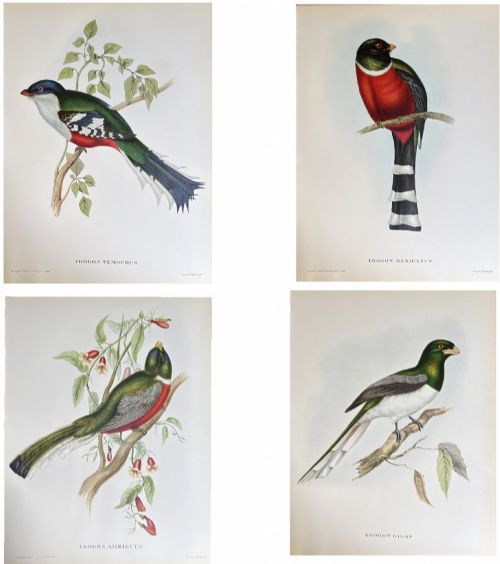
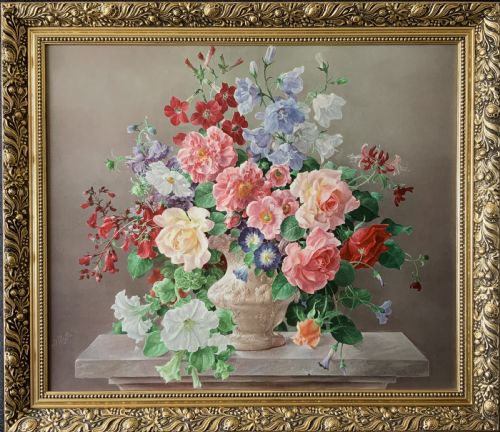
Multicolour botanical wall art spans framed paintings, prints, and textile works created across multiple centuries. Buyers encounter framed tropical bird prints alongside oil and watercolour paintings of summer flowers.
Mediums range from oil paint on canvas to ink on paper and wool in tapestry form. Traditional still life subjects sit alongside British impressionism and mid-century modern interpretations.
How they were made
Artists utilised oil paint, watercolour, and ink across canvas, paper, and gesso grounds. Many works rely on rich pigment layers to capture natural flora and fauna with distinct visual depth.
Framed pieces incorporate wood frames, while textile pieces employ wool worked into cushion covers. Print editions utilise lithographic and reproduction techniques to replicate original paintings.
Multicolour Botanical Wall Art Retail Price Guide 2026
Typical asking prices for multicolour botanical wall art among the pieces listed under this phrase on Sellingantiques today, from the lower quarter to the upper quarter. They describe what is for sale here now, not the wider market.
Listings feature works created using oil paint, watercolour, ink, and wool across paper, canvas, and wood.
What varies in quality
Quality rests upon the execution of the brushwork and the clarity of the printed medium. Finer paintings display confident handling in floral arrangements, whereas lesser prints show flat reproduction.
The integrity of the original support material, whether canvas, paper, or wool, dictates the longevity and visual impact of each piece. Intact framing and well-preserved pigments distinguish superior examples.
Harold Clayton·Terence Loudon·Harold Edward Conway·Edith Alice Andrews·Herbert Davis Richter·Kershaw Schofield
The Multicolour Botanical Wall Art Glossary
- Oleograph
- A colour lithograph printed on canvas to imitate an oil painting. This technique became popular for reproducing fine art during the nineteenth and twentieth centuries.
- Gesso
- A plaster-like mixture applied to canvas or wood panels as a base for painting. It provides a smooth surface for oil pigments.
- Tapestry
- A form of textile art woven on a vertical loom with coloured threads to form pictures or designs. Wool is frequently utilised for durability and rich colour.
- Watercolour
- A painting method in which the paints are made of pigments suspended in a water-based solution. Paper serves as the primary support for these translucent washes.
Multicolour Botanical Wall Art: Frequently Asked Questions
What periods do these artworks cover?
The listings span from the seventeenth century through to the mid-twentieth century. Works include nineteenth-century print reproductions and mid-century modernist paintings.
Buyers find a mix of Victorian, Edwardian, and mid-century aesthetic influences represented across the various mediums.
How should I display textile wall art?
Textile pieces such as tapestry cushion covers require careful mounting away from direct sunlight. This protects the wool fibres from fading over time.
Ensuring proper airflow behind the textile prevents moisture retention and preserves the integrity of the fibres.
Are these works original paintings or prints?
The selection includes both original oil and watercolour paintings alongside vintage print sets. Each listing specifies the exact medium used by the artist or publisher.
Prints feature lithographic techniques and oleographs, while paintings utilise canvas or paper supports with pigment.
How do I identify a still life painting?
Still life paintings focus on inanimate subject matter, typically featuring vases of spring or summer flowers. These compositions highlight natural forms through varied brushwork and colour.
Artists arrange botanical specimens to explore light, shadow, and pigment relationships within a controlled studio setting.