


Classical Botanical Artwork
Classical botanical artwork brings floral and fruit still life paintings into interiors, offering centuries of detailed study.
Classical Botanical Artwork
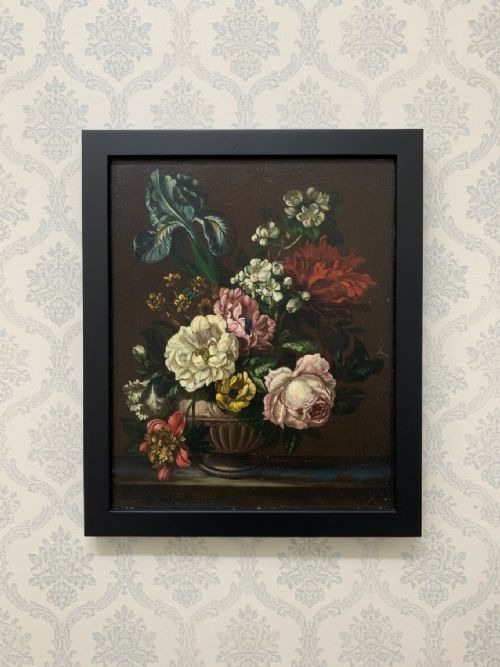
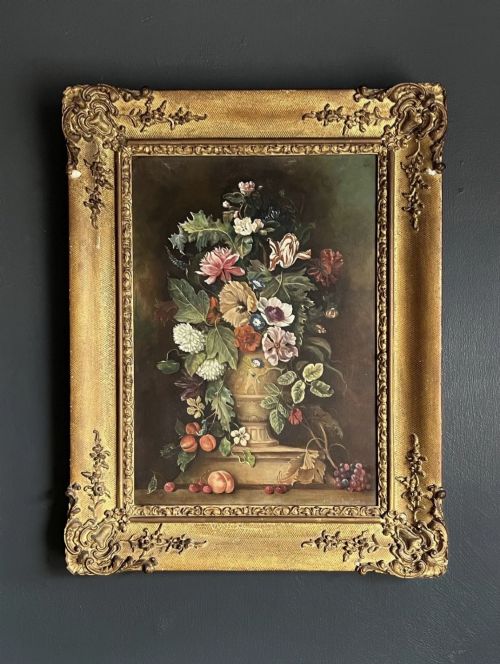
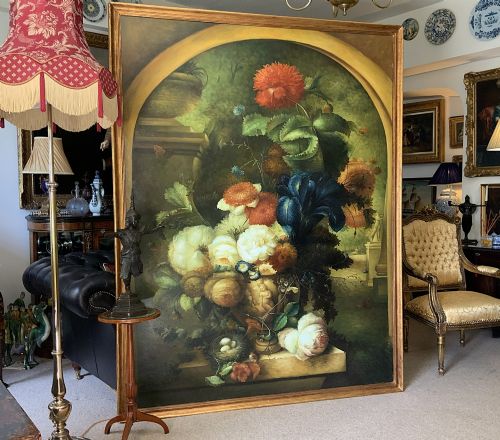
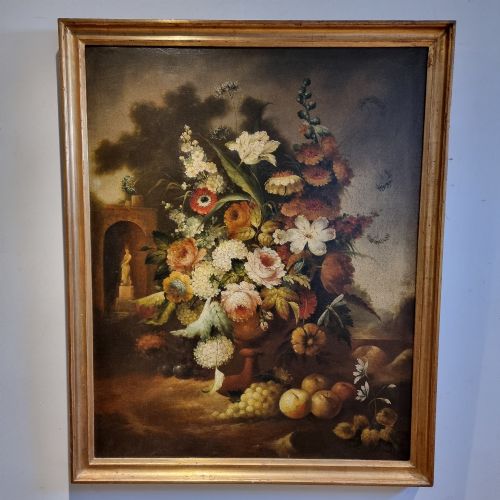
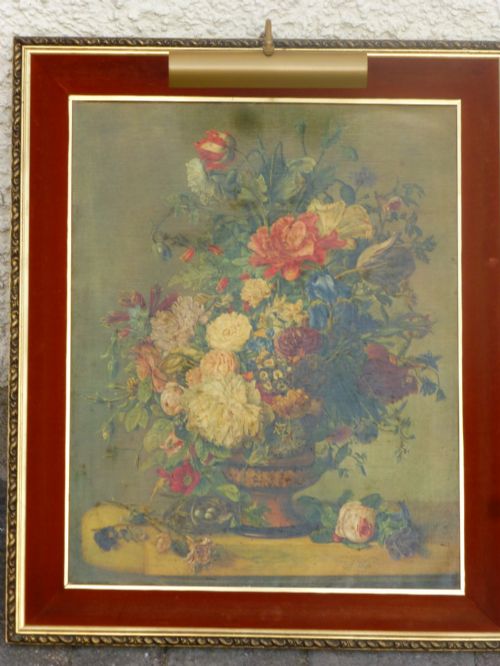
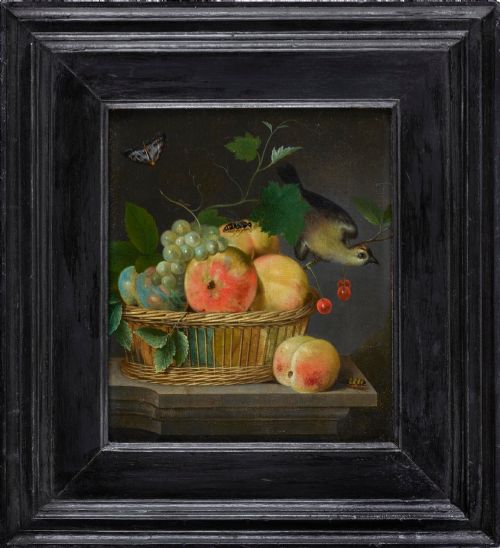
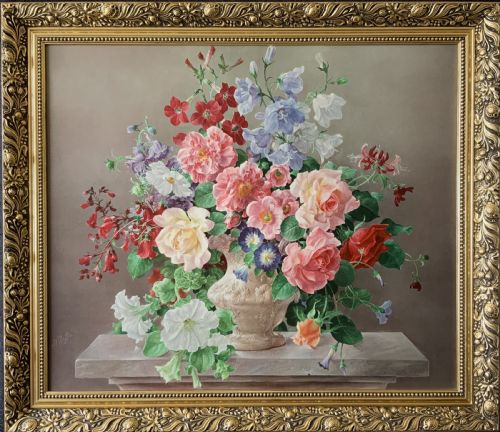
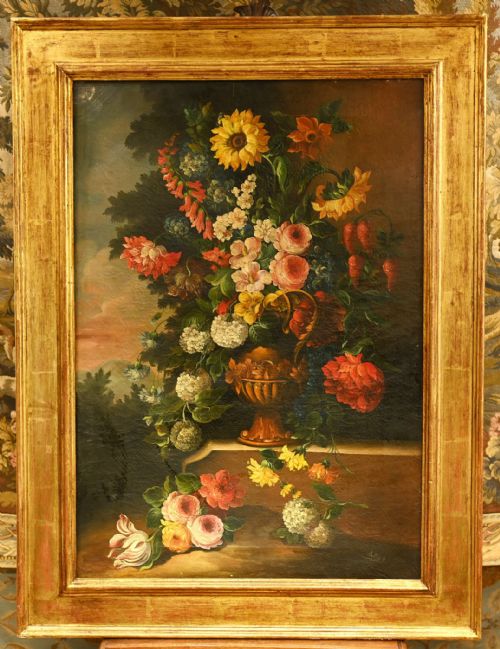
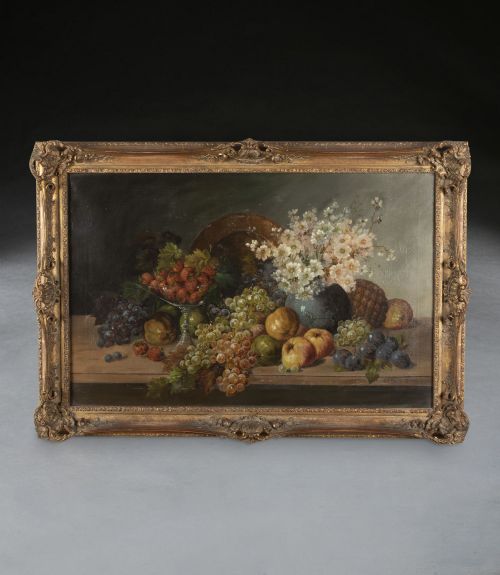
When you search for classical botanical artwork, you are looking at oil paintings and painted panels depicting flowers, fruit, and natural compositions. These pieces span from the seventeenth century through to the mid-twentieth century, capturing enduring interest in natural forms.
The selections available here range from seventeenth-century Dutch school compositions to twentieth-century revivals and individual artist studies. You will frequently encounter oil paintings on canvas or panel, often housed within period frames.
Many works draw on Dutch Golden Age traditions, Flemish Baroque influences, or later nineteenth-century interpretations. These visual records provide detailed studies of flora and fauna rendered with careful observation.
Materials and construction
The works rely upon oil paint applied to canvas, wood panels, or boards, capturing fine botanical details through layered pigments. Painters utilised traditional brushwork techniques to render textures of petals, fruit skins, and foliage.
Many of these paintings are set within wooden frames finished with gesso, gold leaf, or giltwood. These surrounds often reflect the decorative tastes of periods such as the Victorian era or later revival movements.
Listings feature oil paintings on canvas and wood panel across periods from the seventeenth century to the mid-twentieth century.
Markers of quality
Quality in classical botanical artwork rests upon the precision of the brushwork and the naturalism of the composition. Superior examples demonstrate a careful balance of light, shadow, and depth within the arrangement of flowers or fruit.
The skill of the painter shows in the rendering of botanical textures, such as the translucent quality of petals or the surface sheen on fruit. Additionally, the craftsmanship and original pairing of the frame contribute significantly to the overall integrity of the piece.
Gaspar Peeter Verbruggen·Anton Weiss·Harold Clayton·Manuela Bonati·William Duffield·Jabez Bligh·Henry Schouten·George Lance·Kershaw Schofield
The Classical Botanical Artwork Glossary
- Oil on canvas
- Pigments bound in drying oil applied to a woven fabric support. This surface gives flexibility and texture to the finished painting.
- Giltwood
- Wood carved and coated with gold leaf or metallic paint. This finish provides a reflective decorative border common in period frames.
- Gesso
- A paint mixture consisting of a binder mixed with chalk, gypsum, or pigment. It prepares wooden panels or frames before gilding or painting.
- Still life
- A work of art depicting mostly inanimate subject matter, typically commonplace objects which may be either natural or man-made. In botanical works, this centres on flowers and fruit.
- Trompe l'oeil
- An art technique that uses realistic imagery to create the optical illusion that the depicted objects exist in three dimensions.
Classical Botanical Artwork: Frequently Asked Questions
What periods do these paintings come from?
The pieces span multiple centuries, ranging from seventeenth-century works through eighteenth- and nineteenth-century examples to twentieth-century revivals. Each period brings distinct stylistic conventions to the depiction of botanical subjects.
Earlier works often reflect Dutch and Flemish Baroque traditions, while later pieces show Victorian and classical revival influences.
How were these artworks created?
Artists used oil paint on various supports, including canvas, wooden panels, and boards. Layers of pigment built up the textures of flowers, fruit, and foliage.
Frames were typically constructed from wood and finished with gesso and gold leaf to complement the painted compositions.
Are the frames original to the paintings?
Some pieces retain their period frames, such as gilt gesso surrounds from the nineteenth or early twentieth centuries. Frames often share the aesthetic of the painting's era.
Enquiries can clarify whether a specific frame is contemporary to the artwork.
How should I display these paintings?
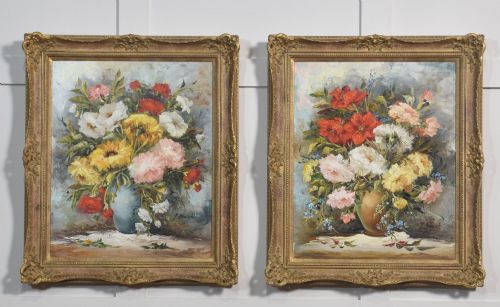
These works suit traditional and contemporary interiors alike, often serving as focal points in reception rooms or hallways. Adequate wall space allows the scale of monumental or paired compositions to be appreciated.
Protecting the canvas and gilt frame from direct sunlight and excessive humidity helps preserve the materials.