




Gilded Flower Vase
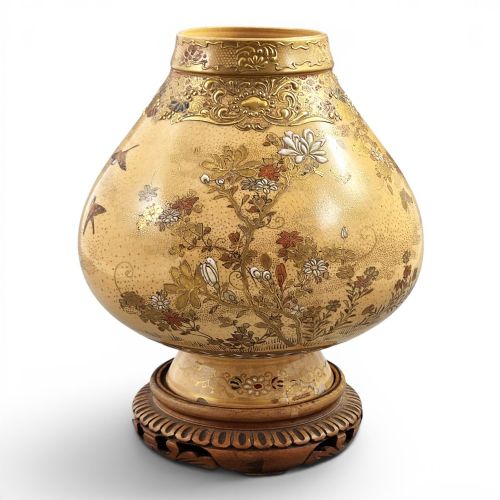
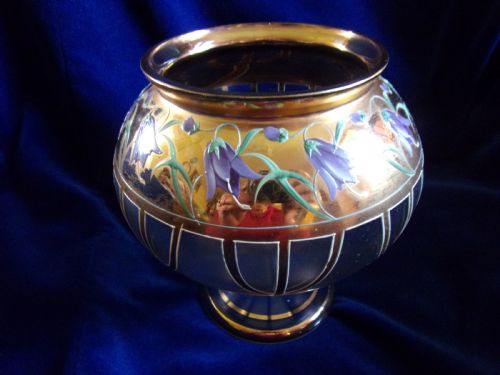
A gilded flower vase brings warmth and reflective light to a room, holding blooms or standing alone as a piece of decorative art.
Gilded Flower Vase
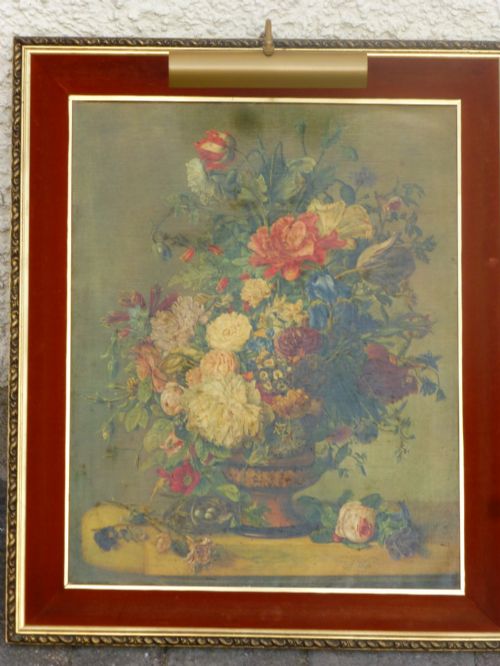
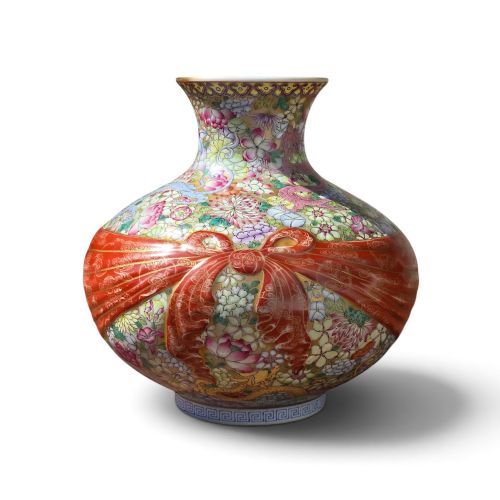
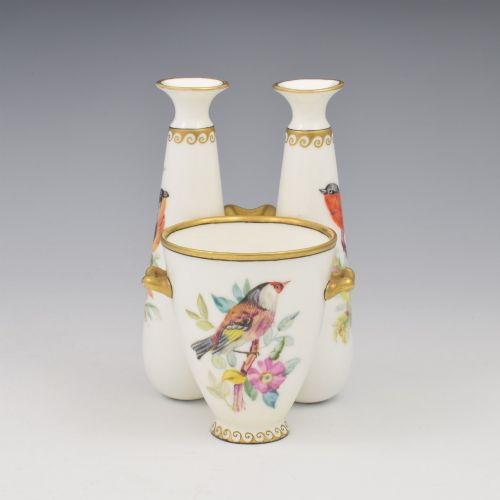
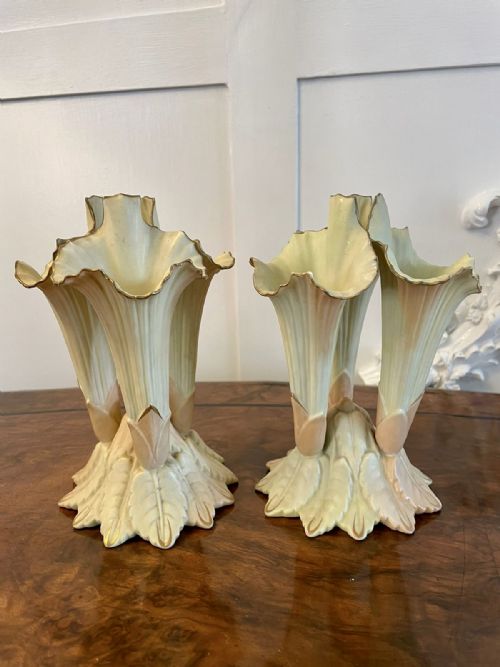
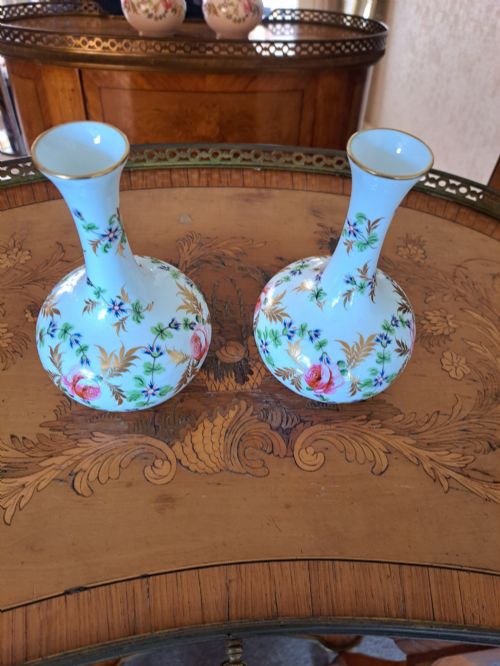
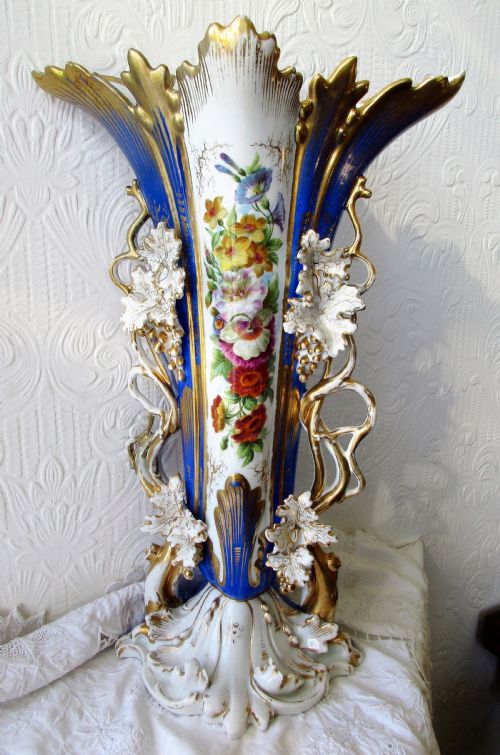
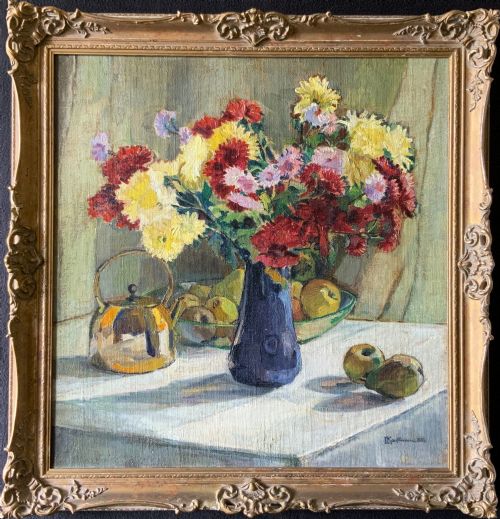
A gilded flower vase is a decorative vessel designed to display botanicals, drawing the eye through metallic embellishment and painted flora. When exploring this selection, a buyer encounters a diverse range of forms, from porcelain spill vases and earthenware bough pots to oil paintings capturing floral arrangements.
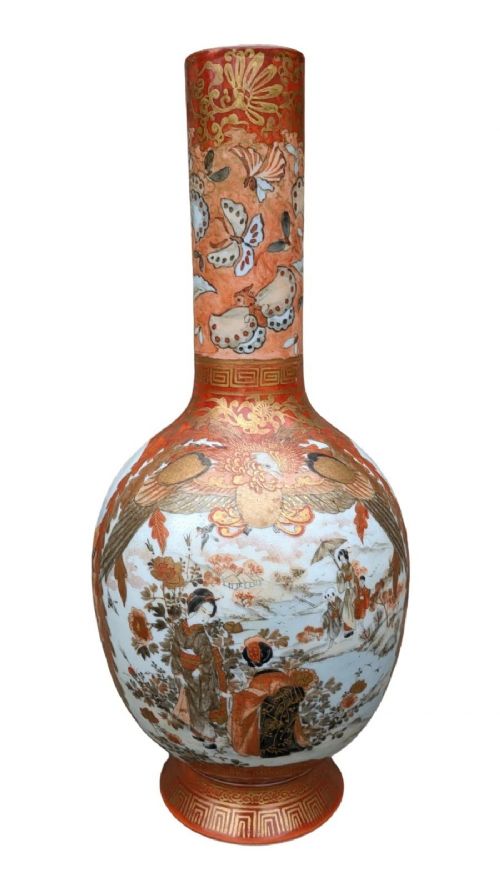
The objects span multiple eras and design movements, including Victorian, Edwardian, Art Nouveau, and Meiji period Japanese ceramics. Alongside three-dimensional vases and urns, the selection incorporates canvas works depicting still life scenes of flowers.
Origins vary widely between European potteries and Asian workshops, introducing distinct regional interpretations of floral motifs combined with gold leaf or enamel. Porcelain and stoneware dominate the physical forms, supported by glass vessels and framed oil paintings.
Materials and construction
Potters and glassmakers shaped clay, stoneware, and crystal before applying decorative surface treatments. Artisans utilised gold leaf, gilding, and enamel to trace intricate botanical patterns across porcelain bodies and glass walls.
Painters applied hand-painted details and oil pigments directly onto ceramic surfaces or canvas backings. Metalworkers shaped bronze and cloisonné structures, incorporating ormolu mounts and gilt metal elements into the completed forms.
Listings feature porcelain, stoneware, glass, canvas, and bronze materials across pieces dating from the nineteenth century onward.
Distinguishing craftsmanship
The standard of a gilded flower vase rests upon the precision of its hand-painted decoration and the depth of its metallic gilding. Skilled execution in the floral motifs and enamel work separates superior ceramic and glass pieces from simpler commercial output.
The integrity of the form, whether balanced porcelain proportions or refined bronze casting, dictates the level of artistry. Pieces bearing documented signatures or factory marks from established potteries display a higher degree of historic authorship.
Royal Worcester·Locke And Co·Crown Derby·Kinkozan Workshop·Legras·St Louis Glassworks·Flight Barr And Barr·Stevenson And Hancock·Doulton Burslem·Royal Doulton·Ernst Wahliss·Booms Glass·Coalport
The Gilded Flower Vase Glossary
- Gilding
- The application of gold leaf or gold dust to the surface of porcelain, glass, or wood. This technique enhances decorative vessels by creating luminous highlights that catch natural light.
- Spill vase
- A narrow cylindrical vessel historically used to hold thin tapers for lighting fires or candles. These small holders often feature painted floral designs and gilded rims.
- Cloisonné
- An ancient metalworking technique where enamel paste is applied within compartments created by soldered wire. Artisans fire the piece to produce vibrant decorative patterns across the body.
- Imari
- A traditional Japanese style of porcelain decoration characterised by rich iron-red, cobalt blue, and gold highlights. European potteries frequently borrowed these distinctive colour palettes during the nineteenth century.
Gilded Flower Vase: Frequently Asked Questions
What periods do these pieces represent?
The selection spans from the early nineteenth century through the Victorian and Edwardian eras, extending into twentieth-century art deco and mid-century modern design.
Items reflect distinct historical movements, including Qing Dynasty aesthetics, Meiji period Japanese craftsmanship, and French Rococo Revival styles.
How were these vessels used historically?
Vases held fresh floral arrangements or decorative stems within domestic interiors, acting as focal points on tables, mantelpieces, and pedestals.
Some smaller forms served specialised functions as spill holders or bough pots, while canvas paintings captured floral arrangements for permanent display on walls.
How do I care for a gilded vase?
Gentle dusting with a soft, dry cloth preserves delicate enamel decorations and metallic leaf surfaces without causing abrasion.
Avoid using chemical cleaning agents or submerging antique pieces in water, as moisture can compromise historic adhesives and painted finishes.
How do I identify different ceramic styles?
Examine the underlying paste, glaze texture, and colour palette to determine the origin and manufacturing period of a ceramic piece.
Maker marks, factory stamps, and signature styles provide reliable indicators of whether a vessel originates from an English pottery or an Asian workshop.