
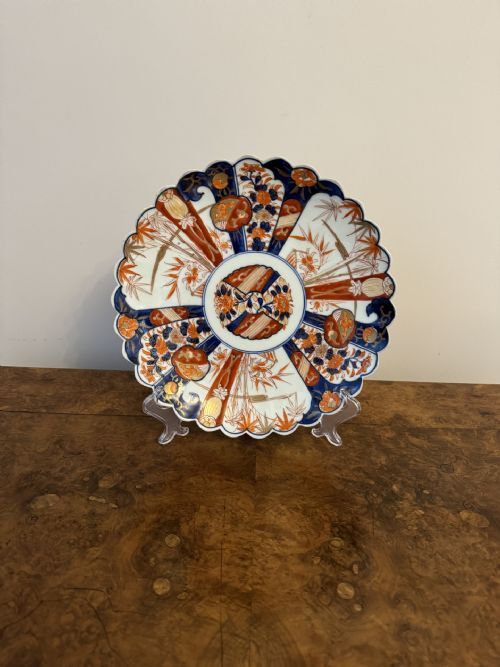


Gilded Edge Porcelain Plate
A gilded edge porcelain plate brings hand-painted artistry and metallic trim to a dining table or display cabinet.
Gilded Edge Porcelain Plate
A gilded edge porcelain plate is a ceramic vessel created for dining, dessert, or cabinet display, finished with a metallic gold border. The selections on this page span the eighteenth, nineteenth, and twentieth centuries, including Regency, Victorian, and Edwardian periods.
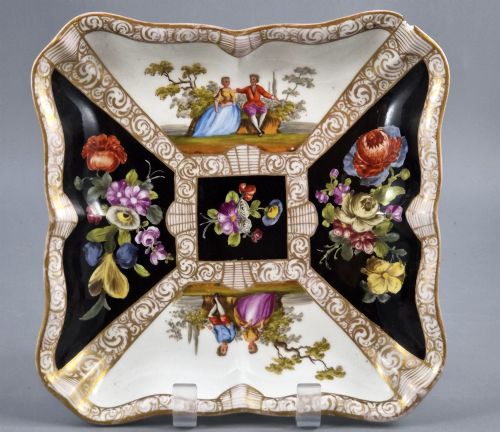
Forms range from standard dinner and dessert plates to large chargers, square dishes, and scalloped rope-edge platters. Makers from English factories, continental European manufactories, and Japanese kilns utilised porcelain, bone china, and hard-paste porcelain.
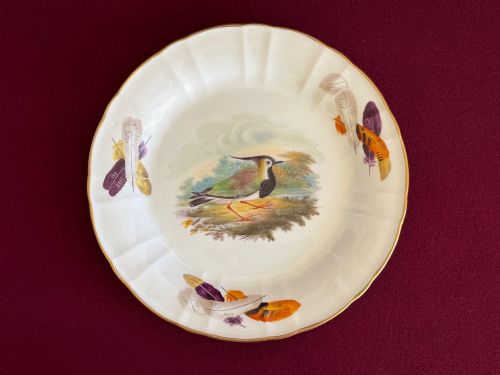
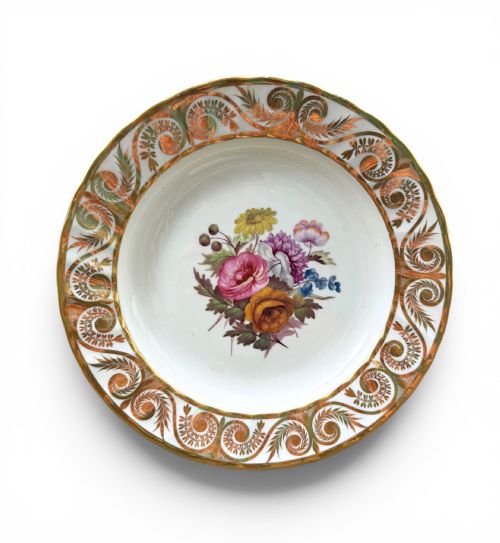
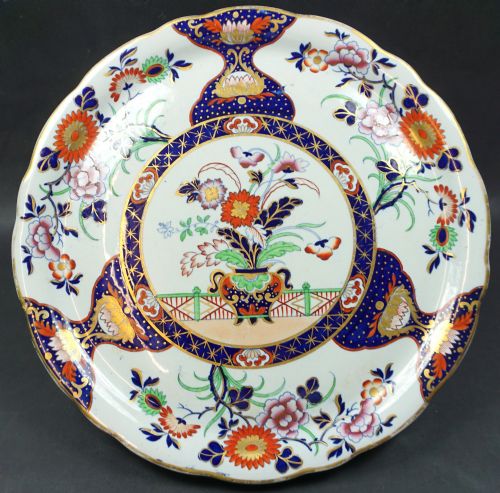
Buyers will encounter hand-painted scenes of flowers, birds, fruit, and Watteau figures alongside armorial designs and Imari patterns. These pieces function equally as functional tableware and decorative cabinet items.
Materials and technique
Potters formed these items using porcelain, bone china, and hard-paste ceramic, shaping them into standard plates, square dishes, and chargers. Artisans applied enamel paints by hand to depict birds, florals, and mythological scenes.
The metallic finishes rely on gold leaf, gilt, and traditional gilding techniques applied to the rims and edges. Specialised decorative methods such as pate-sur-pate add raised, layered detail to the ceramic surface.
Listings feature porcelain, bone china, and hard-paste ceramic spanning the eighteenth, nineteenth, and twentieth centuries.
Assessing quality in antique plates
Quality rests in the precision and complexity of the hand painting, from detailed botanical studies to intricate Imari patterns. Superior examples display refined brushwork by known artists rather than mechanical transfer printing.
The application of the metallic border dictates the finish, where heavy, burnished gilding outlasts thin or rubbed applications. The purity of the ceramic body and the crispness of moulded edges also separate standard tableware from cabinet-grade pieces.
Wedgwood·Meissen·Derby·Hicks and Meigh·Copeland·Royal Worcester·Kornilov Brothers·Coalport·Chamberlain Worcester·Flight Barr and Barr·Vienna·Mintons·Royal Doulton
The Gilded Edge Porcelain Plate Glossary
- Bone china
- A type of soft-paste porcelain containing bone ash that creates a durable, milky-white body suitable for fine painting.
- Cabinet plate
- A decorative plate intended for display in a cabinet rather than for serving food at the table.
- Gilding
- The application of gold leaf or powdered gold to the ceramic surface, typically framing the rim of the dish.
- Imari
- A style of Japanese export porcelain featuring underglaze blue and iron red with added gold highlights.
- Hard-paste porcelain
- A dense ceramic fired at high temperatures using kaolin and petuntse, producing a waterproof and durable body.
- Pate-sur-pate
- A ceramic decoration technique where wet porcelain slip is built up in layers to create a low relief cameo effect.
Gilded Edge Porcelain Plate: Frequently Asked Questions
How do I display a cabinet plate?
Cabinet plates are designed primarily for display rather than dining use. Many collectors utilise wall-mounted plate hangers or dedicated display stands inside glass cabinets.
Positioning them away from direct sunlight protects the hand-painted enamels and gold leaf from fading over time.
Can I use these plates for food?
While historic plates served practical dining purposes, older ceramics with delicate overglaze enamels and gilding require careful handling. Hand washing in warm water without harsh detergents preserves the painted scenes and metallic edges.
Avoid using antique porcelain in dishwashers or microwaves, as thermal shock and strong chemicals damage the glaze.
What does Imari mean on a plate?
Imari refers to a distinct decorative style originating from Japanese export wares, characterised by a palette of underglaze blue, iron red, and gold. European factories frequently copied these vibrant patterns during the eighteenth and nineteenth centuries.
Plates in this style combine symmetrical motifs with intricate borders, making them visually striking for wall display.
How do I date an antique plate?
Dating relies on maker marks stamped or painted on the reverse, alongside stylistic clues such as the shape of the rim and the type of ceramic body. Factory backstamps often changed with the reigning monarch or corporate restructuring.
Comparing the painting style and colour palette to documented examples from periods like Regency or Victorian helps narrow the production decade.