


Gilded Ebonised Overmantel Mirror
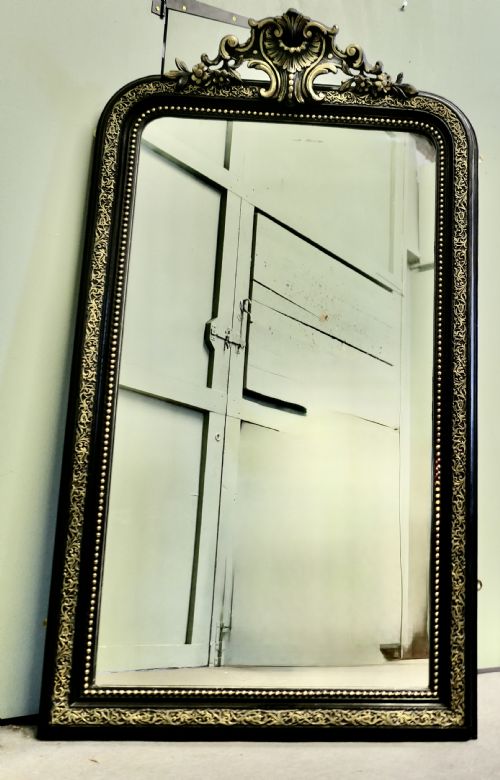
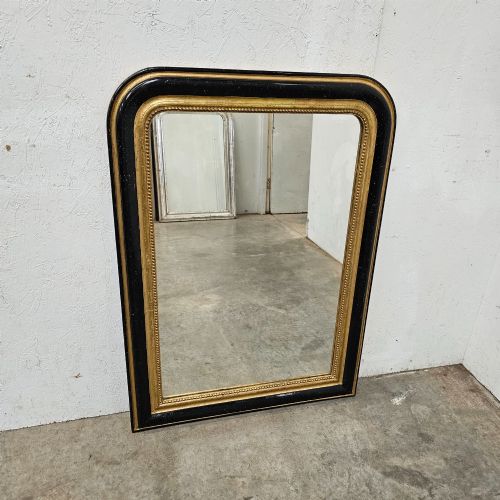
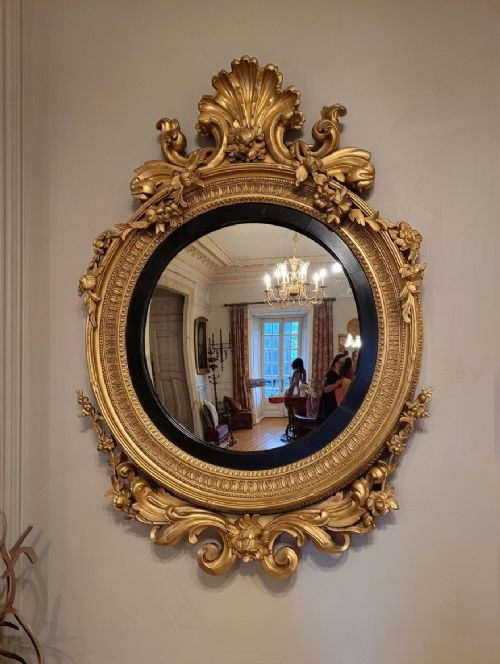
A gilded ebonised overmantel mirror commands the chimney breast with dark timber and brilliant gold leaf.
Gilded Ebonised Overmantel Mirror
A gilded ebonised overmantel mirror is a wide, landscape-oriented glass designed to sit directly above a fireplace mantelpiece. When you search for this phrase, you encounter large architectural frames combining deep black ebonised wood with contrasting bright gold leaf or gilt details.
The pieces on this page span several distinct eras, with nineteenth-century Regency and Victorian examples appearing frequently alongside Aesthetic Movement and Napoleon III designs. Many adopt rectangular or triptych formats, while others feature arched tops or decorative columns.
Originating largely from British and French workshops, these mirrors served to reflect candlelight and brighten dark Victorian and Regency reception rooms. The combination of black and gold gave formal drawing rooms a striking architectural focus.
Materials and construction methods
Frames are constructed from carved wood, frequently finished with a layer of dark ebonised paint or stain to imitate costly ebony. Craftsmen then applied gesso moulded ornaments before laying fine gold leaf or gold paint over selected sections.
Original mirror glass is frequently heavy and silvered by hand, displaying subtle imperfections and foxing accumulated over generations. Structural joints rely on traditional joinery hidden beneath the heavy gilt and plaster decoration of the frame.
Assessing craftsmanship and finish
The depth and crispness of the moulded gesso ornamentation separate standard production frames from finer decorative works. Crisp acanthus leaves and well-defined architectural columns indicate skilled hand-chiselling rather than mass-produced casting.
The harmony between the dark ebonised surfaces and the applied parcel-gilt highlights dictates the visual balance of the piece. Superior examples retain coherent surface contrast where the black and gold complement the underlying proportions of the timber frame.
The Gilded Ebonised Overmantel Mirror Glossary
- Overmantel
- A mirror specifically shaped to hang on the wall directly above a fireplace mantel. These pieces are traditionally wider than they are tall to match the horizontal span of the hearth.
- Ebonised
- Timber treated with stain or paint to resemble true ebony wood. This dark finish provides a stark, dramatic contrast against bright gilded ornaments.
- Parcel-gilt
- A decorative treatment where only specific raised details or carved areas of an object are gilded with gold leaf, leaving the base material exposed elsewhere.
- Triptych
- A mirror divided into three distinct vertical glass panels within a single frame. This layout was popular during the Regency period to break up wide expanses of reflection.
- Gesso
- A plaster-like mixture applied to wooden frames as a smooth base for subsequent gilding. Artisans carved intricate relief patterns directly into this hardened material.
Gilded Ebonised Overmantel Mirror: Frequently Asked Questions
How do I hang a heavy overmantel mirror safely?
These frames carry significant weight due to the dense timber and heavy glass panels. They require secure fixing directly into wall studs or masonry using appropriate heavy-duty brackets.
Professional installation ensures the weight distributes evenly across the wall rather than relying solely on decorative hanging loops attached to the back of the frame.
Can I place an overmantel mirror on a mantelpiece instead of hanging it?
Many nineteenth-century mirrors were designed to rest directly on the wooden shelf of the fireplace while anchored to the wall for stability. This placement creates an integrated architectural look common in period interiors.
When resting a heavy frame on stone or wood, use discreet protective pads beneath the corners to prevent scratching the mantel surface.
How do I clean ebonised and gilded frames?
Dust the carved gesso and ebonised woodwork gently using a soft, dry brush to avoid damaging the fragile metallic leaf. Moisture can lift old gesso or discolour exposed wood surfaces.
Clean the glass plate with a cloth dampened slightly with water or a mild glass cleaner, taking care not to let liquid seep onto the surrounding gilded rebate.
What is the difference between Regency and Victorian overmantels?
Regency mirrors frequently display neoclassical restraint with clean architectural lines, triptych glass divisions, and delicate reeded columns. They lean towards lighter classical proportions derived from ancient Greek and Roman designs.
Victorian and later nineteenth-century examples tend to be heavier and more ornate, incorporating arched tops, dense ebonised finishes, and elaborate parcel-gilt relief work suited to grander reception rooms.