
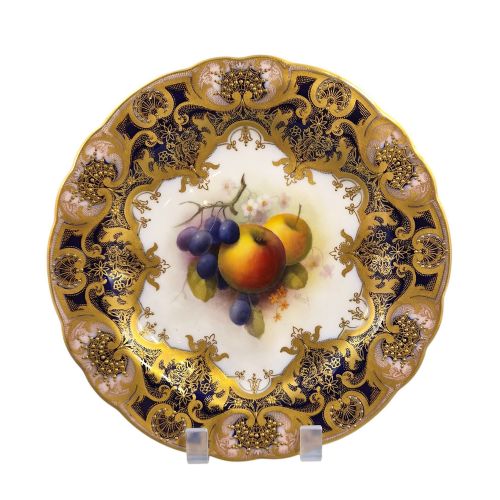
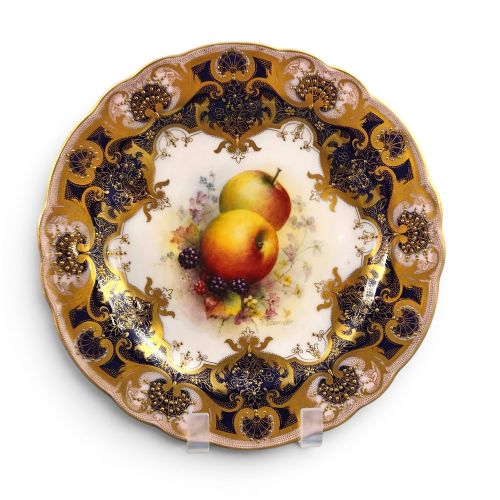
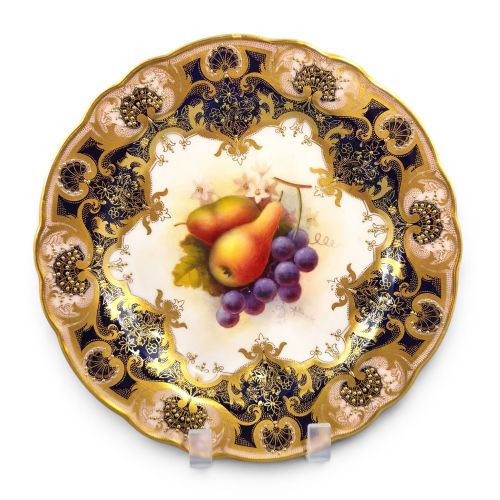
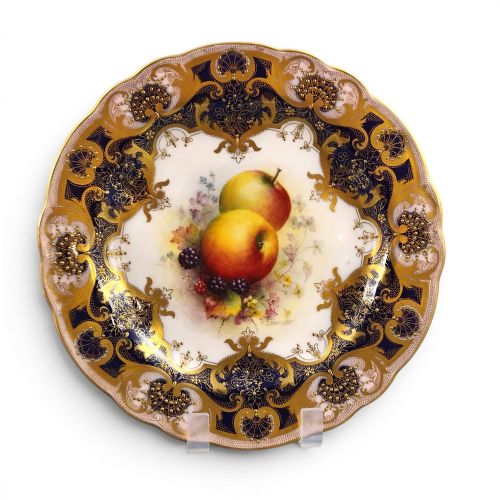
Gilded China Plate
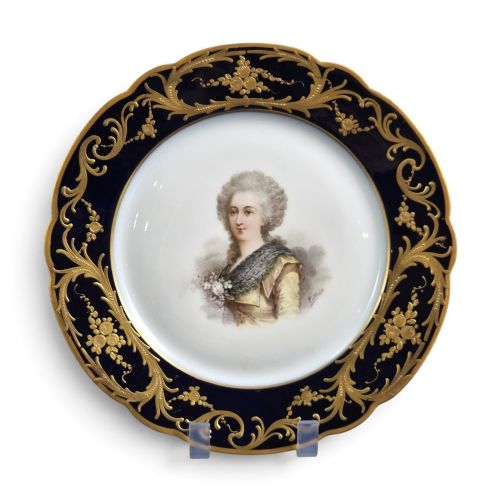
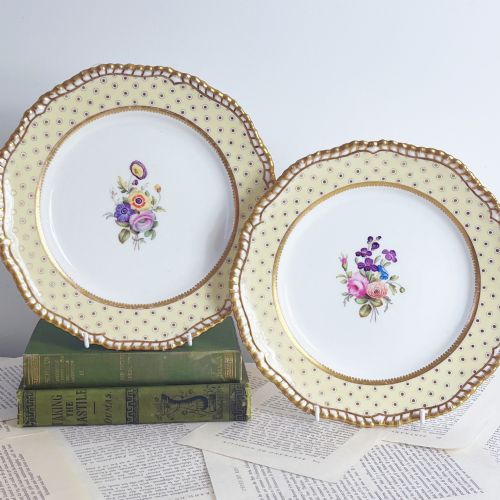
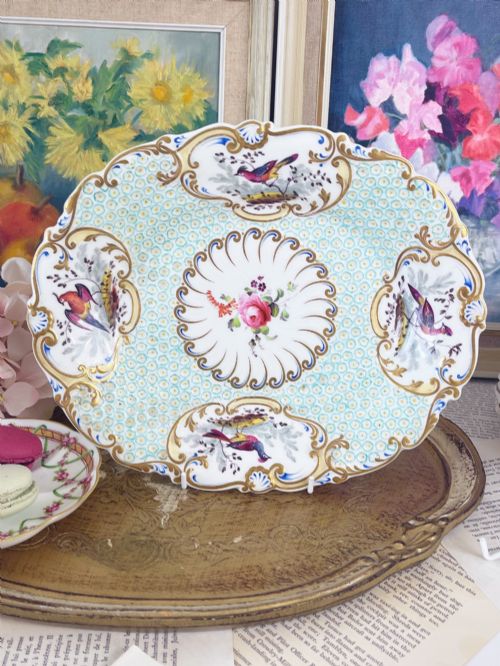
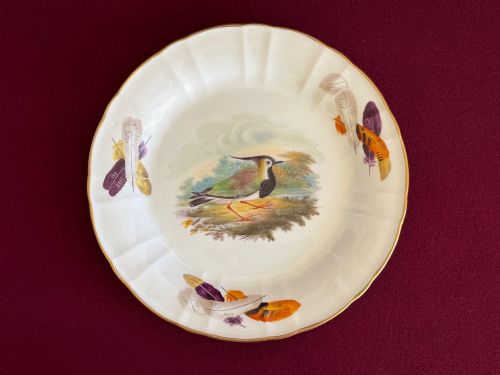
These gilded china plate pieces combine rich metallic lustre with hand-painted ceramics for display and service.
Gilded China Plate
A gilded china plate sits at the intersection of decorative art and functional dining ware, taking forms such as cabinet plates, dessert plates, and serving dishes. When searching for a gilded china plate, buyers encounter pieces intended primarily for display in cabinets or formal service on special occasions.
The selections span from the Georgian and Regency periods through the Victorian era into the twentieth century, reflecting shifting tastes in domestic display. English factories dominate the available items, alongside continental porcelain traditions.
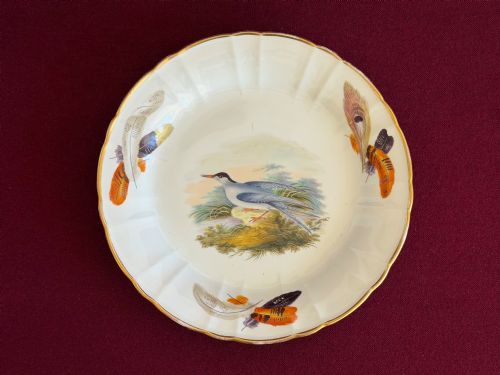
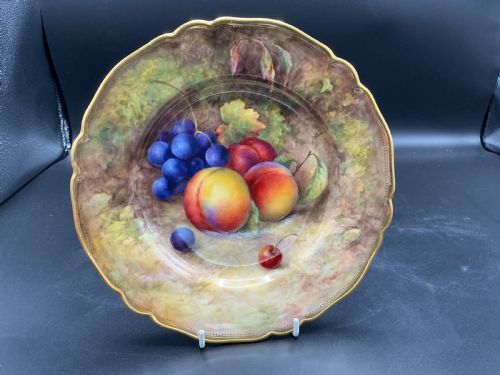
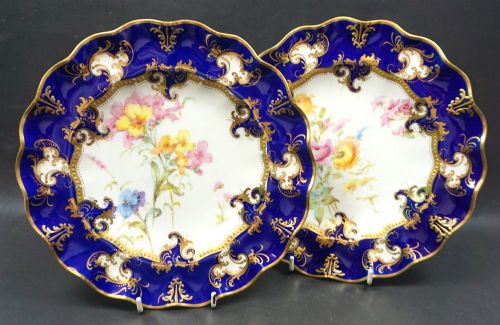
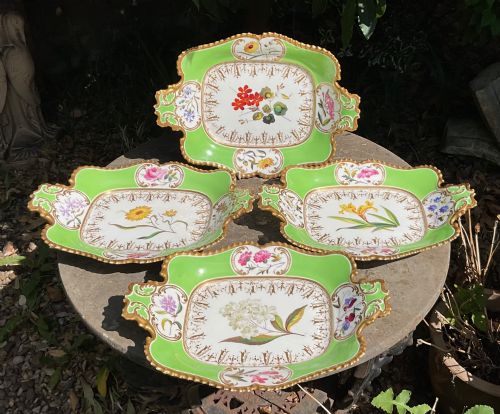
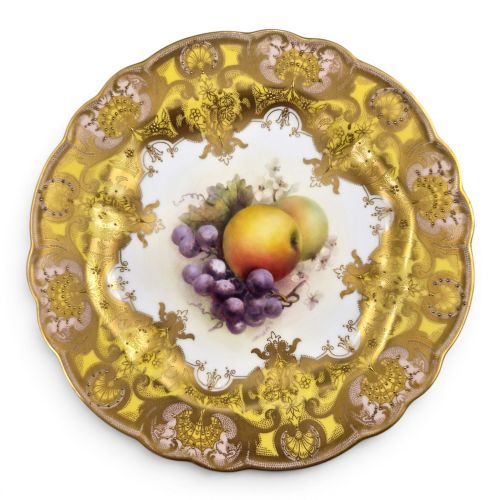
Most examples function as cabinet plates or dessert service components, often featuring hand-painted botanical, avian, or landscape subjects framed by elaborate metallic borders.
Materials and Manufacture
Manufacture relies on hard-paste or bone china bodies shaped into plates and dishes, then fired to create a stable ceramic base for decoration. Artisans applied hand-painted enamels depicting birds, fruit, flowers, and named views directly onto the glazed surface.
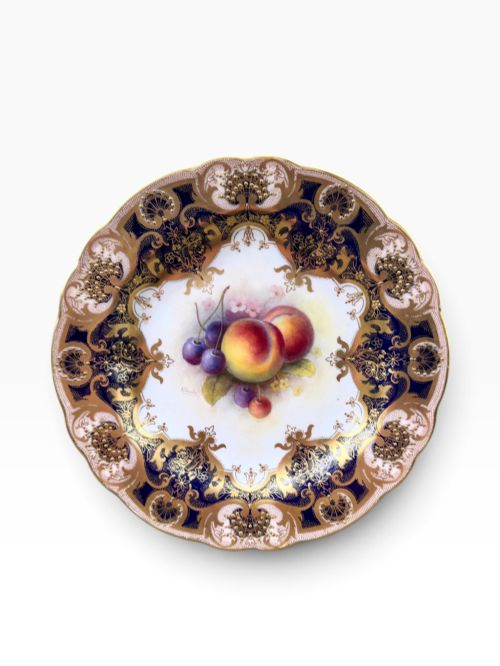
Gilding was applied using gold leaf or liquid gold, which was then fired and burnished to achieve a brilliant metallic finish along the rims and borders. Enamel paints provided the vibrant polychrome contrasts seen in floral and pictorial central panels.
Materials recorded across the inventory include bone china, porcelain, enamel, gold leaf, and gilt paint.
Distinctions in Quality
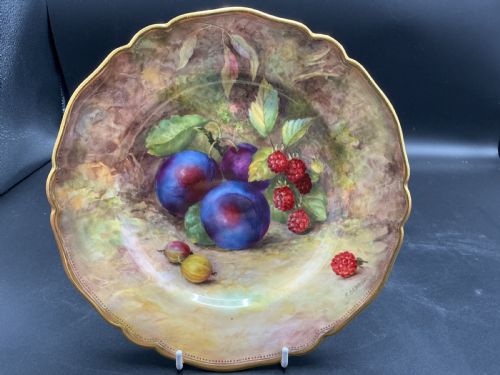
Quality rests upon the skill of the painting and the precision of the gilding rather than the age alone. Hand-painted botanical and fruit studies by known artists demonstrate a higher level of craftsmanship than standard transfer-printed decoration.
The weight of the porcelain body, the intricacy of the moulded borders, and the depth of the burnished gold leaf separate everyday utility items from exhibition-grade cabinet plates.
Spode·Royal Crown Derby·Royal Worcester·Chamberlains Worcester·Coalport·Royal Doulton·Meissen·Minton·Wedgwood·Flight Barr And Barr
The Gilded China Plate Glossary
- Cabinet plate
- A decorative plate intended for display in a cabinet rather than for holding food at the table. These pieces usually feature elaborate painted scenes and heavy gilding.
- Bone china
- A type of soft-paste porcelain containing bone ash, invented in England to provide a whiter and stronger ceramic body. It allows for thinner walls and delicate moulding.
- Gilding
- The application of gold leaf or gold powder to the surface of ceramics for decorative effect. The metal is typically burnished to create a bright, reflective finish.
- Enamel
- Low-melting glass coloured with metallic oxides, used for painting over the glaze on porcelain. It requires a secondary low-temperature firing to fuse the colours.
- Comport
- A raised dish or bowl used for serving fruit or dessert as part of a formal service. It stands on a central foot above the level of flat plates.
Gilded China Plate: Frequently Asked Questions
What is a cabinet plate?
A cabinet plate is a decorative ceramic dish made for visual display rather than daily dining. These items frequently incorporate detailed hand-painted artwork and generous gilding.
They were housed in glass-fronted furniture to showcase wealth and taste during the nineteenth and early twentieth centuries.
How do I care for antique gilded plates?
Antique plates require gentle hand washing in lukewarm water with mild soap. Avoid abrasive sponges and dishwashers to protect the delicate gold leaf and enamel painting.
Store them securely on plate stands or use felt separators if stacked to prevent friction damage.
Can I use these plates for food?
Most antique pieces function safely for dry foods, though historic glazes may contain trace materials. Collectors generally reserve them for display or occasional light dessert service.
Hand-washing remains essential to preserve the integrity of the antique pigments and metallic borders.
How do I identify the period of a plate?
Makers' marks, pattern numbers, and ceramic bodies offer clues to a piece's age and origin. Factory stamps and registration numbers often correspond to specific decades of production.
Stylistic shifts, from Regency neo-classicism to Victorian revivals, also help narrow down the date of manufacture.