
Gilded China Cup
A gilded china cup brings Regency elegance and handpainted detail to the table, offering a tangible connection to early ceramic artistry.
Gilded China Cup
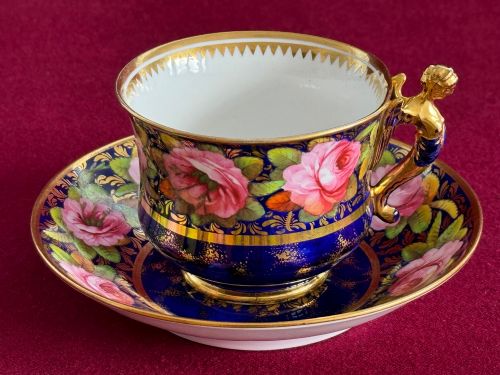
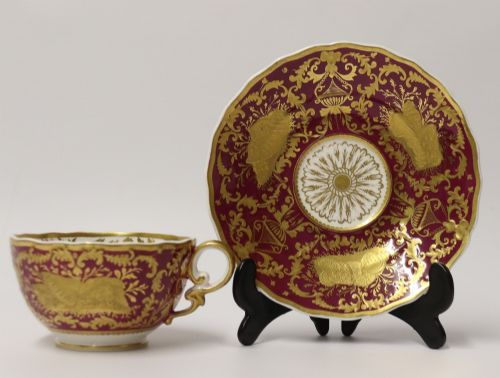
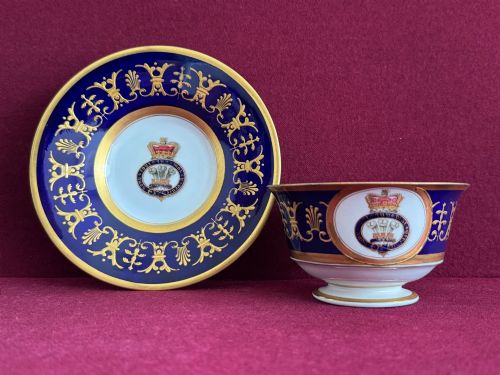
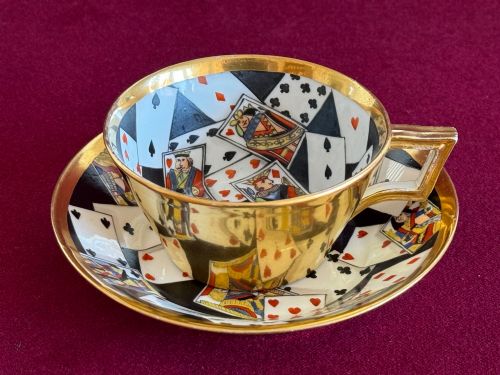
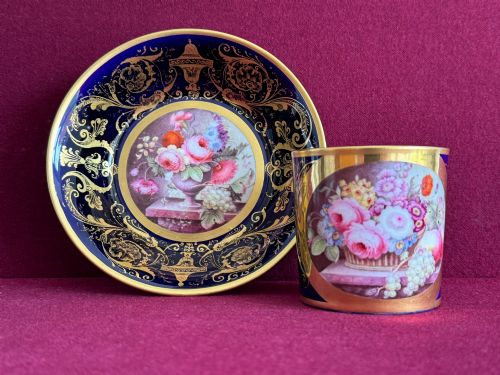
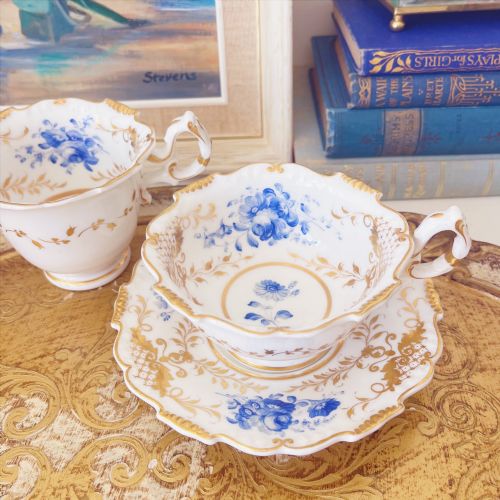
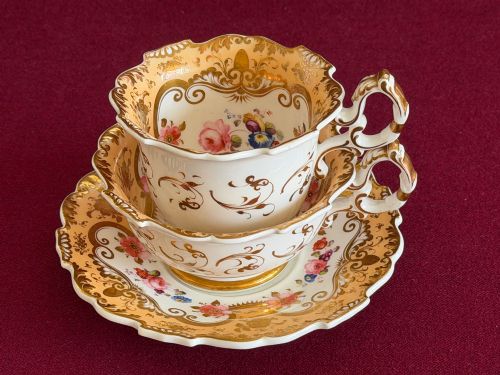
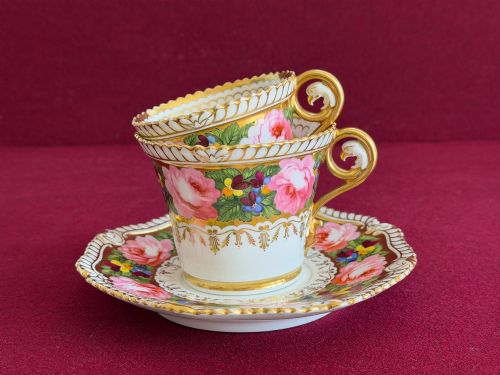
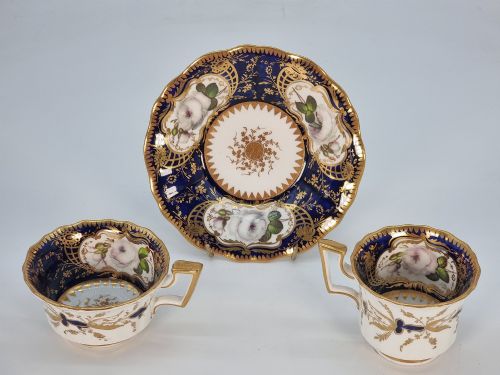
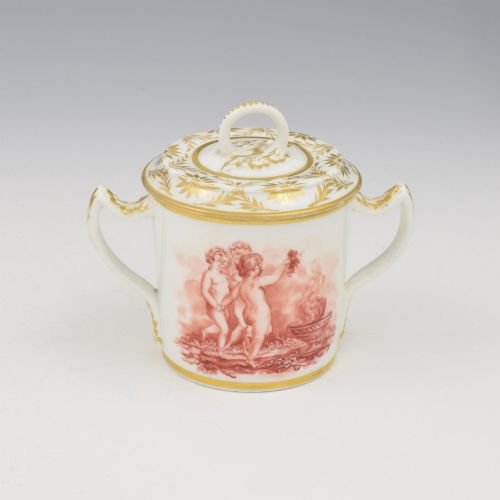
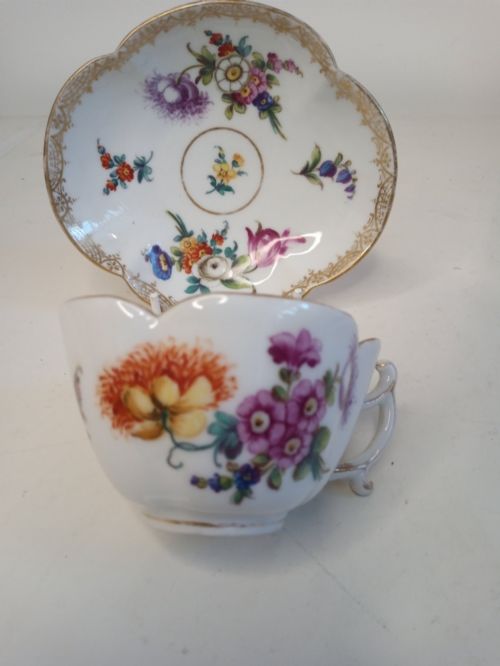
When you search for a gilded china cup, you encounter refined drinking vessels produced across the eighteenth, nineteenth, and early twentieth centuries. These pieces encompass teacups, coffee cans, chocolate cups with covers, and full trios featuring a cup, saucer, and matching plate.
The most common examples on this page date from the Georgian and Regency periods through to the Edwardian era. Makers utilise fine porcelain, bone china, and ironstone to form delicate vessels embellished with gold leaf and enamel.
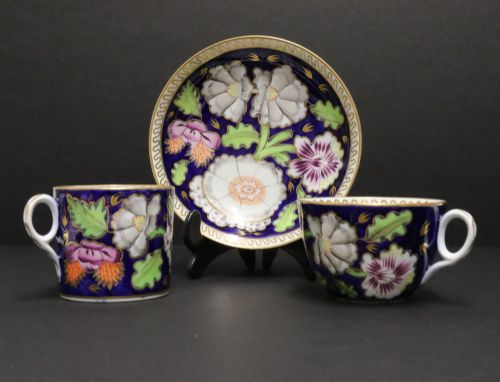
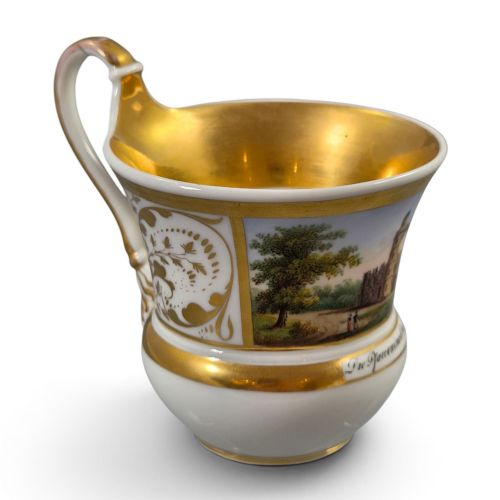
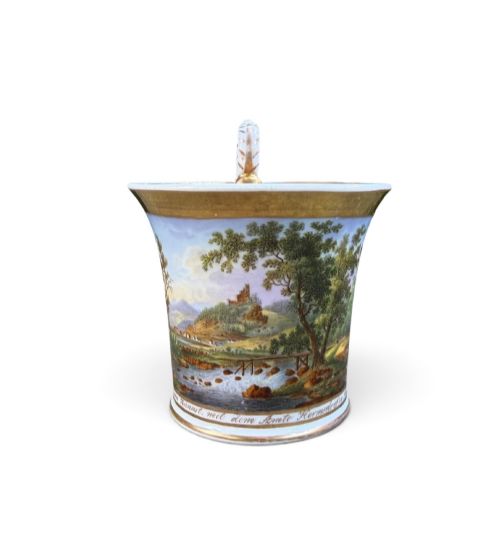
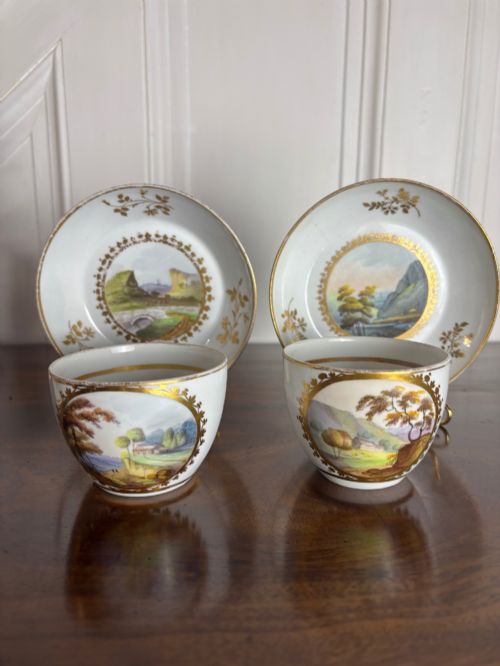
The selection includes cabinet cups intended for display alongside functional tea sets used for afternoon gatherings. Styles range from classical Neoclassical motifs to vibrant Victorian Imari patterns and handpainted topographical scenes.
Materials and technique
Potters shape fine porcelain and bone china bodies before applying handpainted enamels and intricate gold leaf details. Artisans fire the pieces multiple times to fix the pigments and the rich gold gilding securely to the surface.
Specialised decorators paint landscapes, birds, and botanical subjects by hand onto the porcelain surface before adding the final metallic borders.
Listings feature porcelain, bone china, and ironstone vessels spanning the Georgian, Regency, and Edwardian periods.
Evaluating craftsmanship
The refinement of the painted detail and the thickness of the gold leaf dictate the distinction between standard production items and exceptional cabinet pieces. Handpainted topographical scenes or named artists elevate a cup far above transfer-printed equivalents.
The crispness of the porcelain moulding and the preservation of the delicate gilding indicate the level of care taken during manufacture and subsequent handling.
Royal Crown Derby·H & R Daniel·Chamberlain Worcester·Newhall·KPM Berlin·Bloor Derby·Minton·Mason·Spode·Flight Barr & Barr·Duesbury & Kean·Hicks Meigh & Johnson·Royal Worcester·Doric China Longton Stafford·Davenport
The Gilded China Cup Glossary
- Trio
- A matched set consisting of a teacup, saucer, and tea plate. This combination became popular during the Georgian period for formal tea service.
- Cabinet Cup
- A decorative vessel made for display in a cabinet rather than for daily drinking. These pieces often feature elaborate topographical views or handpainted scenes.
- Coffee Can
- A cylindrical cup designed specifically for drinking strong coffee during the late eighteenth and early nineteenth centuries. They lack the curved handle shape typical of standard teacups.
- Imari
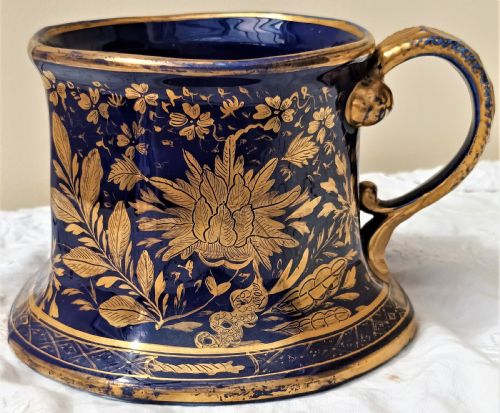
- A decorative style inspired by Japanese export porcelain, characterised by a palette of cobalt blue, iron red, and abundant gold leaf. English factories adopted this aesthetic widely during the Regency era.
- Bone China
- A type of soft-paste porcelain containing bone ash, which yields a durable, translucent body. It allows for thinner walls while maintaining structural strength.
Gilded China Cup: Frequently Asked Questions
How were gilded china cups used?
These vessels served high-status beverages like tea, coffee, and chocolate during formal social occasions. Wealthy households displayed the finest cabinet cups in glass-fronted furniture when not in use.
Simpler sets functioned during afternoon tea, while specialised shapes like coffee cans and chocolate cups catered to specific drinks.
Can I use an antique cup for daily tea?
Using nineteenth-century porcelain requires caution due to the delicate nature of bone china and fragile gold leaf. Hand washing protects the enamel and gilding from modern detergents.
Most collectors reserve these pieces for special occasions or display them to prevent accidental damage to the painted surfaces.
How do I identify a Regency cup?
Regency pieces often feature neoclassical shapes, intricate handpainted floral motifs, and substantial gold gilding. Look for specific handle forms such as ring handles or kick handles characteristic of the period.
Factory marks on the base, when present, help narrow down the production date alongside stylistic cues.
What does an Imari pattern look like?
Imari designs combine deep cobalt blue underglaze with iron red overglaze, highlighted by extensive gold leaf application. This decorative scheme creates a rich, patterned surface across the cup and saucer.
English factories adapted this Japanese aesthetic during the Georgian and Victorian eras.