




Gilded Cherub Sculptures
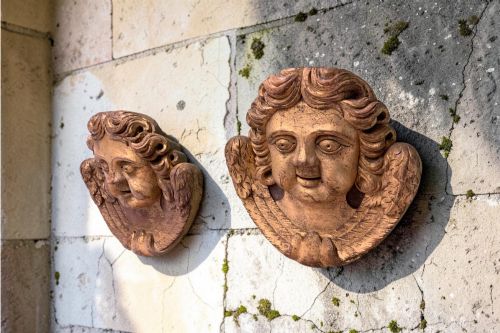
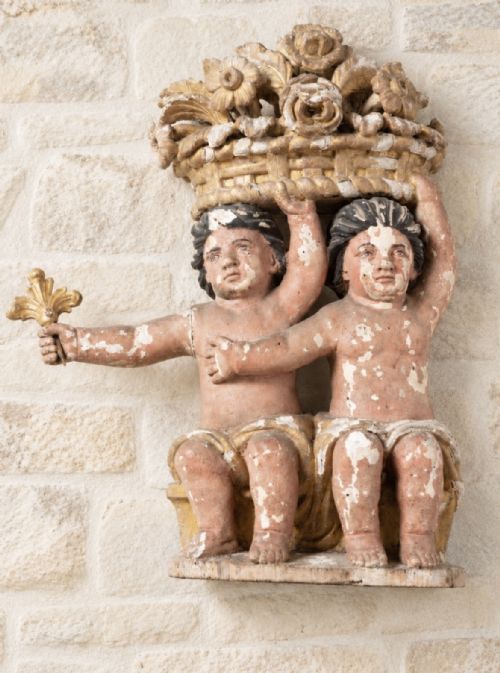
These gilded cherub sculptures bring the ornate drama of Baroque style and the delicate grace of porcelain figures into a room.
Gilded Cherub Sculptures
When you search for gilded cherub sculptures, you encounter a range of devotional and decorative figures spanning several centuries. The selections on this page draw predominantly from the nineteenth and eighteenth centuries, reflecting Baroque and Victorian sensibilities.
Most pieces take the form of carved wooden wall sculptures, decorative carvings, or freestanding figures, often depicting putti, angels, or cherub heads. Italian and German workshops feature prominently among the origins, alongside fine porcelain figures.
You will find pairs of alters love angels alongside single figures, tabletop pieces, and utilitarian objects integrated with figural sculpture. The variety stretches from grand carved wood covered in gold leaf to intimate porcelain centrepieces.
How They Were Made
The physical construction relies heavily on carved wood finished with gesso and gold leaf, capturing the rich textures associated with Baroque design. Artisans also employed lime wood for intricate detailing, applying polychrome paint to enhance flesh tones and garments.
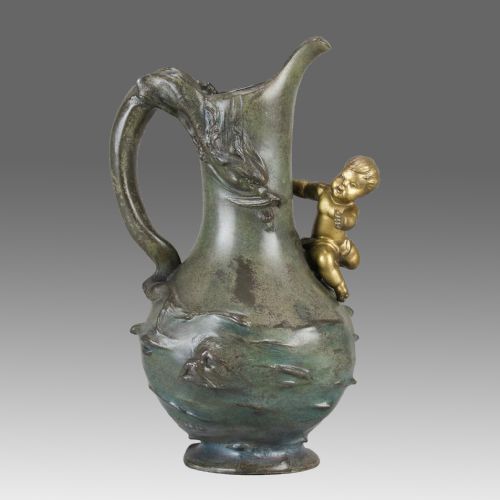
Bronze casting techniques yielded patinated and gilt bronze pieces, utilising the metal to create durable table lamps and decorative jugs. Porcelain manufacturing processes produced glazed figurines and centrepieces, moulded with fine precision by established factories.
The listings here draw on materials including lime wood, porcelain, patinated bronze, and gold leaf across the eighteenth and nineteenth centuries.
What Varies in Quality
The application of gold leaf and gesso dictates the surface richness, with old gilding retaining a warm, burnished patina over time. Inferior or later interventions often show flat metallic surfaces that lack the depth of genuine period finishes.
Georges Van De Voorde·Aug. Moreau·Karl Tutter·Royal Worcester
The Gilded Cherub Sculptures Glossary
- Putto
- A plump, naked male child depicted in classical art and Baroque sculpture. They often appear as winged figures resembling cherubs in religious and decorative works.
- Gesso
- A plaster-like mixture applied to wood surfaces as a base for gilding or painting. It provides a smooth ground that artisans carved intricate details into.
- Polychrome
- Painted in several colours. This surface treatment brings realism to carved wood figures by highlighting hair, eyes, and garments.
- Ormolu
- Finely ground high-carat gold applied to bronze objects. The technique produces a rich golden finish seen on decorative mounts and lamps.
- Baroque
- An ornate artistic style characterised by drama, exuberant detail, and deep movement. It heavily influences the carved wooden angels and gilt sculptures found here.
Gilded Cherub Sculptures: Frequently Asked Questions
How do I hang a carved wooden cherub?
Most wall sculptures and cherub heads feature integrated metal loops or sturdy hanging brackets on the reverse. Ensure you use fixings appropriate for the weight of the timber and the type of wall.
Position them at eye level or slightly above to appreciate the downward gaze and carved details of the piece.
Are these figures made of solid gold?
No, the pieces utilise gold leaf or ormolu applied over carved wood, gesso, or bronze. Gold leaf is an extremely thin sheet of beaten gold adhered to the prepared surface.
This traditional technique gives the sculpture its brilliant metallic sheen without the immense weight and cost of solid precious metal.
How should I clean a gilded wooden sculpture?
Dust the surface gently with a very soft, dry artist brush or ostrich feather duster. Avoid using water, chemical cleaners, or abrasive cloths, as these can easily damage the delicate gold leaf and gesso layers.
Keep the pieces away from direct sunlight and excessive humidity to preserve the integrity of the antique wood and paint.
What is the difference between a putto and a cherub?
Art historical terminology distinguishes putti as secular classical figures of winged infants from cherubs, which possess higher celestial rank in religious hierarchy. In the antique market, however, the terms are frequently used interchangeably.
Both appear widely in Baroque and Victorian decorative arts, symbolising love, peace, or divine presence.