


Gilded Ceramic Serving Platter
When you search for a gilded ceramic serving platter, you are looking at porcelain, earthenware, and bone china brought to life with gold leaf and enamel.
Gilded Ceramic Serving Platter
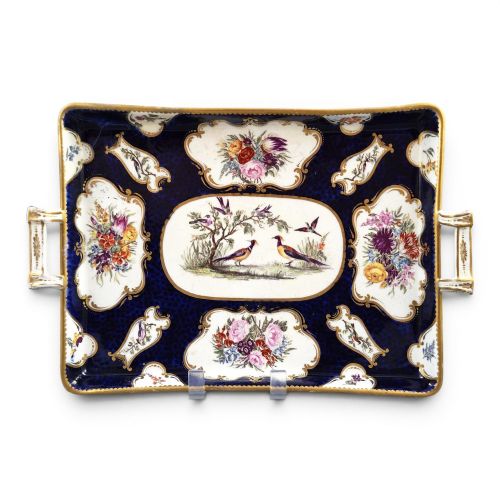
A gilded ceramic serving platter encompasses a range of serving dishes, trays, and chargers designed for formal dining and display. You will frequently encounter oval plates, leaf dishes, and twin-handled serving platters originating from eighteenth, nineteenth, and early twentieth-century workshops.
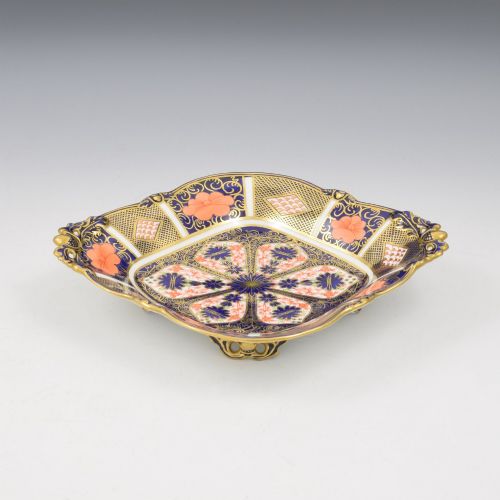
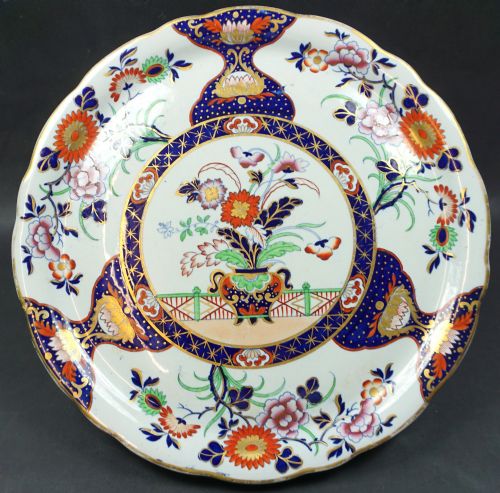
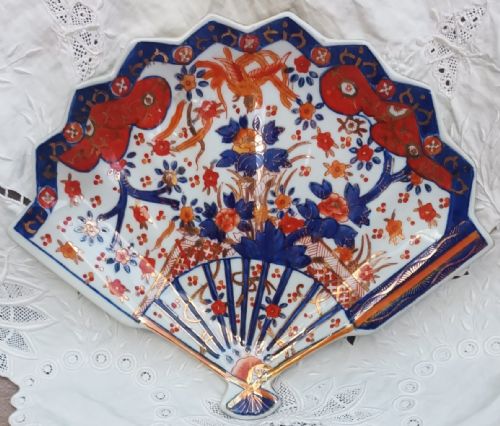
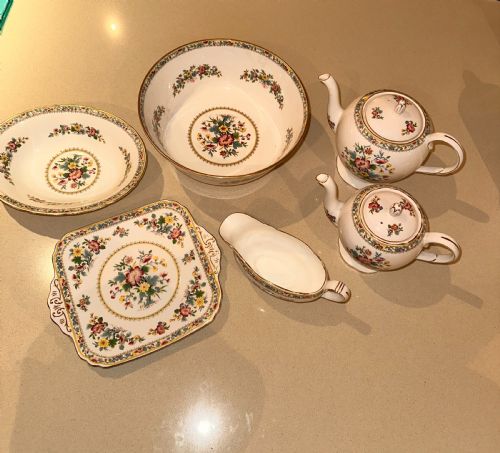
The selections span traditional English factories like Worcester and Coalport alongside continental European porcelain and Japanese Imari imports. These pieces served practical roles on the dining table for dessert, cheese, or fish courses before transitioning into decorative cabinet pieces.
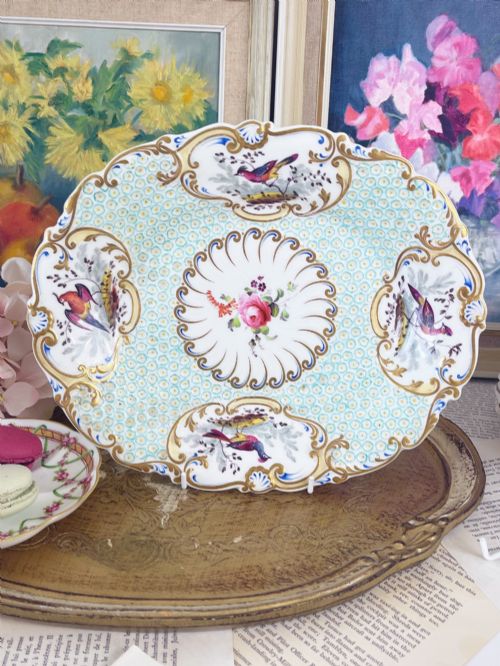
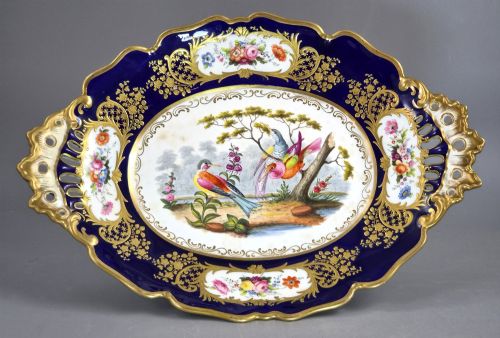
Moulded shapes and shaped plates reflect styles from the Georgian and Regency periods through to Victorian and Edwardian revivals. Collectors select these items for their painted bird, floral, or classical figure scenes set against gilded borders.
Materials and Craftsmanship
Potters shaped fine ceramic paste, porcelain, or bone china before applying hand-painted underglaze and enamel decoration. Artisans then added metallic accents using gold leaf, gilt, or liquid gilding to highlight rims, handles, and pierced borders.
Kiln firing set the ceramic body and fixed the delicate enamel colours, followed by a secondary low-temperature firing for the gold application. Skilled painters executed detailed botanical studies, exotic birds, and mythological scenes freehand prior to final glazing.
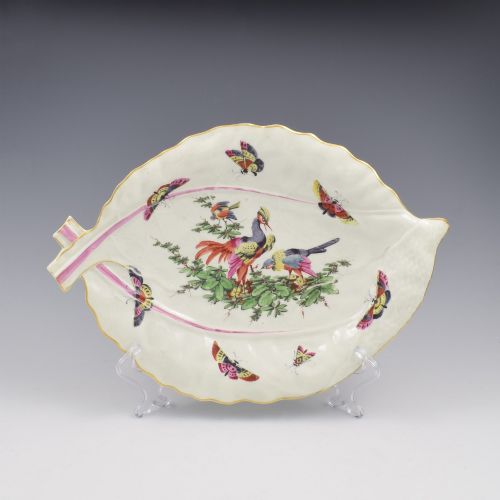
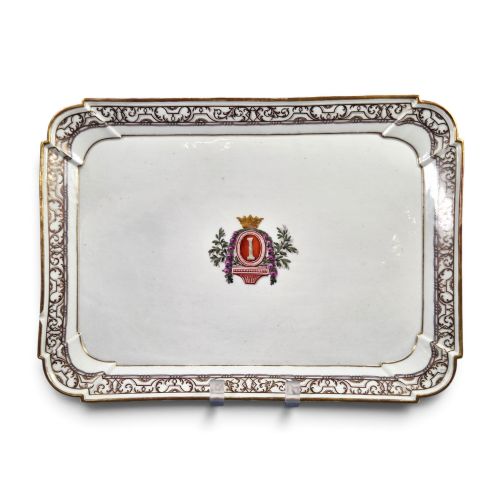
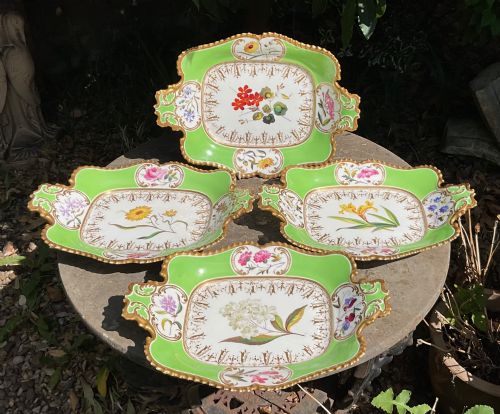
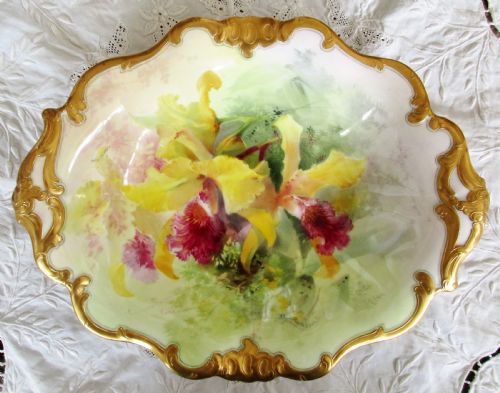
Decorative forms on this page include oval plates, leaf dishes, well and tree platters, and twin-handled serving trays.
Assessing Quality and Execution
Quality rests upon the precision of the hand-painted brushwork and the purity of the ceramic body. Finer pieces demonstrate superior control in miniature detailing, such as individual feathers on exotic birds or botanical accuracy in floral studies.
The application of gold leaf and gilding dictates the visual weight and elegance of the object. Heavier, more secure gilding that retains its burnished lustre without rubbing separates standard production wares from premier cabinet pieces.
Royal Crown Derby·H & R Daniel·Dr Wall Worcester·Ludwigsburg Porcelain·Coalport·Chamberlains Worcester·Hicks & Meigh·Royal Doulton·James Giles·Carlton Ware·Kutani·Sevres·Spode·Vienna·Mintons·KPM·Barr Flight And Barr·Royal Worcester·Meissen
The Gilded Ceramic Serving Platter Glossary
- Gilding
- The application of gold leaf or powdered gold to the surface of ceramic wares. This technique enhances decorative borders and structural highlights.
- Imari
- A style of Japanese porcelain featuring a distinct palette of cobalt blue, iron red, and gold. European factories frequently copied these patterns.
- Bone China
- A type of soft-paste porcelain incorporating animal bone ash. This composition creates a durable, bright white body ideal for intricate serving dishes.
- Enamel
- Opaque glass-based pigment applied over the glaze and fired. It provides rich, lasting colour to hand-painted birds, flowers, and figures.
Gilded Ceramic Serving Platter: Frequently Asked Questions
What were these platters used for originally?
These ceramic platters served functional roles during formal multi-course dinners. Wealthy households utilised them for presenting dessert selections, cheeses, or specialised fish dishes at the table.
Over time, many of these pieces transitioned from the dining room to the drawing room. They were displayed on sideboards or hung in cabinets as decorative cabinet dishes.
Can I use my antique platter for food?
Most antique ceramic platters are safe for serving dry foods like biscuits or fruit. However, historic lead-bearing glazes require caution with acidic or wet foods.
Displaying the platter as intended safeguards both the fragile overglaze enamels and the historic material. Using it purely for decoration prevents accidental chips or modern dishwasher damage.
How do I date a porcelain serving dish?
Examining the base often reveals impressed maker marks, hand-painted pattern numbers, or factory ciphers. Comparing these symbols against standard ceramic registry guides helps narrow the production window.
Stylistic clues such as Regency moulded borders or Victorian floral motifs also indicate the period. The weight, translucency of the paste, and painting style further clarify the era.