

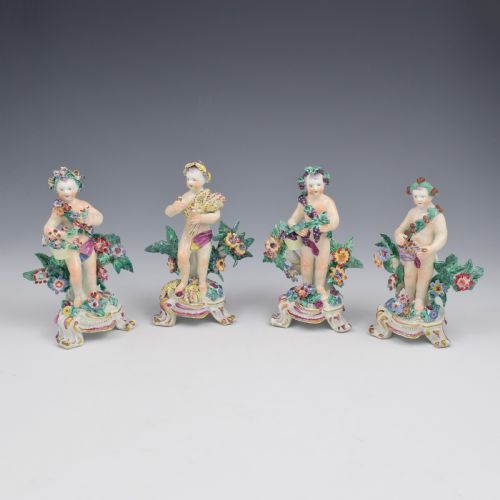


Gilded Ceramic Ornament
These gilded ceramic ornament examples bring together porcelain, earthenware and fine metal leaf decoration across centuries of European and Japanese workshops.
Gilded Ceramic Ornament
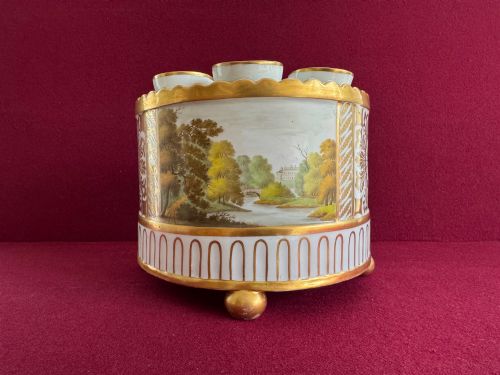
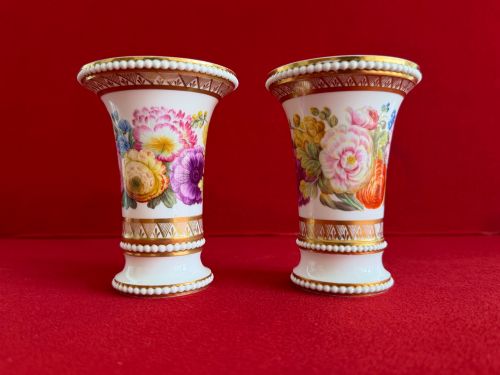
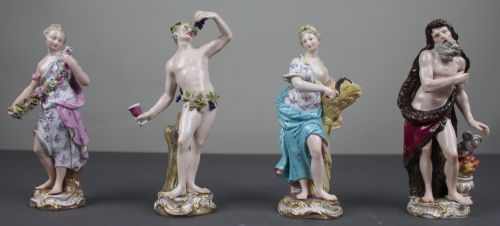
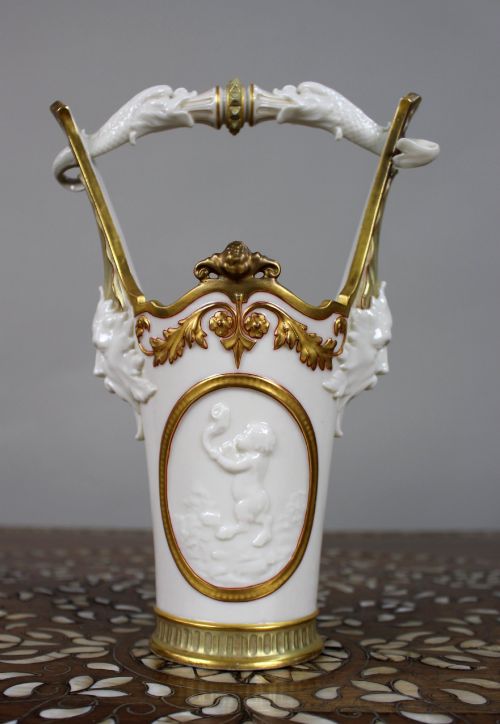
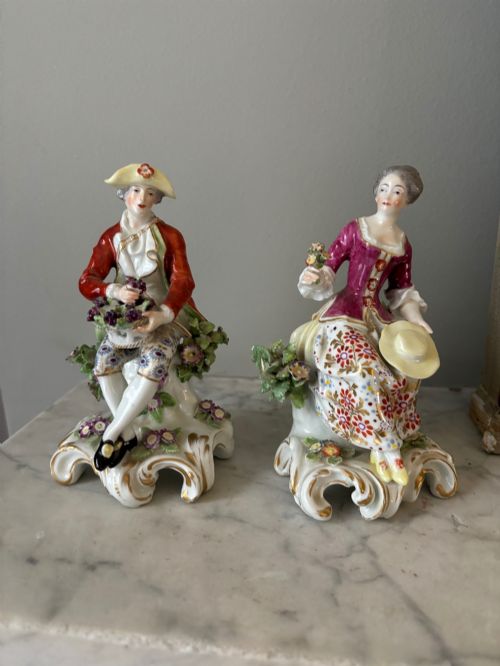
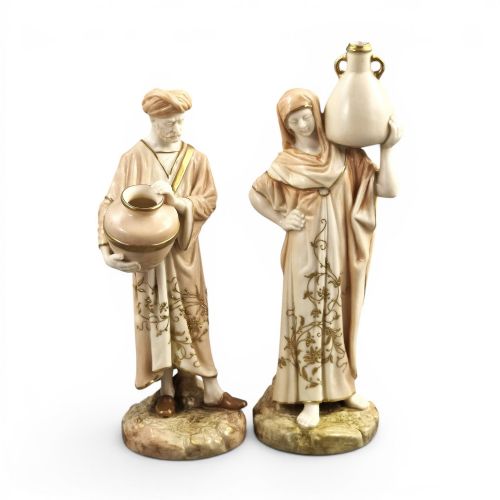
A gilded ceramic ornament spans decorative figurines, vases, inkstands and jardinieres created across the eighteenth, nineteenth and early twentieth centuries. These pieces combine glazed ceramic bodies with applied metal leaf or paint to highlight moulded details, garments and architectural motifs.
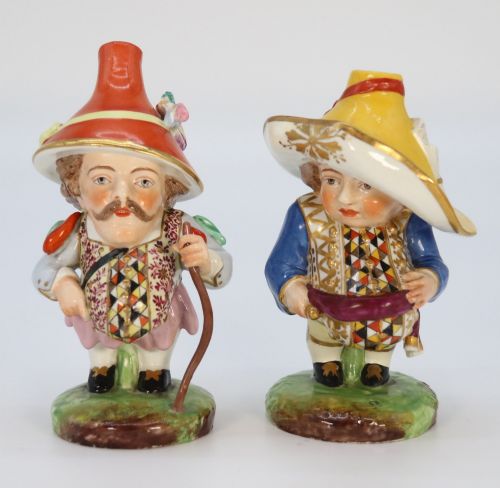
The selection on this page relies heavily on nineteenth-century Victorian pieces alongside eighteenth-century Georgian works and Japanese Meiji period okimono. Figures modelled as putti, animals, musicians and allegorical characters dominate the available forms.
Materials and construction
Makers utilised hard-paste porcelain, earthenware and soft-paste bodies shaped through moulding or hand-modelling before applying intricate enamels and glaze. Surface decoration frequently incorporated gold leaf, gilding and gilt highlights to accentuate robes, bases and intricate modelled foliage.
Factories employed specialised techniques such as blush ivory grounds, patent metallic finishes and intricate hand-painting to achieve depth across figures and vases. Kiln firing fixed the underglaze colours before secondary low-temperature firings set the delicate gilding and enamel details.
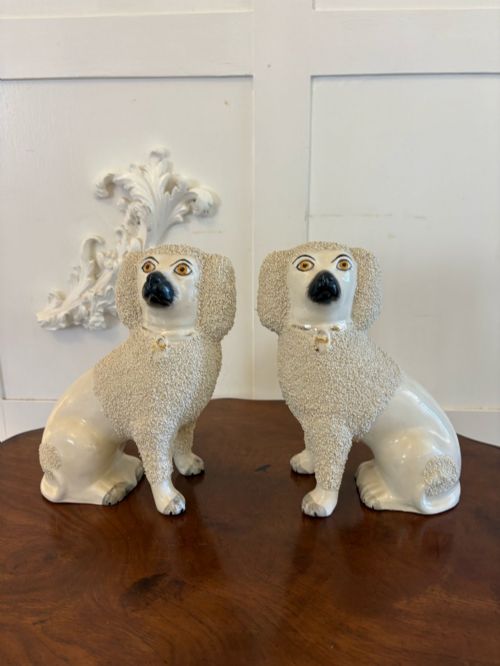
Ceramic poodles and spaniels guard the shelves alongside meditating deities and eighteenth-century musicians.
Quality factors in ceramic figures
The standard of modelling defines the upper tier, where facial expressions, hand positions and drapery folds remain crisp and expressive rather than soft or blurred. Superior examples display precise, delicate brushwork in the enamel and clean application of the gilding without sloppy overflow onto the glaze.
Factory attribution and the crispness of factory marks heavily influence standing within the medium. Pieces produced by premier modellers and prominent porcelain houses demonstrate superior weight distribution, intricate secondary details like applied flowers or Schneeballen covers, and careful preservation of the original metal leaf.
Meissen·Royal Worcester·Bow Porcelain·Samson Paris·Derby Porcelain·Makuzu Kozan
The Gilded Ceramic Ornament Glossary
- Gilding
- The application of gold leaf or powdered gold onto the ceramic surface to create metallic highlights. It can appear burnished to a high shine or left with a matte finish depending on the desired decorative effect.
- Hard-paste porcelain
- A dense, vitrified ceramic composition fired at very high temperatures using kaolin and petuntse. This material yields a durable, white body that resists scratching and supports sharp moulded details.
- Okimono
- A Japanese freestanding carving or sculptural figure designed for display on a shelf or tokonoma alcove. These works often depict deities, animals or figures from folklore rendered in ceramic or ivory.
Gilded Ceramic Ornament: Frequently Asked Questions
How do I clean gilded ceramic ornaments safely?
Dust these decorative objects gently using a soft, dry brush to prevent abrasive particles from scratching the fragile surface decoration. Avoid using water, chemical cleaners or commercial dips, as moisture and harsh solvents can lift delicate enamel and flake away old gilding.
Keep pieces away from direct sunlight and areas prone to high humidity to protect the integrity of the ceramic body and the metallic leaf. Handle items by their sturdiest sections, such as the base, rather than delicate protruding elements like fingers, musical instruments or applied floral details.
What does a gold anchor mark mean?
A gold anchor mark typically indicates a piece produced in the style of or attributed to the historic Chelsea porcelain factory. These imitation or revival marks were also utilised by nineteenth-century French makers like Samson Paris to honour earlier English prototypes.
Identifying the true age of a piece with this mark requires examining the composition of the ceramic body, the quality of the glaze and the precision of the hand-painting. Nineteenth-century reproductions often display heavier gilding and different paste characteristics compared to eighteenth-century originals.
How are Japanese Satsuma figures different from European porcelain?
Japanese Satsuma wares utilise a cream-coloured earthenware body covered with a finely crackled transparent glaze that absorbs subtle staining over time. They are traditionally decorated with intricate hand-painted enamels and heavy raised gold work depicting deities, animals and cultural motifs.
European porcelain relies on a vitreous, non-porous white paste fired at much higher temperatures to achieve a glass-like finish. Figures from Meissen, Derby or Bow feature European moulding traditions, classical allegories and distinct factory stamps rather than the signature blocks found on Japanese okimono.
Why do some antique figures feature applied ceramic flowers?
Applied flowers, known in German as Schneeballen or encrusted floral work, were hand-shaped petal by petal by skilled artisans before being attached to the ceramic body prior to firing. This labour-intensive technique demonstrated the technical mastery of the factory and added rich three-dimensional texture to vases, inkstands and animal groups.
These delicate floral clusters are exceptionally fragile and require careful inspection to identify losses or restorations. The presence of well-preserved, intricate petal work often elevates the decorative appeal and craftsmanship standard of the object.