


Gilded Ceramic Dishes
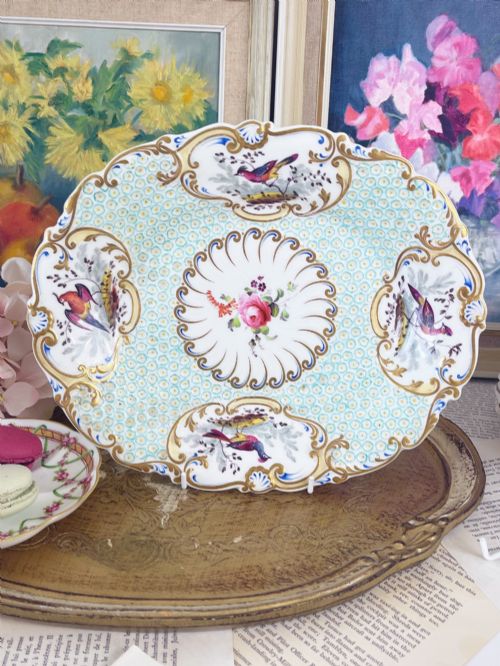
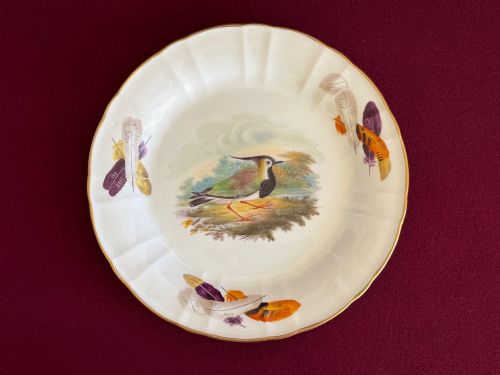
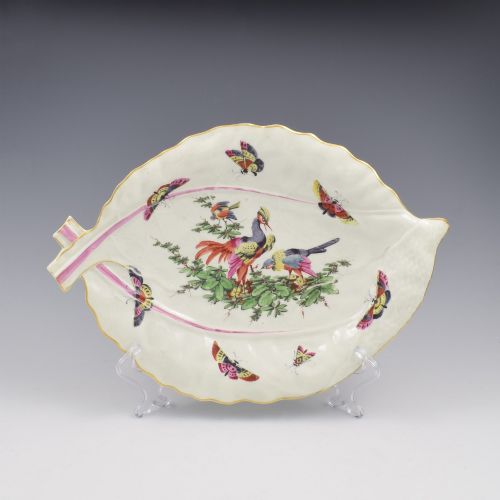
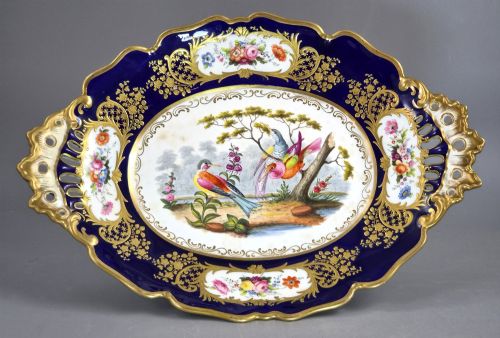
These gilded ceramic dishes bring hand-painted birds, floral motifs and metallic lustre into your home from across the eighteenth, nineteenth and early twentieth centuries.
Gilded Ceramic Dishes
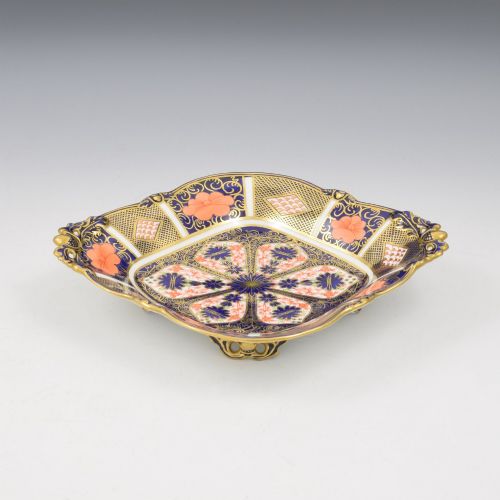
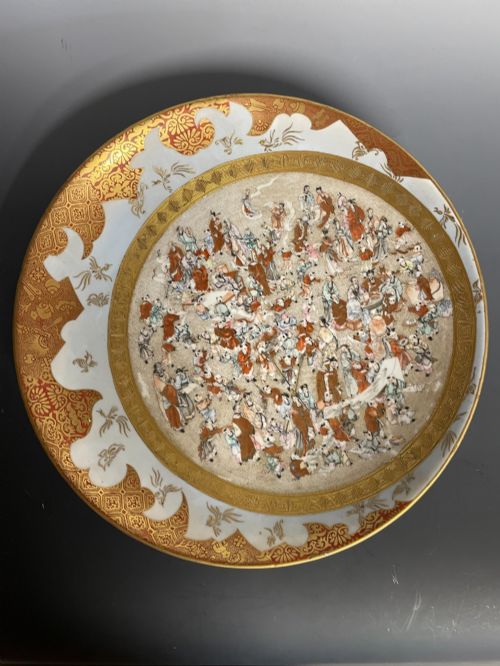
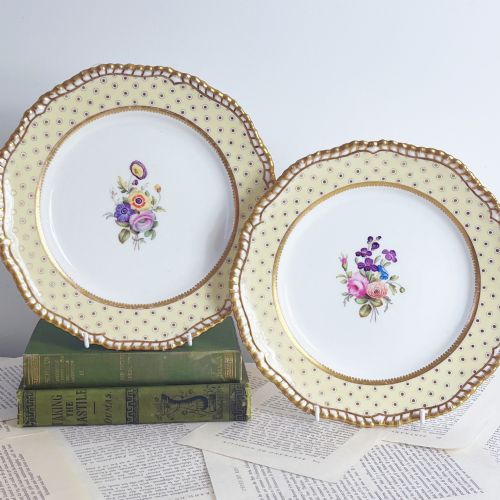
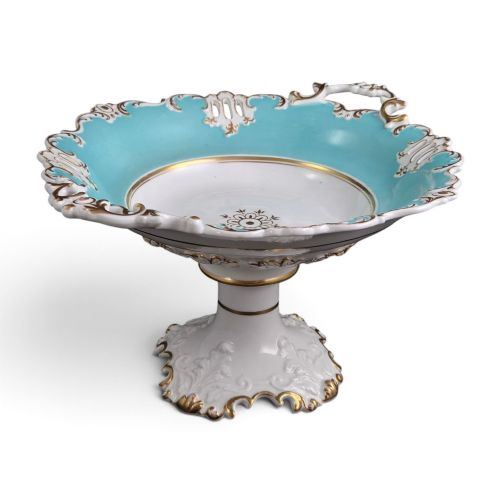
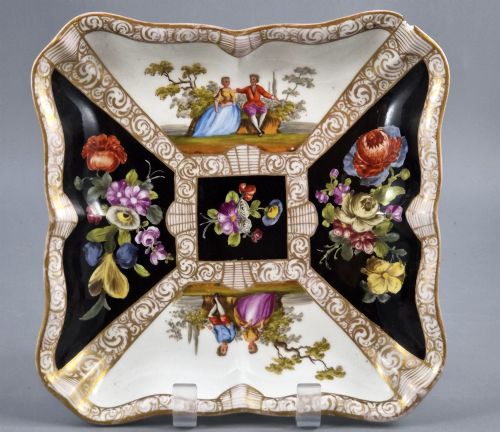
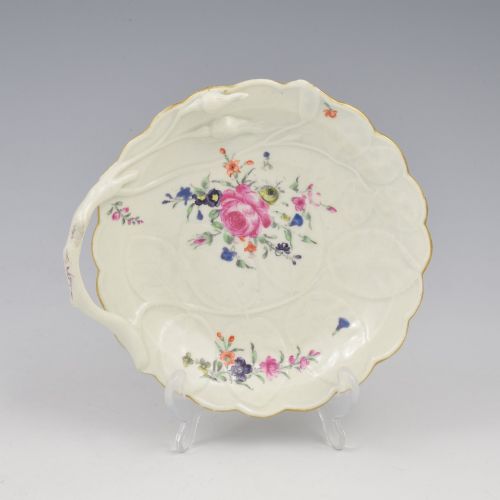
When you search for gilded ceramic dishes, you encounter an array of decorative plates, cabinet plates, tazzas, bowls and serving dishes spanning multiple decades and continents. The selection includes domestic English porcelain from factories like Worcester and Coalport alongside grand Japanese Imari chargers and Satsuma wares from the Meiji period.
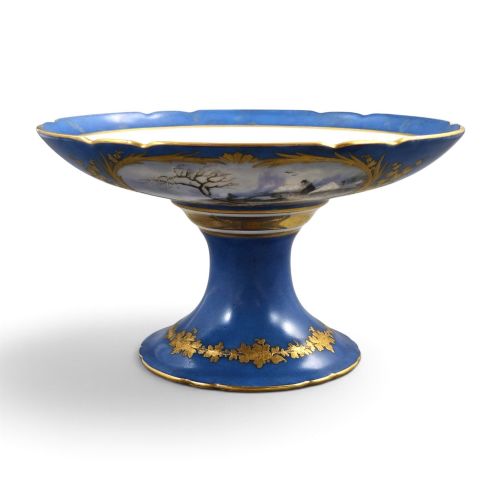
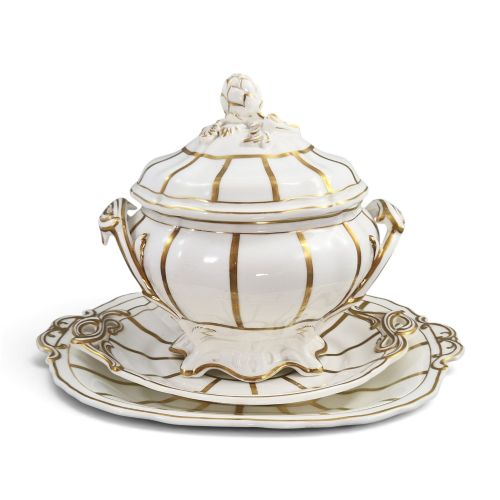
Most examples hail from the nineteenth century, ranging from Regency bone china to Victorian tazzas and Edwardian lustre bowls. Form follows function through leaf-shaped dessert dishes, scalloped edge plates, sauce tureen sets and circular cabinet pieces designed for display or formal dining.
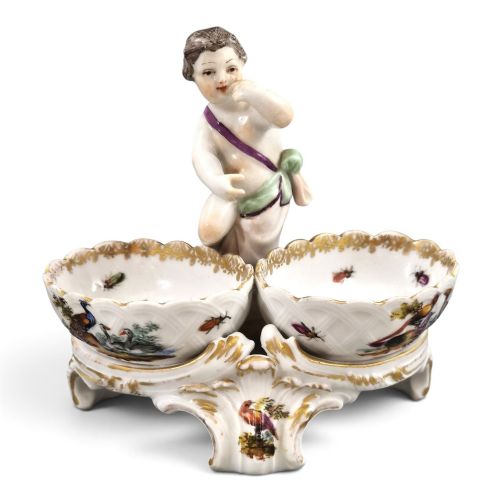
European makers draw on Rococo Revival styles and hand-painted ornithological scenes, while Asian counterparts contribute traditional blue, red and gold palettes with intricate moriage and figural details.
Materials and Technique
Makers construct these pieces using bone china, earthenware and porcelain, shaping them into specialised forms like lobed dessert dishes and square bowls before firing. The white ceramic body provides a stable foundation for intricate underglaze painting and enamel work.
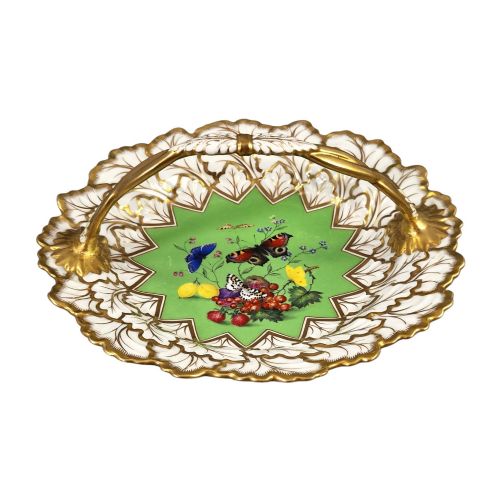
Gold leaf, gilt and gilding are applied by hand to rims, handles and focal motifs, often cured through additional kiln firings to bond the metallic sheen securely to the glaze. Artisans combine this bright gilding with hand-coloured botanical subjects, birds and landscape scenes.
Listings incorporate nineteenth-century porcelain, earthenware and bone china featuring gold leaf, enamel and hand-painted motifs.
Assessing Craftsmanship
The standard of painting on the ceramic surface dictates the hierarchy of these objects, separating routine factory output from the work of named painters executing detailed birds, fruit or Watteau scenes. Precision in the brushwork of botanical subjects or figural panels reveals the hand of a trained studio artist rather than a standard production line.
The application of gold leaf and gilding varies from thin, worn traces to thick, burnished metalwork that retains a deep mirror shine along the scalloped edges and borders. Finer examples maintain crisp definition in the moulded porcelain shapes beneath the glaze without blurring the underlying relief.
Spode·Coalport·Wedgwood·Flight, Barr & Barr·Davenport·KPM Berlin·Royal Worcester·Royal Crown Derby·Chamberlains Worcester·Hicks & Meigh·Minton·Edmé Samson & Cie·Royal Doulton·New Hall
The Gilded Ceramic Dishes Glossary
- Cabinet plate
- A decorative ceramic plate intended purely for display in a cabinet or on a wall rather than for dining use. These often feature elaborate hand-painted scenes and heavy gilding.
- Tazza
- A shallow ornamental cup or saucer elevated on a foot or pedestal, frequently utilised in nineteenth-century dessert services. They serve to create height on a formal dining table.
- Imari
- A style of Japanese porcelain decorated in underglaze blue and iron red, with supplementary gold highlights. Originating in the Edo period, this palette heavily influenced European makers.
- Bone china
- A type of soft-paste porcelain incorporating bone ash, which yields a strong, milky-white body capable of holding thin walls and sharp moulded details.
- Moriage
- A decorative Japanese ceramic technique featuring raised slip dots and lines that create a textured, three-dimensional surface beneath the glaze and gilding.
Gilded Ceramic Dishes: Frequently Asked Questions
How were these dishes used originally?
Many of these pieces functioned as part of large dessert services, holding fruit, sweetmeats or confectionery at the conclusion of a formal meal. Cabinet plates and tazzas were equally intended for decorative display in principal reception rooms.
Over time, utility shifted toward visual appreciation, particularly as factories produced specialised porcelain designed solely for cabinet display rather than dining table service.
How do I display them safely?
Wall mounting requires specialised plate hangers with rubber-coated grips that distribute tension evenly across the rim without abrading the gilding. Display cabinets offer protection from accidental knocks and dust accumulation.
Keep pieces away from direct sunlight to preserve the fugitive enamel colours painted over the white porcelain bodies.
How should I clean gilded ceramics?
Dusting with a soft, dry ostrich feather brush prevents particulate buildup without risking the fragile metallic surface. Avoid harsh chemical cleaners, abrasive sponges and soaking in water, which can lift delicate gold leaf.
If washing is necessary, use lukewarm water and mild soap, then dry immediately with a lint-free cloth.
How can I distinguish periods?
Early pieces from the eighteenth century often feature soft-paste bodies with hand-drawn botanical or ornithological subjects and thinner gold borders. Nineteenth-century examples introduce hard-paste porcelain, transfer-printing combined with hand gilding, and bolder revivalist styles.
Factory marks stamped or painted on the underside provide the most reliable chronological anchor, supplemented by stylistic cues like Japanese Meiji motifs or Victorian registration diamonds.