
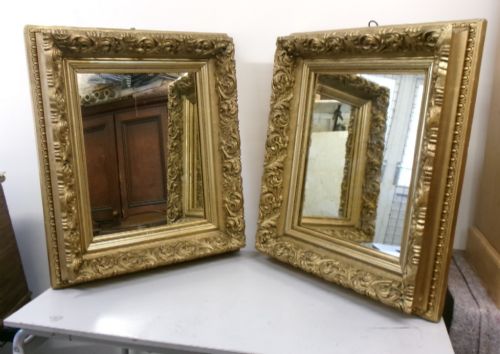


Gilded Carved Mirror
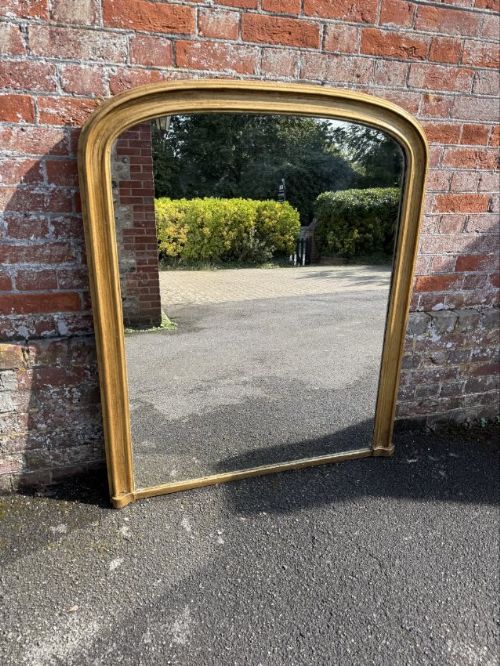
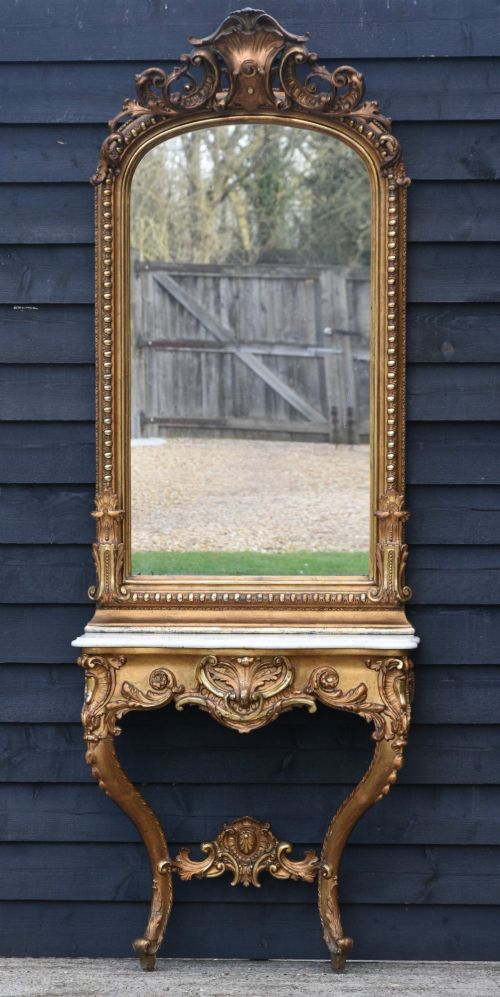
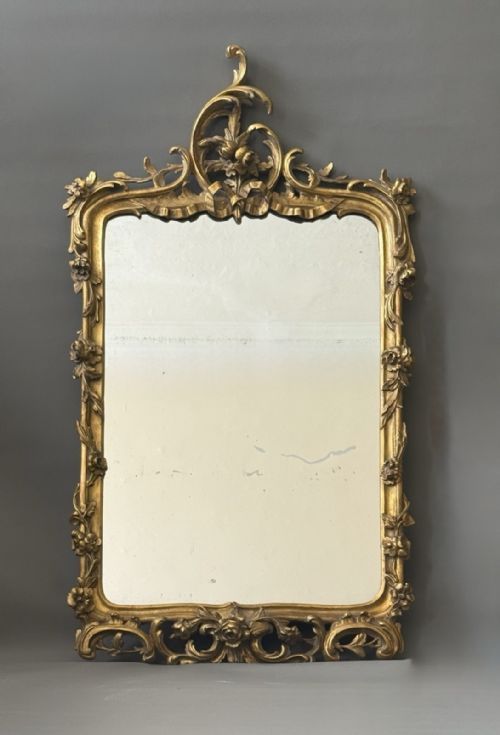
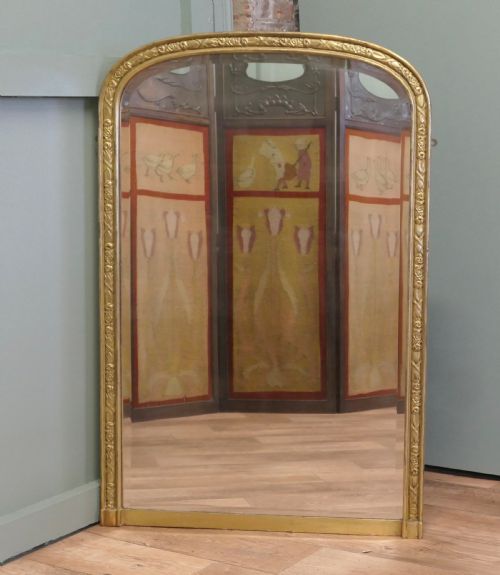
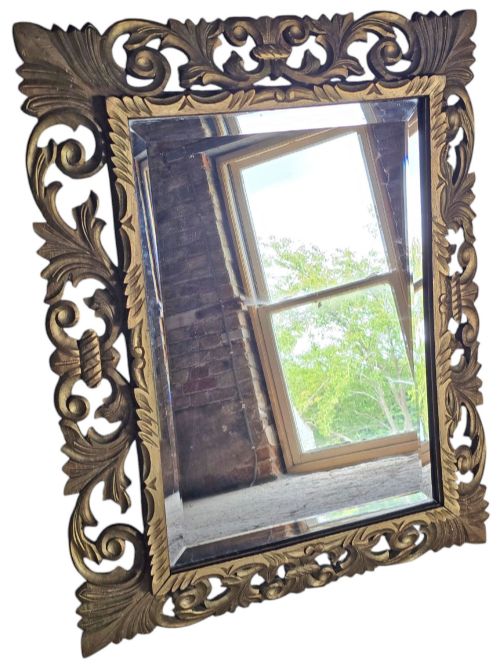
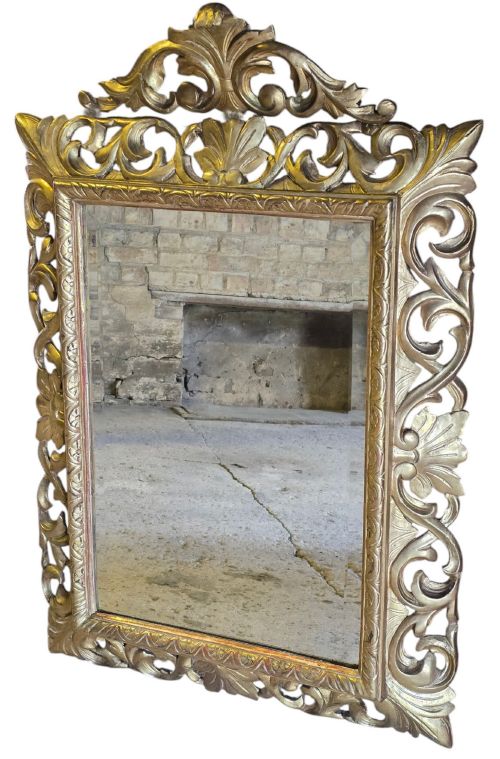
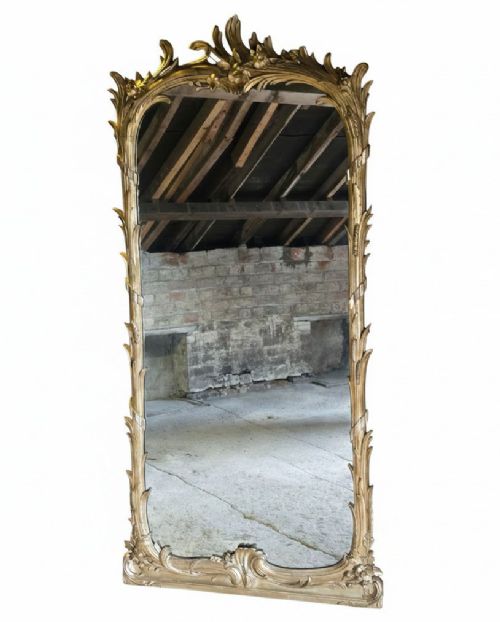
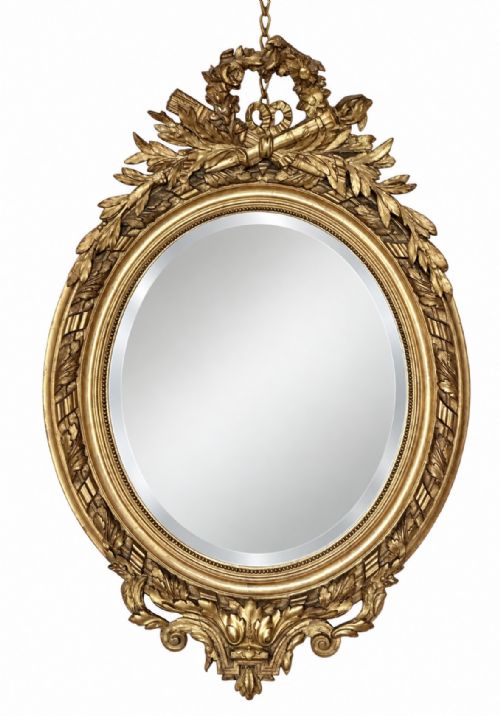
When choosing a gilded carved mirror, collectors select from nineteenth-century overmantels and eighteenth-century wall plates finished in gold leaf or gesso.
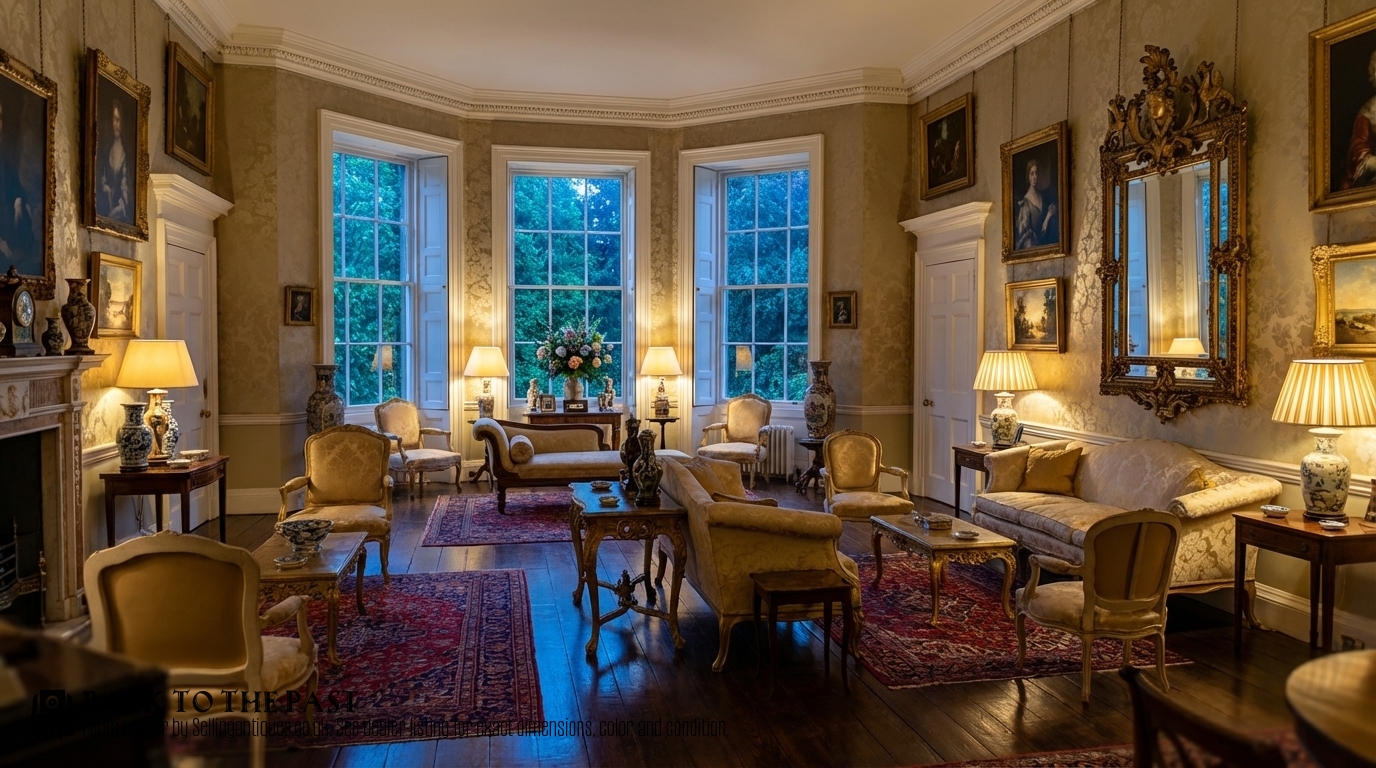
Gilded Carved Mirror
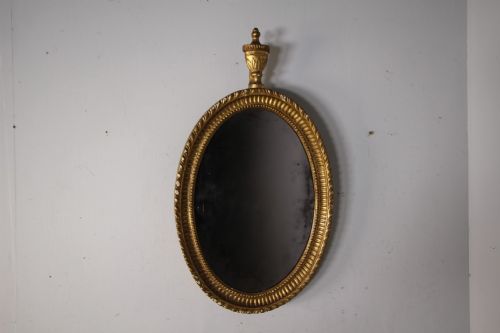
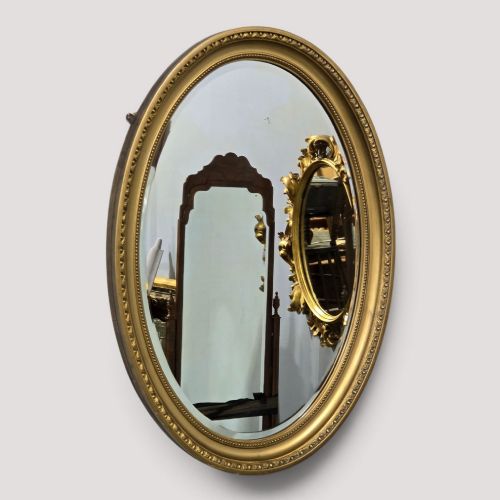
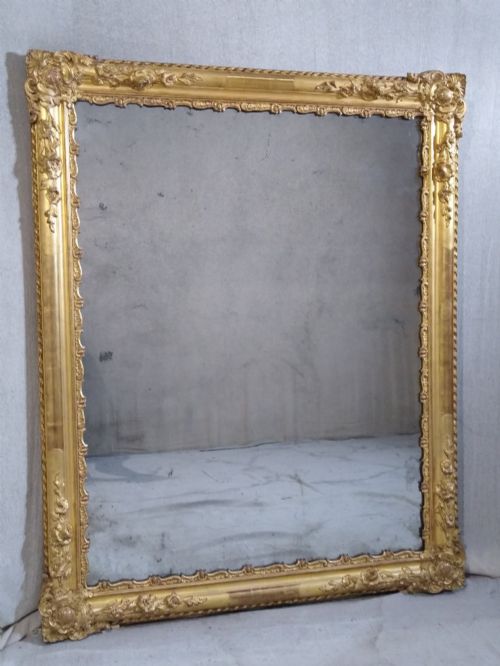
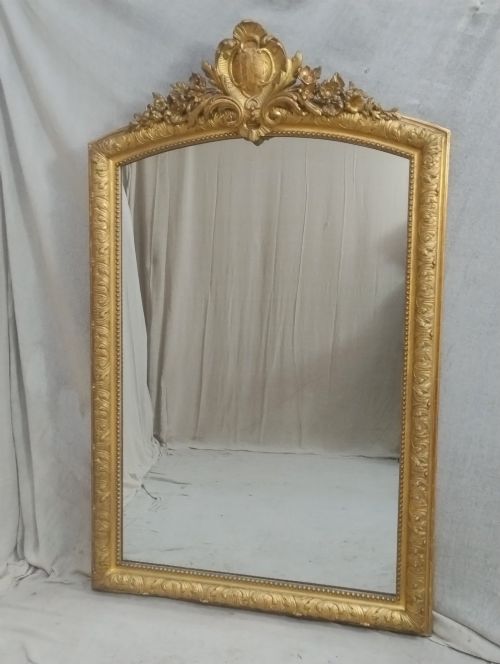
A gilded carved mirror brings reflective light and decorative presence to a room, functioning as both a practical looking glass and an architectural wall ornament. Buyers searching this phrase will find a dominant selection of nineteenth-century overmantel mirrors alongside French Louis Philippe pieces, Georgian fret frames, and Italian Florentine carvings.
The assortment spans English and French workshops, encompassing tall leaner mirrors for full-length reflection and smaller oval or convex formats designed for parlour walls. Overmantel variations display arched tops intended to sit precisely above a fireplace mantelpiece, while console table pairs combine matching pier glass with sturdy wooden bases.
Earlier eighteenth-century examples feature mahogany frames with parcel gilding or delicate fretwork, whereas Victorian and Edwardian iterations often utilise heavy gesso mouldings with acanthus leaf decoration. Regional differences emerge between ornate French rococo revival styles and restrained English Regency designs.
How They Were Made
Artisans carved the foundational structure from solid timber such as pine, walnut, or mahogany before applying successive layers of gesso to create crisp relief details. Gilding was achieved by laying down thin sheets of gold leaf over the prepared ground, then burnishing selected areas to produce contrasting matte and lustrous finishes.
Composition material, a pliable paste of resin, oil, and whiting, was frequently pressed into moulds to form repetitive floral or scroll motifs along the frame before gilding. Mirror plates were often hand-silvered or bevelled, though many surviving pieces retain antique glass displaying subtle foxing and age spots.
Gilded Carved Mirror Retail Price Guide 2026
Typical asking prices for gilded carved mirror among the pieces listed under this phrase on Sellingantiques today, from the lower quarter to the upper quarter. They describe what is for sale here now, not the wider market.
Several convex mirrors keep a watchful eye over the room beneath the wings of a carved wooden spread eagle.
What Varies in Quality
The depth and crispness of the hand-carved ornamentation separate standard decorative frames from exceptional works, particularly where undercut foliage and ribbon crests retain sharp definition beneath the gilding. Superior examples demonstrate careful layering of gold leaf over smooth gesso without the muddy buildup or heavy modern repainting seen in lesser pieces.
Originality of components dictates much of the stature, distinguishing mirrors that retain their antique glass plate and structural backboards from those with later replacements. Heavy, robust timber construction prevents warping in larger overmantel formats, ensuring the mitred joints remain tight and secure across the centuries.
The Gilded Carved Mirror Glossary
- Giltwood
- Timber that has been coated with gold leaf or gold paint for decorative effect. This finish catches candlelight and natural illumination within historic interiors.
- Gesso
- A plaster-like mixture applied to wooden frames as a smooth base for gilding. Artisans carved intricate relief patterns directly into this layer once dry.
- Overmantel
- A large mirror specifically proportioned to hang above a fireplace mantelpiece. These pieces frequently feature arched tops and substantial horizontal dimensions.
- Convex mirror
- A round looking glass with a curved spherical surface that reflects a wide-angle view of the room. They are often surmounted by carved eagles or ornamental crests.
- Girandole
- A decorative wall mirror fitted with attached candle sconces or arms. The reflective glass multiplies the flickering light of the candles.
Gilded Carved Mirror: Frequently Asked Questions
Where should an overmantel mirror be hung?
These large mirrors are traditionally positioned directly above a fireplace mantelpiece to anchor the surrounding room layout and reflect natural daylight.
Alternatively, sturdy floor-standing leaner versions can be placed against a plain wall to create an expansive sense of depth in living spaces.
How do I clean a gilded frame?
Dust accumulation should be gently removed using a very soft, dry artist's brush or feather duster without applying pressure to the delicate leaf surface.
Water and chemical cleaning solutions must be avoided entirely, as moisture strips historical gold leaf and damages the underlying gesso composition.
What is the difference between gesso and carved wood?
Carved wood involves shaping the actual timber foundation into floral motifs, scrolls, and architectural mouldings using sharp chisels and gouges.
Gesso provides a smooth surface layer over the wood, and moulded composition paste is often applied on top to speed up the creation of repetitive decorative details.
Are antique mirror plates original?
Older looking glasses frequently exhibit tiny dark specks, ripples, or minor silvering losses known as foxing, which indicate genuine age.
Unblemished glass in a nineteenth-century frame often points towards a modern replacement plate installed during twentieth-century restoration work.