


Gilded Bronze Candelabrum
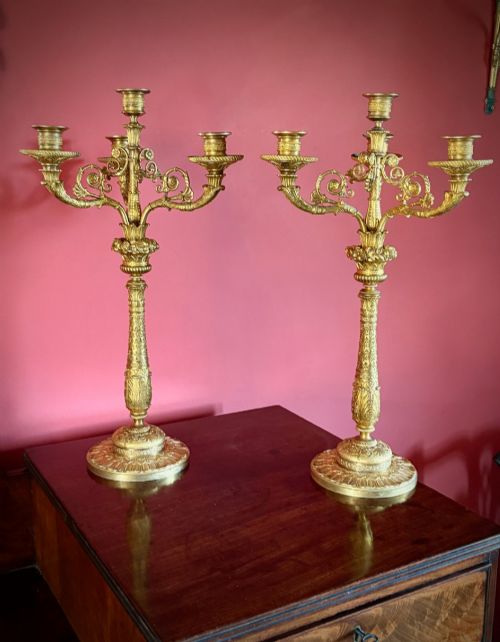
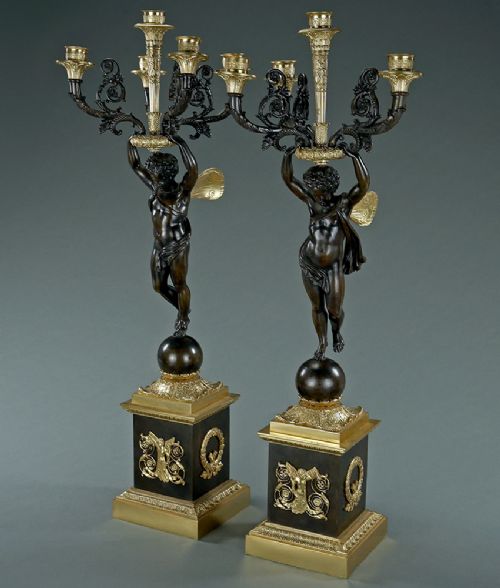
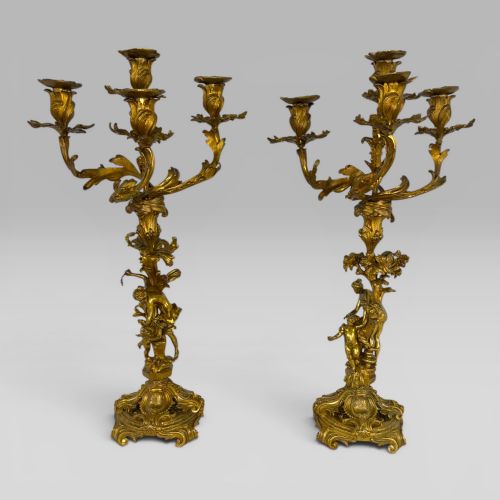
These heavy gilded bronze candelabrum pieces bring French Rococo and Empire grandeur straight into a room through elaborate cast metalwork.
Gilded Bronze Candelabrum
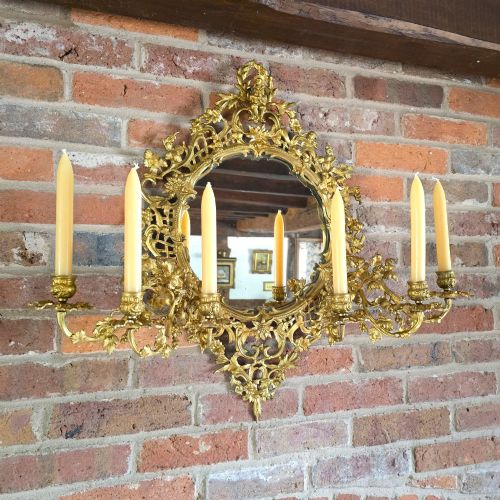
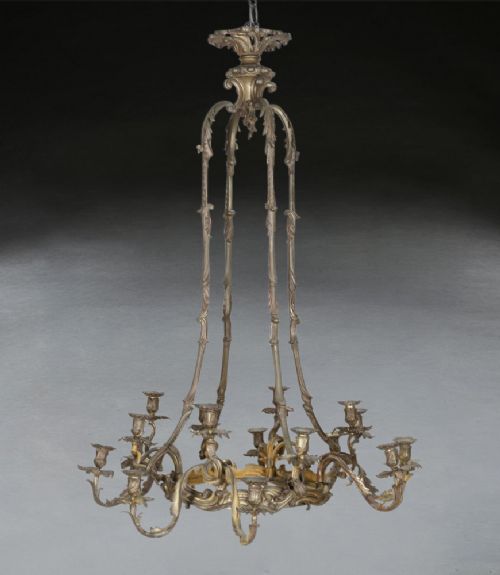
A gilded bronze candelabrum is a multi-branch lighting fixture designed for holding candles, shaped through the nineteenth century with heavy influences from French Rococo, Empire, and Neoclassical styles. The pieces found here range from table lamps and mantel clocks to large pairs of candelabras and wall lights.
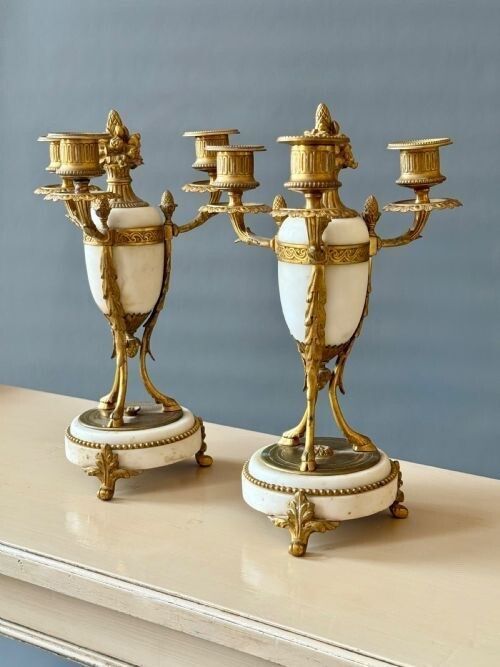
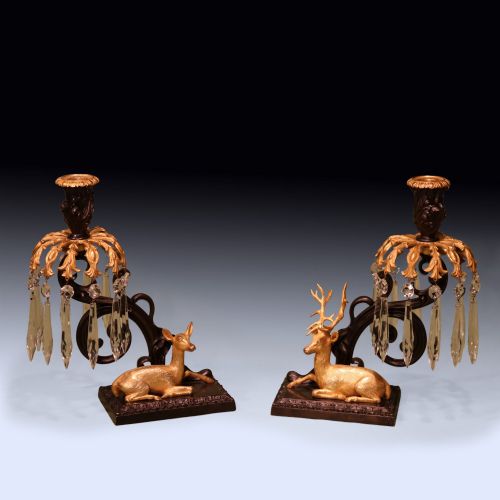
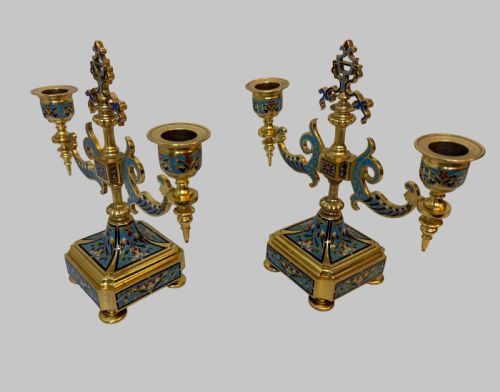
Most examples originate from nineteenth-century France, though items from Victorian England and Italy also appear. Makers frequently combined the gilded metal with white marble, crystal drops, or champlevé enamel to create decorative decorative centrepieces for formal rooms.
How they were made
Foundry workers cast the bronze into intricate shapes before applying a layer of gold via mercury gilding or electroplating, producing the characteristic ormolu finish. Artisans then integrated materials like polished white marble bases, coloured enamel sections, and hand-cut crystal drops.
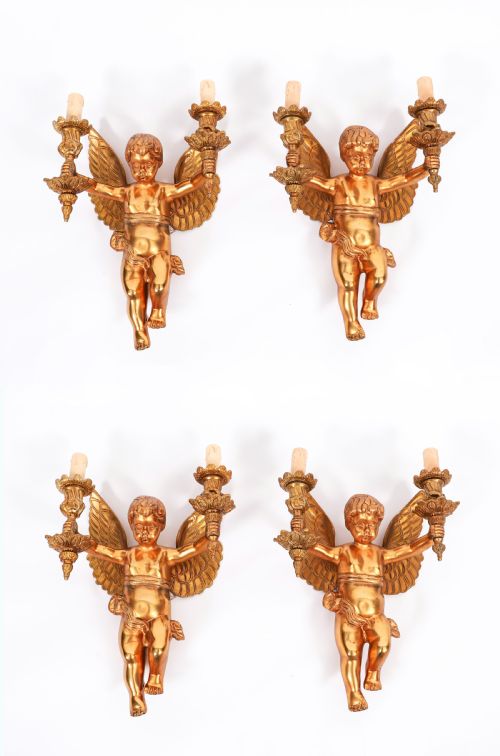
Moulds captured complex figural motifs, including cherubs, stags, and floral scrolls, which workers chased and finished by hand to sharpen the cast details.
Stags, cherubs, and musicians frequently hide among the candle branches, keeping watch over the mantelpiece.
What varies in quality
The crispness of the chasing separates standard castings from exceptional ones, as finer pieces retain sharp facial expressions on figures and deep definition in leaf scrolls. Heavier bronze weight and the depth of the original gilding also indicate superior workshops.
The choice of secondary materials marks distinct tiers of craftsmanship, with solid white marble bases and genuine champlevé enamel work signaling higher ambition than simpler brass or single-material castings.
The Gilded Bronze Candelabrum Glossary
- Ormolu
- Finely ground gold applied to a bronze base using mercury amalgamation or later galvanic techniques. This surface treatment creates a rich golden glow characteristic of French decorative arts.
- Champlevé
- An enamelling technique where troughs are dug into the metal surface and filled with vitreous paste before firing. This method adds colourful geometric or floral patterns to the metal body.
- Garniture
- A matching set of decorative objects, typically comprising a central clock flanked by a pair of candelabras or vases. These sets were designed to sit symmetrically on a mantelpiece.
- Candelabrum
- A branched candlestick designed to hold multiple candles simultaneously. They range in size from small table ornaments to monumental floor-standing fixtures.
- Patinated bronze
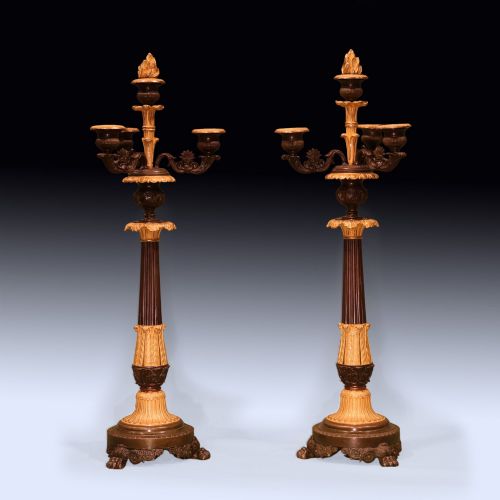
- Bronze treated with chemical solutions to produce a dark brown or green surface finish. This darker tone often contrasts with bright ormolu mountings on nineteenth-century pieces.
Gilded Bronze Candelabrum: Frequently Asked Questions
How do I clean a gilded bronze candelabrum?
Dust the metal gently with a soft, dry microfibre cloth to remove surface particles without scratching the gold surface. Avoid using chemical metal polishes, abrasive pads, or water, as harsh liquids strip the historic gilt layer.
Take particular care around marble bases and crystal drops, wiping them separately with a damp cloth if necessary. Keeping these objects away from direct heat sources prevents the original adhesives from drying out.
Were these candelabra wired for electricity?
Most nineteenth-century pieces were originally manufactured to hold wax candles rather than electric bulbs. Many surviving examples have since been adapted to function as table lamps or wired wall lights.
When buying, check whether the original candle nozzles remain intact or if modifications were made during conversion. Professional rewiring ensures the antique components are protected during daily use.
What is the difference between ormolu and brass?
Ormolu consists of a bronze core covered in a thin layer of gold, providing a warm, deep metallic lustre. Brass is an alloy of copper and zinc throughout its entire mass, producing a brighter yellow tone.
Nineteenth-century makers reserved ormolu for high-end decorative objects, while utility items used simpler brass alloys. A magnet will not stick to either material, but the weight and surface grain reveal the difference.
How can I tell a French Empire piece from Rococo?
French Empire pieces rely on strict symmetry, classical military motifs, and clean architectural lines inspired by ancient Rome. Rococo designs feature asymmetrical C-scrolls, naturalistic foliage, and whimsical figures like cherubs.
Examining the casting style and secondary ornamentation usually clarifies which revival period influenced the maker.