



German Silver Plate
German silver plate designates the substantial metalware and decorative vessels produced across Central Europe, offering sturdy forms with gleaming metallic finishes that elevate domestic tables.
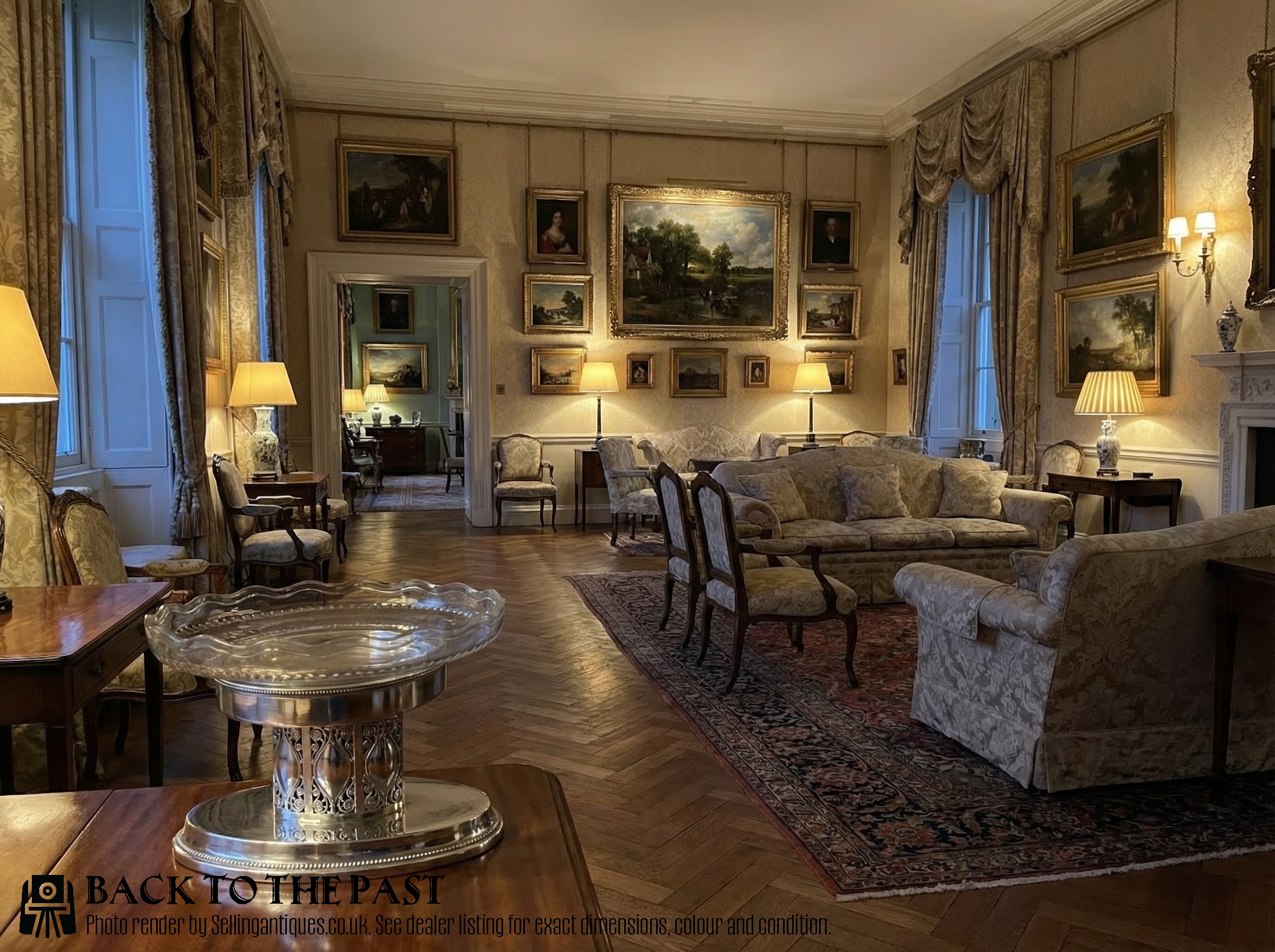
German Silver Plate
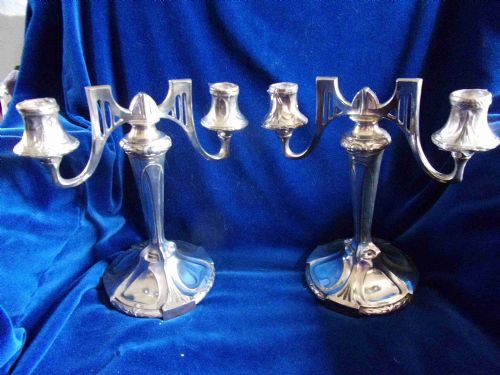
German silver plate encompasses a diverse array of domestic and decorative items, most notably centrepieces, candlesticks, and cocktail shakers produced across various periods.
Buyers encountering german silver plate on this page will frequently meet pieces bearing the distinctive marks of the Württembergische Metallwarenfabrik alongside items from makers such as Carl Deffner.
The selection ranges from elaborate 19th century and Victorian serving items to streamlined Art Deco vessels and later mid-century cocktail equipment.
Manufacturing methods and materials
Production relied heavily upon base metals, pewter, and electroplated nickel silver as structural foundations, which were then finished with a layer of silver plating.
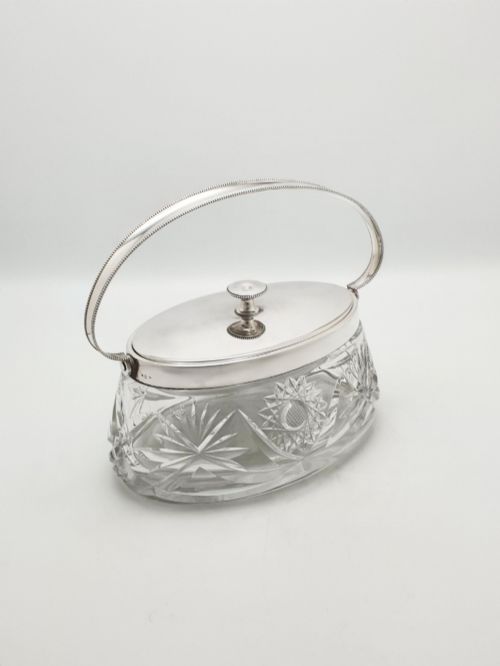
Many ornamental vessels incorporate contrasting materials such as cut glass liners and coloured glass inserts, integrated directly into the metal framework.
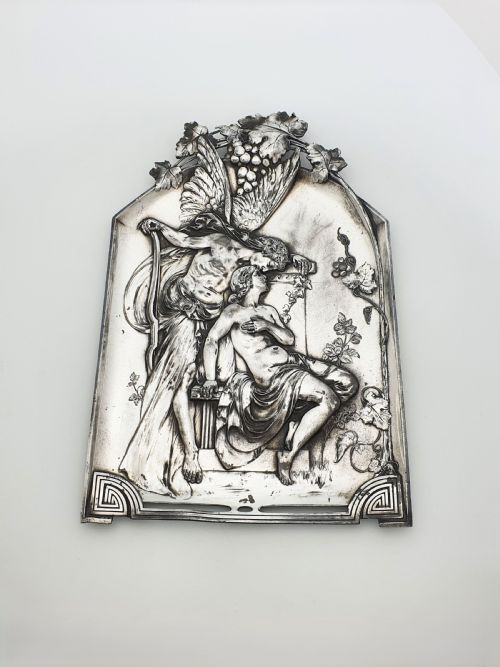
Artisans employed casting and hammering techniques to shape intricate figural components, particularly maidens, cavaliers, and natural motifs characteristic of the Jugendstil movement.
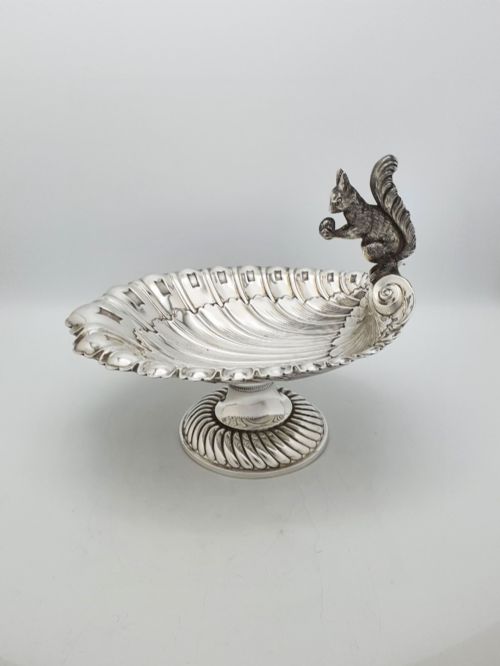
Squirrels and cavaliers frequently guard your biscuits and candles in this eclectic archive of continental metalwork.
Distinctions in quality
Quality rests upon the crispness of execution in figural castings and the depth of relief found on plaques, trays, and candelabra.
The preservation of the original silver plating and the integrity of accompanying glass components heavily influence the overall standard of a piece.
Design complexity and the presence of distinct styling from movements like Art Nouveau or Art Deco separate standard utility items from ambitious workshop productions.
WMF·Carl Deffner·Lutz and Weiss·Wilhelm Wolff Pforzheim·Kienzle
The German Silver Plate Glossary
- Jugendstil
- The German manifestation of Art Nouveau, characterised by flowing organic lines and stylised natural forms. This aesthetic dominates much of the continental metalwork from the turn of the twentieth century.
- Electroplated nickel silver
- A copper, nickel, and zinc alloy coated with a thin layer of pure silver through an electrolytic process. It served as a durable base for many high-quality household objects.
- Britannia metal
- A specific type of pewter alloy composed largely of tin, antimony, and copper. It provided a bright, silvery surface suited to shaping intricate hollowware and decorative tableware.
- Tazza
- An ornamental shallow cup or chalice raised upon a stem and foot. These items frequently functioned as centrepieces or fruit dishes on formal dining tables.
- Spirit ewer
- A specialised pouring vessel designed for serving liqueurs or cordials from decanters. They often appear alongside matched trays and glasses within continental entertaining sets.
German Silver Plate: Frequently Asked Questions
What is german silver plate?
German silver plate refers to domestic and decorative metalware produced in Central Europe, utilising base metals or nickel silver coated with a layer of silver.
These items range from functional tableware like cocktail shakers and biscuit boxes to decorative centrepieces and candelabra.
How do I identify Jugendstil pieces?
Jugendstil items display flowing organic lines, whiplash curves, and stylised depictions of maidens, animals, or floral motifs.
This aesthetic flourished around nineteen hundred, particularly within works produced by continental metalware manufacturers.
Were glass inserts original?
Many serving dishes, biscuit barrels, and tazzas were manufactured specifically to house blown or cut glass liners.
These removable glass components were integral to the original design, holding contents safely away from the metal plating.
How should I care for plated items?
Maintenance requires gentle cleaning with non-abrasive cloths and mild solutions formulated specifically for silver-plated surfaces.
Avoiding harsh chemical dips preserves the underlying plating and maintains the soft historic lustre of the metal.