



German Porcelain Bird
These german porcelain bird pieces bring the natural world indoors with sculptural grace and hand-painted colour.
German Porcelain Bird
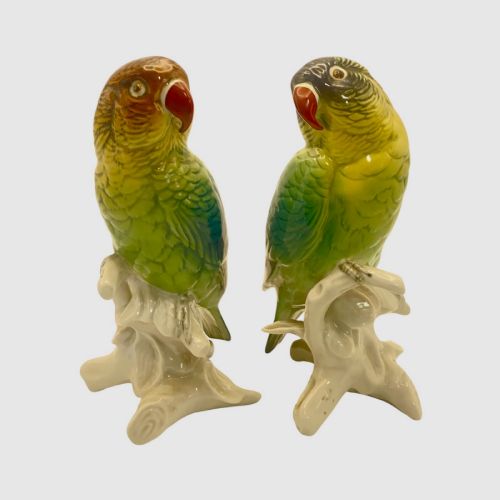
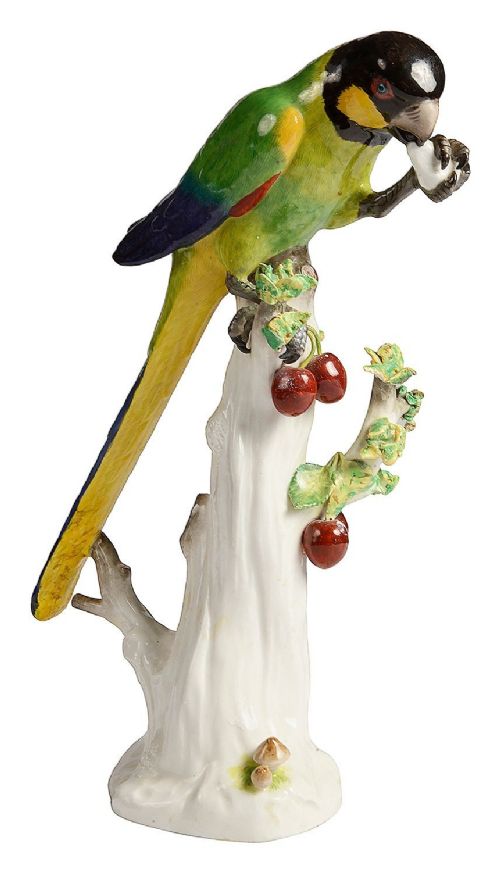
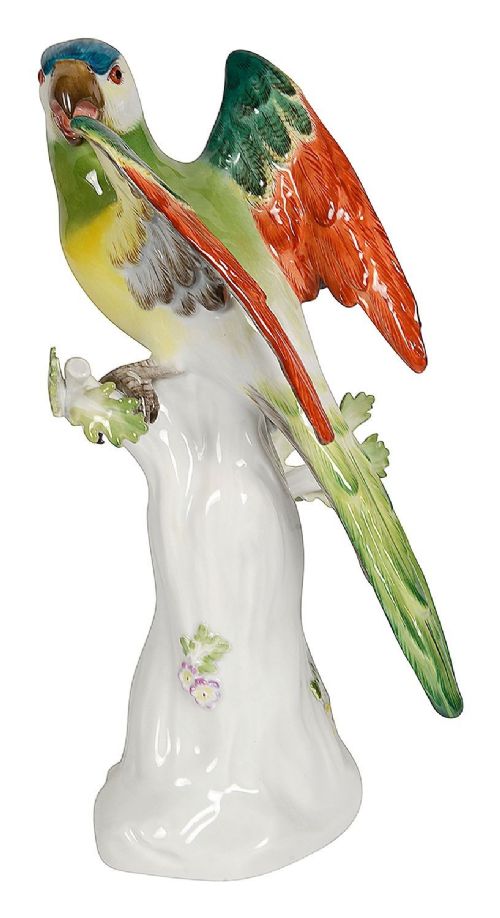
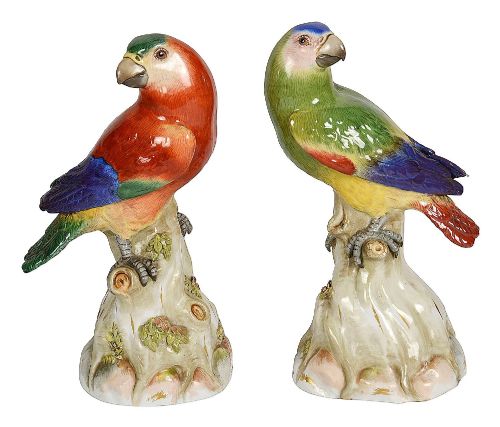
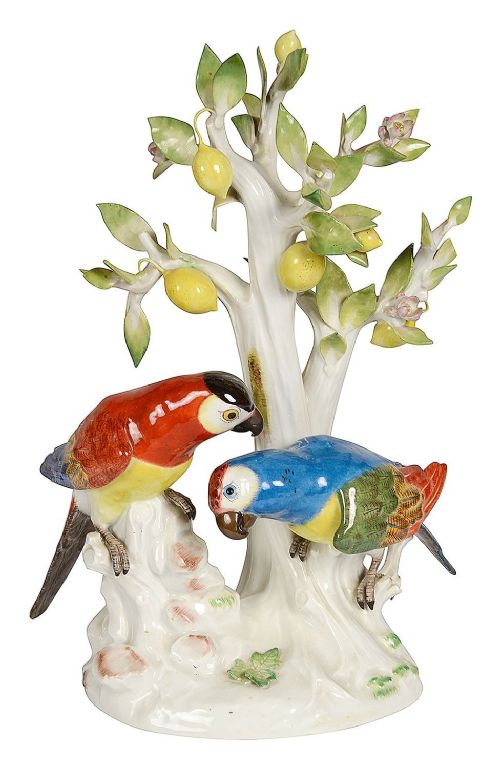
A german porcelain bird sculpture captures avian forms through glazed and hard-paste porcelain figuration. The selection here leans heavily towards nineteenth-century Meissen parrots, cockatoos, hoopoes, and other ornithological subjects modelled as figures or painted on plates.
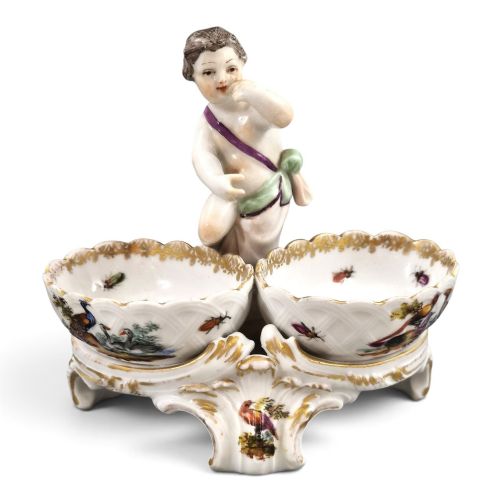
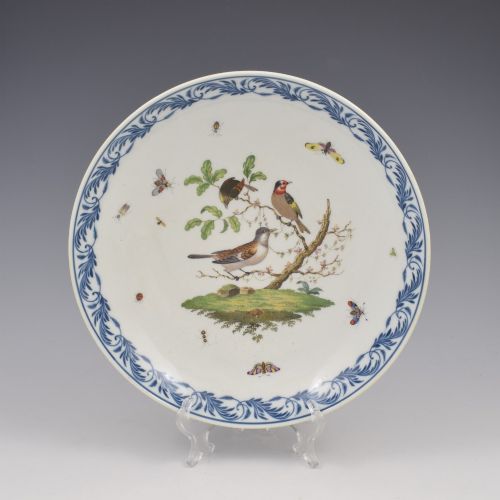
Beyond standalone figurines, the category encompasses decorative bowls, platters, lidded potpourri vessels, salt cellars, and dessert dishes. These functional forms frequently feature hand-painted exotic birds and insects framed by Rococo Revival styling.
The objects stem predominantly from the nineteenth century, ranging across decades from the eighteen-fifties through to nineteen-thirty. Prominent manufactories such as Meissen, KPM Berlin, Dresden, Volkstedt, and Karl Ens dominate the physical evidence.
Materials and Manufacture
Makers utilised hard-paste porcelain shaped into complex three-dimensional forms and flat tableware canvases. Glazed porcelain surfaces provided a dense, vitrified base capable of holding intricate detail.
Decorators applied overglaze enamel colours by hand to render the plumage of parrots, hoopoes, and assorted birds. Artisans further enhanced select pieces using gold leaf accents and reticulated openwork cutting.
German Porcelain Bird Retail Price Guide 2026
Typical asking prices for german porcelain bird among the pieces listed under this phrase on Sellingantiques today, from the lower quarter to the upper quarter. They describe what is for sale here now, not the wider market.
Parrots perch solemnly on tree trunks across multiple centuries, quietly judging your interior decorating choices from the sideboard.
Assessing Quality
Quality rests upon the precision of the modelling and the artistic execution of the hand-painted enamels. Skilfully painted feather detailing and vibrant multi-coloured palettes elevate the visual impact of individual figures and plates.
The sophistication of the underlying form, whether a perched parrot on a tree trunk or a reticulated dessert dish, dictates the piece's standing. Factory attribution, such as factory marks associated with Meissen or KPM Berlin, anchors the origin.
Karl Ens·Meissen·KPM Berlin·Volkstedt Triebner Ens and Eckert
The German Porcelain Bird Glossary
- Hard-paste porcelain
- A durable ceramic material fired at high temperatures using kaolin and petuntse. It creates a hard, translucent white body ideal for detailed sculptural figures.
- Overglaze enamel
- Pigments applied on top of a fired porcelain glaze and fixed with a subsequent lower-temperature firing. This technique permits a wide spectrum of bright surface colours.
- Reticulated
- A decorative openwork pattern pierced through the porcelain body. It appears on borders of plates and bowls to create an intricate lattice effect.
- Potpourri
- A lidded vessel designed with pierced openings to diffuse fragrance from dried plant materials placed inside. These containers often feature painted avian motifs.
- Salt cellar
- A small open vessel used at the table for holding salt. Elaborate examples incorporate figural bird sculptures and hand-painted ornithological scenes.
German Porcelain Bird: Frequently Asked Questions
How do I identify a Meissen bird?
Meissen pieces typically display blue crossed swords marks underneath the glaze. The modelling shows precise feather definition and naturalistic postures.
Subjects range from multi-coloured parrots to hoopoes and exotic birds painted on nineteenth-century plates.
Are these figures solid porcelain?
Larger bird sculptures are cast as hollow forms to ensure even firing in the kiln. Smaller components like tails or beaks may be hand-modelled and luted to the main body.
Hard-paste porcelain gives these hollow forms considerable structural rigidity.
What is the difference between hard-paste and soft-paste?
Hard-paste porcelain utilises natural kaolin clay and fires at extremely high temperatures. This produces a vitrified, scratch-resistant body common in nineteenth-century German works.
Soft-paste relies on glass frit mixtures and lower kiln temperatures.
How should I clean porcelain bird figures?
Dust surfaces gently using a soft, dry brush to protect delicate hand-painted enamel details. Avoid harsh chemical cleaners that can degrade overglaze decoration or gold leaf.
Immersing antique pieces in water is generally unnecessary and risky.