
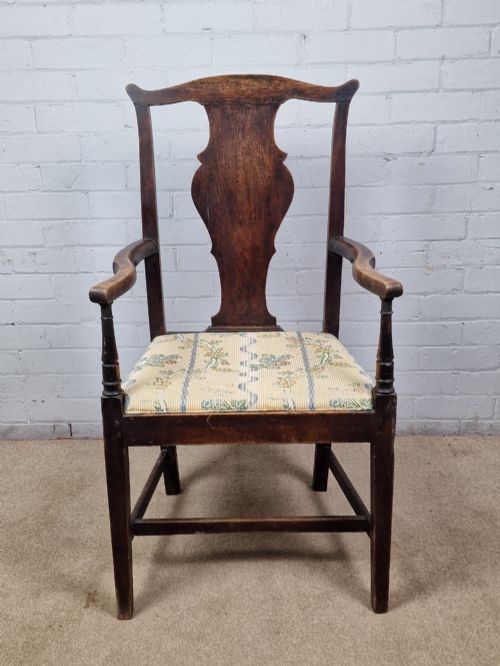
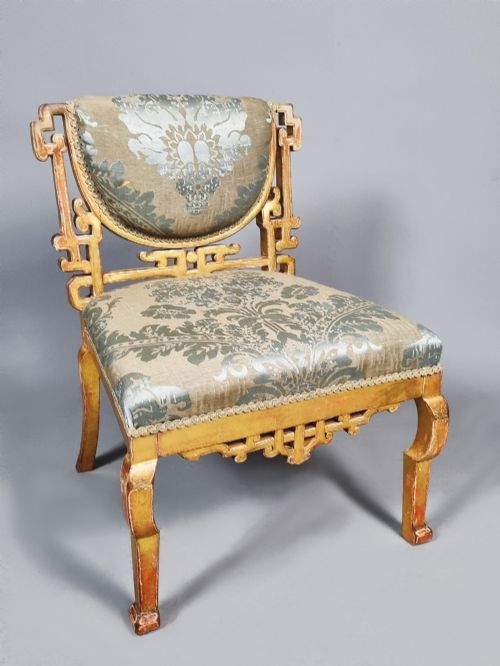
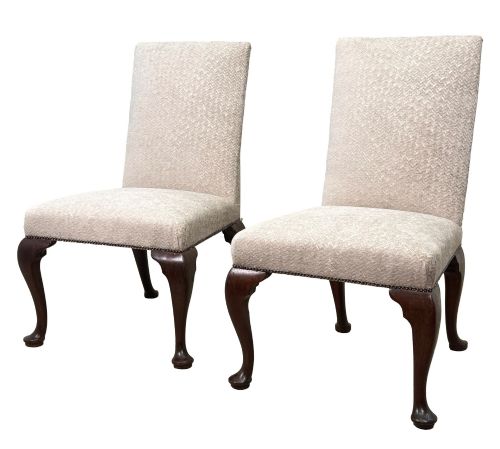
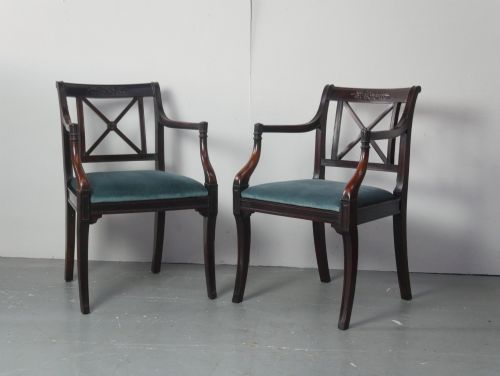


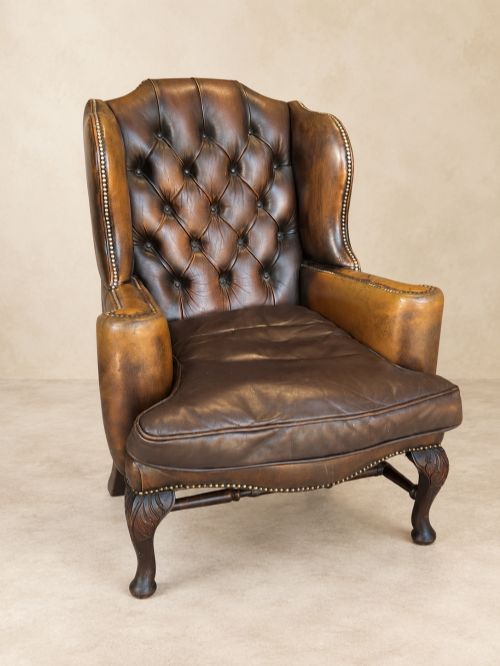

Georgian X Back Chair
A georgian x back chair brings architectural symmetry and refined timberwork to a dining table.
Georgian X Back Chair
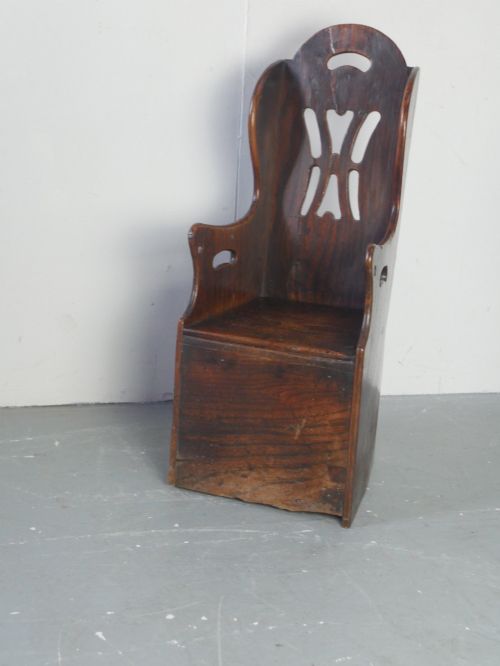
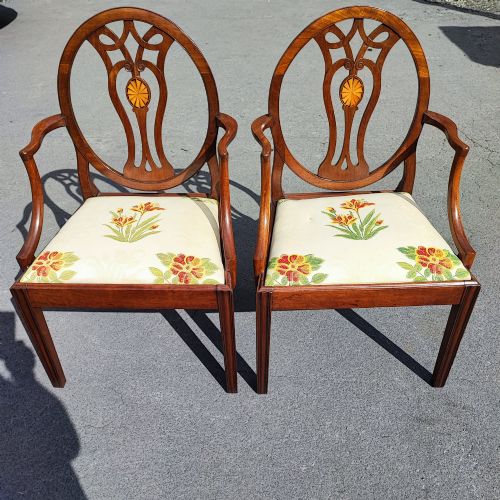
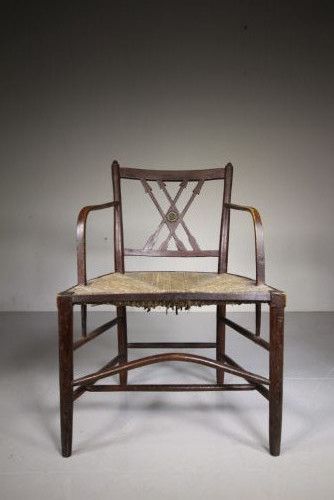
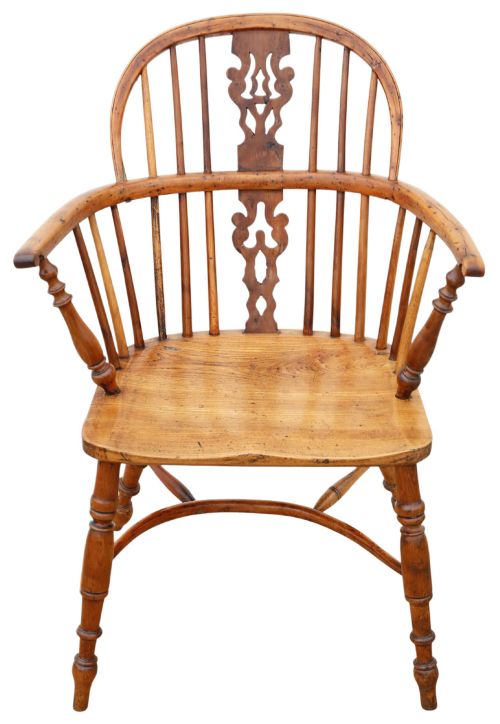
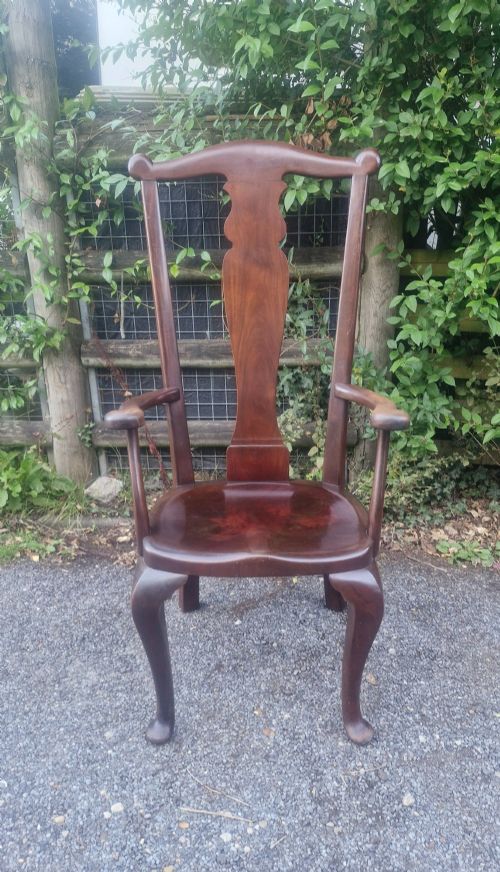
A georgian x back chair centres on a distinctive splat shaped like the letter X, offering robust structural support alongside graceful design. These seating pieces appear frequently in mahogany and oak, reflecting the prevailing tastes of the period.
Most examples found on this page date from the Georgian era or the subsequent revival periods of the nineteenth and early twentieth centuries. They function primarily as dining seats, combining formal townhouse elegance with provincial craftsmanship.
How they were made
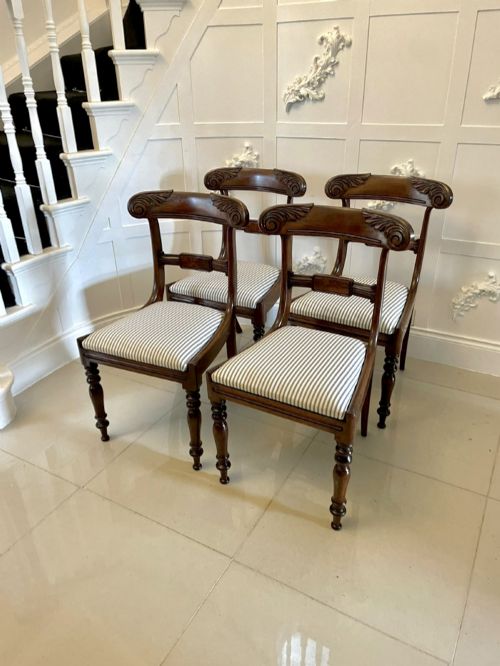
Cabinet makers utilised dense hardwoods like mahogany for formal urban pieces, while regional workshops turned to elm, ash, and oak for provincial seating. Timber selection dictated whether a frame received sharp carved detail or simpler turned components.
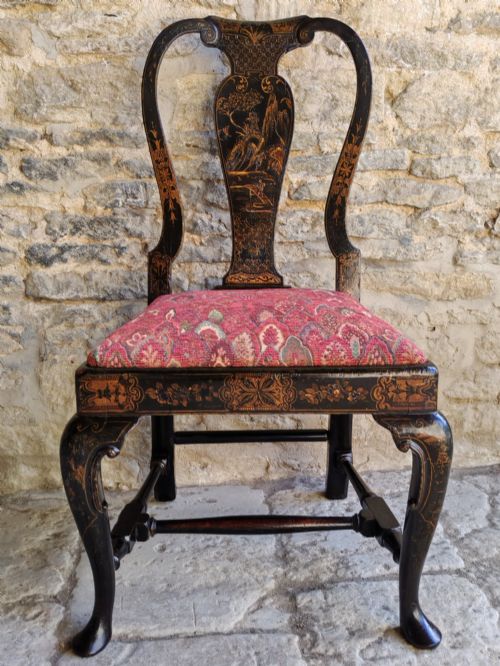
Joinery relied on mortise and tenon joints to secure the intersecting splats and load-bearing legs. Surface finishes ranged from clear wax polish to historic painted coatings that protected the native wood beneath.
Several country chairs retain their original farmhouse paint, proving that our ancestors loved a splash of colour just as much as we do.
What varies in quality
The refinement of the carving on the central X-brace separates standard production from superior craftsmanship. Crisp, deep relief work indicates a maker who spent hours shaping the timber rather than relying on quick moulding.
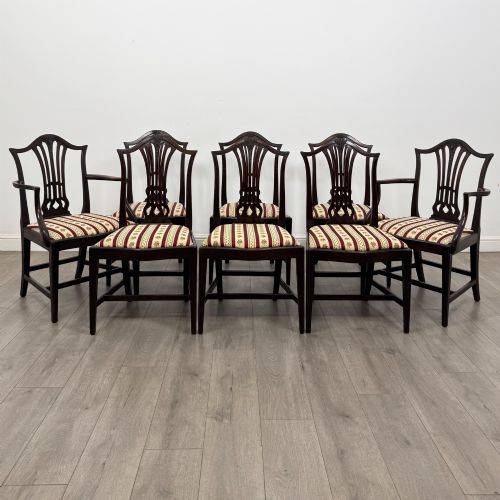
Structural integrity depends on the tightness of the original joints and the retention of matching timbers across a set. Matching sets with uniform grain patterns and minimal replacement parts command greater appreciation from collectors.
The Georgian X Back Chair Glossary
- Splat
- The vertical central strip of wood down the middle of a chair back. It often takes the distinctive X shape in these designs.
- Carver
- An armchair, usually designed with armrests to match a set of smaller dining side chairs. These often sat at the head of a dining table.
- Vernacular
- Describing furniture made by local country craftsmen using regional materials rather than following metropolitan fashion. Ash and elm feature heavily in these provincial pieces.
- Patina
- The surface sheen and mellowing that develop on old wood over decades of handling and polishing. It serves as a visual indicator of age.
Georgian X Back Chair: Frequently Asked Questions
Are these chairs comfortable for daily dining?
Most antique wooden seats offer an upright posture suited for formal meals rather than deep lounging. Adding loose squabs or cushions can improve comfort during extended sittings.
Their sturdy timber construction provides reliable daily support when maintained with proper care.
How do I spot a revival piece?
Revival pieces from the late nineteenth or early twentieth centuries often display machine-tooled joints and different secondary timbers beneath the frame. The finish may also appear more uniform than the chemical ageing seen on eighteenth-century surfaces.
Examining the underside of the seat blocks helps reveal the true age of the construction methods used.
Can I mix these with modern tables?
Their classic timber tones and clean architectural lines allow them to pair effectively with contemporary wooden or glass dining tables. The neutral grain of mahogany or oak complements minimalist interiors without clashing.
Grouping them alongside simpler designs creates a deliberate contrast in a modern dining room.
How should I care for the wood?
Applying a traditional beeswax polish occasionally helps nourish the dry timber and maintains the natural surface sheen. Avoid placing the furniture near direct heat sources or strong sunlight to prevent splitting.
Gentle dusting with a soft cloth keeps the carved details clear of debris without damaging the polish.