


Dark Brown Carver Chair
A dark brown carver chair brings rich timber tones and supportive armrests to a room, drawing on centuries of vernacular and formal seating design.
Dark Brown Carver Chair
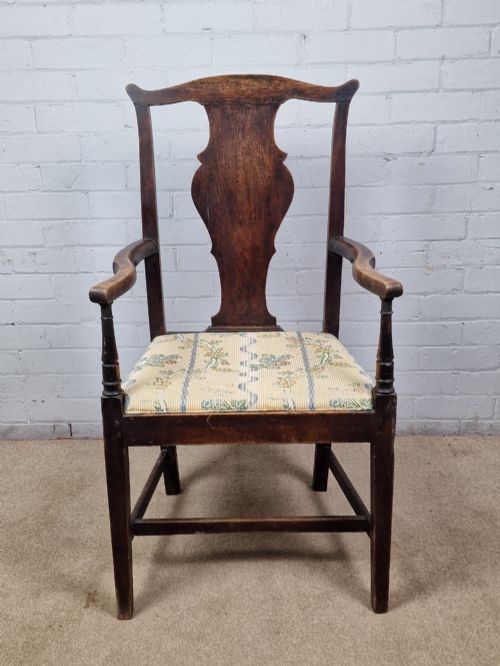
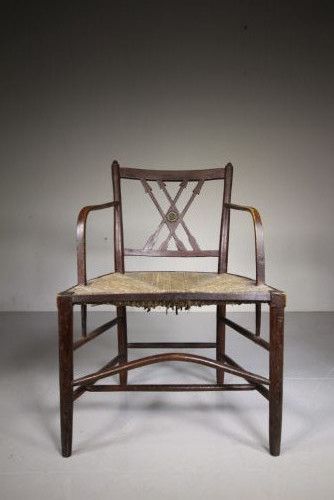
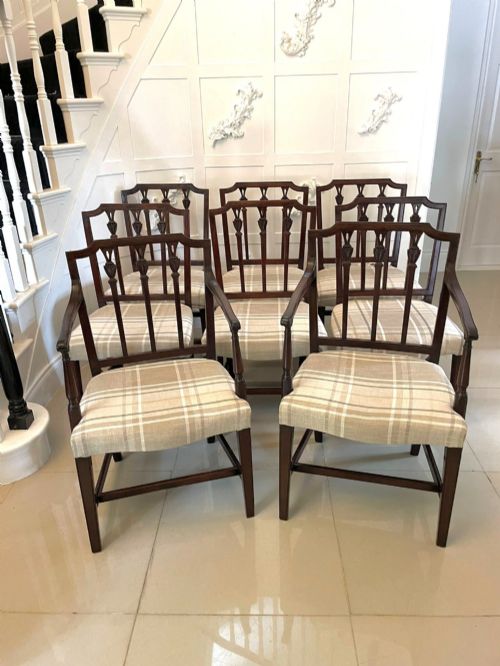
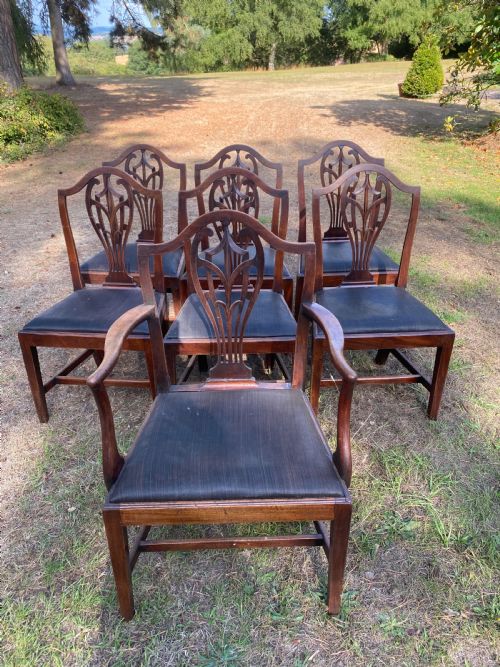
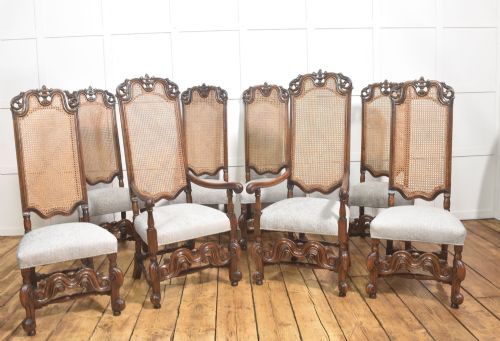
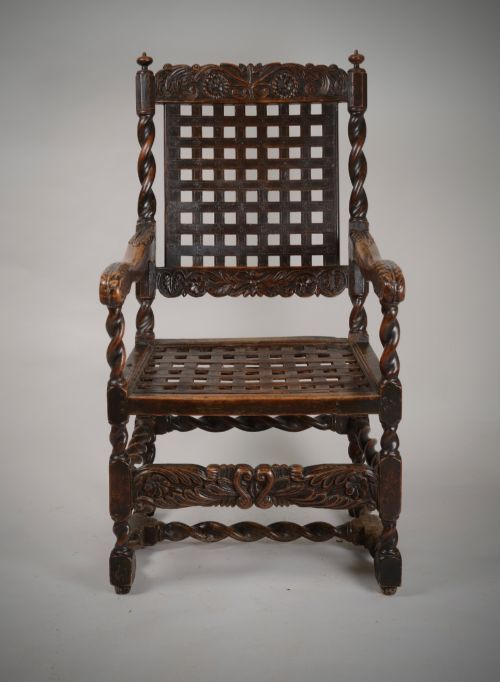
A dark brown carver chair spans formal dining sets and rustic farmhouse seating, appearing across periods from the eighteenth century through to the early twentieth century. These armchairs function as individual desk seats or as the commanding end chairs accompanying a set of matching dining chairs.
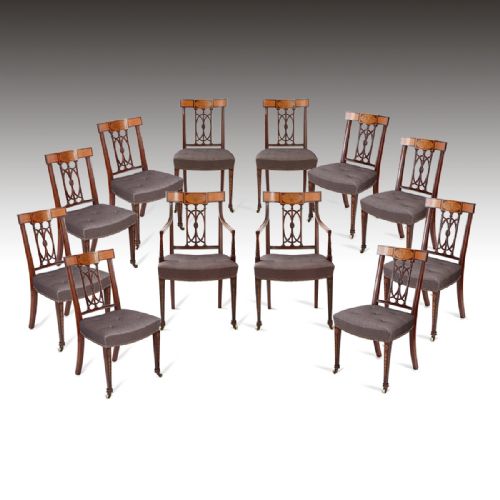
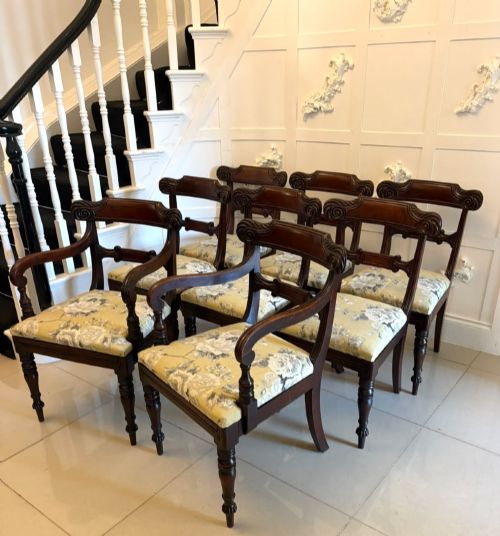
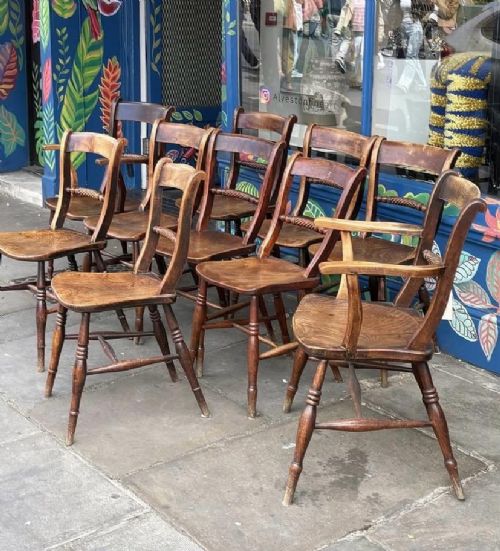
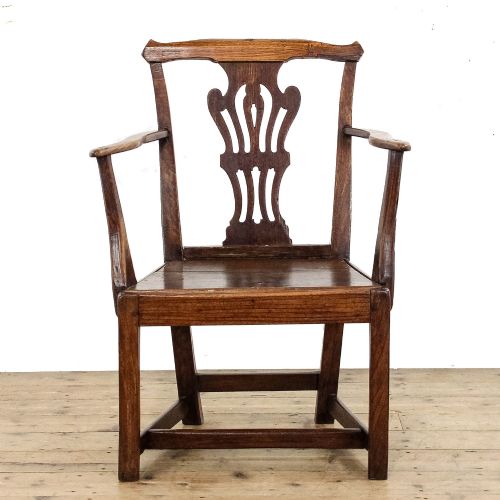
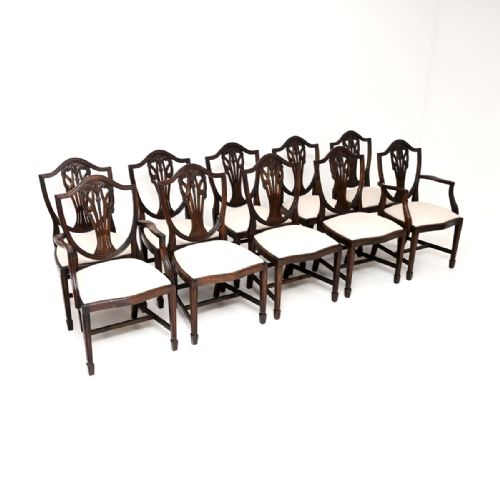
The timber selection defines the dark brown palette, running from deep red-brown mahogany and warm walnut to blackened oak and aged elm. Vernacular Windsor designs and spindle-backed country pieces sit alongside carved mahogany Chippendale and Hepplewhite styles on this page.
Materials and construction
Cabinet makers and country joiners relied on solid hardwoods such as mahogany, oak, elm, ash and walnut to build robust seating frames that endured decades of daily use. Traditional joinery methods like mortise and tenon joints secure the uprights and rails without modern adhesives.
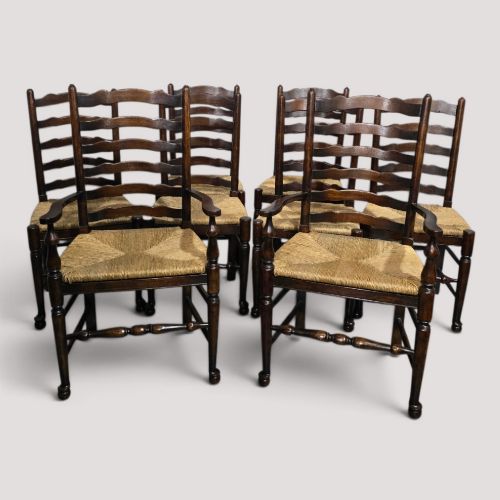
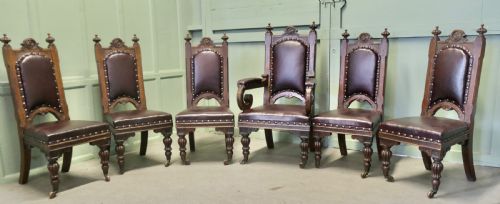
Seating surfaces often incorporate woven rush, shaped wooden saddles, or padded upholstery secured over fabric webbing and brass tacks. Turned spindles, steam-bent bows and hand-carved splats demonstrate the varied techniques applied to both formal parlour seats and kitchen armchairs.
Listings span the eighteenth, nineteenth and early twentieth centuries, constructed from mahogany, oak, elm, ash, walnut and laburnum.
Distinguishing quality
The distinction between standard examples and superior pieces rests on the crispness of hand-carved details, the selection of figured timber grain, and the preservation of original structural components. Chairs that retain their untouched surface patination and tight joinery command greater appreciation.
Proportion and balance also separate the ordinary from the exceptional, as master makers maintained careful alignment between the arms, legs and backrests. Refinished surfaces or heavily replaced elements alter the integrity of an antique, whereas honest wear reflects a long working life.
Wheelers of Arncroach·E W Godwin·William Morris
The Dark Brown Carver Chair Glossary
- Carver chair
- An armchair, usually designed to match a set of smaller dining chairs and placed at the head of a table. These pieces provide broader seats and supportive armrests for prolonged sitting.
- Windsor chair
- A wooden armchair constructed with a solid elm or ash saddle seat into which turned legs and spindles are wedged. This vernacular form developed distinct regional variations across the British countryside.
- Ladder back
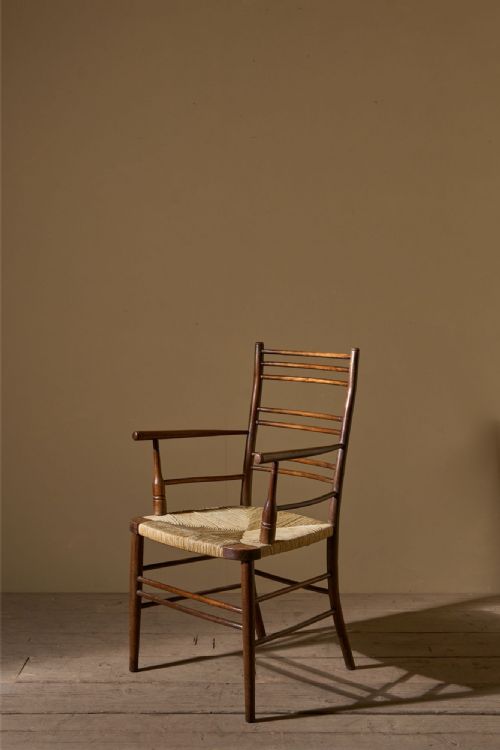
- A chair back featuring horizontal slats arranged between the two vertical rear posts. Country versions often incorporate rush seating within painted or polished ash frames.
- Chippendale style
- A Georgian furniture design influenced by Thomas Chippendale pattern books, characterised by intricately pierced splats and cabriole legs. These formal mahogany chairs represent high-status domestic interiors.
Dark Brown Carver Chair: Frequently Asked Questions
What is a carver chair?
A carver chair is an armchair traditionally placed at either end of a dining table to match the smaller side chairs.
These chairs offer supportive armrests and often feature more decorative carving on the back splat.
How do I care for antique wood?
Antique wooden chairs require regular dusting with a soft, dry cloth and protection from direct sunlight and rapid temperature changes.
Applying a traditional beeswax polish periodically helps nourish the timber and maintain its natural lustre.
Are these chairs suitable for daily use?
Most solid timber armchairs are built with sturdy traditional joinery that easily accommodates regular sitting.
Checking the tightness of the joints and the condition of rush or upholstered seats ensures they remain comfortable and secure.
How do I date an old wooden chair?
Dating relies on examining the timber species, tool marks, construction methods, and stylistic cues characteristic of specific periods.
Examining the underside and joint construction often reveals the hand-working techniques of the maker.